
Europe swelters under heatwave as France issues red alert for over a third of population
Story Timeline
3 months · 6 summary articles
More than a third of France's population is under a red heat alert as the country grapples with an intense heatwave that has seen temperatures soar above 40 degrees Celsius in some areas. The heatwave, which began on July 5, is expected to continue until at least July 15, according to Météo-France, the country's meteorological service.
The heatwave has led to widespread disruptions, including the shortening of the ninth stage of the Tour de France. Organizers cited the extreme heat as a reason for reducing the stage from 185.5 km to 155.5 km. "The health of the riders is our top priority," said Tour de France director Christian Prudhomme. "The heat is extreme, and we want to ensure the safety of everyone involved."
In Paris, the Eiffel Tower and the Louvre Museum have shortened their opening hours to protect visitors from the scorching temperatures. The Eiffel Tower will close at 4 pm instead of its usual midnight closing time, while the Louvre will close at 6 pm instead of 9:45 pm. The Musée d'Orsay has also reduced its hours.
The heatwave has also led to an increased risk of forest fires. In France, more than 25,000 hectares of land have been destroyed by fires since the beginning of the year, nearly double the amount in the same period last year. French President Emmanuel Macron warned that most of the fires are caused by human activity. "We must be vigilant and responsible," Macron said in a message on social media.
In Germany, the heatwave has led to high forest fire danger levels in several regions. The German Weather Service (DWD) has issued warnings for parts of Lower Saxony, Brandenburg, and Thuringia. Temperatures are expected to reach up to 36 degrees Celsius in some areas.
The heatwave is not limited to France and Germany. In Spain, temperatures are expected to reach 40 degrees Celsius in some regions. In the Canary Islands, workers in outdoor jobs are particularly affected by the heat. According to a study published in The Lancet, Canary Islands is the region in Europe where work is most frequently interrupted due to high temperatures.
In the Netherlands, the heatwave is expected to continue through the week, with temperatures above 30 degrees Celsius. The Dutch meteorological service has issued warnings for the extreme heat.
The heatwave has also affected tourism and cultural events. In Paris, traditional street parties and outdoor sports events have been canceled due to the heat. In Cyprus, temperatures are expected to reach 40 degrees Celsius, with increased cloud cover in some areas.
The heatwave is a stark reminder of the impact of climate change on daily life. As temperatures continue to rise, experts warn that heatwaves will become more frequent and intense. "We need to adapt to these new realities," said a spokesperson for the World Health Organization. "Heatwaves are a serious health risk, especially for vulnerable populations."
As Europe continues to grapple with the heatwave, authorities are urging people to take precautions to stay safe. This includes staying hydrated, avoiding outdoor activities during the hottest parts of the day, and checking on vulnerable neighbors and family members.
The heatwave is expected to continue for the next few days, with some relief expected by the end of the week as temperatures are forecast to drop slightly. However, meteorologists warn that the respite may be temporary, as long-term forecasts suggest that high temperatures could return later in the summer.
In the meantime, Europeans are finding ways to cope with the heat. In cities like Paris and Berlin, public swimming pools and air-conditioned libraries have become popular refuges from the heat. In rural areas, farmers are struggling to protect their crops and livestock from the scorching temperatures.
The heatwave is also having an economic impact. In the tourism sector, some businesses are reporting a drop in visitors due to the extreme heat. In the agricultural sector, farmers are facing challenges as crops wither under the relentless sun.
As the heatwave continues, authorities are urging people to stay informed about the latest weather updates and to follow safety guidelines. "This is a serious situation," said a spokesperson for the French meteorological service. "We urge everyone to take the necessary precautions to stay safe."
The heatwave is a reminder of the urgent need to address climate change. As temperatures continue to rise, the frequency and intensity of heatwaves are expected to increase, posing significant challenges to public health, infrastructure, and the economy.
For now, Europeans are doing their best to stay cool and safe as they weather the heatwave. With temperatures expected to remain high for the next few days, the focus is on staying hydrated, avoiding outdoor activities during the hottest parts of the day, and looking out for vulnerable neighbors and family members.
As the heatwave continues, the impact on daily life and the economy is becoming increasingly apparent. From shortened working hours to canceled events, the heatwave is disrupting normal routines and highlighting the need for adaptation to a changing climate.
In the coming days, meteorologists will be closely monitoring the situation, and authorities will continue to issue warnings and advice to help people stay safe. The heatwave is a stark reminder of the challenges posed by climate change and the need for urgent action to address its impacts.
Follow us for live European news
- 3
- 3
- 2
- 1
- 1
- 1
- 1
- 1
- 1
- 1
2 further sources not geolocated
Articles

HUAWEI baja sus precios en plena ola de calor: tablets, smartwatches y auriculares con hasta un 41 de descuento si te das prisa ¡No busques más! HUAWEI tiene los mejores dispositivos para hacer que tu verano sea más ameno. Sus auriculares, smartwatches y tablets más buscadas se encuentran con grandes descuentos por tiempo limitado
la vanguardia · 3 months ago

Tour de France 2026 : devant sa télé, un malaise croissant face aux forçats sous la canicule Si la Grande Boucle est synonyme de performance hors norme, cette édition dans la fournaise donne le sentiment de rester passif jusquà linconscience coupable.
liberation · 3 months ago
Kaum Klimaanlagen trotz extremer Hitze: Wenn Europa schwitzt, profitiert China In Europa wird es immer heißer. Das treibt den Absatz chinesischer Klimaanlagen nach oben. Die Staatsmedien sehen darin den Beweis: Ohne die Volksrepublik geht es nicht.
tagesspiegel · 3 months ago
Morocco battles wildfire in southeast amid extreme heat warnings Moroccan authorities continued Saturday to contain a wildfire sweeping through the Afous oasis in southeastern Errachidia province, damaging vast palm groves as the country remains on high alert for forest blazes amid soaring temperatures and extreme heat warnings issued through July 12.
yenisafak · 3 months ago
Peak heat in Europe just broke historic 1970s records
gdeltproject.org · 3 months ago
In charts: How West Asia war, rate shifts, extreme heat are affecting the world
gdeltproject.org · 3 months ago
Todays weather: Temperatures to reach 40 degrees Sundays weather will be mostly clear across most of the island for most of the day, with temperatures set to reach a high of 40 degrees Celsius inland. Those high temperatures may be tempered somewhat by increased cloud cover in parts, while temperatures on the southwest and west coasts will reach only 32 degrees Celsius, […]
cyprus mail · 3 months ago
Două alerte meteo pentru București. Averse, vijelii și grindină Administrația Națională de Meteorologie a emis pentru Capitală două avertizări de tip cod galben pentru instabilitate atmosferică și cantități însemnate de apă, potrivit prognozei speciale pentru municipiul București. ANM a actualizat prognoza duminică și pentru București a emis un cod galben vijelii și averse însemnate cantitativ valabil de duminică, 12 iulie, ora 18:00, până luni, …
hotnews.ro · 3 months ago

Dejar de trabajar por el calor extremo es más frecuente en Canarias que en cualquier otra región de Europa Un estudio de la revista The Lancet estima que cada trabajador europeo con un empleo al aire libre pierde una media de 24 horas al año por las altas temperaturas. Canarias registró la mayor pérdida de todo el continente y expertas reclaman medidas de adaptaciónDe mayor duración en La Palma, pero más frecuentes en Fuerteventura: así serán las olas de calor en Canarias, isla por isla La primera ola de calor del año en Canarias ha pillado a Ciani, de 39 años, como de costumbre: trabajando como camarera en el bar de la piscina de un hotel del sur de Gran Canaria. El termómetro supera los 40 grados y a ello hay que sumar la calima, que también se ha dejado notar. El aire está irrespirable. El sol cae a plomo. Pero el local no va a cerrar para que Ciani pase la tarde a la sombra, dice ella, algo resignada. La hostelería impone unos ritmos que ni siquiera el calor más extremo parece cuestionar. Aunque, si llega el momento, tiene claro qué hacer. El ajetreo te impide parar. Pero yo, personalmente, pongo primero mi salud. Y si tengo que descansar, lo voy a hacer, por mucho que mi jefe me exija que siga trabajando. Porque si no lo hago, me voy al piso, asegura. Y si me sancionan, pues ya es cosa de ellos y me defenderé como me tenga que defender. No es la única. Canarias es la región europea donde más se interrumpe el trabajo al aire libre por las altas temperaturas, cada vez más frecuentes por el cambio climático, según un estudio de la prestigiosa revista The Lancet. Le siguen Chipre y la región de Ática, en el sur de Grecia. La otra cara de la moneda la firman Salzburgo, en Austria; la provincia de Bolzano, en el norte de Italia, y Finlandia, donde ha aumentado la actividad. El calor extremo provoca estrés térmico. La capacidad física y cognitiva de quien trabaja se reduce, y el riesgo de sufrir accidentes laborales aumenta, según un informe del Observatorio DKV de Salud y Medio Ambiente. Cuando el entorno supera la capacidad del cuerpo para autorregular su temperatura mediante la sudoración, pueden aparecer desde deshidratación y calambres hasta golpes de calor o fallos multiorgánicos potencialmente mortales. A veces no somos conscientes de que estamos sufriendo un problema de salud de estas características. Todo empieza con una taquicardia y puede llegar un momento en el que ya no eres capaz de llamar a emergencias, trasladarte a una zona de sombra o beber agua, advierte Carmen Marrero, secretaria de Salud Laboral de Comisiones Obreras (CCOO). Imagen de archivo de un hombre que se refresca en las duchas de playa Grande, en Puerto del Carmen (Lanzarote). EFE/Adriel Perdomo La investigación publicada en The Lancet apunta que la temperatura media anual a partir de la cual empieza a resentirse la actividad laboral al aire libre se sitúa en torno a los 9,9 grados. A medida que ese promedio aumenta, disminuye la capacidad fisiológica del cuerpo para trabajar. En Canarias, la temperatura media alcanzó los 18,8 grados en 2025, 0,4 grados por encima de lo normal. En la España peninsular fue de 15 grados, con una anomalía de 1,1 grados. Una temperatura media anual cada vez más alta favorece episodios de calor más intensos y frecuentes. Y en Europa, eso se traduce en que cada trabajador al aire libre pierde en torno a 24 horas de trabajo al año por el calor extremo, según la publicación de The Lancet, que compara el periodo 2020-2023 con el promedio registrado entre 1965 y 1994. Canarias es la región más afectada, pero el trabajo académico, en el que han participado una veintena de expertos, no aporta datos específicos sobre el Archipiélago. Los testimonios de quienes se exponen a las altas temperaturas en los servicios de limpieza, hostelería, mantenimiento o jardinería muestran, en cambio, cómo el bochorno lo cambia todo. El ritmo de trabajo, evidentemente, es menor. Hacemos más pausas, bebemos mucha agua… Si nos quedamos en un lugar concreto, ponemos una sombrilla para que no nos dé el sol directamente, dice Paco, de 48 años, que se dedica al mantenimiento de urbanizaciones en el sur de Gran Canaria. A partir de las 11.00, añade, el vapor que desprende el alquitrán hace que te quemes los pies. Por eso intentan alternar media hora a la sombrita y otra media al sol. A las 13.00 abandonan la calle y se refugian en la nave de la empresa para realizar tareas de interior y limpieza. Y si algún miembro de la plantilla se siente fatigado, tiene libertad para acudir al médico. Pepe, por su parte, tiene 57 años y trabaja como jardinero en San Bartolomé de Tirajana. Cuenta que, durante los episodios de calor, comienza la jornada con gimnasia preventiva para activar el cuerpo y aprovecha las primeras horas de la mañana para realizar las tareas más expuestas al sol. A partir de las 10.30, el protocolo le obliga a trasladarse a zonas de sombra e incluso a descartar los trabajos junto al asfalto. Allí, agrega, el calor que irradia el pavimento hace que sea imposible trabajar. Es un sofoco increíble porque te vas agotando, te vas agobiando. Y son días en los que no se rinde igual, remacha Pepe. Cuando a eso se suma la dificultad para que el cuerpo se enfríe durante la noche, los efectos (y también los riesgos) se multiplican. Si no tienes aire acondicionado, estás muerto, afirma Ciani. Y te pones de mal humor. Se nota en cómo tratas a los clientes y a los compañeros. Porque no es lo mismo estar a la fresca, cuando te atiendo con una sonrisa, que hacerlo con este calor. Lo intento igual, pero cada vez te encuentras peor, más cansada. Un hombre descansa bajo un árbol en plena ola de calor en La Laguna Canarias no cuenta con un plan autonómico de prevención de riesgos laborales frente a las altas temperaturas. El Instituto Canario de Seguridad Laboral (ICASEL) impulsó recientemente una campaña preventiva, pero fuentes de la Consejería de Turismo y Empleo aclaran que las medidas dependen de lo que establezca cada convenio colectivo y de lo que acuerde cada empresa. El Archipiélago no concentra un gran volumen de trabajadores en dos de los sectores más expuestos al calor extremo: la agricultura y la construcción. La primera representa el 2,2 del empleo y la segunda, el 6,2, según el Instituto Nacional de Estadística (INE). Pero las Islas sí tienen a una gran parte de su población ocupada en el sector servicios. En concreto, el 86,6, el porcentaje más alto de toda España. Personas que sirven copas a pie de playa, limpian habitaciones de hotel o mantienen jardines bajo un calor cada vez más asfixiante. A falta de un protocolo autonómico (y más allá de la normativa estatal, que obliga a las empresas a adaptar las condiciones de trabajo cuando hay avisos naranja o rojo por calor), Marrero, de CCOO, advierte de que las medidas no deberían limitarse al verano, sino aplicarse mucho antes, porque estamos viendo temperaturas propias de julio o agosto ya en mayo o junio. Para la secretaria de Salud Laboral de Comisiones Obreras, los protocolos deben ser dinámicos y negociados, alejados de una actitud paternalista que ignore la realidad y el esfuerzo físico de cada puesto de trabajo. Como ejemplo, plantea evitar que los trabajos físicos o a la intemperie se realicen en solitario. Trabajar por parejas, sostiene, es fundamental para que un compañero pueda pedir ayuda si alguien empieza a encontrarse mal.
eldiario.es · 3 months ago
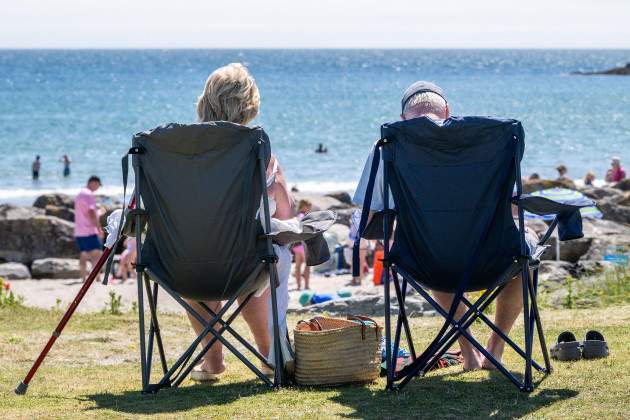
Ten counties issued with a high temperature warning valid until Tuesday The warning is valid from 1pm today until 7am on Tuesday.
thejournal · 3 months ago
Summer cooking, the Honey & Co way 10 recipes for hot days and warm evenings, with big flavours, bright herbs and the best of the seasons produce
financial times · 3 months ago
HARTĂ Meteorologii au extins codul galben de furtuni: zonele afectate. Cum va fi vremea pe litoral Vremea se schimbă radical în următoarele zile. În mai puțin de două ore, Capitala și 26 de județe intră sub cod galben. Ne așteptăm la ploi torențiale, cu tunete, fulgere și grindină. Pe alocuri vor avea loc descărcări electrice, iar vântul va sufla cu mare putere, a spus la Digi24 meteorologul ANM Mihai Timu.
digi24 · 3 months ago
Waldbrandgefahr bleibt hoch: Sommerwetter in Berin und Brandenburg hält an – 31 Grad am Sonntag Sonne, bis zu 31 Grad und kaum Regen: Berlin und Brandenburg starten sommerlich in die neue Woche. Die Waldbrandgefahr bleibt dabei vielerorts hoch.
tagesspiegel · 3 months ago
Meteorologii au prelungit avertizările de vreme rea. Harta zonelor cu alerte de vijelii Meteorologii au actualizat prognoza și au emis trei avertizări de vreme rea valabile azi și mâine. Cod galben de furtună, duminică, în intervalul 10 – 18. Conform ANM, vor fi perioade cu instabilitate atmosferică în sudul Banatului, cea mai mare parte a Olteniei, nordul Munteniei, sudul Transilvaniei și vestul Moldovei. Aceasta se va manifesta prin …
hotnews.ro · 3 months ago
Städtische Wärmeinsel – Solothurn setzt auf mobile Bäume gegen Hitze Sommertage in Städten sind heiss. Wo keine Bäume gepflanzt werden können, verspricht mobile Bepflanzung Abhilfe.
srf.ch · 3 months ago
Radsport: Tour-Etappe wegen Hitzewelle verkürzt: Pogacar bedankt sich 40 Grad im Schatten: Wegen der Hitzewelle kürzen die Veranstalter die Strecke. Warum Pogacar erleichtert reagiert – und was Fans vor Ort jetzt beachten sollten.
tagesspiegel · 3 months ago
Paris heatwave forces early closure of Eiffel Tower and Louvre The Eiffel Tower and Louvre Museum have shortened their weekend opening hours as Paris grapples with scorching temperatures, with both iconic landmarks shutting their doors at 4 pm and the museum enforcing a 2 pm last admission to protect visitors from the extreme heat.
yenisafak · 3 months ago
Heat cant stop the fun at Montana Folk Festival
gdeltproject.org · 3 months ago
EN DIRECT - Canicule : plus dun tiers des Français sous vigilance rouge Lintensification de la vague de chaleur fait craindre la propagation des incendies qui touchent le pays.
liberation · 3 months ago
Hitze: Greenpeace und Samariterbund besorgt um Gesundheit Anlässlich des bevorstehenden Gedenktags für die Opfer der Klimakrise betonen die Organisationen, dass Hitzewellen zunehmen, länger dauern und die Gesundheit der Menschen gefährden.
die presse · 3 months ago
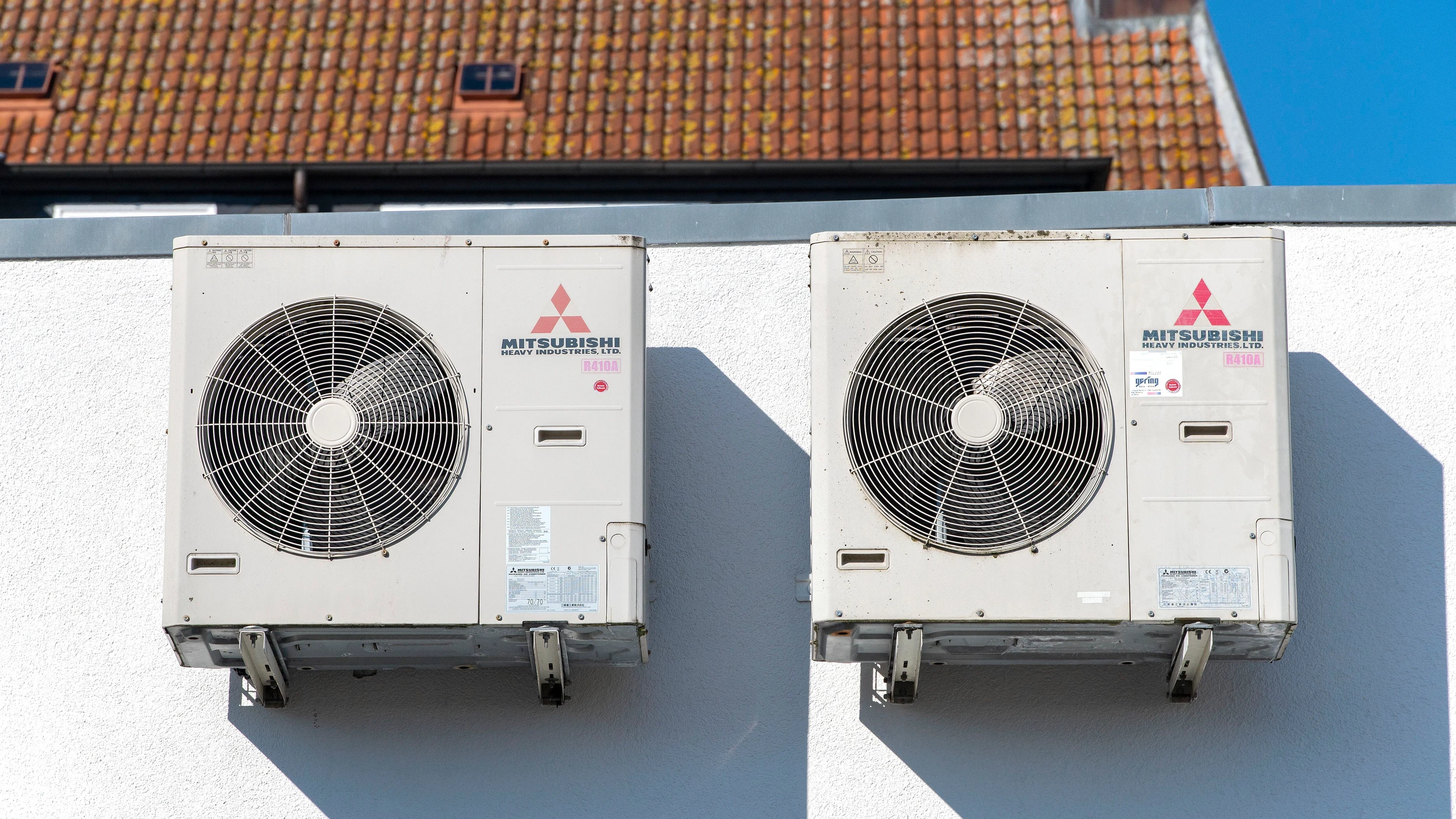
Heiße Tipps, kühle Zimmer: Der Weg zur Klimaanlage Die Hitze löst Sehnsucht nach Kühle aus. Im Internet gibt es attraktive Angebote. Aber auch Scharlatane. Nur eine richtige Lösung ist eine gute Lösung.
faz · 3 months ago
Cod galben de furtuni în aproape toată țara și în Capitală. Vin ploi torențiale, vijelii și grindină Administrația Națională de Meteorologie (ANM) a emis duminică noi atenționări Cod galben de instabilitate atmosferică pentru mai multe zone din România. Sunt așteptate averse torențiale, descărcări electrice, intensificări ale vântului și căderi de grindină.
adevarul · 3 months ago
Trockenheit und Hitze: Waldbrandgefahr in Thüringen nimmt wieder zu
die zeit · 3 months ago

El tiempo este domingo: temperaturas de hasta 38 grados en el nordeste y tormentas en el área cantábrica La nubosidad crecerá por la tarde en amplias zonas del centro, norte y este peninsular
la vanguardia · 3 months ago
Sünoptik: Eesti kohal arenevad pühapäeval uued äikesepilved Sünoptik Kairo Kiitsaku teatel arenevad pühapäeva ennelõunal Eesti kohal uued äikesepilved, mis võivad tuua kaasa tugevat vihma, puhangulist tuult ja rahet.
postimees · 3 months ago
Gluthitze in Frankreich: Touristenattraktionen in Paris wie der Eiffelturm schließen früher Frankreich ächzt unter der dritten Hitzewelle in zwei Monaten: Beliebte Touristenattraktionen in Paris kürzten ihre Öffnungszeiten. Erstmals in der Geschichte der Tour de France wurde wegen Hitze die Etappe am Sonntag gekürzt.
tagesspiegel · 3 months ago
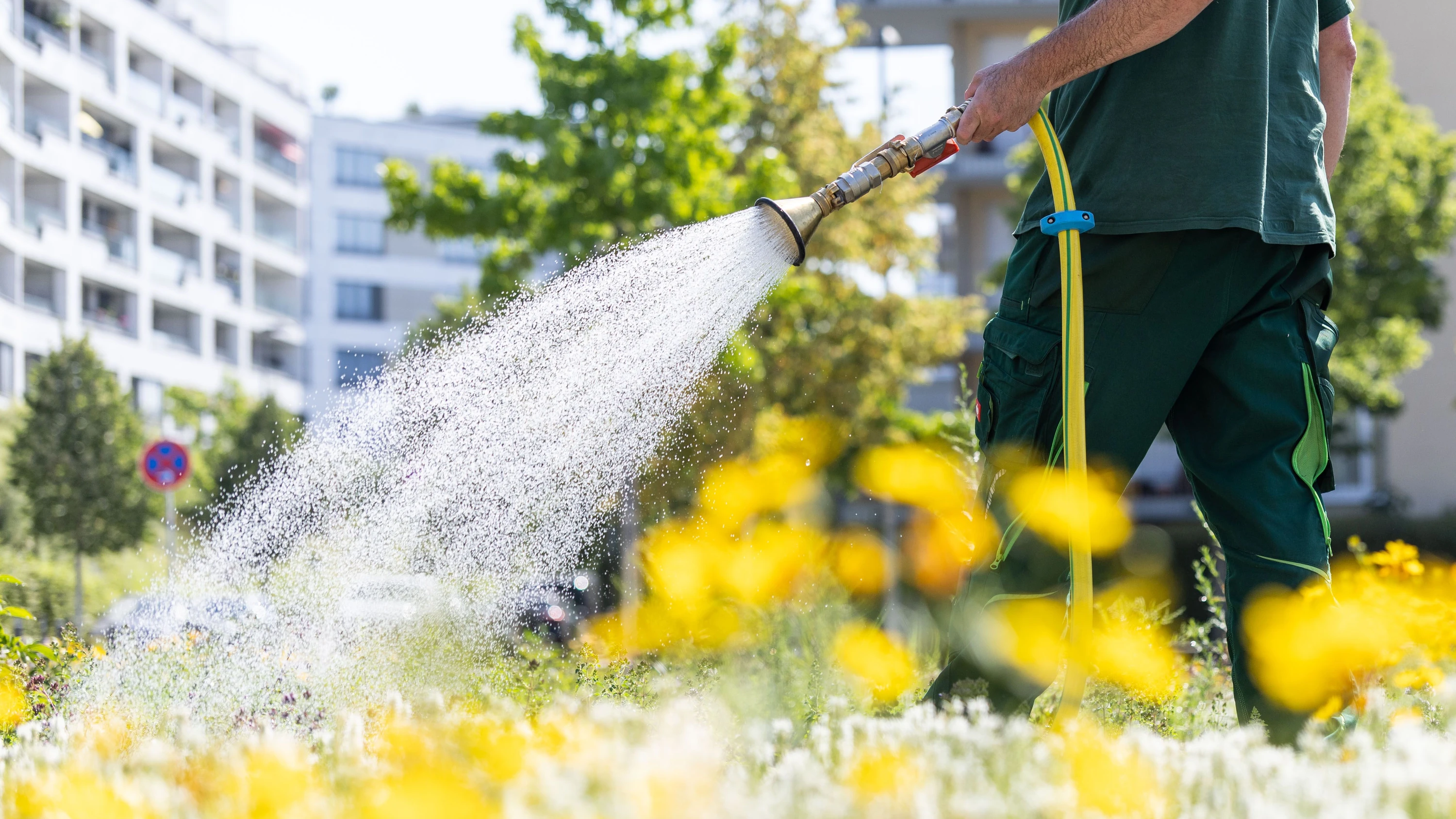
Rhein-Main-Liveblog: Wetterdienst erwartet bis zu 36 Grad in Hessen Was ist los in Frankfurt & Hessen? Lesen Sie aktuelle News & Nachrichten im News-Ticker von heute ► Was heute wichtig ist, erfahren Sie bei der F.A.Z.
faz · 3 months ago
Turnul Eiffel, muzeele Luvru şi Orsay se închid mai devreme din cauza caniculei. 37 de departamente din Franța, cu alertă roșie Pentru turiștii din capitala Franței, veniți din întreaga lume, temperaturile excepționale au consecințe concrete asupra programului lor de vizitare. În doar câteva ore, Muzeul Luvru și Muzeul Orsay au anunțat închiderea înainte de ora obișnuită, la fel și Turnul Eiffel, relatează France Info.
digi24 · 3 months ago
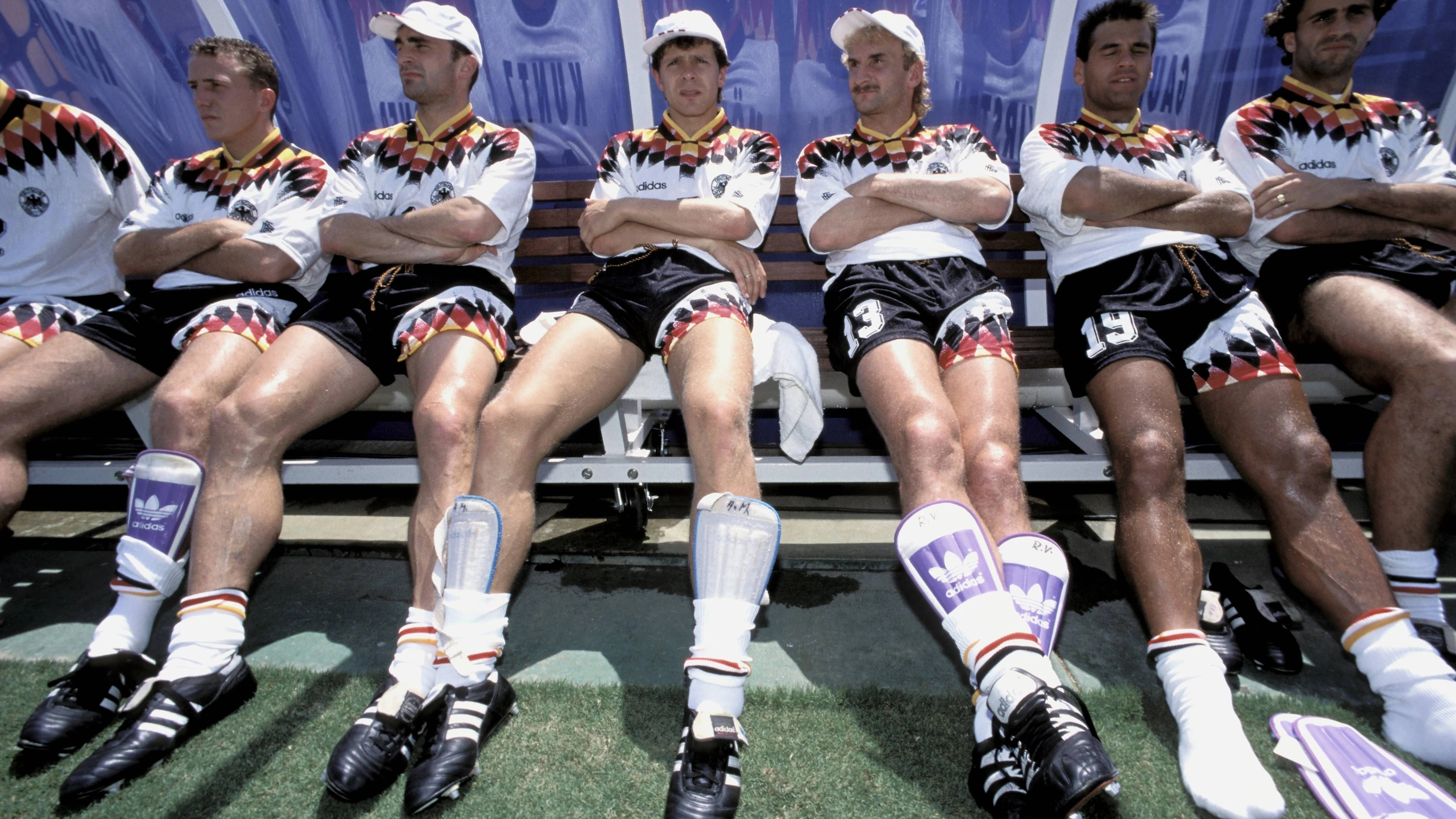
Menschliches Verhalten: Was die Hitze mit uns macht Über den Zusammenhang von Hitze und menschlichem Verhalten ist noch nicht allzu viel bekannt. Doch der Fußball zeigts: Hohe Temperaturen sorgen für Spannung.
faz · 3 months ago
Sonne und 31 Grad: Das Wetter bleibt sommerlich
die zeit · 3 months ago