Loading…
 Saturday, September 26Saturday, September 26
4 months · 2 summary articles
Dutch court suspends most of two-year sentence for child abduction to Belgium
France escalates crisis over Lyhanna Lecornu murder: protests, resignations and systemic failures exposed
France’s political and judicial crisis deepened on Tuesday as the Lyhanna Lecornu murder case triggered a wave of protests, legal challenges and institutional recriminations, with the government scrambling to respond to public outrage over systemic failures that allowed a suspect in a previous case to evade scrutiny.
At a crisis meeting in Matignon on Tuesday morning, Prime Minister Gabriel Attal convened senior ministers to approve emergency measures aimed at restoring confidence in child protection and judicial oversight. The move follows nationwide demonstrations on Monday, when more than 60,000 people marched outside courthouses from Paris to Toulouse, demanding accountability after the 11-year-old girl’s body was found in Fleurance, Gers, on 4 June. The suspect, already known to police since August 2025 in a separate matter, had not been flagged as a risk despite prior reports .
The government is considering making sexual offences against minors a potential life sentence and shortening deadlines for reporting such crimes, Justice Minister Gérald Darmanin told France 24 on Tuesday . Yet critics dismissed the proposals as insufficient. François Roujou de Boubée, lawyer for Lyhanna’s family, accused the administration of “smoke and mirrors,” arguing that reviewing 70,000 outstanding complaints by 14 July was an empty promise .
Judicial staff in Auch, where the case was heard, escalated the confrontation by adopting a motion condemning what they called a “populist witch-hunt” stoked by “unchecked political rhetoric.” The text, obtained by *Libération*, decries a “public distrust of the judiciary” and pledges support for local prosecutor Clémence Meyer, who has faced personal attacks .
The crisis has spilled into the presidential campaign, with candidates under pressure to address systemic flaws. Alice Gayraud, a former member of the Ciivise commission on child sexual violence, urged protesters to channel anger into “political demands,” noting a rare convergence of child-protection advocates and feminist groups .
Meanwhile, the fallout extended beyond the courts. Activist and filmmaker Andréa Bescond, detained on Monday after a rally at Place Vendôme, was released without charges on Tuesday after prosecutors dropped the case for “outrage and rebellion” .
Grégory Bobbato, mayor of Fleurance, struck a defiant tone, blaming “ministerial chatter” for failing to prevent the tragedy and calling the killing a symptom of “societal failure” .
With a state complaint filed against the government and calls for Darmanin’s resignation growing, the affair shows no sign of abating. International observers note that the episode risks reshaping France’s electoral landscape ahead of next year’s vote .
Follow us for live European news

Le roi Philippe visite une prison surpeuplée à Anvers Le roi Philippe sest rendu mardi à la prison dAnvers. Il a rendu visite à des détenus et à des gardiens de prison, et sest entretenu avec plusieurs directeurs de prison au sujet de la surpopulation carcérale. "Jécoute avec beaucoup dattention", a souligné le Roi en introduction. ...
la libre · 4 months ago

Ponte sullo Stretto, lex magistrato contabile intercettato: Il mio amico Salvini si aspettava una presa di distanza I miei amici del governo, a cominciare da Salvini, si sarebbero aspettati una presa di distanza. Così, intercettato dagli inquirenti, lex presidente aggiunto della Corte dei Conti Tommaso Miele raccontava allimprenditore Vincenzo Virgiglio di aver evitato di partecipare a una manifestazione, per non trovarsi in difficoltà davanti alle domande dei giornalisti sulla decisione dei giudici […] Larticolo Ponte sullo Stretto, lex magistrato contabile intercettato: Il mio amico Salvini si aspettava una presa di distanza proviene da Il Fatto Quotidiano.
il fatto quotidiano · 4 months ago

Woman (48) with cerebral palsy settles oldest-ever birth case of its kind before courts for €6.25m Legal action relating to 1978 birth is the oldest negligence case of its kind before courts
irish times · 4 months ago
Vruchtbaarheidskliniek MCK hield zich niet aan de norm van 25 kinderen per donor. We moeten meer praten over de gevolgen voor de kinderen De voorlichting van Medisch Centrum Kinderwens voldeed niet en de kliniek hield zich niet aan de norm van 25 kinderen per donor. Dat blijkt uit een kritisch rapport van de Inspectie Gezondheidszorg en Jeugd. „Ik kan het verleden niet veranderen, maar ik ben er wel voor het heden en de toekomst.
nrc · 4 months ago

Lassassinat de Lyhanna alimente la colère contre le système judiciaire Après la marche blanche du dimanche 7 juin à Fleurance, dans le Gers, plus de 60 000 personnes ont manifesté devant les tribunaux en France, lundi 8. Lassassinat de la petite Lyhanna a déclenché une vague de colère contre linstitution judiciaire, observe la presse étrangère. Cela risque denflammer la campagne présidentielle.
courrier international · 4 months ago
Affaire Lyhanna : après sa garde à vue à Paris, la réalisatrice et militante Andréa Bescond libérée sans poursuites A linitiative de la mobilisation lundi pour dénoncer les manquements de la justice, lautrice des «Chatouilles» a été interpellée pour «outrage et rébellion». La procédure a finalement été classée sans suite, affirme le parquet à «Libé» ce mardi.
liberation · 4 months ago
Fraudes à lapprentissage : une ardoise à 1,5 milliard dargent public perdu par an La plus coûteuse des politiques publiques de soutien à lemploi jamais conduites en France, qui concerne 900 000 apprentis, aurait dénormes effets daubaine, selon un rapport en préparation de la Cour des comptes, qui sannonce explosif.
liberation · 4 months ago
Mort de Lyhanna : «Notre colère doit devenir une exigence politique», plaide Alice Gayraud, ex-membre de la Ciivise La spécialiste des violences sexuelles sur les enfants constate un «basculement» dans la nature de la mobilisation militante, qui réunit enfin enfantistes et féministes.
liberation · 4 months ago
Affaire Lyhanna : les magistrats dAuch adoptent une motion dénonçant une «vindicte populaire» provoquée par un «discours politique décomplexé» A lissue dune assemblée générale, lensemble des personnels judiciaires du petit tribunal du Gers, au cœur de laffaire, ont pris la parole pour la première fois, dans un texte que «Libé» a pu consulter, et déplorent une «défiance publique envers la magistrature». Ils apportent leur soutien à la procureure Clémence Meyer, directement ciblée.
liberation · 4 months ago
Plainte contre lEtat dans laffaire Lyhanna, la garde à vue de Bruel prolongée, un ministre israélien interdit de territoire français… Lactu de ce mardi 9 juin La rédaction de «Libération» récapitule les principales actualités de la journée du 9 juin.
liberation · 4 months ago
EN DIRECT - Affaire Lyhanna : «Etudier 70 000 plaintes dici le 14 juillet, cest de la poudre de perlimpinpin», dénonce François Roujou de Boubée, lavocat de la famille Au lendemain de rassemblements contre les défaillances judiciaires ayant permis au suspect de la mort de lenfant de ne pas être inquiété, le Premier ministre a reçu plusieurs membres du gouvernement ce mardi 9 juin à Matignon.
liberation · 4 months ago
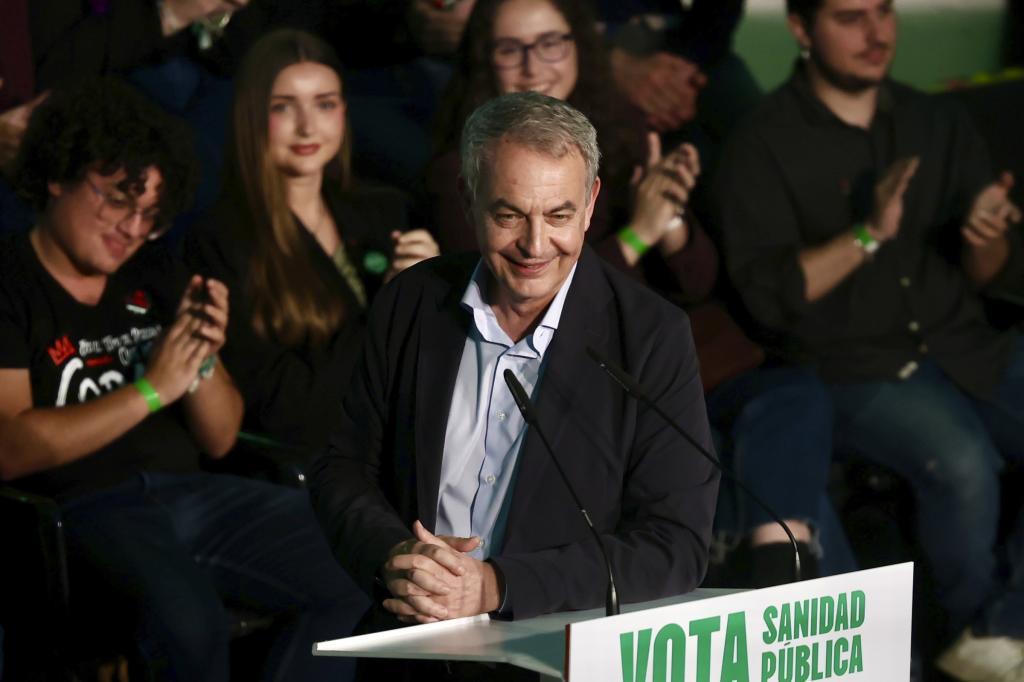
El juez Calama pide a EEUU autorización para usar como prueba en un juicio los mensajes que comprometen a Zapatero La agencia estadounidense Homeland Security Investigations entregó en marzo a la Policía española el contenido del teléfono del ex directivo venezolano de Plus Ultra Rodofo Reyes Leer
elmundo · 4 months ago
Saccomanno, chi è lavvocato salviniano coinvolto nellinchiesta sul Ponte Incaricato di costruire la Lega in Calabria, nel cda della Stretto di Messina dal 2023 al 2026. Quando attaccò la giudice Apostolico e portò 100 corregionali a Pontida
corriere · 4 months ago
Ponte sullo Stretto, chi è Tommaso Miele: 30 anni alla Corte dei Conti e il caso dei tweet su Renzi Dopo aver scritto per decenni condanne su danni al pubblico erario, il giudice contabile ora è indagato per corruzione e rivelazione di segreto dufficio
corriere · 4 months ago
Faced with growing outrage, French government presents new measures for child protection The French justice minister is facing calls to resign amid growing outrage over how the case of a girls killing was handled. The government said on June 8 it was studying new measures to improve child protection and the handling of sexual assault cases, like making sexual offending a possible life sentence. FRANCE 24s James André tells us more about the ongoing reflexion.
france24 · 4 months ago
Murder of Lyhanna, 11, enrages France and turns up heat on government Protesters are angry that the suspect had already been reported to police last August in a separate case.
bbc · 4 months ago
Lia Savonea a izbucnit în ședința înregistrată a CSM: „Să discutăm când a fost în mod real capturată justiția în România. Atac la Bolojan Președintele Consiliului Superior al Magistraturii, Liviu Odagiu, și șefa instanței supreme, Lia Savonea, au lansat acuze în ședința de marți a judecătorilor din CSM. Secția pentru judecători a Consiliului Superior al Magistraturii a adoptat o hotărâre pentru „apărarea independenței judecătorilor din România și a decis să sesizeze organismele internaționale în legătură cu „atacul fără precedent la …
hotnews.ro · 4 months ago

La ministre de la Justice espère un débat "en toute sérénité" sur lallongement du délai légal pour avorter Ce texte prévoit une exception pour les victimes de viol, qui pourront avorter légalement jusquà 18 semaines de grossesse. ...
la libre · 4 months ago
Una controriforma che allunga le cause e spreca risorse: lAnm contro il ritorno dei tribunalini firmato Nordio e Lega Una controriforma priva di fondamento empirico, che abbandona la strada della razionalizzazione assecondando istanze localistiche, senza una visione sistematica né una seria analisi delle risorse disponibili. LAssociazione nazionale magistrati demolisce il disegno di legge del governo per istituire il nuovo Tribunale della Pedemontana veneta con sede a Bassano del Grappa (Vicenza), voluto dal ministro della […] Larticolo Una controriforma che allunga le cause e spreca risorse: lAnm contro il ritorno dei tribunalini firmato Nordio e Lega proviene da Il Fatto Quotidiano.
il fatto quotidiano · 4 months ago

Affaire Lyhanna : quelle place pour le peuple dans sa justice ? Par Jean-Marc Fedida
lexpress · 4 months ago
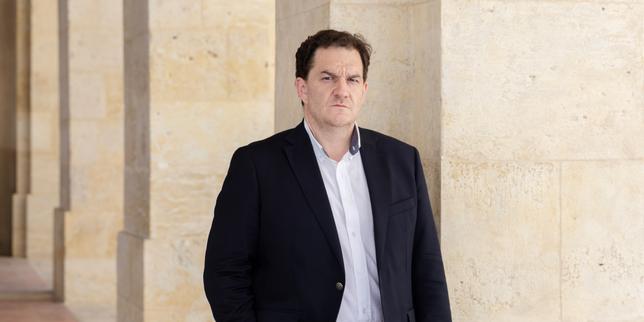
Affaire Lyhanna : Grégory Bobbato, le maire de Fleurance qui rappelle lEtat à ses devoirs Elu en mars, lagriculteur de 42 ans sest distingué en faisant de la mort de lenfant, dont le corps a été retrouvé sans vie le 4 juin, le résultat dune « défaillance sociétale » et en critiquant les « palabres ministérielles ».
le monde · 4 months ago
President of Turkeys top court says rights rulings must be enforced as complaints top 739,000 The Turkish Constitutional Court has received more than 739,000 individual rights complaints since 2012, the courts president said Monday, warning that constitutional protections have real meaning only when court rulings are effectively implemented by judges and public authorities, the Bold Medya news website reported. Of those, 637,274 have been resolved, while 102,143 remain pending. Constitutional […] The post President of Turkeys top court says rights rulings must be enforced as complaints top 739,000 appeared first on Stockholm Center for Freedom.
stockholm center for freedom · 4 months ago
Anhaltende Wut über Justizskandal: Minister weist politische Verantwortung von sich In Frankreich macht sich nach dem Schock über das Justizversagen im Mordfall Lyhanna Entrüstung breit. Justizminister sieht Verantwortung bei anderen. mehr...
taz.de · 4 months ago