
EU warns of AI cyber risks as 5 billion fund targets domestic start-ups
Story Timeline
2 months · 4 summary articles
The European Union’s new €5 billion “Scale-up Europe” growth fund could unlock financing rounds of more than €100 million for domestic artificial-intelligence start-ups, Novo Holdings chief executive Kasim Kutay told the *Handelsblatt* on Thursday. Speaking from Copenhagen, Kutay said the fund—mobilised under the EU’s flagship initiative to bolster home-grown technology champions—would target sectors where Europe already holds a competitive edge, including biotechnology and quantum technologies. “We must channel capital into areas where we can lead globally,” Kutay said, adding that AI-driven applications in finance, logistics and industrial automation remain under-exploited in the region.
The pledge comes as European regulators intensify warnings over systemic risks posed by frontier AI models. The European Systemic Risk Board (ESRB) has cautioned that advanced AI systems could amplify cyber threats to financial institutions, the Central Bank of Cyprus (CBC) said in a statement on Thursday. The CBC said it would “continue to monitor developments closely” and expects lenders to strengthen cyber-resilience against emerging AI-enabled attacks. The ESRB’s alert follows similar guidance issued last month by the Dutch data-protection authority, which highlighted the growing use of AI in phishing campaigns and automated social-engineering attacks.
In the private markets, AI-native security firm Keeper Security said it had surpassed $225 million in annual recurring revenue (ARR), positioning the company for a potential public listing. The Singapore-based outfit, which specialises in AI-driven identity protection, said its growth trajectory pointed toward a $1 billion ARR target within the next three years. “We are seeing product-market fit in the agentic-AI era,” a company spokesperson said, citing surging demand for autonomous threat-detection tools.
Meanwhile, European deep-tech investors are placing fresh bets on quantum and AI convergence. Munich-based QuantumDiamonds announced on Thursday it had secured €91 million in a Series B round led by World Fund and IQ Capital, with participation from the European Chips Act fund. The start-up uses diamond-based sensors to detect defects in semiconductor wafers, a technique that could reduce chip scrap rates by up to 30%, according to the company. QuantumDiamonds is the first EU-backed beneficiary of the Chips Act’s deep-tech window, the *Handelsblatt* reported.
On the corporate front, Qualcomm’s chief information officer told *Fortune* that the chipmaker is accelerating its AI integration to support a broader diversification strategy. The executive, who asked not to be named, said Qualcomm is embedding generative-AI models into its supply-chain and customer-support systems to cut operational costs and improve chip-design cycles. The move aligns with the company’s push to move beyond smartphone processors into automotive, IoT and edge-computing markets.
In wealth management, New York-based fintech start-up Finny—founded by Greek expatriate Viktoria Toli—has raised $20 million to deploy AI-driven client-acquisition tools for financial advisers. Toli, who previously worked at a major US asset manager, said Finny’s platform uses natural-language processing to match advisers with high-net-worth prospects in real time. “We’re transforming how advisers grow their books,” she told *ProtoThema*. Finny plans to expand into Europe, citing regulatory harmonisation under the EU’s digital-finance framework as an opportunity to repatriate talent and capital.
Regional investors are also eyeing Nordic markets as a growth engine. At a Tallinn summit on Thursday, European limited and general partners described the Nordic region as “an excellent environment” for tech entrepreneurship, with Sweden and Finland leading in AI and quantum computing. The Baltic Times reported that Nordic start-ups raised €1.8 billion in the first half of 2026, up 42% year-on-year.
Against this backdrop, the ESRB’s cyber-risk warning underscores the dual challenge facing Europe: seizing AI’s economic upside while mitigating its systemic vulnerabilities. “The genie is out of the bottle,” said a senior EU official who asked not to be identified. “Our task now is to ensure it serves the real economy—and doesn’t burn it down.”
Follow us for live European news
- 2
- 1
- 1
- 1
- 1
- 1
6 further sources not geolocated
Articles

Ikea lanzará en España su formato de "tiendas compactas" Busca ubicaciones para abrir 15 tiendas del formato en 4 años. Son locales de hasta 4.000 metros, en una planta y en parques comerciales. Leer
expansion · about 2 months ago
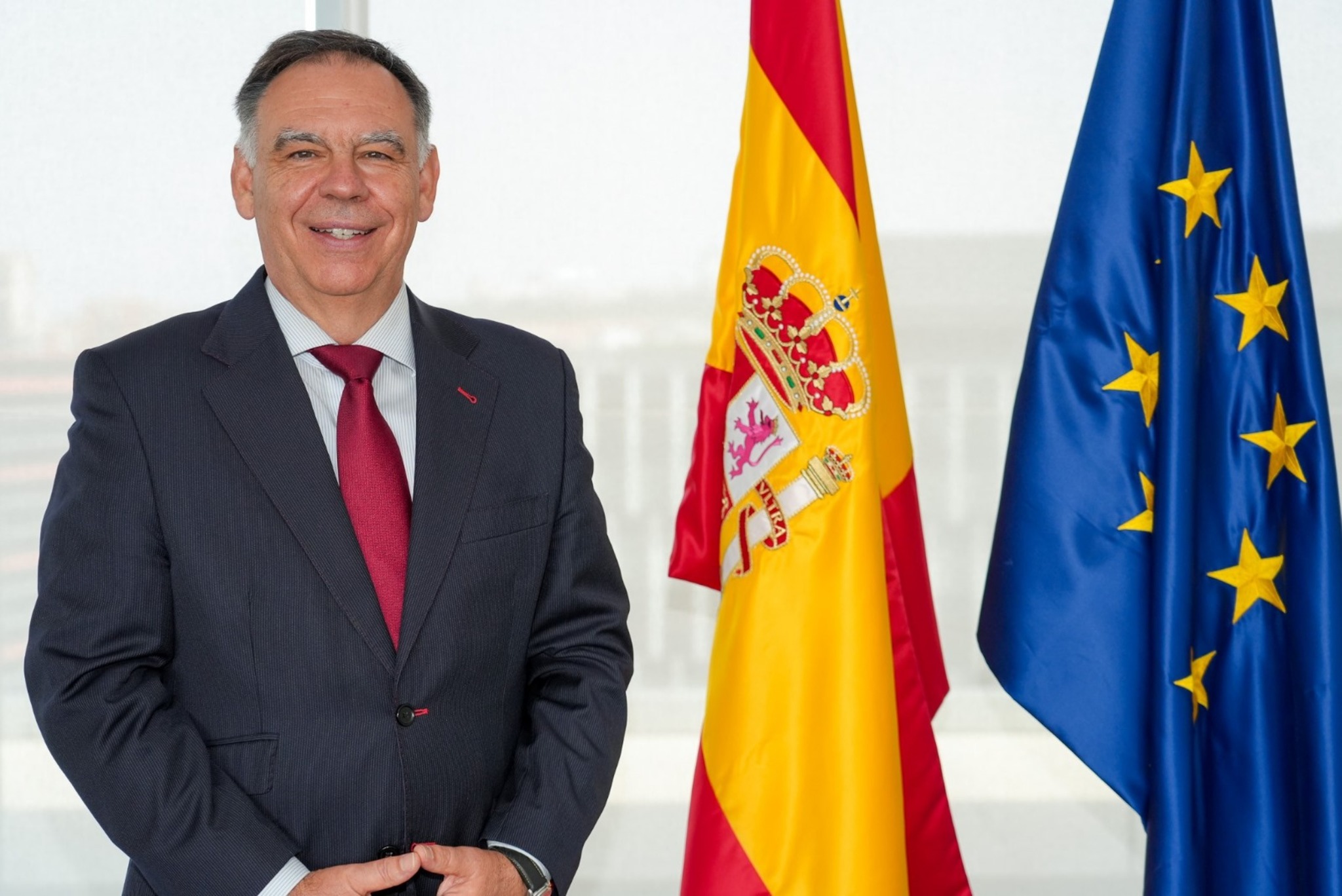
La Sepi digital dispara su inversión a 2.500 millones en 74 operaciones La entidad pública ha inyectado 2.100 millones de euros en 49 empresas y ha invertido en torno a 400 millones a través de vehículos financieros. La movilización total ronda los 7.100 millones. Leer
expansion · about 2 months ago

El Corte Inglés inaugura en la Costa del Sol su plan de crecimiento acelerado La revisión al alza del plan estratégico lanzada por la presidenta, Cristina Álvarez, se materializará en una mayor apuesta comercial. El grupo duplicará su oferta en Mijas. Leer
expansion · about 2 months ago
Plugging the leaks Brussels is pouring billions into digitising Europes water networks, promising fewer leaks and cleaner data, even as hackers test them too. In Bytom, a mining town in southern Poland, engineers from Emitel, a broadcasting-infrastructure firm better known for television transmitters, have spent the past year fitting remote-reading devices to more than 6,000 water metres. In […] Plugging the leaks was originally published on Emerging Europe.
emerging europe · about 2 months ago
SNP and Palantir form strategic partnership to accelerate secure SAP transformations SNP builds on Palantir platforms to deliver new AI-powered solutions for solving mission-critical customer challenges The partnership will build on SNPs strong base with more than 3,000 customers globally and 15,000 successful SAP transformation projects SNP and Palantir will leverage their ...
the slovenia times · about 2 months ago

🔊 Comcast, the empire led by Brian Roberts, will split into a cable and a media company. On this weeks Viewsroom podcast, Breakingviews columnists play out the deals that could follow, and why any buyer could just inherit the same doom loop reut.rs/4vW32bq
bluesky_Reuters · about 2 months ago
KI: „Wir kratzen erst an der Oberfläche: Investor sieht viel Tech-Potenzial in Europa Die dänische Investmentgesellschaft Novo Holdings ist Kapitalgeber des neuen EU-Wachstumsfonds. Im Interview erklärt ihr Chef, welche Sektoren das Geld stärken kann.
handelsblatt · about 2 months ago
Eurogroup chief backs digital euro rollout by 2029 Greek National Economy and Finance Minister and Eurogroup president Kyriakos Pierrakakis on Wednesday called for a more ambitious European strategy centred on technology, energy integration and the digital euro, during an address at the Economist conference in Athens. According to a report by the Athens News Agency, Pierrakakis used his speech at the 30th Annual […]
cyprus mail · about 2 months ago
Sapu Nano Successfully Completes Initial Safety Cohort of Phase 1b SP-03-B101 Trial; Independent Safety Review Committee Recommends Dose Escalation and European Expansion Underway SAN DIEGO, US - Media OutReach Newswire - 9 July 2026 - Sapu Nano (US) LLC, a clinical-stage biotechnology company developing the proprietary Deciparticle™ nanomedicine platform, today announced that the independent Safety Review Committee (SRC) has completed its review of the initial safety ...
the slovenia times · about 2 months ago
Thailands BOI Approves $688 Million Nestlé Investment for AI-Driven Regional Coffee Hub BANGKOK, THAILAND - Media OutReach Newswire - 9 July 2026 - The Thailand Board of Investment (BOI) approved on 8 July a USD 688 million (23 billion baht) investment by Nestlé (Thai) Co., Ltd. to construct a smart factory and distribution center. The greenfield project will deploy artificial ...
the slovenia times · about 2 months ago
CBC urges stronger cyber resilience amid AI risks The Central Bank of Cyprus (CBC) has highlighted a new warning from the European Systemic Risk Board (ESRB) over the growing cyber risks posed by advanced artificial intelligence models, saying it will continue to monitor developments closely and expects financial institutions to strengthen their resilience against emerging threats. The warning concerns frontier artificial intelligence models, […]
cyprus mail · about 2 months ago
CySEC warns firms over money laundering risks after MiCA transition ends The Cyprus Securities and Exchange Commission (CySEC) has warned regulated financial firms to strengthen their anti-money laundering controls following the end of the European Unions transition period under the Markets in Crypto-Assets Regulation (MiCA) on July 1, 2026. In a circular issued on this week, the regulator drew attention to new guidance published by the […]
cyprus mail · about 2 months ago
European banks ❤️🔥 synthetic risk transfers Find someone who cares for you like banks care for optimising their capital charges
financial times · about 2 months ago
How Morocco is leading Africas solar energy revolution The last great undeveloped continent has always relied on others for its energy. But now it could become a solar and renewables super-power
telegraph · about 2 months ago

Artists fear data protection risk due to new rules around basic income grant PPS numbers of recipients for arts income scheme will be publicly available under new EU rules
irish times · about 2 months ago
SpaceX stock closes at lowest level since IPO SpaceX shares fell 0.8 percent on Wednesday to close at $148.30 (972.10 kroner), marking the lowest level since the companys Wall Street debut on June 12. Founded by CEO Elon Musk, SpaceXs IPO was the largest in history, raising $75 billion by selling 555 million shares at an introductory price of $135. Although the stock […]
cphpost · about 2 months ago
Cyprus Business Now: i spy, Pasyxe, banks, shipping, housing, crypto Cypriot founder Nicole Georgiou has launched i spy in London, a new fashion-tech platform aiming to rethink the way people discover, save and shop the outfits they see online. The 25-year-old former finance professional, who moved from Cyprus to London seven years ago, officially unveiled the app at How Matcha in Marylebone, marking the first public launch of a platform […]
cyprus mail · about 2 months ago
We cannot choose to become idiots: a Brown professors proof of mass AI cheating An economics professor at Brown University suspects most of his class cheated with AI, and he has the numbers to make the case. Roberto Serrano watched his take-home midterm average hit 96 out of 100. When he switched the final to an in-person test, the average fell to 48. He has taken the story public, […] This story continues at The Next Web
the next web · about 2 months ago
How B2B Market Research Reduces Risk Before You Launch - The Baltic Times A launch can look solid inside a planning meeting and still miss the mark once buyers weigh in. Business purchases move through longer review cy......
baltic times · about 2 months ago
Luminor Bank grants €3 million in financing to forestry company Timbro - The Baltic Times Luminor Bank has granted €3 million in financing through a credit line to forestry company Timbro. As a result, the companys......
baltic times · about 2 months ago
European investors see strong potential in the regions tech entrepreneurship and capital markets - The Baltic Times European LP and GP investors who gathered in Tallinn, Estonia, highlighted the Nordic region as an excellent growth environment for new ......
baltic times · about 2 months ago
Ghost of 1997 financial crisis still haunts worlds best-performing stock market South Koreas ambition to be recognised as a developed market held back by scars of Asian currency implosion
financial times · about 2 months ago
Chinese companies use rare earths ban to squeeze out foreign rivals Manufacturers seize historic opportunity to move up value chain after Beijing cuts exports of key materials to Japan
financial times · about 2 months ago
Why AI financial advisers have a leg-up on their old-world rivals This isnt a simple case of fusty incumbents disrupted by novel technology
financial times · about 2 months ago

Digi España aspira a 1.660 millones de valoración en su salida a Bolsa Está previsto que la CNMV apruebe mañana el folleto del estreno bursátil de la filial española de la operadora de telecomunicaciones, operación en la que colocará hasta el 25 del capital. Leer
expansion · about 2 months ago
How Qualcomms CIO is placing big bets on AI to support the chip companys diversification push
gdeltproject.org · about 2 months ago
Keeper Security surpasses $225M in ARR with transformative growth and is emerging as the market standard for AI-native identity security Compelling path to $1billion ARR and public offering, fueled by product market fit in the agentic AI age, explosion of identities and related threats, and accelerating growth SINGAPORE - Media OutReach Newswire - 9 July 2026 - Keeper Security ("Keeper" or "we"), the identity security platform ...
the slovenia times · about 2 months ago
iGaming Licensing: Why the Right License Is the Foundation of a Successful Online Gaming Business - The Baltic Times The global iGaming industry has experienced remarkable growth over the past decade. As technology continues to reshape entertainment, millions o......
baltic times · about 2 months ago
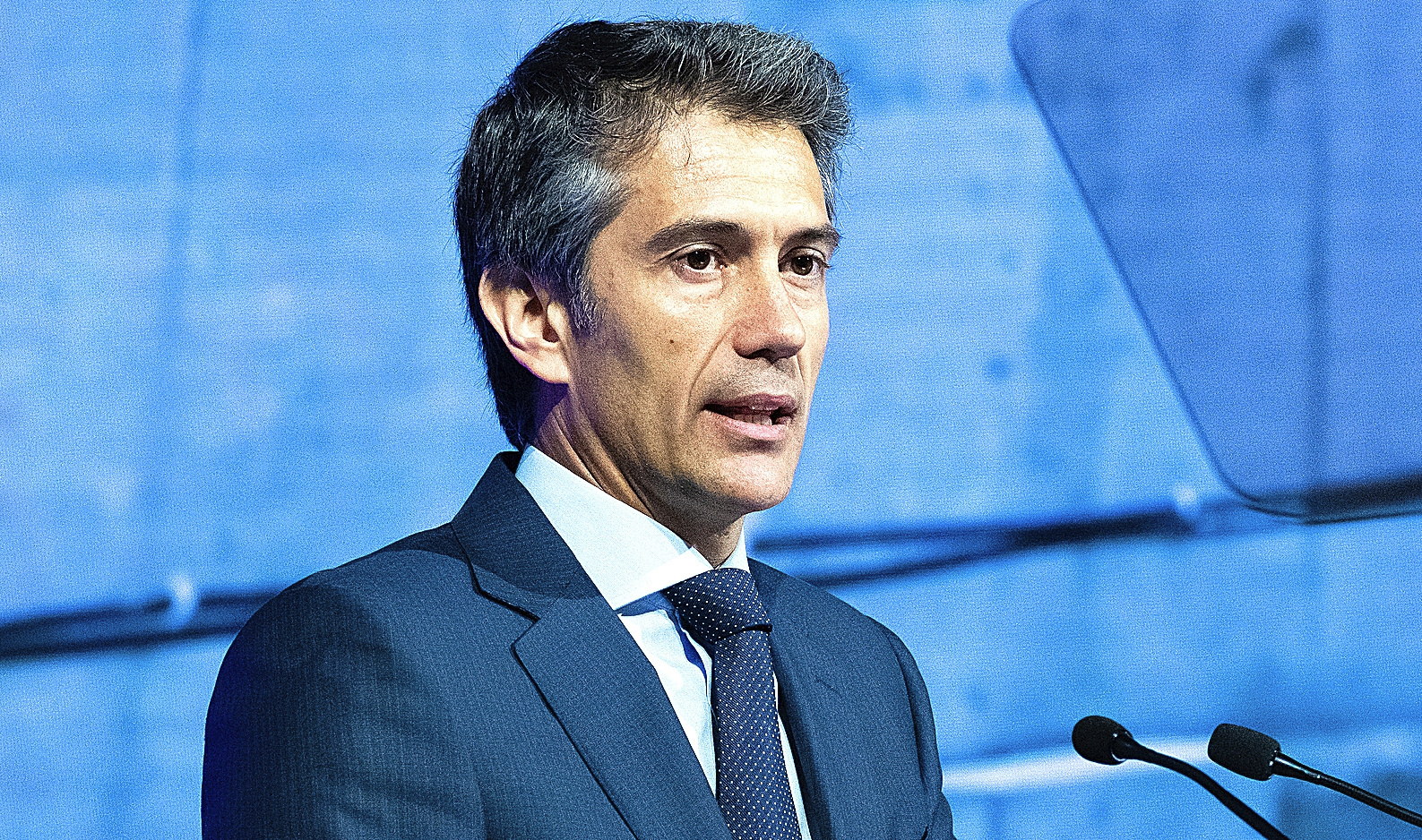
ACS procesa rápido en el sector digital El grupo español ACS ha creado un ecosistema propio donde la inteligencia artificial y demás herramientas digitales ya forman parte de su día a día. Leer
expansion · about 2 months ago
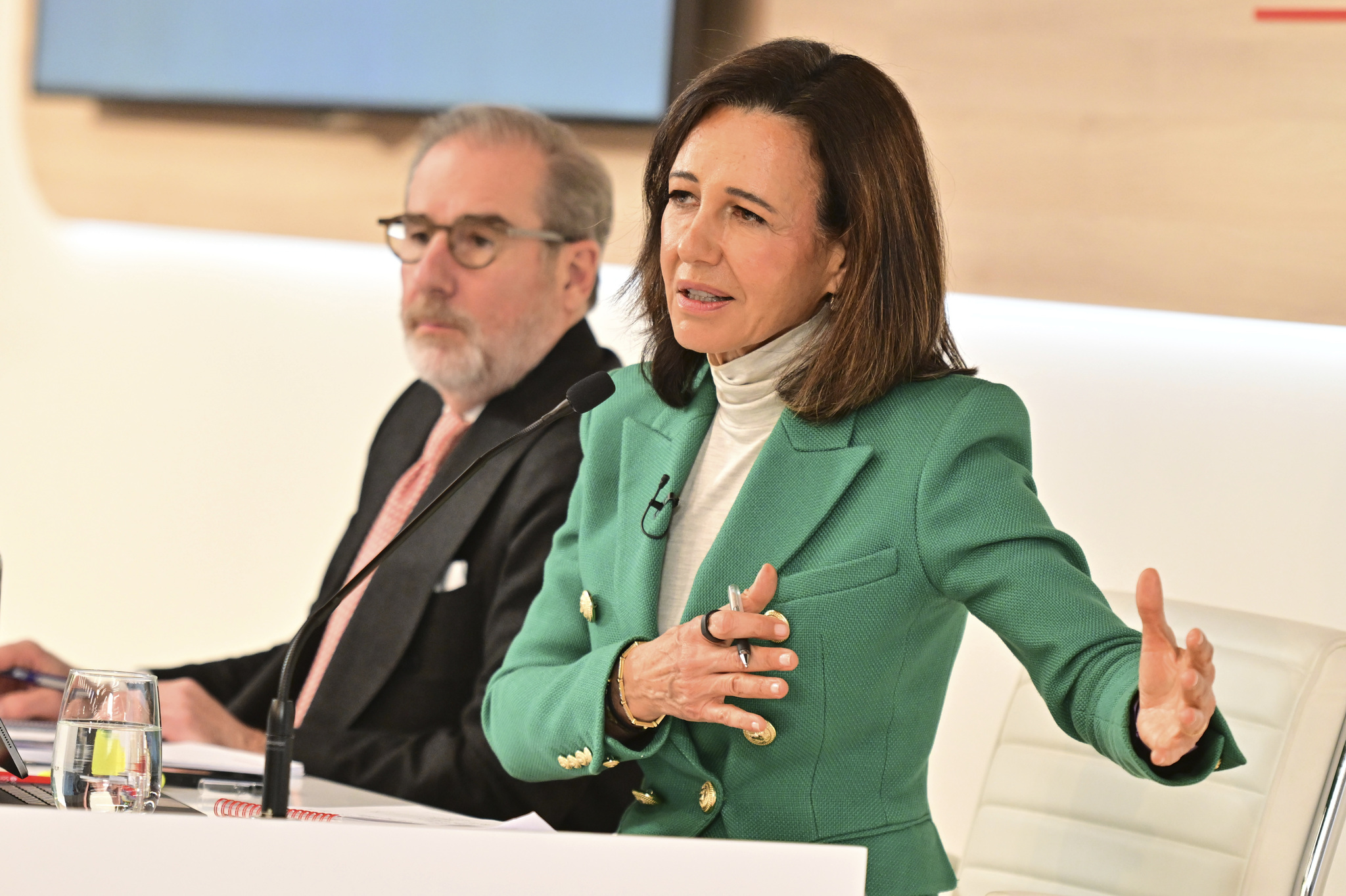
Santander rediseña el bonus de la plantilla para impulsar el plan estratégico Las métricas para determinar el éxito en los objetivos de la retribución variable anual se reducen de nueve a seis. El cambio se extiende a la cúpula, pero excluye a la red y a los banqueros de inversión. Leer
expansion · about 2 months ago