 Wednesday, June 10Wednesday, June 10
France’s justice minister Gérald Darmanin on Wednesday withdrew a contentious “plea-bargain” provision for serious crimes from his criminal-justice reform after the bill was rejected in the National Assembly’s law committee. “It appears necessary to propose to the National Assembly the withdrawal of this measure, in the absence of consensus,” Darmanin told reporters outside the Palais Bourbon, confirming that the government would table an amended text for the full chamber debate later this month.
The surprise climb-down follows a 10 June vote in the committee on criminal justice that rejected the clause allowing defendants accused of felonies to negotiate reduced sentences in exchange for an admission of guilt. The measure had drawn criticism from both the left, which argued it would erode due process, and parts of the right, which feared it would weaken deterrence. “The text was dead on arrival,” said Socialist MP Christine Arrivé. “The minister’s move is a tacit admission that the reform cannot command a majority.”
Darmanin’s original bill aimed to streamline France’s overburdened courts by introducing plea bargaining for crimes carrying up to ten years’ imprisonment, a first in French criminal procedure. The government had argued the change would cut trial backlogs and reduce pre-trial detention, which currently holds 25 % of remand prisoners. But legal scholars warned the measure risked normalising coercive confessions and undermining the presumption of innocence.
The committee rejection came as Darmanin faced broader political headwinds. On Tuesday, the Constitutional Council struck down a separate clause in the same bill that would have allowed prosecutors to extend pre-charge detention from 48 to 96 hours in terrorism cases. The council ruled the extension violated the European Convention on Human Rights.
With the plea-bargain clause now shelved, Darmanin’s reform enters a critical phase. The government must decide whether to reintroduce a watered-down version or abandon the measure entirely before the full chamber vote scheduled for 24 June. Justice ministry officials said they would consult parliamentary groups over the coming days to salvage what remains of the reform.
Legal observers note that France’s criminal code has long lacked any form of negotiated justice, leaving prosecutors with only two stark options: full prosecution or dismissal. “The status quo is unsustainable,” said Paris-II Panthéon-Assas professor Antoine Garapon. “But the government’s zig-zag risks leaving the system in limbo.”

Mauritshuis hoeft topstukken niet terug te geven aan nazaten Bredius, oordeelt de rechter De Haagse rechtbank oordeelt dat het Mauritshuis zelf mag bepalen welke werken uit de verzameling-Bredius het wel en niet exposeert.
nrc · about 5 hours ago

La drôle de rénovation du manoir du Premier ministre suédois Le chef du gouvernement suédois, Ulf Kristersson, est accusé de mélanger intérêts privés et intérêts publics dans le cadre de la rénovation dun manoir quil possède avec son épouse, Birgitta Ed. Une polémique à laquelle se sont greffées des défaillances dans le dispositif de sécurité du dirigeant. Lanalyse de la presse suédoise, entre inquiétude et railleries.
courrier international · about 5 hours ago

En Turquie, une enquête sur un sous-traitant de demandes de visa est censurée par la justice Lenquête journalistique sur un sous-traitant turc chargé notamment de délivrer les visas pour lEurope a été censurée par la justice. La demande pour la création dune commission denquête sur les pratiques douteuses de cette entreprise, Gateway, sest également terminée dans une impasse.
courrier international · about 5 hours ago
Darmanin annonce retirer le «plaider-coupable» criminel de sa réforme de la justice Le texte porté par le garde des Sceaux, rejeté en commission des lois ce mercredi 10 juin, doit être débattu dans lhémicycle à la fin du mois.
liberation · about 5 hours ago
Albaniens Premier sieht sich als Opfer: „Proteste gegen ein Luxusressort sind Dummheit pur [premium] Ein Fremdenverkehrsprojekt an der albanischen Südküste, an dem der Schwiegersohn des US-Präsidenten finanziell beteiligt sein soll, sorgt für Massendemonstrationen.
die presse · about 5 hours ago
»Reichsbürger«-Prozess in Hamburg: »Odin, ich komme nach Walhall!« In Hamburg steht ein 74-jähriger Mann vor Gericht, weil er mit einer Waffe auf Polizisten gezielt haben soll. Ermittler glauben, er gehört zur Szene der Reichsbürger.
die zeit · about 5 hours ago
Putin a semnat legea care permite confiscarea bunurilor rușilor fugiți în străinătate. Criticile la adresa Kremlinului pot fi sancționate cu pierderea proprietăților Președintele Rusiei, Vladimir Putin, a promulgat o lege care permite autorităților să confiște bunurile cetățenilor ruși aflați în străinătate dacă aceștia sunt considerați vinovați de încălcarea intereselor Federației Ruse.
adevarul · about 5 hours ago

Jest prawomocna decyzja sądu ws. Grzegorza Brauna. Zaczęło się od słów o Auschwitz Sąd Apelacyjny w Krakowie zakazał Grzegorzowi Braunowi rozpowszechniania informacji godzących w dobre imię i wizerunek Muzeum Auschwitz-Birkenau. Postanowienie jest efektem procesu o naruszenie dóbr osobistych, który muzeum wytoczyło europosłowi.
gazeta.pl · about 5 hours ago

Muere en Italia un hombre sin herederos y su patrimonio inmobiliario pasa al Estado: "Un tesoro que vale 8.000 millones de euros" La ley establece que, si ningún heredero se presenta o acepta la herencia dentro de los plazos legales, los bienes pasan de forma definitiva al Estado Leer
elmundo · about 5 hours ago
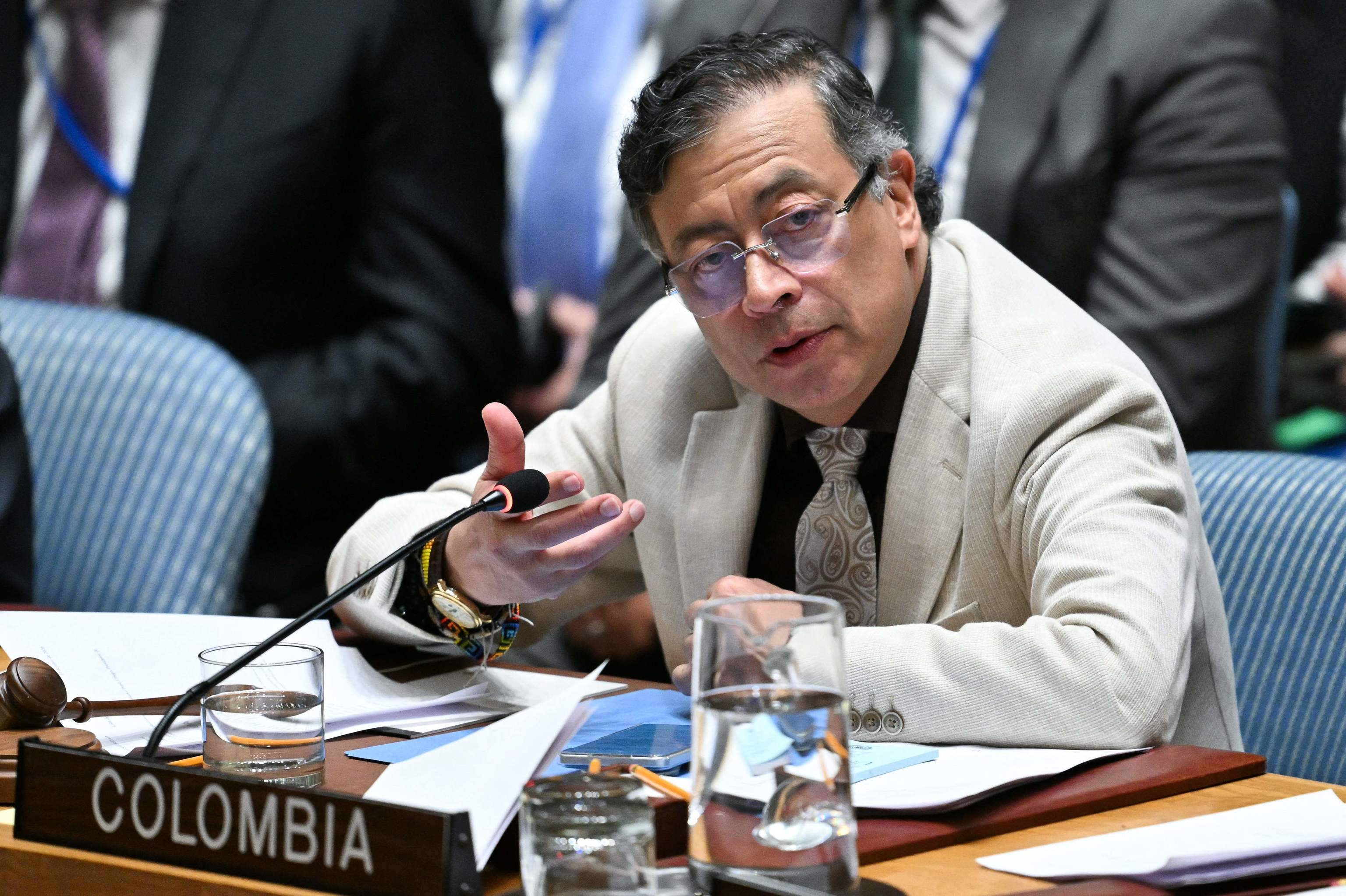
Petro, suspendido de forma provisional como presidente hasta después de las elecciones El ministro del Interior afirma que la Comisión de Investigación y Acusación de la Cámara de Representantes no tiene esta potestad Leer
elmundo · about 5 hours ago
Medici di famiglia, il ministero ritira la riforma. Bertolaso furioso: Vicenda avvilente Incontro tra le Regioni e il capo di Gabinetto di Schillaci: si chiederà ai dottori di fare almeno 6 ore nelle case di comunità. Più avanti faremo una riorganizzazione. Il responsabile della sanità lombarda lascia lincarico di vice coordinatore degli assessori
corriere · about 5 hours ago
ALEKSEI JEVGRAFOV ⟩ Miks ei pöördunud Katri Raik Narva haigla juhi tegevuse pärast keskkriminaalpolitseisse? Esimese astme kohtu otsus tunnistada Ago Kõrgvee vabastamine Narva haigla juhatuse liikme ametikohalt ebaseaduslikuks on kahetsusväärne ja tekitab tõsist hämmingut. Jääb mulje, et omaniku tahte eiramine, ligikaudu 100 000 euro suuruse kahju tekitamine, töölepingu rasked rikkumised, õigusvastased tehingud ning haigla vara kasutamine isiklikel eesmärkidel ei ole piisavad alused juhi ametist vabastamiseks. Vähemalt selline järeldus tekib pärast maakohtu otsusega tutvumist, kirjutab Narva linnavolikogu Keskerakonna fraktsiooni esimees ja Narva haigla nõukogu endine esimees Aleksei Jevgrafov.
postimees · about 5 hours ago
O plajă din Italia a impus restricții pentru anumite categorii de vârstă. „Deci, fie îl aduc pe bunicul, fie trebuie să fac un copil Pe o plajă din Sardinia au fost interzise umbrelele pentru persoanele cu vârste cuprinse între 10 și 65 de ani, scrie The Guardian. Deși este contestată deja de turiști, autoritățile locale motivează măsura ca parte a unei inițiative de protejare a mediului virgin a plajei. Turiștii care vor să ajungă pe plaja Punta Molentis din …
hotnews.ro · about 5 hours ago

Le Prince Lorenz, mari de la princesse Astrid, en rémission dun cancer Le porte-parole du couple princier a confirmé que le prince avait été touché par un cancer. ...
la libre · about 5 hours ago
Marius Borg Høiby flyttas – till ett av Norges värsta fängelser Bonusprinsen Marius Borg Høiby måste byta fängelse.På fängelset han flyttar till finns några av Norges värsta kriminella, rapporterar Dagbladet.
expressen · about 5 hours ago

Italia pierde una obra medieval al confundir un 3 con un 8: de ser un cuadro de escaso valor a valer medio millón de euros Una vez se supo lo sucedido, el Ministerio de Cultura italiano decidió anular la venta y el certificado en marzo de 2023, dos años y medio después, e intentar recuperarlo vía judicialEl robo del trofeo que puso en jaque un Mundial de fútbol y el famoso perro que lo encontró: la apasionante historia de la Copa del Mundo Un cuadro del siglo XIV fue vendido por error por parte del Ministerio de Cultura de Italia, que cometió un fallo a la hora de datar la obra, lo que supuso su venta mediante subasta y fue comprado en Suiza, donde se quedará después de que el Consejo de Estado haya dado la razón a la sociedad que lo compró y ha puesto así a tres años de batalla legal. Según recoge el medio local Il Corriere di Bologna, los hechos ocurrieron en 2020, después de que la obra en cuestión entrara en subasta por un precio de 38.000 euros al creerse de 1850. Actualmente vale más de medio millón de euros y al haberse certificado que data del 1350, y supone el segundo caso similar en Italia en poco tiempo. Se la consideró una obra de escaso valor En 2020, el Ministerio de Cultura subastó la obra La Madonna col Bambino con un valor de 38.000 euros tras considerarla una obra de escaso valor y expedir un documento que autorizaba su exportación fuera de la frontera, es decir, un certificado de libre circulación. Y es que el cuadro se creyó era del 1850 y obra de Alfonso Martorelli Fiori, un pintor de Bolonia. Una identificación que resultó errónea, debido a que se confundió un 3 con un 8, siendo la original la Madonna col Bambino, una obra de 1350 y de autor anónimo, solo conocido por Maestro 1302 y responsable también de piezas de gran valor como el baptisterio de Parma. Así, la pieza superaría el medio millón de euros de valor después de confirmarse correcta la datación hecha después de su venta a Suiza, con un peritaje de la casa de subasta Christies, que han atribuido el error al no haber leído bien la firma en el cuadro. Una vez se supo lo sucedido, el Ministerio de Cultura italiano decidió anular la venta y el certificado en marzo de 2023, dos años y medio después, e intentar recuperarlo vía judicial. Sin embargo, tres años después de lucha legal, el Consejo de Estado ha fallado a favor de la sociedad suiza y la obra se quedará fuera de Italia. Italia ya vendió por error un Vasari de valor incalculable El caso es más grave si tenemos en cuenta que supone el segundo similar con poco tiempo de diferencia. Y es que en enero se puso fin también a una situación similar, en la que se quería recuperar un cuadro tasado de forma errónea y vendido después a Alemania, con el mismo resultado final de que no podrán volver a tener la obra. En este caso fue una pintura de Giorgio Vasari, arquitecto de la corte de la familia Medici en Florencia que se vendió en 2015 a Alemania por 65.000 euros, un valor muy inferior al valor, que se ha afirmado es incalculable. Si bien desde el Ministerio de Cultura decidieron revocar el certificado y recuperar la obra, en este caso tampoco fue posible y el fallo ha supuesto que el cuadro permanezca en el país germano.
eldiario.es · about 5 hours ago
Italiaans strand verbiedt parasols voor mensen tussen de 10 en 65 jaar Het beheer van een strand op het eiland Sardinië heeft een opmerkelijk besluit genomen over parasols. Strandgangers tussen de 10 en 65 jaar mogen die niet meer meenemen. Op sociale media uiten bezoekers hun zorgen over de mogelijke gevolgen voor hun huid.
nu.nl · about 5 hours ago
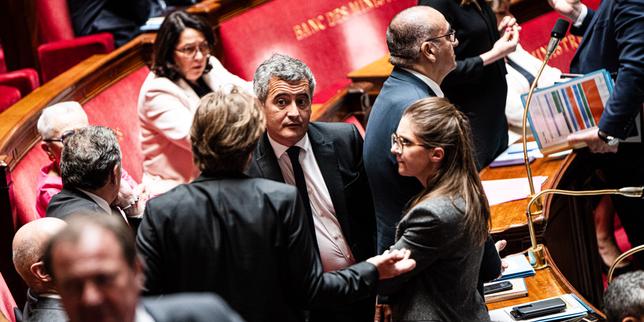
Gérald Darmanin annonce retirer de sa réforme de la justice la mesure instaurant un plaider-coupable en matière criminelle « Il me paraît nécessaire de proposer à la représentation nationale le retrait de cette disposition, faute de consensus », a expliqué le garde des sceaux après le rejet par les députés de son projet de loi de réforme sur la justice criminelle en commission.
le monde · about 5 hours ago
Executive in Istanbul Municipality corruption trial alleges strip-search, threats against children in court testimony A former executive at a municipality-owned company in Istanbul told a court on Tuesday that she was subjected to a strip-search in police custody and threatened with losing custody of her children after asking to consult with her lawyer during a corruption investigation involving officials linked to Istanbuls opposition-run city administration. According to the TR724 […] The post Executive in Istanbul Municipality corruption trial alleges strip-search, threats against children in court testimony appeared first on Stockholm Center for Freedom.
stockholm center for freedom · about 5 hours ago
Jailed opposition mayor of Turkeys fourth-largest city faces 402 years in prison Turkish prosecutors are seeking a sentence of up to 402 years for the jailed mayor of Bursa, Turkeys fourth-largest city, in an indictment accusing him of leading a criminal organization and taking bribes in connection with zoning and construction projects, the state-run Anadolu news agency reported. Mayor Mustafa Bozbey, from the main opposition Republican Peoples […] The post Jailed opposition mayor of Turkeys fourth-largest city faces 402 years in prison appeared first on Stockholm Center for Freedom.
stockholm center for freedom · about 5 hours ago