Loading…
 Saturday, September 26Saturday, September 26
The sudden eruption of Mount Etna on Sunday morning forced the temporary closure of Catania’s airport, Europe’s largest active volcano spewing a 1.5-kilometre-high ash plume that disrupted air traffic across southern Italy. The Italian National Institute of Geophysics and Volcanology (INGV) reported increased activity around 05:45 GMT, with the ash cloud drifting south and south-south-east under prevailing winds. Catania’s airport operator, SAC, announced the closure at 06:45 GMT, initially scheduled to last until 19:00 local time, though operations for departing aircraft already on the ground were maintained. By evening, the airport expected to handle only five arrivals per hour until 21:00 due to the restrictions .
The partial closure of Sicilian airspace over sector B2, south of the volcano, was confirmed by SAC in a statement, citing the ash emissions as the cause. The INGV noted that lava flows observed since late June had ceased by 4 July, but the new ash emission disrupted travel plans for thousands of passengers. Forecast models indicated the ash cloud would continue spreading southward in the coming hours, prompting SAC to urge passengers to check with airlines before heading to the airport .
Etna, standing at approximately 3,350 metres, is Europe’s tallest active volcano and a frequent site of eruptions that attract tourists. The current activity follows a period of heightened monitoring after authorities raised the alert level on 26 June following lava expulsions. The renewed ash emission, though sudden, marks the latest in a series of disruptions to regional travel, with authorities emphasising ongoing surveillance of the volcano’s activity .
In contrast, Romania’s national railway operator CFR Călători reported that train services on the Eforie Nord–Eforie Sud line were temporarily suspended earlier on Sunday due to a broken rail. The interruption began at 13:40 local time, with services resuming at 15:14 after emergency repairs stabilised the affected section. Trains are now operating at a reduced speed of 10 km/h in the area, and a definitive repair involving the replacement of a 7-metre rail segment will be scheduled to minimise further disruption. CFR advised passengers to consult updated timetables for potential delays .
The juxtaposition of natural disaster and infrastructure failure underscores the volatility of travel conditions across Europe on Sunday. While Catania’s airport faces prolonged restrictions, Romania’s rail network has swiftly restored partial service, illustrating the varying scales of disruption caused by environmental and technical incidents. Authorities in both countries continue to monitor developments, with Catania’s airport expected to reassess its closure status as the ash cloud disperses.
Follow us for live European news

Unitatea 1 CNE Cernavodă a fost reconectată la Sistemul Energetic Naţional. Anunțul făcut de Nuclearelectrica Unitatea 1 CNE Cernavodă a fost reconectată duminică dimineaţă la Sistemul Energetic Naţional, după finalizarea programului de oprire planificată, a anunţat Nuclearelectrica, compania de stat care administrează cele două reactoare ale centralei nucleare din Cernavodă.
digi24 · 3 months ago
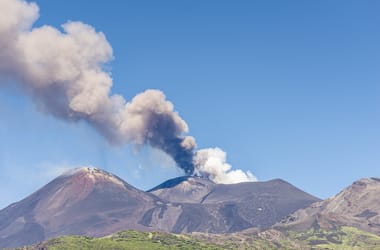
Lezárták Catania repülőterét az Etna mozgolódása miatt Ismét hamut szórt az Etna.
hvg.hu · 3 months ago
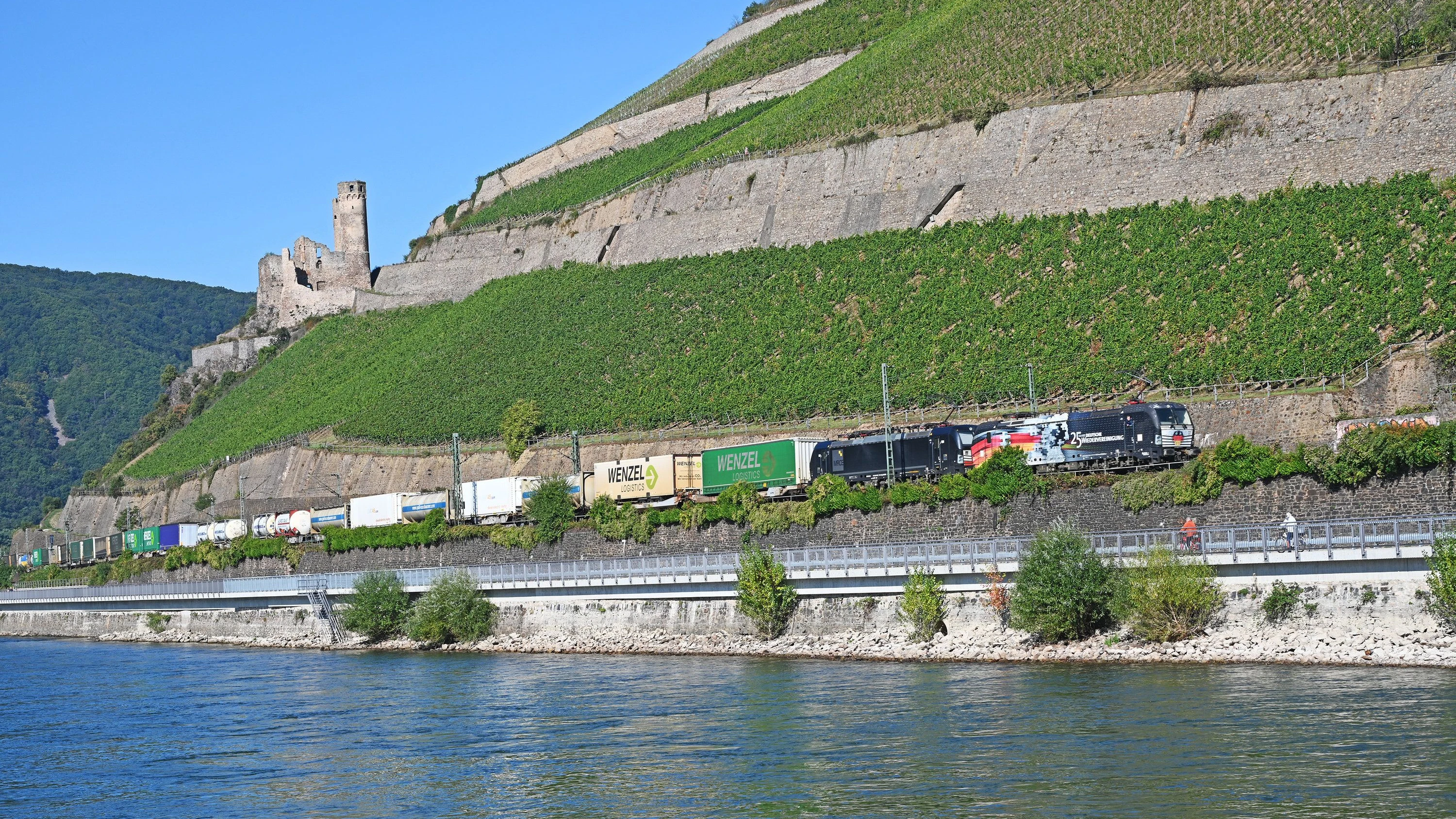
Bahn saniert strecke: Jetzt wird es still im Rheintal Die Sanierung der rechten Rheinstrecke bringt Ruhe und verlangt zugleich Nerven von den Anliegern. Hoffentlich fahren die Züge hinterher verlässlicher.
faz · 3 months ago
O erupție a vulcanului Etna perturbă traficul aerian în sudul Italiei. Coloana de cenușă a urcat la 1,5 kilometri înălțime Activitatea eruptivă recentă a Muntelui Etna, cel mai înalt vulcan activ din Europa, a condus, duminică, la închiderea parţială a spaţiului aerian deasupra insulei Sicilia din sudul Italiei şi, în consecinţă, la restricţionarea operaţiunilor de pe Aeroportul din Catania, ca urmare a emisiilor de cenuşă vulcanică, informează agenţia de presă EFE, preluată de Agerpres. „Din …
hotnews.ro · 3 months ago
Staatsbosbeheer sluit volgend jaar alle buitencentra in natuurgebieden Staatsbosbeheer sluit vanaf 1 januari 2027 alle buitencentra in natuurgebieden. De centra gelden als informatie- en activiteitenpunt in zeven natuurgebieden in Nederland.
nu.nl · 3 months ago
Klatovská ‚gilotina půjde k zemi. Viadukt v Lubech se bude od srpna zvyšovat a rozšiřovat Správa železnic začne v srpnu s rekonstrukcí viaduktu v Lubech u Klatov, kterému se mezi místními přezdívá „gilotina. Často pod ním uvízly kamiony, když jejich řidiči přehlédli značku o výšce mostu. Nový most bude vyšší a širší.
irozhlas.cz · 3 months ago
Staustellen in Potsdam: Mehrere Sperrungen in Richtung Norden Die ersten Ferienbaustellen des Sommers starten in den kommenden Tagen. Betroffen sind in Potsdam vor allem die Nedlitzer Straße und die Jägerallee.
tagesspiegel · 3 months ago
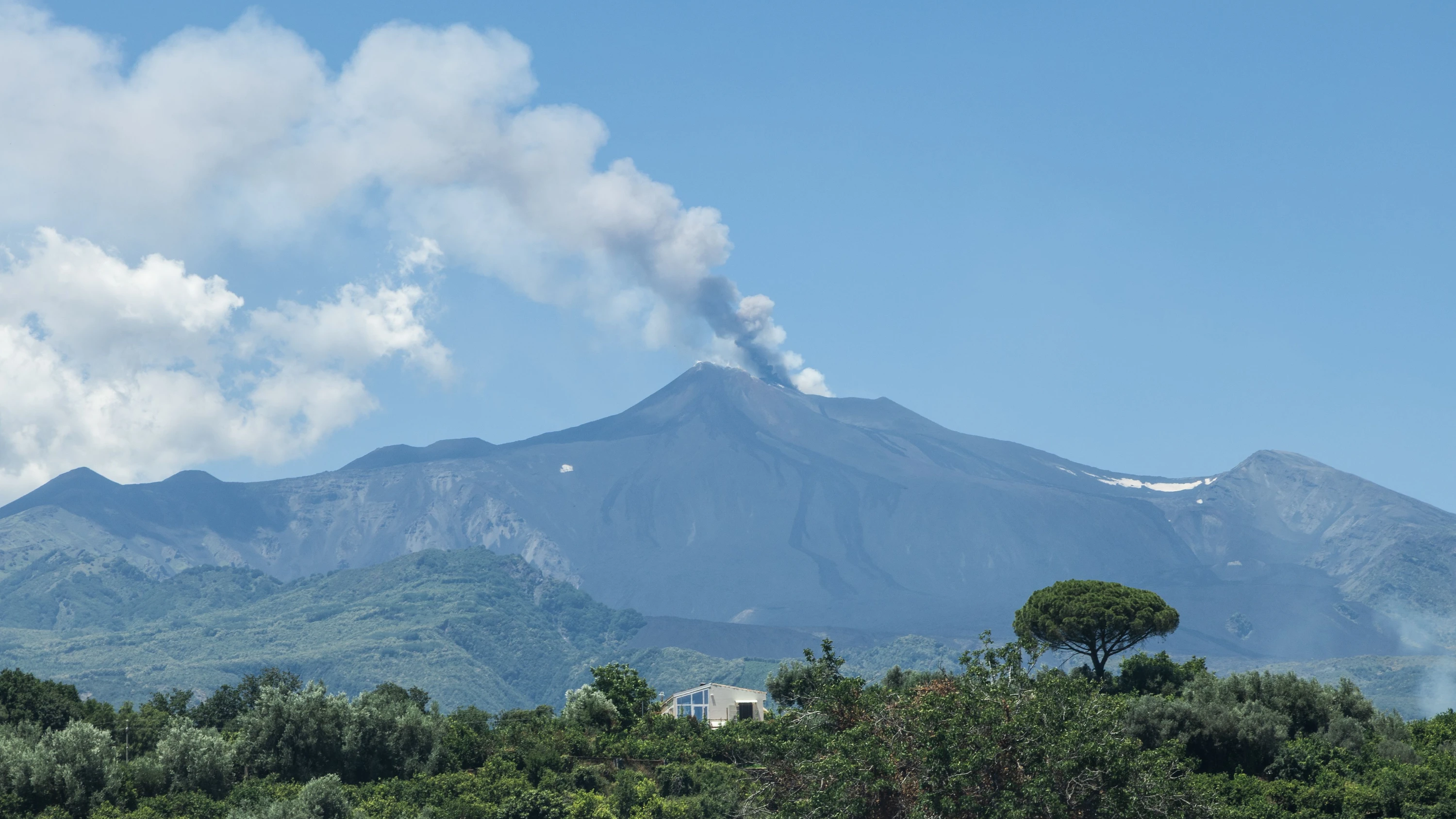
Aktiver Vulkan: Aschewolke des Ätna schränkt Flugverkehr ein Der Betrieb am Flughafen Catania wird durch einen starken Ausstoß des Vulkans auf der italienischen Mittelmeerinsel stark behindert. Auch eine Verbindung nach Deutschland ist betroffen.
faz · 3 months ago
Vulkanausbruch am Ätna schränkt Flugverkehr in Catania ein Eruptionswolke über Europas größten Vulkan sorgt für Betriebseinschränkungen am Flughafen Catania
der standard · 3 months ago
Haos pe calea ferată spre litoral. Circulația trenurilor, blocată între două stațiuni importante din cauza unei șine rupte Circulaţia trenurilor a fost temporar întreruptă pe secţia Eforie Nord - Eforie Sud, din cauza unei şine rupte, a anunțat duminică CFR Călători.
adevarul · 3 months ago

Perturbations possibles à la Stib lundi en raison dune action syndicale Les métros, trams et bus bruxellois pourraient connaître des perturbations ce lundi en raison dune action syndicale, a annoncé dimanche la société bruxelloise de transport en commun, la Stib. ...
la libre · 3 months ago
Circulaţia feroviară, temporar întreruptă din cauza unei şine rupte între Eforie Nord și Eforie Sud. Trafic redeschis, cu restricții Circulaţia trenurilor a fost temporar întreruptă pe secţia Eforie Nord - Eforie Sud, din cauza unei şine rupte.
digi24 · 3 months ago
Ätna rumort, Flughafen von Catania geschlossen
orf.at · 3 months ago
Kiemelték a régi vasúti hidat a Bartók Béla útnál A hidat a Déli Körvasút bővítése miatt kellett kiemelni a helyéről.
444.hu · 3 months ago
Ook maandag geen treinverkeer van Rotterdam naar zuiden door tegenvallers Er rijden ook maandag geen treinen van Rotterdam naar het zuiden van het land door "verschillende tegenvallers" bij de herstelwerkzaamheden aan het spoor. ProRail moet de prognose daarom wéér bijstellen.
nu.nl · 3 months ago
Foreign Ministry has yet to officially receive Russias decision to close certain railway border crossing points - The Baltic Times RIGA - The Ministry of Foreign Affairs has not yet officially received Russias decision to close certain railway border crossings with La......
baltic times · 3 months ago
Russia closes railway border crossings on its borders with Finland, Estonia, and Latvia - The Baltic Times KYIV/RIGA - The Russian government has decided to suspend traffic through several railway border crossings on the borders with Finland, Estonia,......
baltic times · 3 months ago
Vulcanul Etna a erupt din nou. Spațiul aerian din Sicilia, închis parțial Activitatea eruptivă recentă a Muntelui Etna, cel mai înalt vulcan activ din Europa, a condus, duminică, la închiderea parţială a spaţiului aerian deasupra insulei Sicilia din sudul Italiei şi, în consecinţă, la restricţionarea operaţiunilor de pe Aeroportul din Catania.
adevarul · 3 months ago
Ultimo, durante il deflusso i fan invadono i binari della metro C e i treni si fermano È successo alla stazione Giardinetti. Poi il caso delle maniglie di emergenza attivate a Teano e Finocchio
corriere · 3 months ago

CP suspende comboios devido a risco de incêndio Além do calor, o risco de incêndio também perturba a circulação de longo curso
observador · 3 months ago
Netbeheerder zette stroom bij Tilburg korte tijd uit om erger te voorkomen Zondagochtend ging het alarm af in een controlekamer van Enexis in Weert: in de buurt van Tilburg werd heel veel stroom gebruikt. Om schade aan het stroomnet te voorkomen, zette het bedrijf de elektriciteit bij 18.000 huishoudens uit.
nrc · 3 months ago
Vulkan: Asche des Ätna behindert Betrieb am Flughafen Catania
die zeit · 3 months ago
Alta velocità Roma-Milano, fino a sei ore di viaggio per lavori a Firenze. Giani: Emergenza nazionale, saranno giorni di grande difficoltà Tempo di percorrenza raddoppiato per chi sceglie lAlta velocità Roma-Milano e disagi su tutta la linea. Inizia oggi e proseguirà fino alle ore 4 del 10 luglio la deviazione sulla Tirrenica che permetterà i lavori sulla linea principale. Nello specifico, ha fatto sapere Rete ferroviaria italiana (Gruppo Fs) si sta proseguendo con gli interventi per […] Larticolo Alta velocità Roma-Milano, fino a sei ore di viaggio per lavori a Firenze. Giani: Emergenza nazionale, saranno giorni di grande difficoltà proviene da Il Fatto Quotidiano.
il fatto quotidiano · 3 months ago
Stroom tijdelijk uitgeschakeld in Tilburg vanwege dreigende overbelasting Zon achttienduizend klanten zijn zondagochtend korte tijd afgesloten geweest van stroom in de regio Tilburg. Dat kwam door een unieke ingreep van netbeheerder Enexis, die vreesde voor overbelasting op het elektriciteitsnet.
nu.nl · 3 months ago