
U.S. and Colossal Biosciences to sequence genomes of every endangered species

The United States and Colossal Biosciences are launching a joint initiative to sequence the genomes of every endangered species on the planet, a project that will also establish a genomic and cellular BioVault for long-term conservation. The effort, announced on 25 June 2026, marks the first systematic attempt to decode the genetic blueprints of all 15,000 threatened species listed by the International Union for Conservation of Nature (IUCN), with tissue samples to be biobanked for future de-extinction and medical research.
Colossal Biosciences, the biotech firm behind the woolly mammoth de-extinction project, will lead the sequencing work, while the U.S. government will fund and operate the BioVault, a secure repository designed to preserve viable cells and genetic material indefinitely. “This is not just about saving species from extinction—it’s about creating a living archive of Earth’s biodiversity,” said Dr. George Church, co-founder of Colossal Biosciences and a professor at Harvard Medical School. The BioVault will be housed at a federally designated facility in Colorado, with construction slated for completion in 2027.
The initiative responds to a sharp decline in global biodiversity, with one million species now at risk of extinction within decades. Keytruda, a cancer immunotherapy drug, remains Austria’s single largest medication expense, costing €6,800 per 200-milligram dose without discounts , underscoring the financial strain on health systems even as conservation efforts expand. Meanwhile, Estonia is considering broader coverage for a weight-management drug originally developed for Type 2 diabetes, pending a cost-benefit analysis due this fall .
Scientists involved in the genome project argue that the data will unlock new avenues for conservation, from identifying disease-resistant traits in endangered populations to enabling assisted evolution. “We’re moving from crisis response to proactive genetic stewardship,” said Dr. Beth Shapiro, a paleogeneticist at the University of California, Santa Cruz, and a scientific advisor to the project. The first batch of genomes—covering 500 critically endangered species—is expected to be published by December 2026.
Critics, however, question the project’s feasibility and cost, estimated at $500 million over five years. “Sequencing every endangered species is a monumental task, and the BioVault’s long-term viability depends on sustained funding,” said Dr. Jane Goodall, a conservationist and UN Messenger of Peace. Supporters counter that the investment pales in comparison to the economic value of ecosystem services, which the UN values at $125 trillion annually.
The project aligns with broader global commitments, including the Kunming-Montreal Global Biodiversity Framework, which aims to protect 30% of Earth’s land and water by 2030. As sequencing begins this summer, conservationists hope the initiative will serve as a model for international collaboration in the face of accelerating biodiversity loss.
Follow us for live European news
- 3
- 2
- 1
- 1
- 1
- 1
- 1
- 1
- 1
- 1
- 1
- 1
4 further sources not geolocated
Articles

Estonia considers expanding coverage for weight-management drug The Estonian Health Insurance Fund (EHIF) is considering expanding coverage for a Type 2 diabetes drug to patients with obesity, pending a cost-benefit analysis due this fall.
news.err · about 2 hours ago

ICIJ #CancerCalculus partners @profil.at, @papertrailmedia.de and @derstandard.at showed that Keytruda is Austrias single largest medication expense, costing a whopping 6,800 euros per standard 200 milligram dose (about $8,000) without discounts.
bluesky bot · about 2 hours ago

US to create genomic and cellular BioVault for endangered species reut.rs/3R5AywB
bluesky bot · about 2 hours ago
Estonia, Norstat poll: I-EPP: 26 KE-RE|ECR: 23 (-1) SDE-S&D: 15 (+1) RE-RE: 13 EKRE-PfE: 12 (-3) PP→EPP: 7 (+2) E200~RE: 2 EER-G/EFA: 1 +/- vs. 08-14 June 2026 Fieldwork: 15-20 June 2026 Sample size: 1,000 ➤ europeelects.eu/estonia
telegram bot · about 2 hours ago
Why dermatologists are excited about bemotrizinol, the newest sunscreen ingredient to enter the US US sunscreens enter a new age with bemotrizinol
politifact · about 2 hours ago
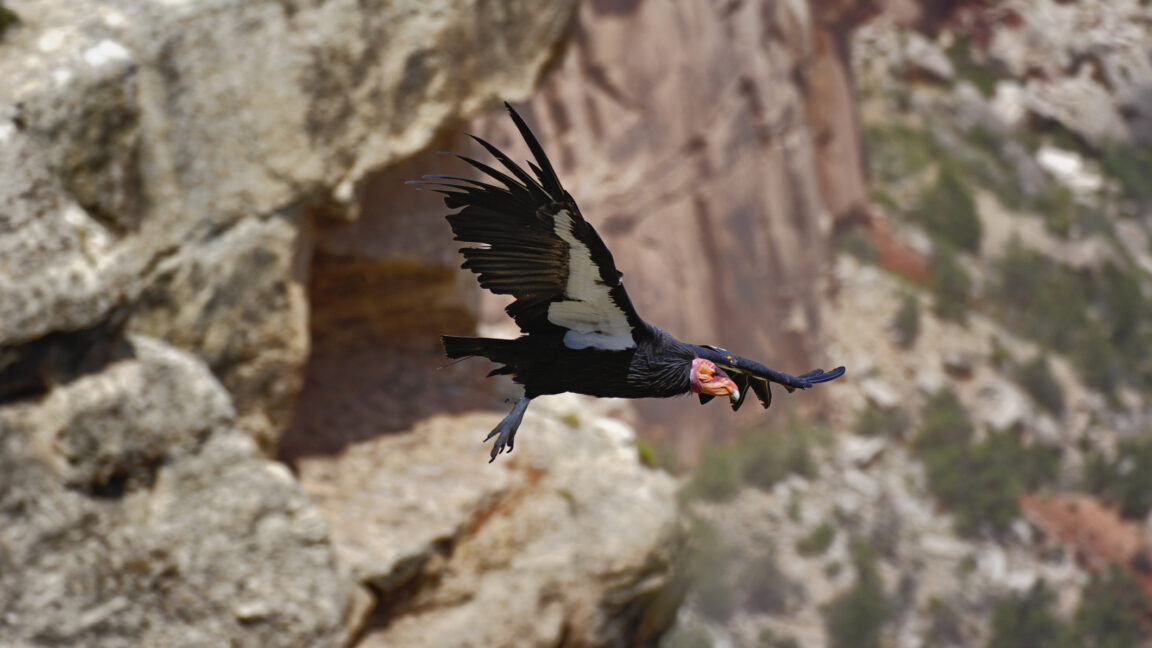
New effort will get genome sequences for entire Endangered Species list Colossal Biosciences will be biobanking tissues from all of them as well.
ars technica · about 2 hours ago
The human side of transformation From healthcare to policing and banking, this years MCA Awards finalists show how tailored technology use can strengthen public services and improve lives
new statesman · about 2 hours ago

Química complexa, impacto real De antibióticos difíceis de produzir a terapias inovadoras, a Hovione usa química complexa e sustentável para levar medicamentos seguros a doentes em todo o mundo.
observador · about 2 hours ago
AVC-ul apare tot mai des la 40-50 de ani. Măsurile care pot preveni aproape 9 din 10 cazuri Accidentul vascular cerebral (AVC) afectează tot mai des pacienți de 40 și 50 de ani, o vârstă la care, până nu demult, un astfel de eveniment era o raritate. Din fericire, aproape nouă din zece cazuri pot fi prevenite, iar măsurile care cântăresc cel mai mult țin de obiceiuri ușor de schimbat. Ce îngrijorează cel …
hotnews.ro · about 2 hours ago
Färre ger blod De senaste åren har andelen personer som ger blod minskat. Förra året var det 2,7 procent vuxna som gav blod.
sverigesradio · about 2 hours ago
Gaza, la beffa borse di studio per lItalia: noi costretti a restare sotto le bombe bloccati dallesame di lingua Mi chiamo Loai Iqtifan e sono uno studente beneficiario di una borsa di studio per la quale sono stato selezionato nellottobre dello scorso anno per proseguire i miei studi presso lUniversità di Ferrara in Italia. Fin dallinizio non mi è stato richiesto alcun certificato di lingua italiana. Lunico requisito era una conferma via e-mail in […] Larticolo Gaza, la beffa borse di studio per lItalia: noi costretti a restare sotto le bombe bloccati dallesame di lingua proviene da Il Fatto Quotidiano.
il fatto quotidiano · about 2 hours ago

Assurance emprunteur : des difficultés dans lapplication de la loi Lemoine, mais les assureurs sengagent à faire des efforts Le Comité consultatif du secteur financier a remis son avis sur lapplication de cette loi de 2022 qui vise notamment à permettre à des personnes atteintes de certaines pathologies davoir plus facilement accès à lassurance emprunteur, dans le cadre dun crédit immobilier.
le monde · about 2 hours ago
Primăria Alba Iulia este executată silit pentru o restanţă de peste 13 milioane de lei către firma care asigură transportul public Primăria Alba Iulia este executată silit pentru o datorie de peste 13 milioane de lei pe care administraţia locală o are către firma care asigură transportul public în municipiu şi care, de peste o săptămână, nu mai prestează acest serviciu. Executorul judecătoresc a iniţiat procedurile în vederea blocării conturilor instituţiei, potrivit News.ro.
digi24 · about 2 hours ago
Genschere gegen Krebs: Schreddermaschine fürs Genom Genscheren sollen präzise arbeiten, um defektes Erbgut zu korrigieren. Forscher haben daraus ein Werkzeug hergestellt, das unerwünschte Zellen schreddert – und so Krebszellen eliminiert.
faz · about 2 hours ago
HKRITA Signs MoU with Jeanologia and Looptworks to Establish the Green Machine Circular Textile Ecosystem, Marking a Breakthrough in Scalable Textile Recycling HONG KONG SAR - Media OutReach Newswire - 25 June 2026 - The Hong Kong Research Institute of Textiles and Apparel (HKRITA) yesterday officially signed a landmark Memorandum of Understanding (MoU) with two key global partners, Jeanologia and Looptworks, to establish the Green Machine Circular ...
the slovenia times · about 2 hours ago

Casillas não recebeu 1,5 milhões da seguradora após enfarte Ex-guarda-redes reclama ainda que o clube suporte a parte das indemnizações que considera não coberta pelo seguro
observador · about 2 hours ago
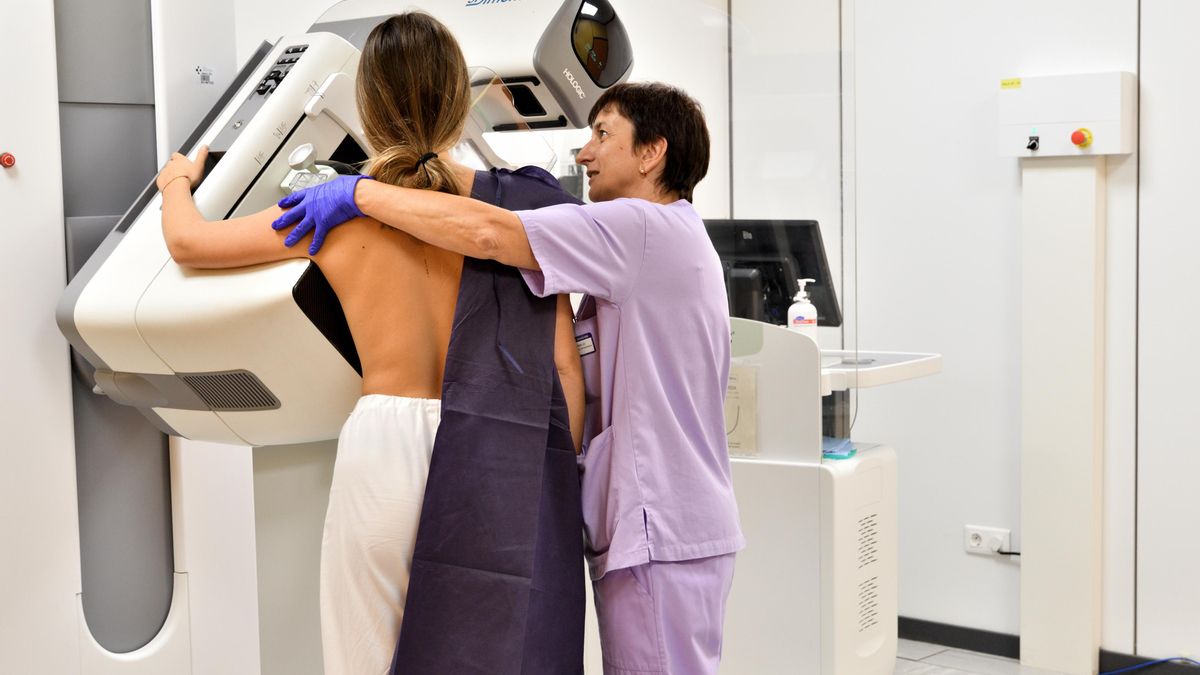
Las mujeres se hacen menos cribados de cáncer de mama que hace una década, sobre todo las más pobres Tan solo el 68 de las mujeres de 50 a 69 años declara haberse hecho una mamografía en los últimos dos años, y las desigualdades entre grupos sociales siguen estando muy presentesSanidad amplía los cribados de cáncer de mama a mujeres de entre 45 y 74 años Las mujeres se hacen menos mamografías que hace nueve años. Si en 2017 el 81,5 de las mujeres de entre 50 y 69 años decía haber pasado por un cribado de cáncer de mama en los 24 meses previos, hoy lo hace el 68. Y esta reducción se ha acentuado más en aquellas que pertenecen a grupos socialmente más desfavorecidos, según el informe sobre detección precoz de cáncer que ha publicado este jueves el Ministerio de Sanidad, elaborado a partir de datos de la Encuesta de Salud de España 2023, que analiza la evolución de diferentes pruebas de detección entre la población. El informe ofrece datos sobre los cribados de cáncer de mama, que siguen en niveles muy inferiores a 2017. Esta reducción ha sido más pronunciada entre mujeres de grupos socialmente más desfavorecidos, lo que agranda la brecha en salud: mientras las mujeres de grupos más favorecidos mantienen coberturas cercanas al 75-77, aquellas en situación más desfavorecida se sitúan en torno al 60-62. Según datos de la Sociedad Española de Oncología Médica (SEOM), en 2024 se diagnosticaron 36.395 nuevos casos de cáncer de mama, lo que lo sitúa como el tumor más frecuente entre las mujeres en nuestro país. Aproximadamente el 30 de los cánceres diagnosticados en mujeres se originan en la mama, y su tasa de incidencia es de 132 casos por cada 100.000 habitantes. Además, la franja de los 45 a 65 años es donde se dan la mayoría de los casos. De hecho, uno de cada 10 cánceres de mama en España se diagnostican en mujeres menores de 50 años. Ante este dato, en mayo de este año, la Comisión de Salud Pública amplió los cribados de cáncer de mama a mujeres de entre 45 y 74 años, y dio a las comunidades un plazo máximo de seis años para alcanzar una cobertura cercana al 100 en los nuevos grupos de edad. En general, cuanto antes se realice el diagnóstico, más probable será la curación de la enfermedad, indican. Según los datos de la Asociación Española contra el Cáncer, las posibilidades de curación de los cánceres de mama que se detectan en su etapa más precoz son prácticamente del 100. Respecto a otros tipos de cáncer, también ha caído la detección precoz del cáncer de cuello uterino, especialmente entre mujeres jóvenes de 25 a 34 años. Además, se aprecia de nuevo una desigualdad social: las mujeres de grupos más favorecidos presentan coberturas superiores al 80, mientras que en los grupos más vulnerables se sitúan por debajo del 70. En 2023, el 75,6 de las mujeres de 25 a 64 años afirmó haberse hecho una citología vaginal en los últimos cinco años, una cifra que había rozado el 80 hasta 2017. El informe del Ministerio de Sanidad también incluye datos sobre la utilización de la prueba del virus del papiloma humano, VPH, como herramienta de detección precoz del cáncer de cuello uterino. En 2023, el 25,6 de las mujeres de 35 a 65 años confirmó haberse hecho esta prueba en los últimos cinco años, mientras que más del 70 afirma no habérsela hecho nunca. Respecto a la detección precoz del cáncer colorrectal, el 45,2 de la población de 50 a 69 años no se ha hecho nunca una prueba de sangre oculta en heces. Esta proporción alcanza casi un 60 entre extranjeros, y supera el 50 en determinados grupos socialmente más desfavorecidos. Este es el único caso en el que su uso ha aumentado: en 2023, el 38,7 de la población de 50 a 69 años declaró haberse realizado una prueba en los últimos dos años, frente al 3,4 registrado en 2009.
eldiario.es · about 2 hours ago
Colossal and the US Government Are Creating an Endangered Species BioVault The move comes as the Trump administration is trying to weaken the act thats meant to protect endangered species from going extinct in the first place.
wired.com · about 2 hours ago
Hallott már a nagy sonkakagylóról? Épp most próbálják megmenteni a kihalástól Laboratóriumi körülmények között próbálják megmenteni Horvátországban a kihalás szélére került nagy sonkakagylót, a Földközi-tenger legnagyobb kagylófaját, amely néhány év alatt szinte teljesen eltűnt az Adriai-tengerből – írja a horvát sajtó.
hvg.hu · about 2 hours ago
Borzalmasak a várólistás adatok: 85 napot kell várni egy endokrinológiai vizsgálatra Felmérték, hogy mennyi időt kell várniuk a betegeknek átlagosan, hogy bejussanak egy szakrendelőbe: bőrgyógyászati vizsgálatra már csaknem két hónapot, míg egy kardiológusra 54 napot.
hvg.hu · about 2 hours ago

Külsős cégnek mutatja meg a Samsung az egészségügyi adatokat, amiket a viselhető eszköze rögzít A Samsung az Alcedis nevű céggel kötött együttműködési megállapodást, aminek köszönhetően értékes egészségügyi információkhoz juthatnak a kutatók.
hvg.hu · about 2 hours ago
Verteidigung: Nur 530 Freiwillige für die Bundeswehr Nach 300 000 Fragebögen an alle 18-Jährigen lässt ein erstes Zwischenergebnis befürchten: Ohne Wehrpflicht könnte es schwierig werden, die Bundeswehr wie geplant zu vergrößern.
sueddeutsche · about 2 hours ago

US prices for new drugs fell in 2025 as fewer costly gene therapies were launched reut.rs/4eH9lrI
bluesky bot · about 2 hours ago
Künstliche Befruchtung: Nur drei dieser zehn IVF-Behandlungen wirken Kliniken verkaufen zahlreiche Zusatzleistungen, die die Chance auf ein Baby erhöhen sollen. Forscher haben zehn davon geprüft – und nur für drei einen Nutzen gefunden.
tagesspiegel · about 2 hours ago