
German far-right AfD and BSW deepen ties ahead of eastern state elections

Story Timeline
2 months · 4 summary articles
Germany’s far-right Alternative for Germany (AfD) and Sahra Wagenknecht’s Bündnis Sahra Wagenknecht (BSW) deepened their political cooperation on Tuesday, marking a strategic shift that risks eroding Germany’s post-war consensus against far-right influence in government. In a letter published on 30 June 2026, the BSW openly sought closer ties with the AfD ahead of state elections in eastern Germany, a move condemned by mainstream parties as a dangerous departure from democratic norms . The rapprochement comes as polls show the AfD gaining ground, with a Forsa survey placing the party at 26% nationally, just four points behind the CDU/CSU .
The BSW’s overtures, including an invitation to AfD leader Alice Weidel for a joint campaign event, signal a deliberate blurring of ideological lines. Commentators warn the alliance could normalise far-right participation in governance, particularly in eastern states where both parties are expected to perform strongly in upcoming ballots . “This is not just a tactical manoeuvre—it’s a fundamental challenge to Germany’s democratic firewall,” said political scientist Herfried Münkler in remarks to *Die Zeit* .
The timing is critical as NATO prepares for its July summit in Ankara, where European allies face pressure to counter Russian aggression while managing internal divisions. German Defence Minister Boris Pistorius, speaking on 29 June, reaffirmed Berlin’s commitment to collective defence but declined to comment on the BSW-AfD rapprochement, citing ongoing electoral sensitivities . Meanwhile, EU partners are closely watching Berlin’s response, with French President Emmanuel Macron privately expressing concern over the erosion of Germany’s pro-European consensus .
Domestically, the shift has triggered backlash. The SPD and Greens accused the BSW of betraying democratic values, while the AfD framed the collaboration as a necessary corrective to Berlin’s “failed migration policies.” Analysts note the BSW’s gambit reflects desperation to regain relevance after polling at just 3% nationally, down from 12% in May 2025 . “They’re gambling that proximity to the AfD will translate into votes,” said *Süddeutsche Zeitung* columnist Heribert Prantl. “But history suggests the opposite: far-right alliances rarely end well for their junior partners.”
With eastern German state elections looming and the AfD’s influence growing across Europe—where it now leads the far-right European Sovereign Nations (ESN) group in the European Parliament—the BSW’s overtures risk reshaping Germany’s political landscape ahead of federal elections in 2027 . For now, the “brandmauer”—the post-war taboo against cooperation with far-right parties—stands cracked, if not yet broken.
Follow us for live European news
- 4
- 3
- 3
- 1
- 1
- 1
- 1
- 1
6 further sources not geolocated
Articles

The baton passes to Ireland with a legacy The Republic of Cyprus, our country, is handing over the Presidency of the European Union to Ireland. It has been a long journey of one hundred and eighty-one days, and the overall assessment is positive. This is not our view, but that of our EU partners as well as the institutions themselves. During this six-month […]
in-cyprus · about 2 months ago
The Session on the Election of a new High Representative in BiH began in Sarajevo The session of the Governing Board of the Peace Implementation Council (PIC) in Bosnia and Herzegovina (BiH) began today in Sarajevo, where the election of a new high representative in BiH is being considered. The members of the PIC Board of Directors held a meeting at the beginning of June, where Kristijan Šmits successor was […] The post The Session on the Election of a new High Representative in BiH began in Sarajevo appeared first on Sarajevo Times.
sarajevo times · about 2 months ago
Planul pentru care PSD și PNL au căzut de acord. Data la care parlamentarii ar putea fi chemați la vot Intrați în vacanță în plin blocaj politic, parlamentarii se așteaptă să fie chemați înapoi la București. Fie că e vorba despre instalarea unui nou guvern, fie despre restanțele din PNRR, senatorii și deputații se pregătesc de sesiune extraordinară. Deocamdată, planurile concrete se fac pentru Planul Național de Redresare și Reziliență, unde există un acord politic. …
hotnews.ro · about 2 months ago

AfD-Vorsprung schmilzt – Union liegt erstmals seit Wochen bei politischer Kompetenz vorn Die AfD verliert laut einer Umfrage an Zustimmung, der Vorsprung zur Union beträgt noch vier Prozentpunkte. Die Linke holt derweil auf und liegt nun gleichauf mit der SPD. Die Unzufriedenheit mit Merz bleibt groß.
welt.de · about 2 months ago
Wagenknechts BSW nähert sich der AfD: Kuschelkurs auf Armlänge „Kontroverse Debatte und eine Expertenregierung „unter Einbindung der AfD: In einem Brief sucht das BSW offen die Nähe zur AfD – und markiert damit endgültig einen riskanten Strategiewechsel.
tagesspiegel · about 2 months ago
Ankara NATO summit will be strongest platform for sharing experience President Recep Tayyip Erdoğan has declared that the July NATO summit in Ankara will serve as the strongest platform for sharing experience. He urged the establishment of an unconditional security and defence network across the alliance and called for results in the Russia-Ukraine war through dialogue.
yenisafak · about 2 months ago
Erdoğan, Merz discuss bilateral ties and NATO summit agenda President Recep Tayyip Erdoğan and German Chancellor Friedrich Merz held a phone call to discuss bilateral relations, regional and global issues. Erdoğan stressed the importance of mutual steps to strengthen ties and expressed Türkiyes expectation of a strong commitment at the upcoming NATO summit in Ankara.
yenisafak · about 2 months ago
Canada deploys largest Europe force in 30 years ahead of NATO summit Canadian Prime Minister Mark Carney told NATO Secretary General Mark Rutte on Monday that Ottawa has deployed its largest sustained military presence in Europe in over three decades, highlighting that defense spending has hit the alliances 2 GDP target for the first time since the Cold War ended.
yenisafak · about 2 months ago
Zusammenarbeit von BSW und AfD: Wagenknecht will endlich mal wieder mit Weidel reden Die Wagenknecht-Partei BSW lädt AfD-Chefin Weidel vor den Landtagswahlen in Ostdeutschland zum „Anti-Brandmauer-Gipfel ein. Es geht um Aufmerksamkeit. mehr...
taz.de · about 2 months ago
BSW-Brief an die AfD: Bündnis Sahra Weidelknecht Die Wagenknecht-Partei knüpft ihr politisches Überleben an die AfD. Ein verzweifelter und gefährlicher Schrei nach Aufmerksamkeit vor den Ostwahlen. mehr...
taz.de · about 2 months ago
Annäherung BSW und AfD: BSW schickt Kuschelbrief an die AfD Das BSW möchte gemeinsame Wahlkampfveranstaltungen mit der AfD machen. Beide Parteien würden „aus unterschiedlichen Gründen vom Mainstream bekämpft mehr...
taz.de · about 2 months ago
Parlamentul a aprobat „mecanismul apei, reforma din PNRR care ar putea aduce investiții de 2,5 miliarde de lei în următorii 15 ani Camera Deputaților a adoptat, marți, în calitate de for decizional, legea privind „mecanismul apei, una dintre reformele asumate prin Planul Național de Redresare și Reziliență (PNRR), care introduce un nou mecanism economic pentru gestionarea resurselor de apă și pentru finanțarea pe termen lung a infrastructurii de gospodărire a apelor. Potrivit Ministerului Mediului, Apelor și Pădurilor (MMAP), aplicarea noilor prevederi ar putea genera aproximativ 2,5 miliarde de lei pentru investiții în infrastructura de apărare împotriva inundațiilor în următorii 15 ani. Actul normativ urmează să fie transmis președintelui României pentru promulgare.
digi24 · about 2 months ago
Ambasadorul SUA la București: România are un rol strategic în Marea Neagră și a contribuit la evitarea unei crize alimentare globale Ambasadorul Statelor Unite în România, Darryl Nirenberg, a declarat că regiunea Mării Negre are o importanță strategică pentru NATO, subliniind că România a avut un rol esențial în facilitarea exporturilor de cereale din Ucraina după declanșarea războiului.
adevarul · about 2 months ago
7 riscuri majore pentru România Cu o săptămână înaintea summitului NATO de la Ankara, România nu are guvern legitim, iar credibilitatea ei în interiorul Alianței e pe muchie de cuțit după o decizie judecătorească care ar putea avea consecințe grave.
adevarul · about 2 months ago

Germanys far-right AfD party sees 40 per cent surge in potential extremist members Germanys intelligence service warned Alternative for Germany (AfD) now has 28,000 individuals considered to pose a risk of right-wing extremism
independent · about 2 months ago
In Ankara, Europe Faces an Accelerating U.S. Decoupling From NATO | Council on Foreign Relations
gdeltproject.org · about 2 months ago
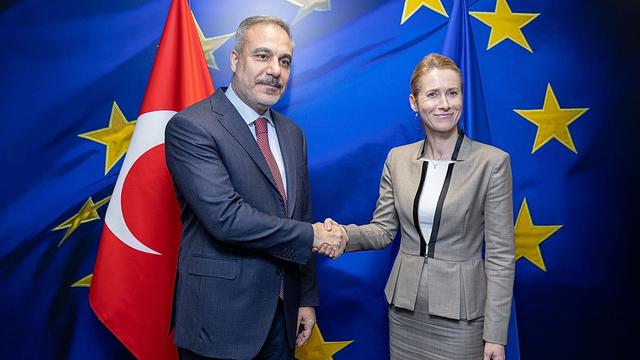
While #Turkiye ruthlessly cracks down on human rights ahead of the #NATO summit, EU leaders are in Ankara today to discuss deepening cooperation on trade, migration, and defence 🧵
mastodon bot · about 2 months ago
Germany, INSA poll: AfD-ESN: 29 CDU/CSU-EPP: 22 GRÜNE-G/EFA: 13 SPD-S&D: 12 LINKE-LEFT: 10.5 (+0.5) FDP-RE: 4 BSW-NI: 3.5 (+0.5) +/- vs. 22-26 June 2026 Fieldwork: 26-29 June 2026 Sample size: 2,006 ➤ europeelects.eu/germany
telegram_Europe Elects · about 2 months ago
Is there a future for the European diplomatic service? In 2011 the European External Action Service was launched by the EU to give the European Union its own diplomatic service which could propel its voice on the world stage. However, that voice was not given its own liberties and had to answer to the European Commission. The European External Action Service (EEAS) is the […]
in-cyprus · about 2 months ago
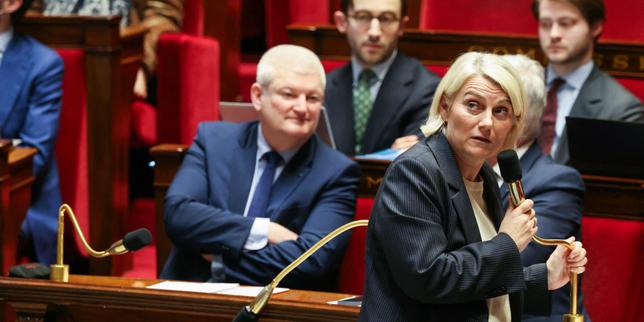
Fin de vie : la proposition de loi créant un droit à laide à mourir approuvée pour la troisième fois par lAssemblée Les députés ont approuvé, en troisième lecture, la proposition de loi créant un droit à laide à mourir pour des patients atteints dune affection grave et incurable. Le vote final aura lieu le 15 juillet.
le monde · about 2 months ago

La Hongrie peut-elle passer à leuro dici à 2030 ? Défenseur de la monnaie unique, le Premier ministre Peter Magyar ambitionne de faire entrer le pays dans lantichambre de la zone euro dici à la fin de son mandat. Si la tâche est réalisable, les obstacles restent nombreux, car la Hongrie doit encore se remettre de la politique économique hasardeuse du pouvoir précédent, avertissent médias et experts.
courrier international · about 2 months ago
Erdogan cere includerea Turciei în noile planuri de apărare ale Europei. Ankara vizează accesul la fondul european de 150 de miliarde de euro Președintele Turciei, Recep Tayyip Erdogan, a cerut ca Ankara să fie inclusă în toate inițiativele europene privind apărarea și securitatea, susținând că rolul țării sale în protejarea continentului este adesea subestimat.
adevarul · about 2 months ago
Parlamentul a adoptat un pachet de legi pentru PNRR. Ilie Bolojan: „Evităm penalizări financiare de peste 2,7 miliarde de euro Premierul interimar Ilie Bolojan a anunțat că Parlamentul a adoptat, marți, un pachet important de legi necesare îndeplinirii jaloanelor asumate de România prin Planul Național de Redresare și Reziliență (PNRR).
adevarul · about 2 months ago
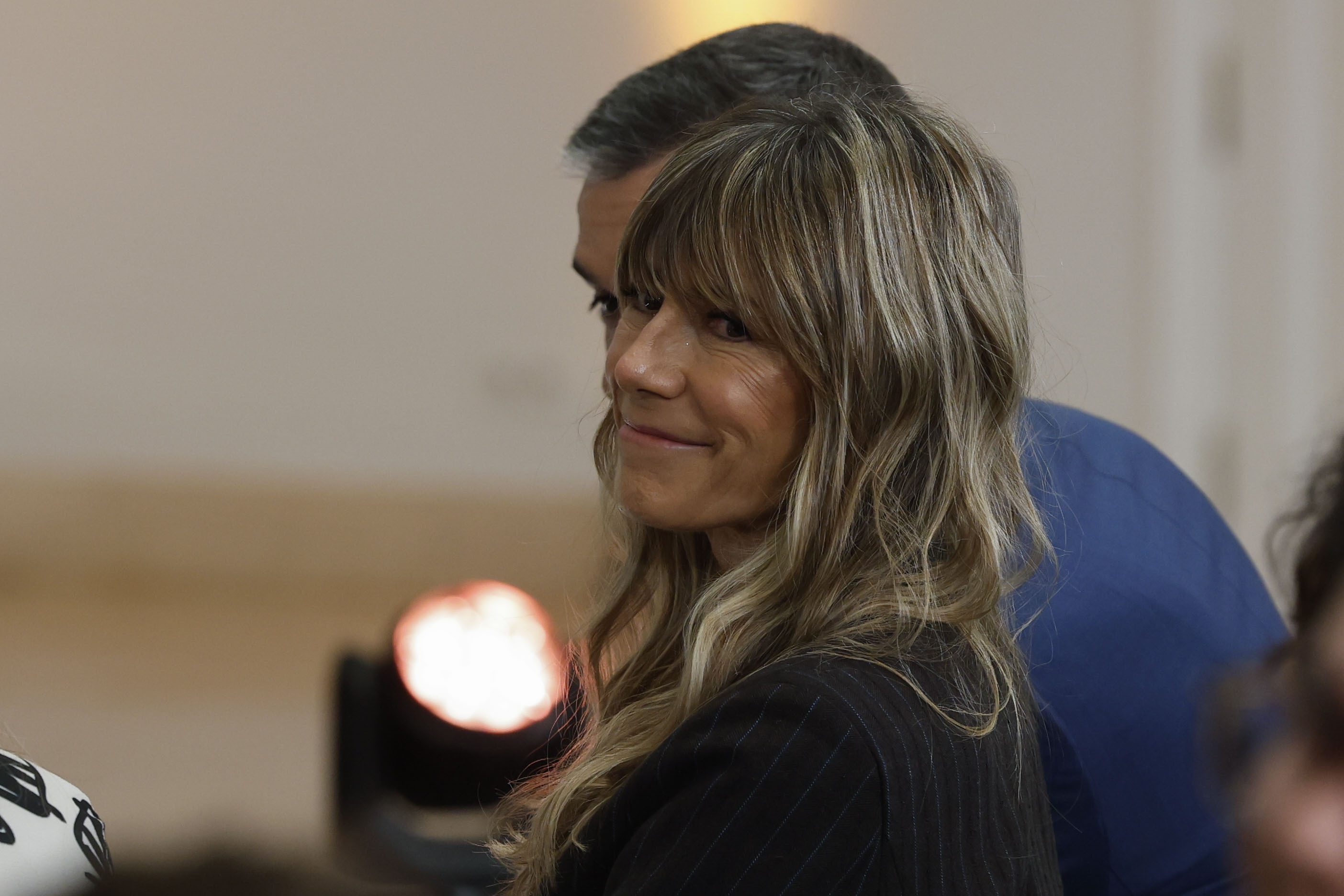
Begoña Gómez pide autorización al juez Peinado para viajar a la cumbre de la OTAN en Ankara y a la graduación de su hija en Londres La esposa del presidente del Gobierno solicita la devolución provisional del pasaporte que el magistrado le retiró por riesgo de fuga Leer
elmundo · about 2 months ago
AfD und BSW: Wie Sahra Wagenknecht um Alice Weidel wirbt Das BSW versucht, mit einem Angebot zu locken: Parteigründerin Wagenknecht könne vor den Landtagswahlen im September öffentlich mit der AfD-Chefin diskutieren. Geht es dabei nur um Aufmerksamkeit?
sueddeutsche · about 2 months ago
Estonian diplomat: NATO Ankara summit will focus on defense industry bottlenecks NATOs history is defined by a cycle of crises and adaptations, says Estonian envoy to NATO Jüri Luik. The alliance is currently transitioning toward "NATO 3.0," a strategic return to its original roots of territorial defense.
news.err · about 2 months ago
Meet your MEP! Behind the scenes of the European Parliament You might know that the European Parliament is the only directly elected institution in the EU, and that it plays a crucial role as a co-legislator with the EU Council. But what does an MEP actually do? We meet three Belgian MEPs from contrasting political ideologies and parties. Through them, we explore some of the key European issues that they are working on.
france24 · about 2 months ago
Seimas votes to appoint Sinkevičius as new PM Lithuanias parliament on Tuesday approved the appointment of Social Democratic Party leader Mindaugas Sinkevičius as the countrys new prime minister following changes in the governing coalition.
lrt · about 2 months ago

#Poland is one of the most restrictive countries in Europe for #LGBTQ rights. Neither marriages nor civil partnerships for same-sex couples are legal there. But as of late May, Poland has legalised the recognition of same-sex marriages performed in third countries, following a ruling by the European Court of Justice. As a result, Polish same-sex couples have been rushing to organise weddings outside the country. FRANCE 24s Adrien Sarlat reports, with Gulliver Cragg.#EU
mastodon bot · about 2 months ago

EU foreign policy chief Kaja Kallas is due to meet Turkish President Recep Tayyip Erdoğan on Tuesday ahead of a critical NATO summit in Ankara next week, according to two EU officials familiar with her plans.
bluesky_Politico Europe · about 2 months ago