 Saturday, June 20Saturday, June 20
9 days · 3 summary articles
U.S. slams Cubas economic reforms as 'superficial smokescreen'
Cuba approves sweeping economic reforms to avert collapse and preserve socialism
US Defence Secretary warns Cuba: any weapons reaching America will trigger confrontation
The United States sharply criticised Cuba’s sweeping economic reform package on Friday, calling it a “superficial smokescreen” adopted the day before by the island’s National Assembly. In a series of coordinated statements, the US State Department dismissed the 176 measures—hailed by Havana as a radical overhaul—as “modest, long overdue and a superficial signal” from a government it accused of maintaining authoritarian control.
The Cuban parliament approved the reforms on Thursday, 19 June 2026, in a session broadcast nationwide. The package includes decentralisation of state enterprises, expanded private-sector rights, and currency unification measures aimed at addressing chronic shortages and inflation. Yet within hours, Washington had labelled the plan an “ecran de fumée,” echoing French, Dutch, and German media that described it as a “rookgordijn” or “Handbuch der Diktatur.”
A senior US State Department official, speaking on condition of anonymity, told reporters that the reforms “do not address the structural issues that keep Cubans in poverty.” The official added that Washington would “continue to exert pressure” through existing sanctions and diplomatic channels.
Cuban state media countered that the measures represent the most ambitious liberalisation since the 1990s “Special Period,” with President Miguel Díaz-Canel insisting they would “modernise socialism without renouncing its principles.” Economists inside and outside the country remain divided: some see the reforms as a pragmatic response to collapsing Soviet-era subsidies and US embargo tightening, while others argue they are cosmetic changes designed to placate international donors without ceding real power.
The timing of the US response—just 24 hours after the National Assembly vote—reflects the Biden administration’s hardened stance following months of stalled negotiations over human rights and migration. On Friday, the US also renewed its warning against Cuban military involvement in Venezuela, linking the two crises in a single policy statement.
Analysts note that the Cuban government faces a narrowing window to prove the reforms’ credibility. The International Monetary Fund has already signalled it will not disburse new credit until Havana demonstrates tangible steps toward market liberalisation and debt transparency. With the island’s foreign reserves depleted and blackouts returning to Havana, the stakes could not be higher.
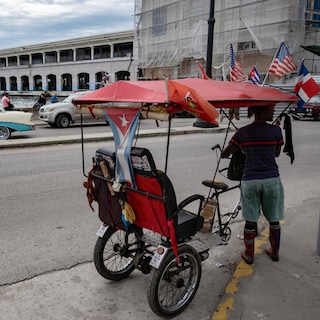
VS noemen economische hervormingen Cuba oppervlakkig rookgordijn
de volkskrant · about 3 hours ago
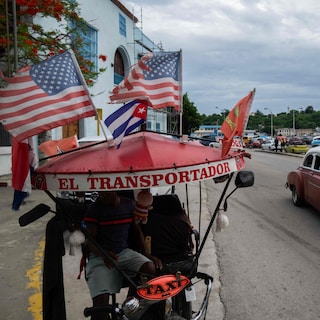
Live - Verenigde Staten noemen hervormingen in Cuba rookgordijn
de morgen · about 4 hours ago
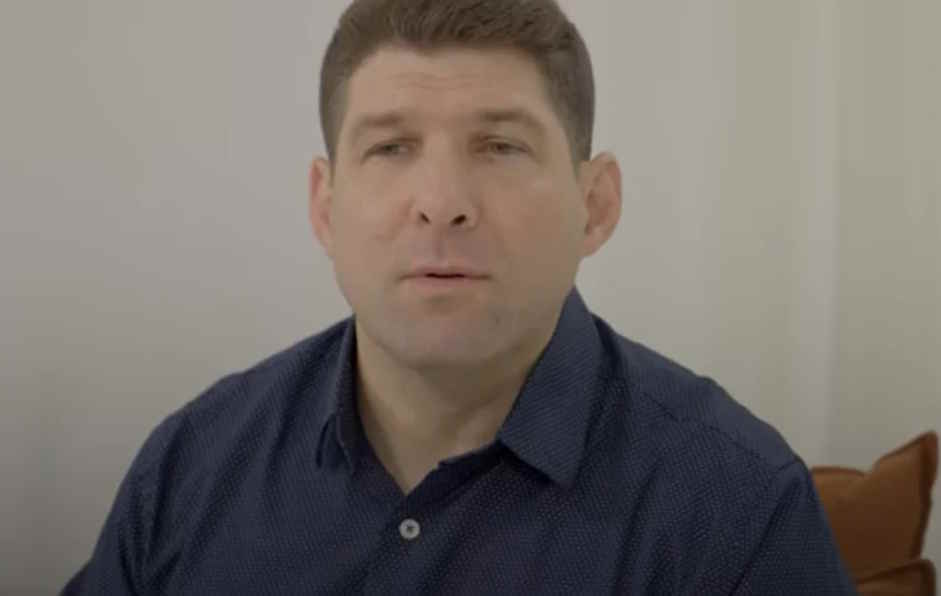
Habla el nieto de Raúl Castro por primera vez: "No hay razón para que EEUU agreda militarmente a Cuba" Leer
elmundo · about 4 hours ago

USA inte nöjt med Kubas reformer: Röksignaler Det amerikanska utrikesdepartementet kritiserar de ekonomiska reformer som Kubas regering presenterat.
svenska dagbladet · about 6 hours ago
Kuba: USA kritisieren Wirtschaftsreformen auf Kuba als »oberflächlich« Kubas Regierung hatte als Reaktion auf den Druck der USA weitreichende Wirtschaftsreformen angekündigt. Die US-Regierung will trotzdem »weiterhin Druck ausüben«.
die zeit · about 7 hours ago

Les Etats-Unis jugent « superficiel » le vaste plan de réforme économique annoncé par Cuba Au lendemain de ladoption par lAssemblée nationale cubaine de 176 mesures visant à modifier considérablement le modèle économique de lîle, le département dEtat américain a dénoncé vendredi un « écran de fumée ».
le monde · about 7 hours ago

La Cuba comunista se pliega frente a Trump La cúpula comunista aspira a satisfacer a Trump con cambios económicos y retener más tiempo el poder absoluto en la isla caribeña. Leer
expansion · about 8 hours ago

Kuba beschließt riesiges Reformpaket – USA nennen es „Handbuch der Diktatur Das vom Parlament in Havanna beschlossene Reformpaket ist laut dem US-Außenministerium „bescheiden, längst überfällig und ein oberflächliches Rauchzeichen der kubanischen Führung. Experten sprechen von einem „radikalen Wandel, bleiben jedoch skeptisch.
welt.de · about 8 hours ago
USA inte nöjt med Kubas reformer
svenska dagbladet · about 9 hours ago