 Saturday, June 13Saturday, June 13
A false alarm triggered a partial lockdown and evacuation of multiple floors at the Pentagon on Thursday after the building’s air-quality monitoring systems detected an anomaly, prompting hazmat teams and emergency responders to scour the site. The incident, which unfolded shortly before midday Washington time, led to the closure of floors two through five and corridors four to seven, while staff in other sections were evacuated as a precaution. Pentagon spokesman Sean Parnell confirmed that the building’s sensors had flagged a problem with air quality, necessitating standard safety protocols including a shelter-in-place order for the affected zones.
Firefighters from Arlington County Fire & Rescue and the Pentagon’s own Hazardous Materials Response Team arrived within minutes, deploying with full chemical-protective gear and gas masks. Arlington Fire & EMS announced on social media that its hazmat unit was operating at the scene, while CNN cited three sources familiar with the situation as saying that police inside the building were also wearing protective equipment. The response teams conducted thorough checks that lasted between one and two hours, according to Pentagon statements.
By early afternoon, however, officials confirmed the alert was a false alarm. “No hazardous materials leak was found,” said a spokesperson for the Estonian Ministry of Defence, which cited local emergency services. Multiple international outlets, including NRK in Norway and Iltalehti in Finland, reported the same conclusion after reviewing official briefings. The episode nevertheless disrupted operations at the world’s largest office building, temporarily halting access to key corridors and prompting precautionary measures across several wings.
The Pentagon’s integrated systems—designed to detect chemical, biological or radiological threats—functioned as intended, triggering immediate lockdown and evacuation protocols. “We implemented standard protective procedures until we could determine the scope of the issue,” Parnell told reporters. The episode underscores both the sophistication of the building’s safety infrastructure and the potential for false positives in complex urban security environments.
Forward-looking statements from Pentagon officials indicate that a full technical review of the air-quality sensors and alert thresholds will be conducted to minimise future disruptions. Meanwhile, staff have been advised to follow official communications and avoid speculation as additional evaluations continue. The incident serves as a reminder of the delicate balance between rapid emergency response and operational continuity in one of the world’s most secure facilities.
1 further source not geolocated

Deel Pentagon ontruimd door gevaarlijke stoffen, blijkt vals alarm De waarschuwing van een incident met "gevaarlijke stoffen" in het Pentagon, het hoofdkantoor van het Amerikaanse ministerie van Defensie, blijkt vals alarm te zijn geweest. Op donderdagmiddag werden meerdere etages van het gebouw ontruimd.
nu.nl · 1 day ago
Incidente la Bazilica Sagrada Familia, în timpul ceremoniei la care participa Papa Leon. 600 de oameni au fost evacuați Vizita Papei Leon al 14 lea în Spania a fost marcată de incidente, miercuri seară, în Barcelona, în interiorul Bazilicii Sagrada Familia. Aproximativ 600 de oameni au fost evacuați de forțele de ordine. Din informațiile publicate de presa din Barcelona, ei se pregăteau să deturneze caracterul religios al momentului, transformându-l în unul politic.
digi24 · 1 day ago
Alertă la Pentagon din cauza unei „probleme legate de calitatea aerului: „Necesită măsuri de precauție Pentagonul a fost închis din cauza unei „probleme legate de calitatea aerului, în timp ce o echipă specializată în substanțe periculoase se îndreaptă de urgență către bază.
digi24 · 1 day ago
Deler av Pentagon ble evakuert – falsk alarm Brannvesenet rykket ut til Pentagon for å undersøke en hendelse som kan omfatte et farlig stoff i luften.
aftenposten · 1 day ago
Mai multe zone din Pentagon, izolate și evacuate după un incident cu materiale periculoase Mai multe etaje și coridoare din clădirea Pentagonului au fost izolate, iar alte zone sunt evacuate, în urma unui incident care implică materiale periculoase, au declarat trei surse familiarizate cu situația, precum și reprezentanți ai serviciilor locale de intervenție, citate de CNN.
adevarul · 1 day ago
CNN: Pentagon wegen falschen Alarms abgeriegelt
orf.at · 1 day ago
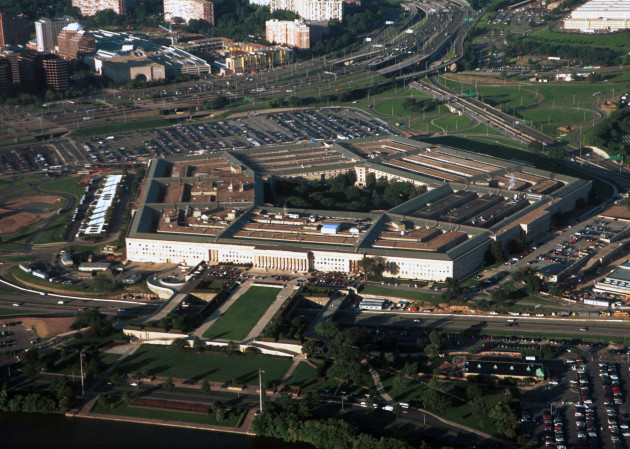
Pentagon under partial lockdown due to hazardous materials incident Pentagon spokesman Sean Parnell said a shelter-in-place order had been issued.
thejournal · 1 day ago
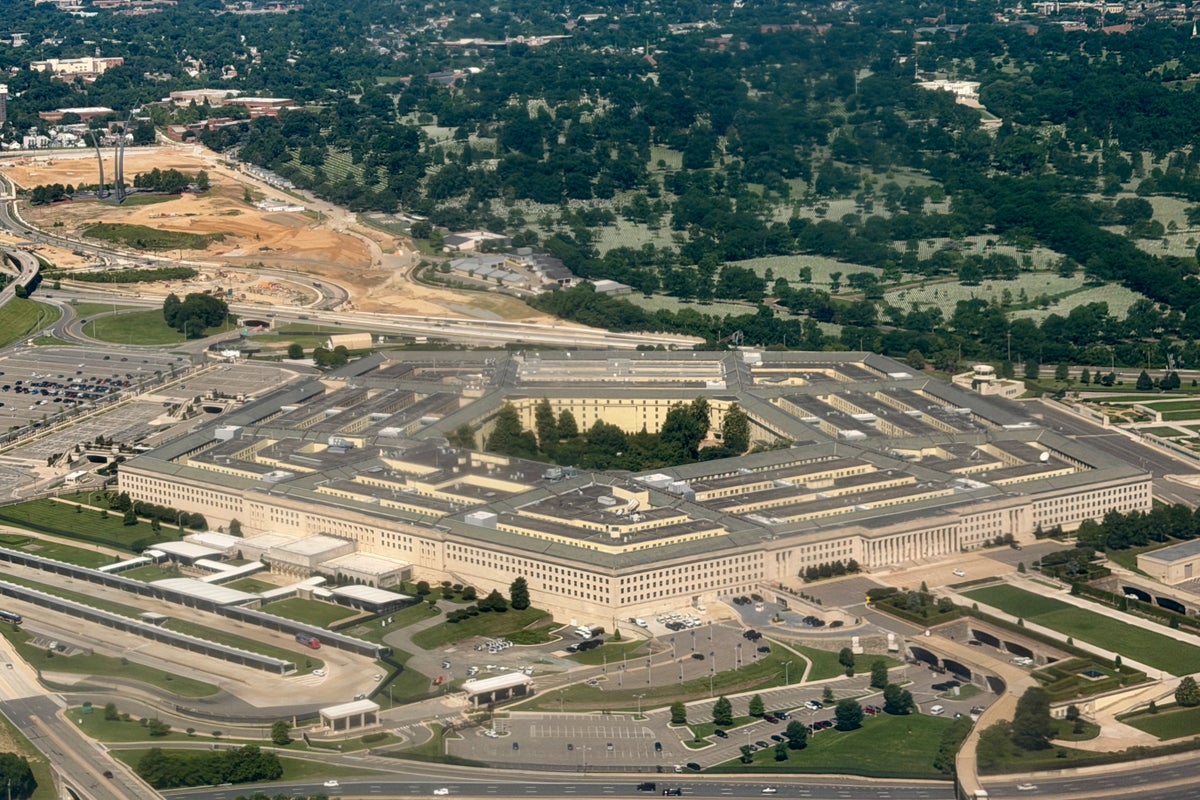
Pentagon evacuation live updates: Hazmat crews respond to air quality incident with some floors still on lockdown The Pentagons systems detected an air quality issue
independent · 1 day ago
Firefighters on scene at Pentagon during hazardous materials incident Department of Defense spokesman says shelter-in-place order given after air quality issue detected.
aljazeera · 1 day ago
Firefighters were investigating a hazardous materials incident at the Pentagon, Arlington County fire and rescue officials said in a social media post reut.rs/4e469Yo
bluesky bot · 1 day ago
JUST IN - Pentagon on lockdown with hazmat teams responding to a "hazardous materials incident," multiple floors and corridors evacuated. Read here: @disclosetv
telegram bot · 1 day ago
🇺🇸🇺🇸- According to CNN, multiple floors and corridors inside the Pentagon have been locked down, with others being evacuated, according to three sources familiar with the situation.
telegram bot · 1 day ago
🇺🇸🇺🇸- Pentagon spokesperson Sean Parnell has stated that systems within the Pentagon detected an "air quality issue," necessitating precautionary measures while the significance of the issue is determined.
telegram bot · 1 day ago
🇺🇸🇺🇸- Firefighters and hazmat teams are currently on the scene at the Pentagon following a hazardous materials incident.
telegram bot · 1 day ago
Stare de alertă la Pentagon, clădirea a fost evacuată de urgență. Incident cu substanțe periculoase Un incident cu substanțe periculoase a determinat joi instituirea stării de alertă în clădirea Pentagonului – sediul Departamentului american al Apărării din Washington, în timp ce pompierii investigau problema calității aerului, au declarat oficiali din domeniul apărării și ai pompierilor, informează Reuters. „Pentagonul dispune de sisteme sofisticate care să asigure siguranța clădirii și a ocupanților …
hotnews.ro · 1 day ago
Live - Pentagon in lockdown na incident met gevaarlijke stoffen: hoofdkwartier van Amerikaanse defensieministerie deels ontruimd
de morgen · 1 day ago
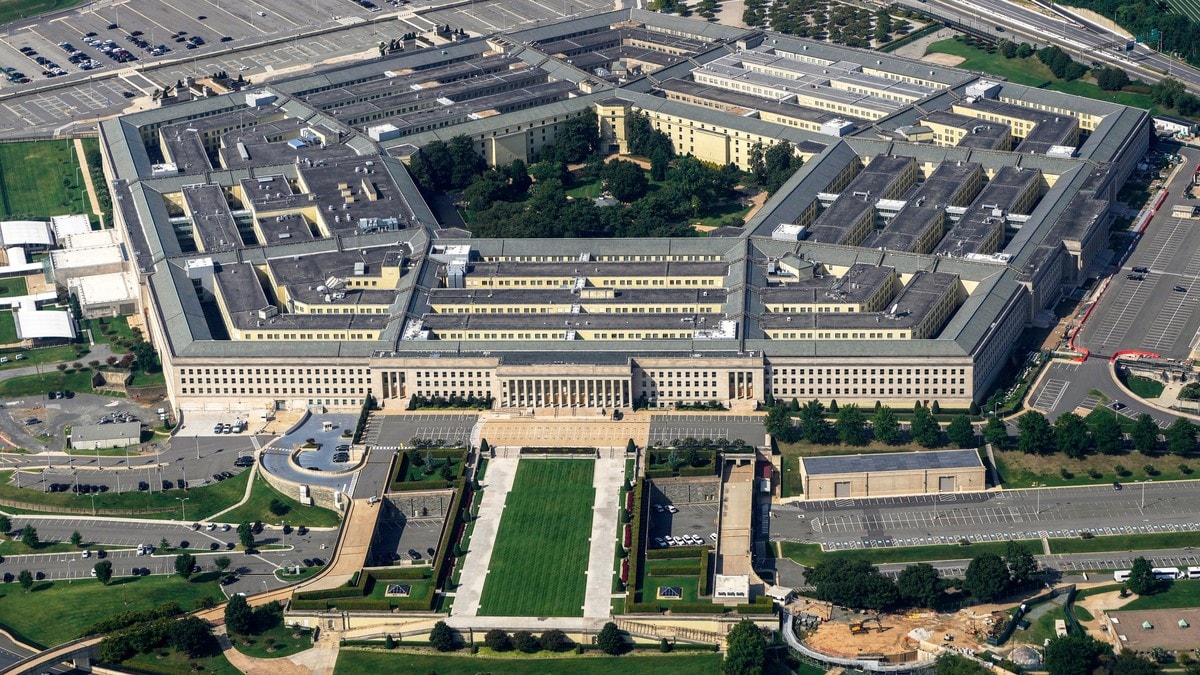
CNN: Flere evakuert fra Pentagon grunnet «hendelse med farlige stoffer» Flere etasjer i det amerikanske forsvarsdepartementet Pentagon er sperret av og evakuert etter en «hendelse med farlige stoffer», skriver CNN. De siterer tre anonyme kilder med kjennskap til saken. Pentagons talsperson Sean Parnell bekrefter at bygningens overvåkingssystemer har oppdaget problemer med luftkvaliteten, noe som gjør det nødvendig med sikkerhetstiltak frem til alvorlighetsgraden er fastslått. – Departementet iverksetter standard sikkerhetsprosedyrer, inkludert en ordre om å søke tilflukt på stedet for det berørte området, sier Parnell. Dette kan ta opp mot to timer, opplyser Pentagon. Beredskapsteam og brannvesen er på plass ved Pentagon. Ifølge kilder CNN har snakket med, er politi inne i bygningen observert med gassmasker og kjemisk verneutstyr.
nrk · 1 day ago
Fleire etasjar i Pentagon evakuert etter melding om farlege stoff – var falsk alarm Fleire etasjar i hovudkvarteret for det amerikanske forsvarsdepartementet er evakuert, melder CNN. No melder nyheitsselskapet at det var falsk alarm.
nrk · 1 day ago
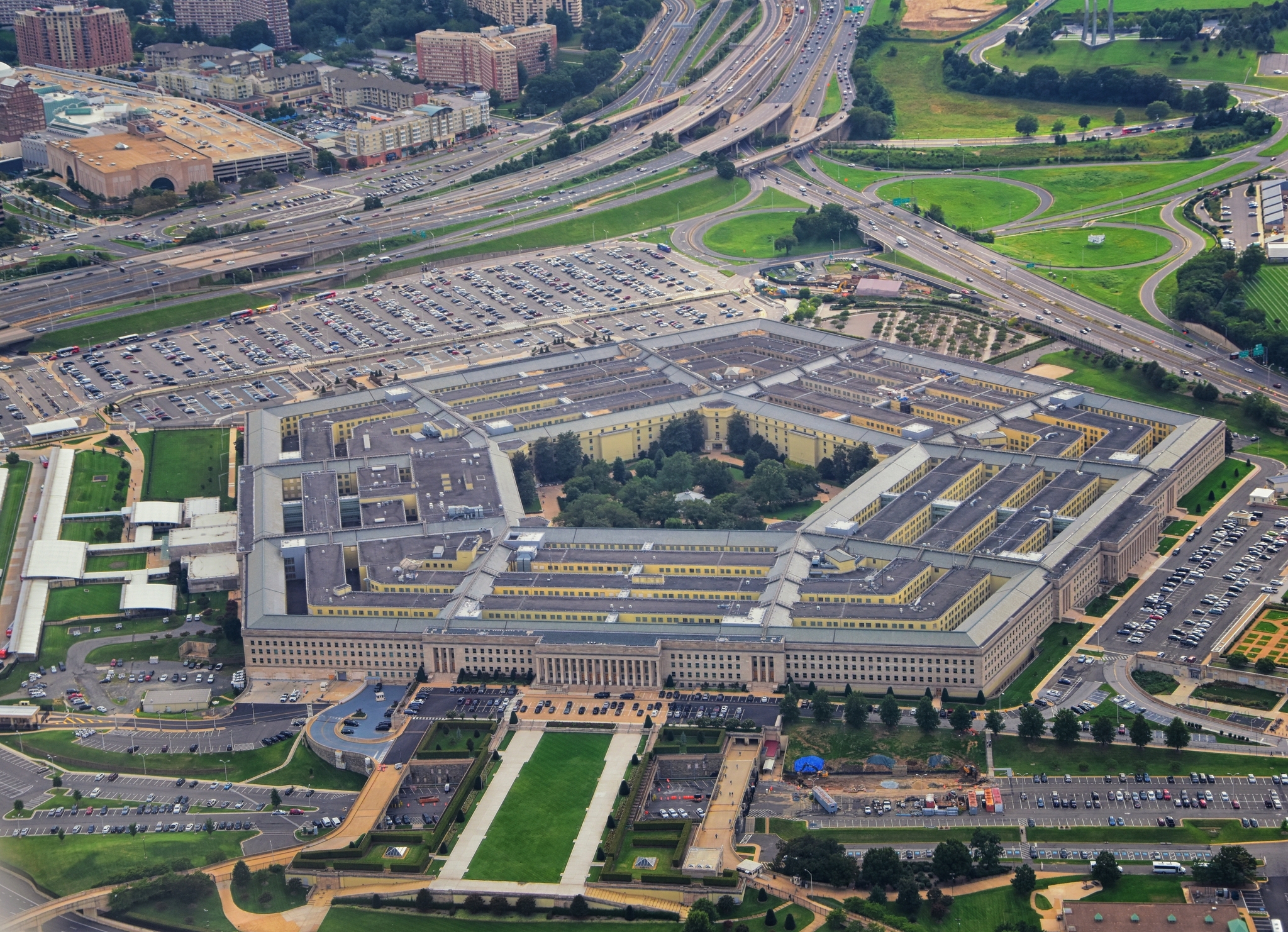
Evacúan el Pentágono por un "incidente con materiales peligrosos" Los bomberos están investigando un incidente por materiales peligrosos en la sede del Departamento de Guerra de los Estados Unidos, anteriormente llamado Departamento de Defensa. Leer
expansion · 1 day ago
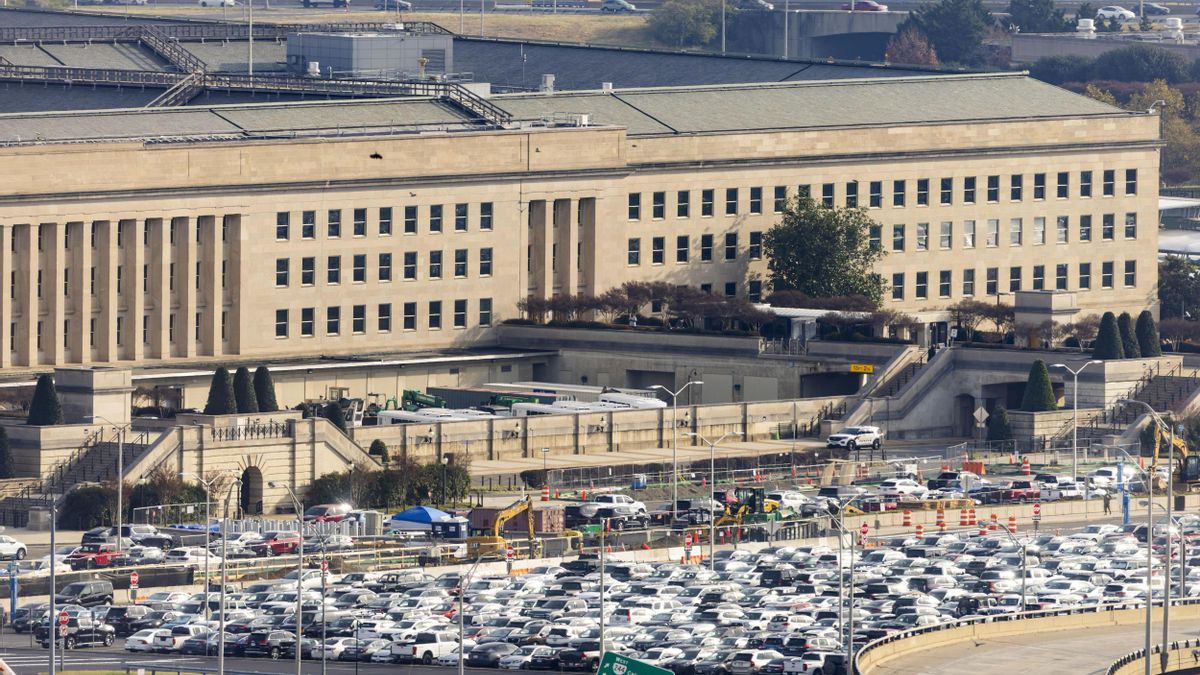
Varias plantas del Pentágono, evacuadas por un "incidente con materiales peligrosos" El portavoz del Pentágono informa de que los sistemas del edificio "han detectado un problema de calidad del aire que requiere medidas de precaución hasta que determinemos su alcance" Varias plantas y pasillos del interior del Pentágono han sido cerrados y otras zonas están siendo evacuadas debido a un incidente con materiales peligrosos, según ha adelantado CNN. El portavoz del Pentágono, Sean Parnell, ha confirmado que los sistemas del edificio han detectado un problema de calidad del aire que requiere medidas de precaución hasta que determinemos su alcance. El Departamento está aplicando los protocolos de protección estándar, incluida una orden de confinamiento en el lugar para la zona afectada. Los equipos de respuesta ya están desplegados y listos para asistir a los ocupantes del edificio. El equipo de respuesta ante materiales peligrosos de la Agencia de Protección de la Fuerza del Pentágono está interviniendo en el incidente con la ayuda del Departamento de Bomberos del Condado de Arlington, según indicó la portavoz de dicho cuerpo, la capitana Jamie Jill, a CNN. Una publicación en redes sociales de Arlington Fire & EMS señala que el equipo de materiales peligrosos del Departamento de Bomberos del Condado de Arlington está operando en el Pentágono durante un incidente con materiales peligrosos. Un mensaje enviado por el equipo de seguridad del Pentágono informaba de que se había detectado un problema de calidad del aire y que eran necesarias evaluaciones adicionales. Estas evaluaciones adicionales podrían llevar entre una y dos horas. Los equipos de respuesta están desplegados y listos para asistir a los ocupantes del edificio si fuera necesario. Es posible que vean personal de respuesta de diversas agencias y medidas de precaución en el patio central. Por favor, no saquen conclusiones precipitadas sobre estas actividades, decía el mensaje. Se han cerrado las plantas de la segunda a la quinta, en los pasillos del cuatro al siete, del extenso complejo del Pentágono, según informa la CNN, que cuenta que la policía del edificio lleva puestas máscaras antigás y equipos completos de protección química.
eldiario.es · 1 day ago
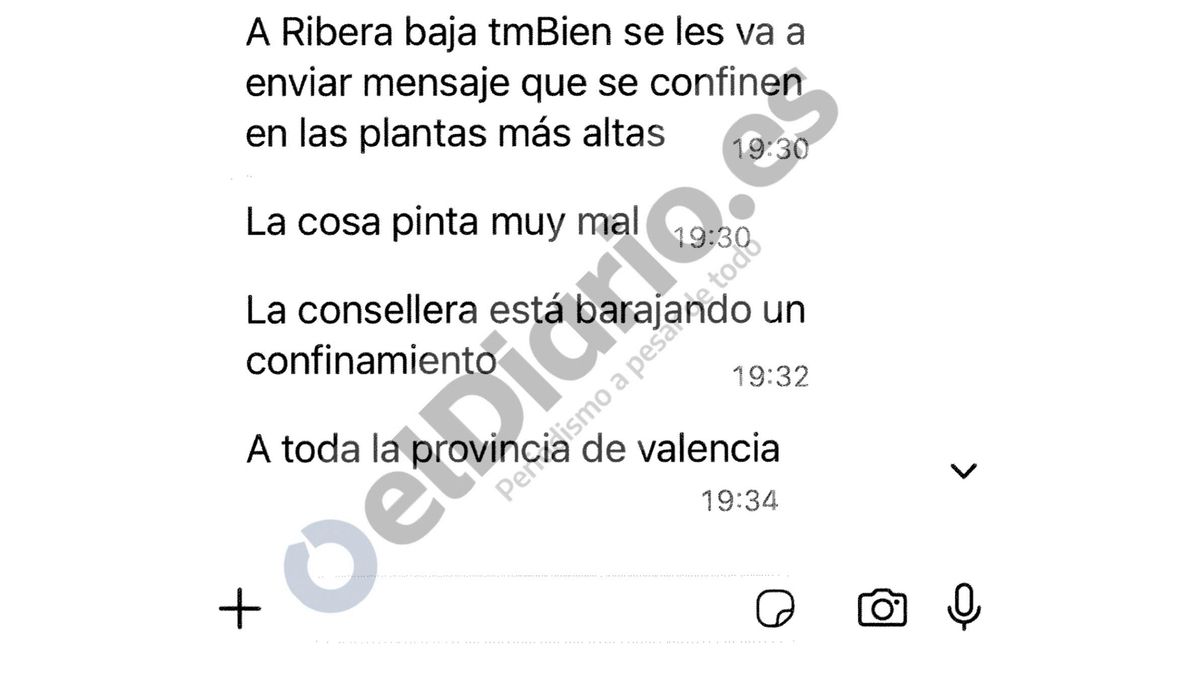
Los whatsapps de Camarero en la dana confirman que el Cecopi acordó pedir refugio en "pisos altos" y luego no lo hizo El secretario autonómico, Ignacio Grande, informó a la vicepresidenta durante su ausencia del Cecopi de que "la cosa pinta muy mal" en la presa de ForataLa jueza de la dana incorpora a la causa los whatsapps de la vicepresidenta Camarero que comprometen a Mazón Los mensajes de WhatsApp de la vicepresidenta primera de la Generalitat, Susana Camarero, confirman que la reunión del Centro de Coordinación Operativa Integrado (Cecopi) acordó el 29 de octubre de 2024, trágica jornada que acabó con 230 fallecidos, enviar un mensaje de alerta a la población para que se confinen en los pisos más altos, en referencia a las poblaciones potencialmente afectadas por la presa de Forata. Así se lo comunicó el secretario autonómico, Ignacio Grande, que permanecía conectado al Cecopi mientras Camarero volvía de la entrega de premios de la patronal a la que asistió aquella tarde, desconectándose de la reunión durante fases clave de la gestión de la emergencia. A partir de las 19.16, el alto cargo actualizó a la vicepresidenta los acuerdos del Cecopi, tras una larga pausa anterior. Se va a enviar mensajes, por radio, tv, y sms a población de 30 municipios (ribera alta, ribera baja y alguno de la hoya de buñol) para que estén alerta y confinados, indicaba Grande. Más tarde, a las 19.26, el secretario autonómico escribió que a los municipios de Real de Montroi y Montroi se les iba a mandar SMS a móviles para que se confinen en los pisos más altos. Cuatro minutos después, a las 19.30, agregaba: A Ribera Baja también se les va a enviar mensaje que se confinen en las plantas más altas. La cosa pinta muy mal. Sin embargo, el primer Es-Alert que remitió a las 20.11 el Centro de Coordinación de Emergencias a los móviles de toda la provincia de Valencia ni siquiera recomendaba a la población que se refugiara en altura, tal como se había pactado en el Cecopi. La jueza instructora de la causa de la dana considera que el mensaje fue tardío y erróneo en su contenido.
eldiario.es · 1 day ago
Preoccupante aumento dei passeggeri che in aereo recuperano i bagagli in caso di evacuazione di emergenza. Il 40 dei passeggeri non sa di doverli lasciare a bordo: lallarme degli esperti Quanti di voi ascoltano con attenzione le direttive date dagli assistenti di volo in materia di sicurezza? Il risultato è sorprendente. Non tutti lo sanno, ma cè una preoccupante tendenza dei passeggeri a recuperare i bagagli anziché evacuare laereo in caso di emergenza. Il dato sta allarmando il settore dellaviazione. Una nuova campagna dellAssociazione Internazionale […] Larticolo Preoccupante aumento dei passeggeri che in aereo recuperano i bagagli in caso di evacuazione di emergenza. Il 40 dei passeggeri non sa di doverli lasciare a bordo: lallarme degli esperti proviene da Il Fatto Quotidiano.
il fatto quotidiano · 1 day ago
Pentagono in lockdown, alcuni piani evacuati: soccorritori con maschere anti gas. Ma era un falso allarme Un falso allarme ha fatto scattare il lockdown al Pentagono è in lockdown e alcuni piani sono stati evacuati. Lalert è durato oltre mezzora, con i soccorritori che erano entrati nelledificio con maschere antigas e tute di protezione poiché si era parlato di un incidente con materiali pericolosi. Diversi piani e corridoi allinterno del Pentagono […] Larticolo Pentagono in lockdown, alcuni piani evacuati: soccorritori con maschere anti gas. Ma era un falso allarme proviene da Il Fatto Quotidiano.
il fatto quotidiano · 1 day ago
Veiligheidsmelding waardoor Pentagon in lockdown ging, blijkt vals alarm De veiligheidsmelding waardoor verschillende verdiepingen en gangen van het Amerikaanse Pentagon werden afgesloten was loos. Dat meldt CNN Medewerkers in een ander deel van het gebouw werden uit voorzorg geëvacueerd. Er werden problemen met de luchtkwaliteit gemeld.
rtl nieuws · 1 day ago
Deel van Pentagon ontruimd vanwege incident met gevaarlijke stoffen Meerdere etages van het Pentagon, het hoofdkantoor van het Amerikaanse ministerie van Defensie, zijn donderdagmiddag ontruimd vanwege een incident met "gevaarlijke stoffen". Het zou gaan om problemen met de luchtkwaliteit.
nu.nl · 1 day ago