
CIA chief warns Russia in Moscow as NATO allies hold firm on Ukraine threat

Story Timeline
4 days · 4 summary articles
CIA Director John Ratcliffe made an unannounced visit to Moscow on Aug. 25, where he warned Russian officials against escalatory actions targeting NATO members, according to sources cited by Politico and the Wall Street Journal. The Kremlin confirmed the meeting with Russian intelligence officials but stated that Ratcliffe did not meet President Vladimir Putin. Spokesperson Dmitry Peskov described the intelligence dialogue as positive.
Estonia and Latvia reiterated on Aug. 27 that their threat assessments of Russia remain unchanged despite the visit. Estonian Foreign Minister Margus Tsahkna told the Kyiv Independent that allies are taking the threat of Russian provocations seriously but that Estonia’s assessment has not shifted. Latvian Foreign Minister Baiba Braze echoed this stance on social media, emphasizing coordinated measures with NATO allies to bolster security. Latvian Prime Minister Andris Kulbergs sought to reassure the public, stating, “There is currently no reason for concern. Latvia’s level of military threat has not changed. The risk of direct military invasion threats to Latvia is currently low.” He added that readiness for potential threats should not be conflated with an immediate threat and warned against politicizing the security situation ahead of Latvia’s Oct. 3 parliamentary elections.
U.S. President Donald Trump downplayed the significance of Ratcliffe’s trip, calling it “very sort of semi-routine” and stating, “Something may come out of it.” He also reiterated that the U.S. is “working very hard” to end the war in Ukraine, praising Ratcliffe as a “fantastic guy.” Meanwhile, NATO ambassadors met in Brussels on Aug. 27, with U.S. Under Secretary of Defense for Policy Elbridge Colby in attendance, to discuss U.S.-Russia relations and Russian escalation toward Ukraine and alliance members.
Russia’s Foreign Ministry spokesperson Maria Zakharova warned Britain that its support for Ukraine, including the supply of missile technology, risked escalating the conflict. She stated that Britain and France were “playing with fire,” while the UK Ministry of Defence responded that Russia “should be in no doubt about the resolve of this government to stand against Russian aggression, in Ukraine and against the UK and our allies.” Zakharova also accused Ukraine of involvement in militant attacks in Mali, a claim Ukraine’s Foreign Ministry rejected as baseless. Spokesperson Heorhii Tykhyi told Reuters, “We reject this typical and long-standing lie by Russian officials, which they do not even attempt to back up with any plausible evidence.”
The European Central Bank’s July meeting minutes, published on Aug. 27, revealed that officials postponed interest rate decisions due to uncertainty over inflation risks, including the impact of the U.S. war in Iran and rising food prices. The ECB noted that food price inflation could worsen due to energy shocks and weather-related disruptions, such as heatwaves and El Niño. The minutes stated that the September meeting would provide a comprehensive assessment of these factors.
Follow us for live European news
- 2
- 2
- 1
- 1
- 1
- 1
- 1
- 1
- 1
- 1
6 further sources not geolocated
Articles

🟠 UPDATESix Months of US-Israel War on Iran: Stalemate and Political FalloutUSS Abraham Lincoln is departing the Middle East after over 250 days at sea, relieving USS George Washington. It will make a brief port stop in Thailand for crew rest and recuperation due to reported poor conditions and low morale before returning to San Diego.📰 #USA #Military #Geopolitics #GeoWire
mastodon bot · about 3 hours ago

The EUs next seven-year budget needs to finance the blocs independence from foreign powers, Ursula von der Leyen has said, as six countries led by Germany press to cut hundreds of billions of euros from the spending package.
bluesky_Politico Europe · about 3 hours ago

⚡️Baltics assessment of Russia threat unchanged after CIA directors Moscow visit. "We must remain vigilant, but Estonias threat assessment has not changed," Estonias Foreign Minister Margus Tsahkna told the Kyiv Independent.
bluesky_Kyiv Independent · about 3 hours ago

Canada minister says he welcomes US clarification on French language requirements reut.rs/3Si8OFP
bluesky_Reuters · about 3 hours ago

CIA MOSKVA VISIIT ⟩ Millest USA luurejuht Moskvas rääkis? Eesti julgeolekupoliitikud: «Ukrainast.» USA Luure Keskagentuuri (CIA) juhataja John Ratcliffei selle nädala visiiti Moskvasse, kus ta hoiatas Venemaa ametnikke pingete eskaleerimise ja NATO liikmesriikide ründamise eest, Eesti esindajate sõnul tõsiselt võtta ei tasu ja ohutase muutunud ei ole.
postimees · about 3 hours ago

Qatari PM meets Iranian FM in Tehran to de-escalate tensions Qatars Prime Minister Sheikh Mohammed bin Abdulrahman Al Thani held talks with Iranian Foreign Minister Abbas Araghchi in Tehran on Thursday, according to Irans Foreign Ministry, as Doha continues mediation efforts to de-escalate tensions between Iran and the United States over the strategic Strait of Hormuz.
yenisafak · about 3 hours ago

Italy prepares 13th Ukraine arms package amid domestic concerns The Italian government is preparing a 13th military aid package for Ukraine that is expected to be presented to a parliamentary intelligence committee in early September, though the meeting was postponed from August amid concerns over public support and right-wing opposition to further arms deliveries.
yenisafak · about 3 hours ago
Purtător de cuvânt al UE: Meta trebuie „să ne protejeze şi nouă copiii. Anunț după decizia din SUA privind Facebook și Instagram După acordul încheiat în Statele Unite, care vizează, printre altele, reducerea impactului Instagram sau Facebook asupra adolescenţilor, Meta trebuie „să ne protejeze şi nouă copiii, a spus joi un purtător de cuvânt al Uniunii Europene, unde grupul american face, de asemenea, obiectul unor anchete, relatează AFP şi Reuters, citate de News.ro.
digi24 · about 3 hours ago
Iran, Qatar hold Hormuz talks as US blockade squeezes Iran oil exports Officials from Iran and Qatar met on Thursday in Tehran for diplomatic talks on the strategic Strait of Hormuz, as a US naval blockade chokes oil supplies to Iran amid a domestic shortfall. The meetings follow a week of intense diplomacy in Iran involving separate meetings with officials from Oman and Pakistani seeking ways to end the war and reopen Hormuz.
france24 · about 3 hours ago
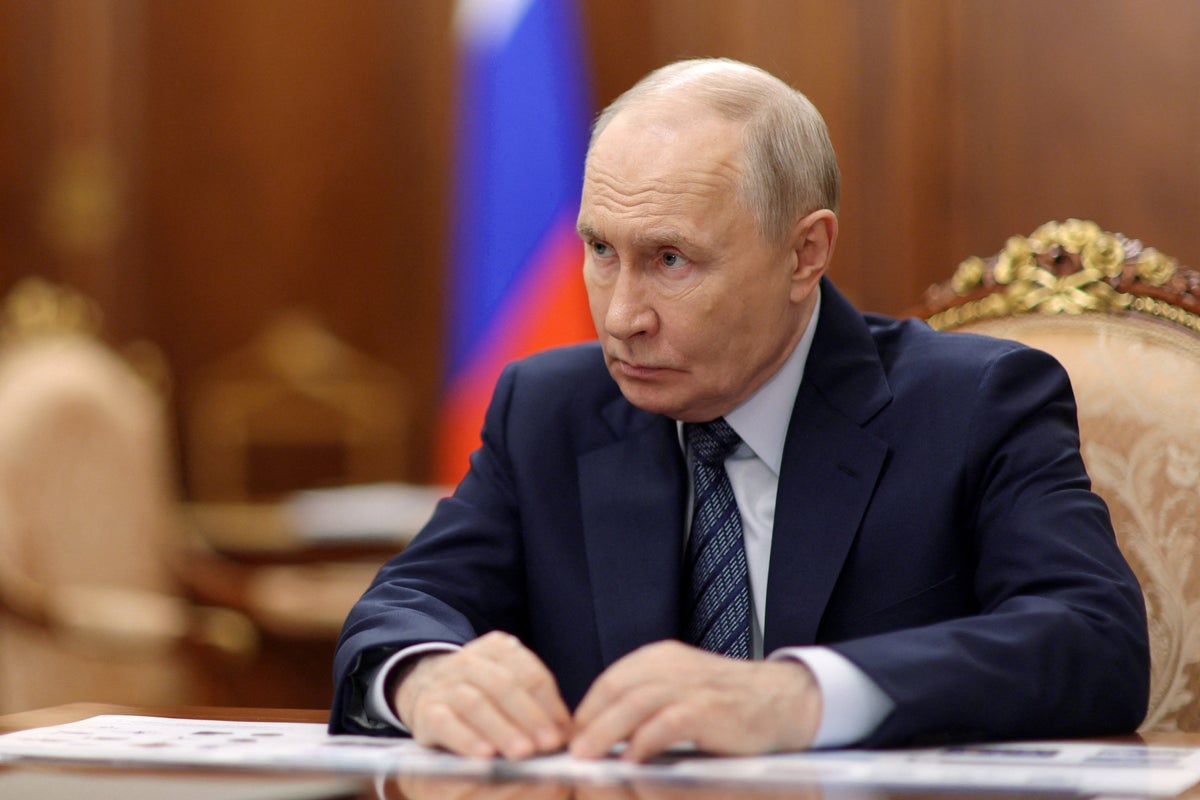
Russia threatens to bomb UK military bases over support for Ukraine Russia warns Britain is playing with fire by supplying Storm Shadow missile technology to Ukraine
independent · about 3 hours ago
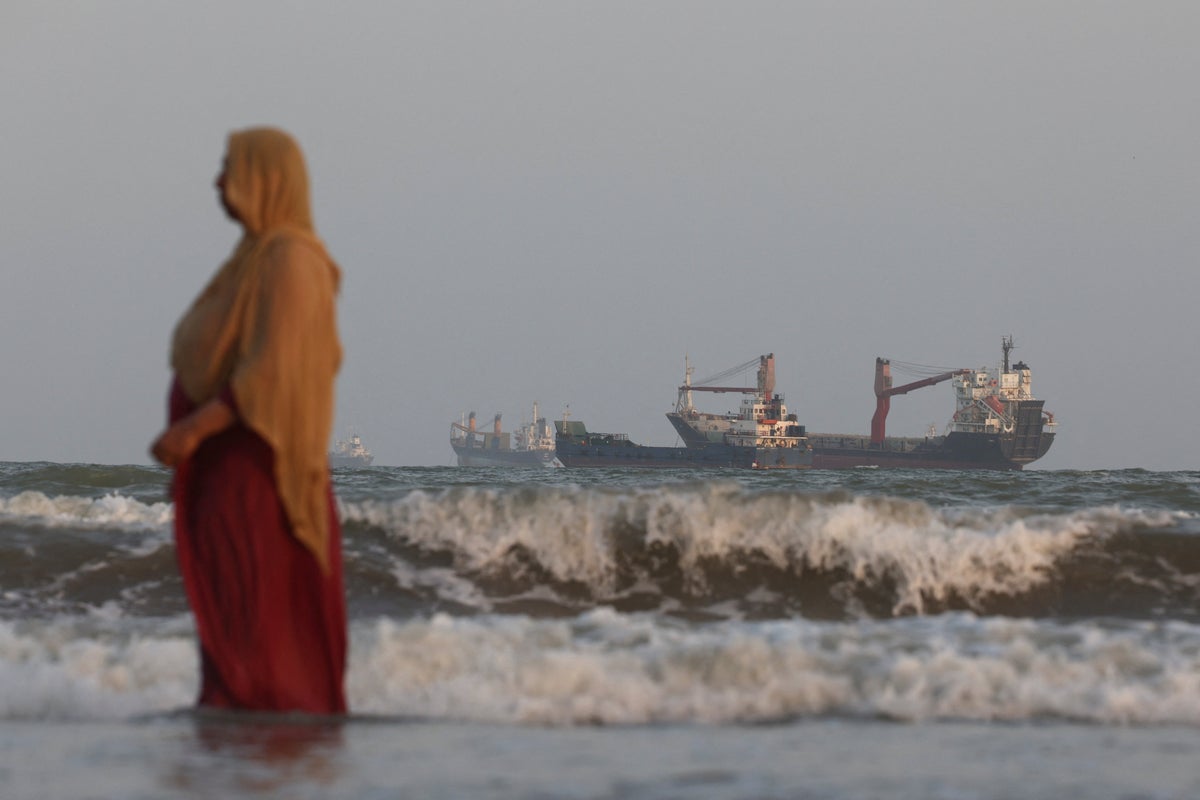
Iran-US war latest: Trump sends new warship to Middle East after claiming very big victory over Tehran Trump insists US is still winning against Iran and willing to do whatever it takes
independent · about 3 hours ago
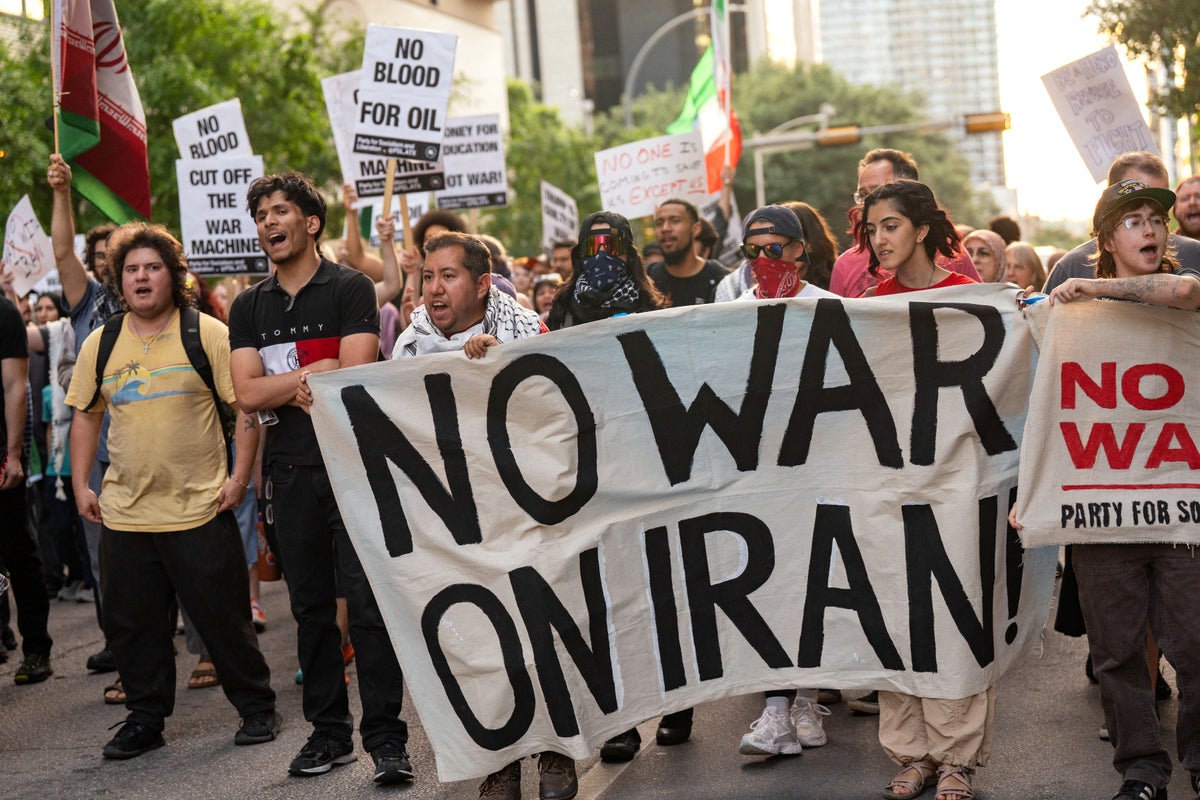
The Latest: Regional powers seek off-ramp as Iran war drags on months longer than Trump promised Trump told Al Jazeera hes got no time schedule to resolve the conflict reaching the six-month mark on Friday
independent · about 3 hours ago
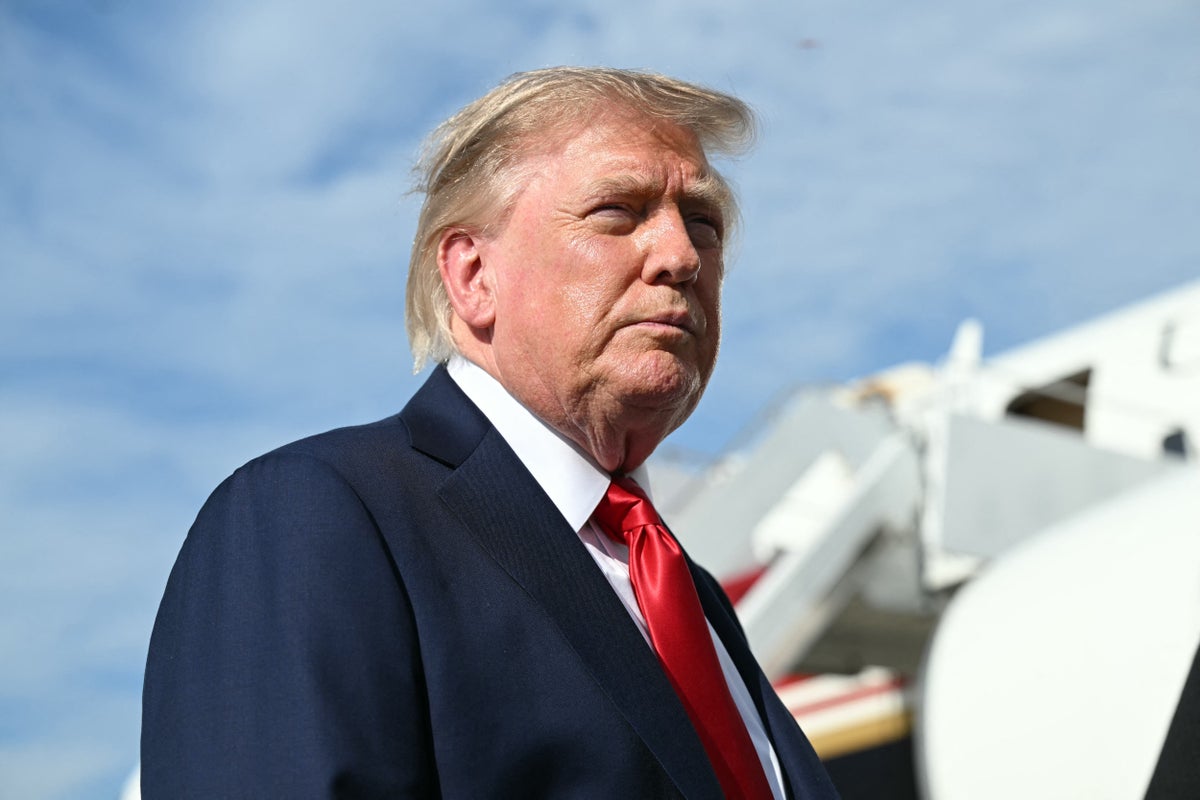
Ukraine-Russia war latest: New details of CIA chiefs Kremlin trip emerge after Trump makes first comment Trump says he is hopeful something may come out of CIA chiefs meetings in Russia
independent · about 3 hours ago
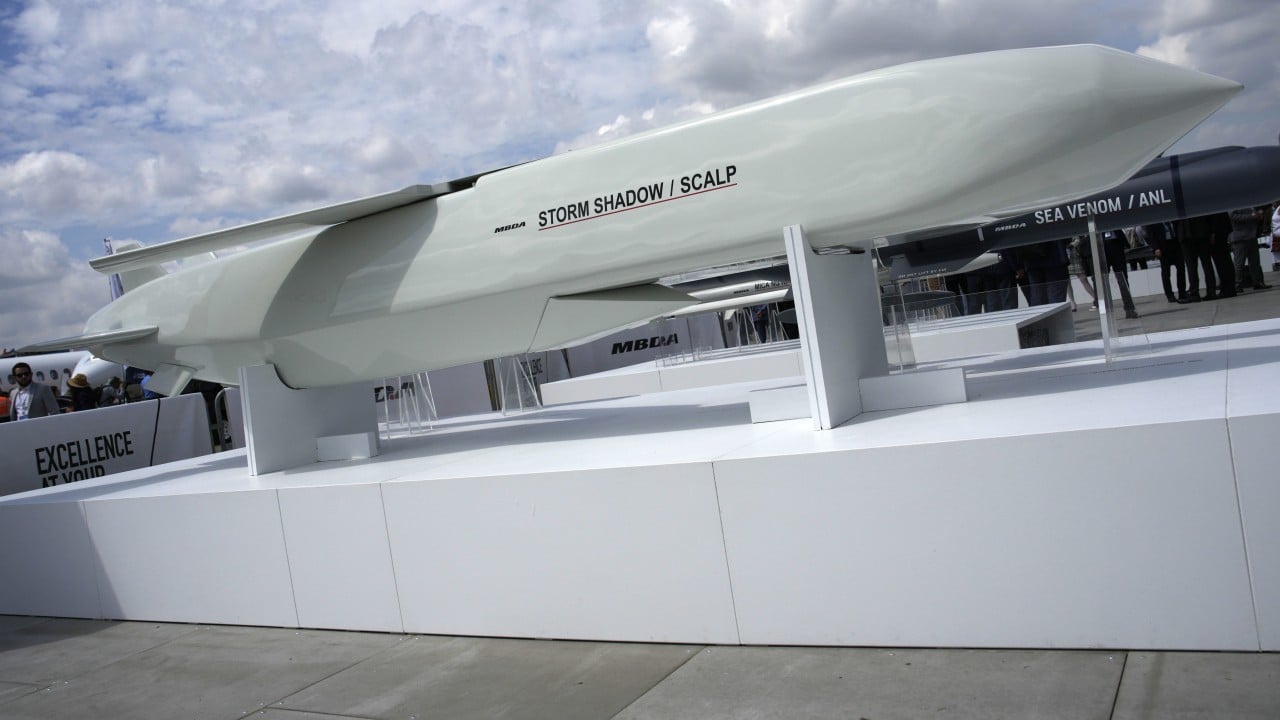
Russia lashes out at UK, France over Ukraine missile technology transfer Russian foreign ministry spokeswoman Maria Zakharova said on Thursday that Russia could strike British military targets inside and outside Ukraine in response to Ukrainian strikes on Russia using British missiles. Zakharova called on Britain to back off what she called Londons hostile stance on Ukraine, which she said risked taking the conflict to an entirely new level. She had told the same Moscow news briefing earlier that Britain and France were playing with fire by supplying...
south china morning post · about 3 hours ago
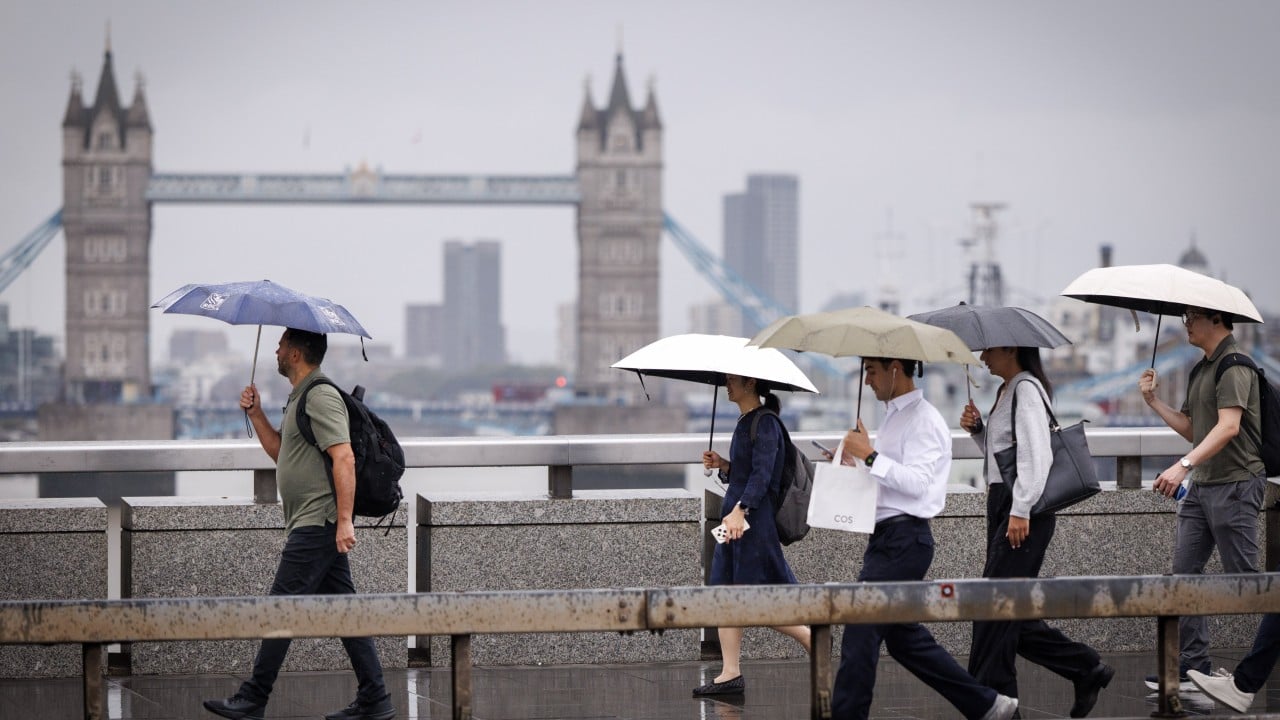
Foreigners jostle to secure UK residency rights before rules tighten The United Kingdom has seen a spike in the number of migrants applying for citizenship and permanent settlement ahead of a planned government clampdown. Government data shows what appears to be a rush to secure residency rights in response to changes announced by Home Secretary Shabana Mahmood that would force migrants to wait longer before they can gain them. The Home Office said 199,628 people were granted settlement, giving them the right to live, work and study in the UK permanently, in the...
south china morning post · about 3 hours ago
Poland rules out hosting nuclear weapons despite Russian threat BRUSSELS — Poland does not want allied nuclear weapons stationed on its territory, the countrys Deputy Defense Minister Paweł Zalewski said Thursday, despite growing worries of a Russian incursion into NATO territory. I would like to say very clearly and openly: Poland does not want to have nuclear warheads on its territory, he told reporters […]
politico.eu · about 3 hours ago
Cyprus government receives 85 of payments by bank transfer Bank transfers accounted for 85 per cent of the total value of government receipts during the first half of 2026, reflecting the states rapid shift towards digital payments, accountant-general Andreas Antoniades told the Cyprus News Agency (CNA). Alongside bank transfers, online payments represented 10 per cent of receipts, while electronic payments made in person accounted […]
cyprus mail · about 3 hours ago
China donates €6,000 to Committee on Missing Persons China has donated €6,000 to the Committee on Missing Persons in Cyprus (CMP), bringing its total financial contribution to the committee since 2019 to €26,000. The CMP on Thursday thanked China for the latest contribution, which was received on Wednesday. The funding will support the committees efforts to identify and return the remains of missing […]
cyprus mail · about 3 hours ago
Next leaders meeting to take place on Wednesday President Nikos Christodoulides and Turkish Cypriot leader Tufan Erhurman will next meet next Wednesday, with the meeting marking the first of the weekly comings together to which the pair had agreed when they met on Wednesday afternoon. The decision for more frequent meetings is already being translated into action. This morning, the Greek Cypriot chief […]
cyprus mail · about 3 hours ago
16,843 Croatians returned to Croatia last year, only 474 received the new tax break 27 August 2026 – A total of 16,843 Croatian citizens returned to or moved to Croatia last year, but only... The post 16,843 Croatians returned to Croatia last year, only 474 received the new tax break first appeared on Croatia Week.
croatia week · about 3 hours ago
![EN DIRECT, guerre en Ukraine : le Kremlin rejette les « histoires alarmistes » des médias américains après la visite du directeur de la CIA à Moscou Dmitri Peskov faisait référence à des informations, publiées par le « Wall Street Journal » et CBS, affirmant que le déplacement à Moscou de John Ratcliffe avait pour but d« adresser un avertissement à la Russie contre toute attaque [contre] les pays de lOTAN ». Si la Maison Blanche ne sest pas précisément exprimée à propos de ces informations, Donald Trump avait pourtant qualifié cette visite de « semi-routine ».](https://img.lemde.fr/2026/08/26/151/0/5853/2926/644/322/60/0/94c77cd_ftp-1-u84hwgnxebmi-2026-08-26t144005z-414868830-rc2o7kaoizkd-rtrmadp-3-usa-russia-cia-kremlin.JPG)
EN DIRECT, guerre en Ukraine : le Kremlin rejette les « histoires alarmistes » des médias américains après la visite du directeur de la CIA à Moscou Dmitri Peskov faisait référence à des informations, publiées par le « Wall Street Journal » et CBS, affirmant que le déplacement à Moscou de John Ratcliffe avait pour but d« adresser un avertissement à la Russie contre toute attaque [contre] les pays de lOTAN ». Si la Maison Blanche ne sest pas précisément exprimée à propos de ces informations, Donald Trump avait pourtant qualifié cette visite de « semi-routine ».
le monde · about 3 hours ago
Social Media: Meta und US-Staaten schließen Milliardenvergleich in Jugendschutzprozess Neben einer Zahlung von bis zu 16,68 Milliarden US-Dollar verpflichtet sich der Mutterkonzern von Facebook und Instagram zu weitreichenden Änderungen im Jugendschutz. 29 Bundesstaaten hatten Meta vorgeworfen, Minderjährige abhängig machen zu wollen.
handelsblatt · about 3 hours ago
Qatar PM visits Tehran as Iran faces mounting US economic pressure Qatars Prime Minister met Irans foreign minister in Tehran as the US vowed to intensify economic pressure on Iran.
aljazeera · about 3 hours ago
2 Estonians potentially missing following Nepal mudslide Two Estonian citizens may be missing following major flooding and mudslides that hit northern Nepal on Wednesday, the Ministry of Foreign Affairs said.
news.err · about 3 hours ago
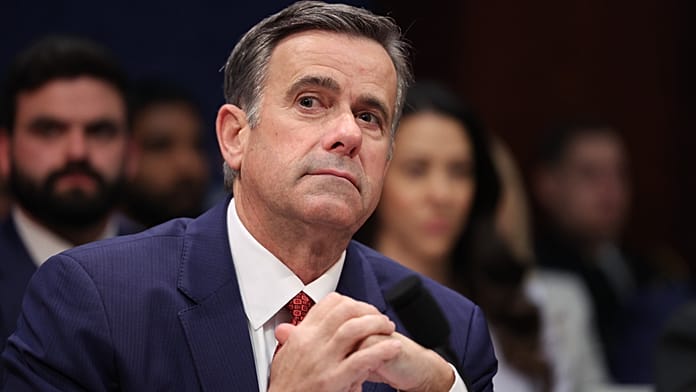
CIA boss Moscow trip was about Iran, not the Baltics, ex-Estonian president tells Euronews Former Estonian president tells Euronews Ratcliffes Moscow talks were more likely about Iran than a warning against aggression in the Baltics. He says Russias calculus in the region has not changed.
euronews · about 3 hours ago

🔴 BREAKINGRussia Warns of Retaliation Against UK for Missile UseThe Russian Foreign Ministry has warned that it may target the United Kingdom in response to Kyiv firing British-supplied long-range cruise missiles at targets within Russia. Moscow characterized the use of these weapons as an act of...📰 #Diplomacy #Military #Geopolitics #GeoWire
mastodon bot · about 3 hours ago

🔴 BREAKINGUS Strike on Iranian School Kills 170Six months after a US missile strike on an Iranian school killed at least 170 people, mostly children, parents continue to grieve. This incident highlights escalating military tensions and civilian casualties in the region.📰 #USA #Military #Geopolitics #GeoWire
mastodon bot · about 3 hours ago

#Ukraine Claims #Russia Used Enhanced Iskander-1000 Ballistic Missile Russia used an enhanced ballistic missile against Kyiv for the first time during one of its combined strikes on the Ukrainian capital this summer, Ukraines Defense Intelligence agency (HUR) said August 27. In a statement posted to #Telegram, the intelligence service said that the missile
mastodon bot · about 3 hours ago

China opposes US plan for 7.5 tariffs, warns of countermeasures Chinese Commerce Ministry spokesperson Huang Ling said Beijing firmly opposes Washingtons plan to impose additional 7.5 tariffs on Chinese imports, warning that the US has politicized economic and trade issues through unilateralism and protectionism while reserving the right to take all necessary measures.
yenisafak · about 3 hours ago

Heat waves killed record 15,800 people in Germany Germanys public health institute said on Thursday that approximately 15,800 people died from heat-related causes between early April and mid-August, marking the highest such death toll recorded in the country over the past decade and significantly exceeding previous peaks registered during the deadly summers of 2018 and 2019.
yenisafak · about 3 hours ago