
Oil prices near 90 as Strait of Hormuz closure fuels inflation fears ahead of U.S. CPI data

Story Timeline
2 months · 3 summary articles
Oil prices near 90 as Strait of Hormuz closure fuels inflation fears ahead of U.S. CPI data
Yen weakens as U.S.-Japan intervention fades; oil steadies near one-week high on Iran tensions
ContinuationIran says Strait of Hormuz will stay closed until US meets demands: Oman deal nears but Tehran ties reopening to sanctions lift
Oil prices climbed on Wednesday as geopolitical tensions and fading hopes for a reopening of the Strait of Hormuz pushed Brent crude near $90 a barrel, while investors awaited a key U.S. inflation report.
Brent crude, the international benchmark, rose 0.9% to $89.67 a barrel early Wednesday, with U.S. benchmark crude up 0.9% to $83.98. Gold also edged higher, gaining 0.8% to $4,400.44 an ounce, while silver rose 1% to $65.30 an ounce. The price swings follow months of volatility, with Brent’s price oscillating between $72 and $102 a barrel in July alone.
The Strait of Hormuz, which carried about one-fifth of global oil supplies before the conflict, remains closed after the U.S. and Israel attacked Iran in late February. Yemen’s internationally recognized government accused Iran-backed Houthi rebels of killing six people in missile strikes on a commercial vessel in the Bab al-Mandeb strait on Tuesday. The U.S. Central Command said it disabled a Panama-flagged cargo vessel attempting to break the U.S. blockade of Iranian ports.
Qatar’s Foreign Ministry stated on Tuesday that talks between Oman and Iran on reopening the strait were at an advanced stage, but analysts warned that confidence in a quick resolution was eroding. “The longer talks drag on without visible progress, and the more complex the reported demands become, the greater the scepticism that a workable agreement can be reached quickly,” said Tim Waterer, chief market analyst at KCM Trade in Sydney .
Higher oil prices have worsened inflation pressures in the U.S., pushing the average cost of a gallon of regular gasoline to $4.01, up from less than $3.14 a year ago, according to AAA. Economists expect the U.S. Consumer Price Index, due Wednesday, to show inflation slipped to 3.4% in July from 3.5% in June.
Wall Street pulled back from record highs, with the S&P 500 falling 0.3% on Tuesday for a second consecutive drop since its all-time high on Friday. The Dow Jones Industrial Average dipped 184 points, or 0.3%, and the Nasdaq Composite sank 0.6%. Treasury yields have risen since the war with Iran began, driving long-term U.S. mortgage rates to their highest levels in a year.
Asian markets were mixed, with South Korea’s Kospi surging more than 4% on renewed chip-buying, while Tokyo’s Nikkei 225 gained 0.6% to 67,334.94. European markets saw Spain’s Ibex 35 close at a record high of 20,200 on Tuesday, led by Repsol and renewable energy stocks, despite the oil price surge .
Follow us for live European news
Articles

Inflaţia a coborât la 8,16 în luna iulie, iar tendința de scădere va continua Rata anuală a inflației a scăzut de la 10,4 în iunie la 8,2 în iulie. Rata inflației anuale intrat totuși pe o pantă de scădere, ca urmare a unui efect de bază favorabil.
adevarul · about 2 months ago

World markets mixed as oil and gold rise ahead of US inflation data Oil prices climbed and Wall Street pulled back from record highs, while South Koreas Kospi surged more than 4 on renewed chip-buying, as markets brace for a crucial US inflation reading.
euronews · about 2 months ago
Märkte Asien: Geopolitische Spannungen treiben Ölpreis – Anleger warten auf US-Inflationsdaten Während Investoren auf wichtige Inflationsdaten aus den USA warten, finden die asiatischen Indizes keine gemeinsame Richtung. Auch neue Spannungen im Nahen Osten beschäftigen die Anleger.
handelsblatt · about 2 months ago
US stocks close lower as tech sell-off, Iran uncertainty weigh on markets
gdeltproject.org · about 2 months ago

India markets regulator sees no manipulation in closing auction session so far, chief says reut.rs/4fXepsE
bluesky_Reuters · about 2 months ago
Inflația a scăzut la 8,2 în iulie, dar prețurile continuă să crească. Cafeaua, motorina și chiriile, printre cele mai mari scumpiri Rata anuală a inflației a coborât la 8,2 în luna iulie, de la 10,4 în iunie, potrivit datelor Institutului Național de Statistică. Este prima scădere semnificativă din ultimele 12 luni, însă prețurile continuă să crească puternic în mai multe categorii. Cele mai mari scumpiri s-au înregistrat la servicii, carburanți și unele produse alimentare.
digi24 · about 2 months ago
Verbraucherpreise im Juli: Inflationsschub nach Ende des Tankrabatts
die zeit · about 2 months ago

Oil, gold prices rise as geopolitical tensions mount before CPI reut.rs/4gq6oxY
bluesky_Reuters · about 2 months ago
OMV Aktiengesellschaft (OMVJF) and Its Rivals Head to Head Comparison
gdeltproject.org · about 2 months ago
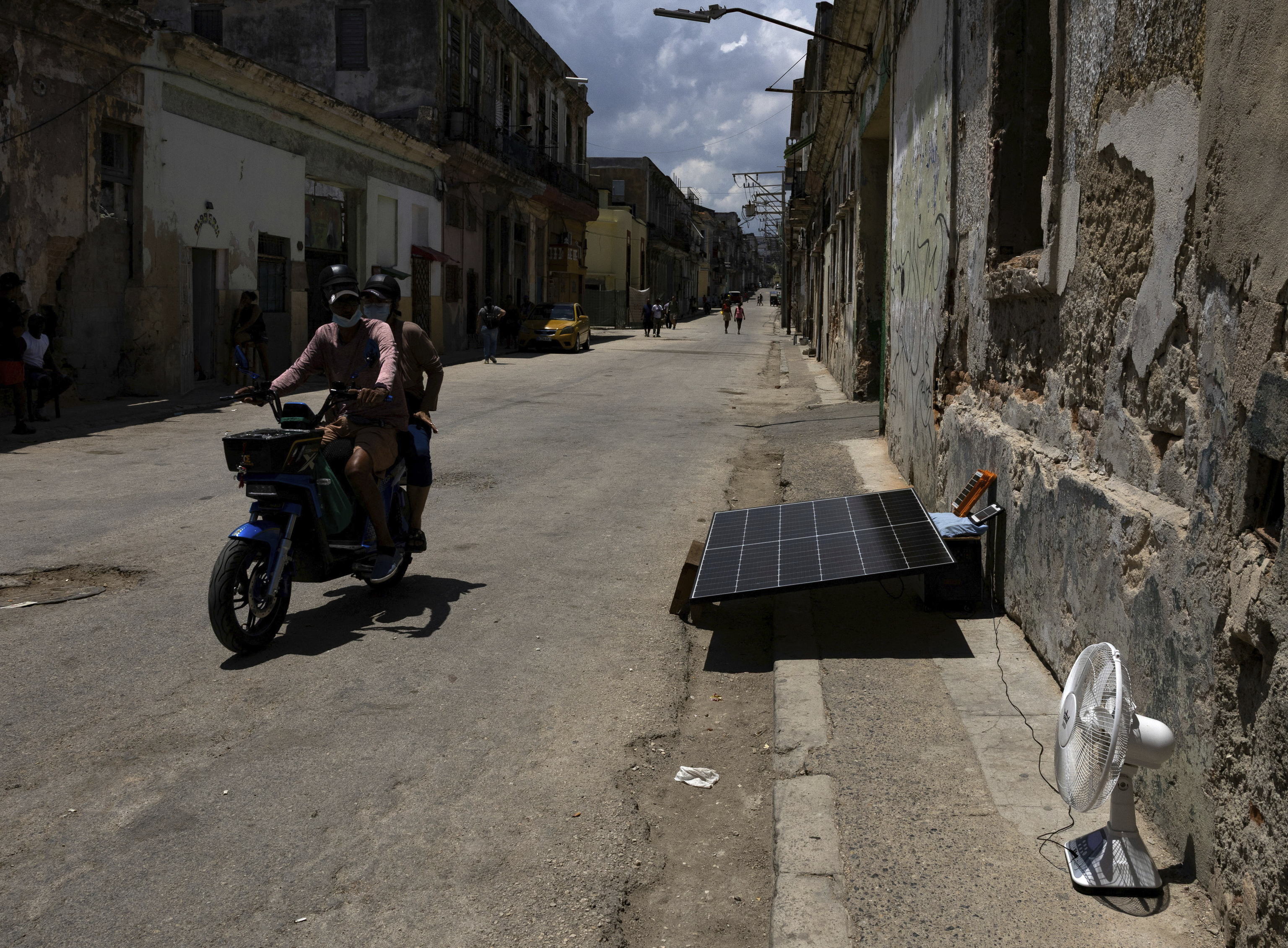
Cuba se queda sin petróleo y apuesta por la energía solar con la ayuda de China El giro hacia las energías renovables ha ayudado a la isla a soportar el aumento de la presión de Washington Leer
elmundo · about 2 months ago
Avertisment privind prețul petrolului: până la 140 de dolari pe baril, dacă blocajul din Strâmtoarea Ormuz continuă Preţurile petrolului au revenit marţi pe creştere, în condiţiile în care perspectivele unui acord rapid între Statele Unite şi Iran pentru redeschiderea Strâmtorii Ormuz se îndepărtează. Analiştii avertizează că reacţia relativ moderată a pieţei s-ar putea schimba rapid dacă blocajul se prelungeşte şi stocurile de petrol continuă să scadă, relatează CNBC.
digi24 · about 2 months ago
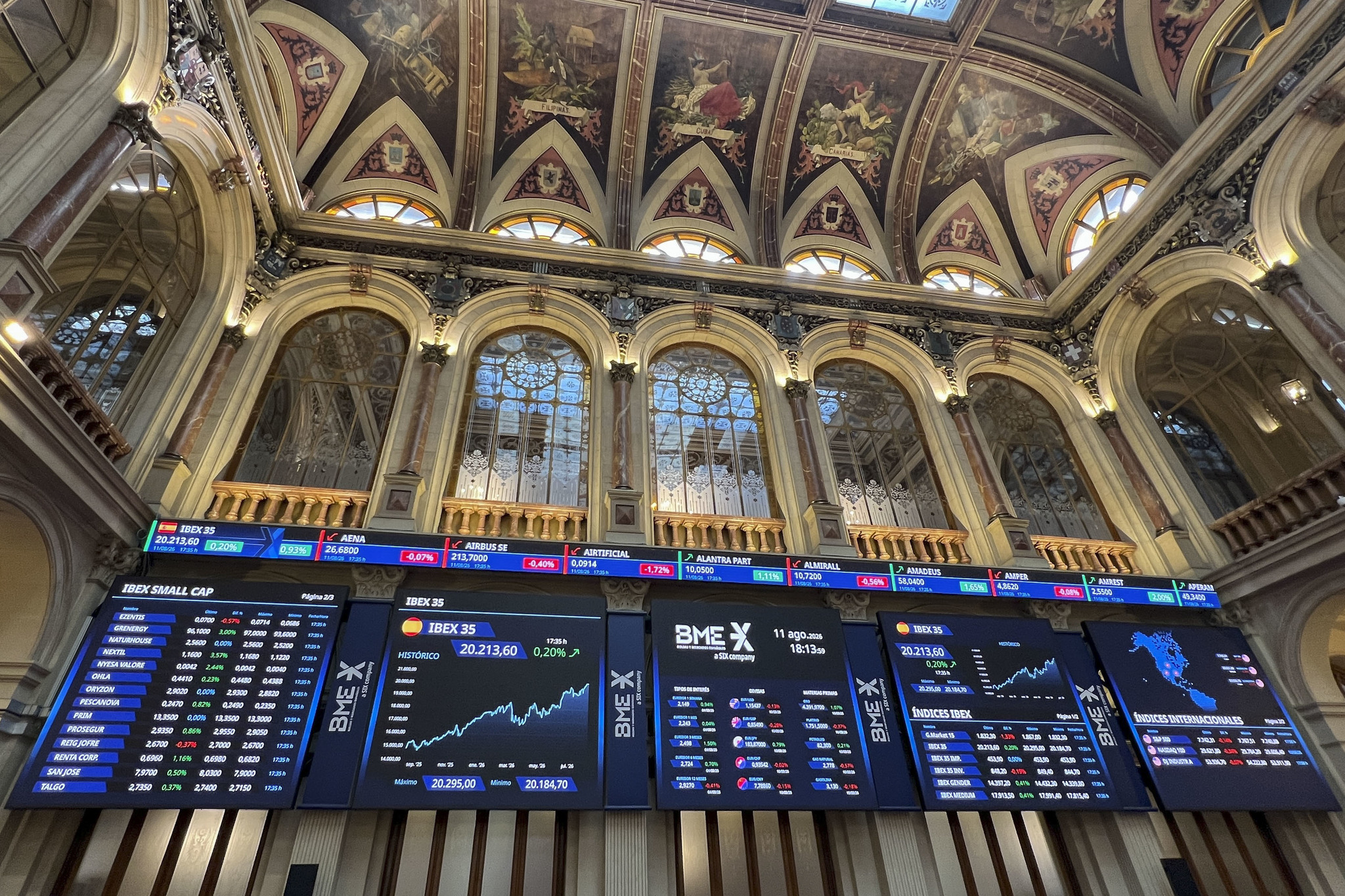
El Ibex espera el IPC de EEUU con la presión del petróleo Los dos grandes focos de la semana confluyen en la sesión de hoy. Los nuevos ataques registrados en Irán alejan el acuerdo, y las presiones que ejerce el petróleo añaden más tensión de cara al IPC de EEUU. El Ibex aguarda mayores novedades con cambios reducidos, nuevamente en zona de máximos. Leer
expansion · about 2 months ago

Trading Day: Peace fog reut.rs/45Ury13
bluesky_Reuters · about 2 months ago
Top Renewable Energy Stocks To Research – August 10th
gdeltproject.org · about 2 months ago
Prețul petrolului, din nou în creștere pe fondul prelungirii blocajului în Strâmtoarea Ormuz Preţurile petrolului au revenit marţi pe creştere, în condiţiile în care perspectivele unui acord rapid între Statele Unite şi Iran pentru redeschiderea Strâmtorii Ormuz se îndepărtează. Analiştii avertizează că reacţia relativ moderată a pieţei s-ar putea schimba rapid dacă blocajul se prelungeşte.
adevarul · about 2 months ago
Geldanlage: Wer den MSCI World kauft, schließt derzeit drei Wetten ab Nach wie vor performt der Index MSCI World übers Jahr gesehen stark mit 20 Prozent Kursgewinn. Doch hinter der positiven Entwicklung könnten Probleme lauern.
handelsblatt · about 2 months ago
Stocks mixed as UK inflation eases, sterling weighs
gdeltproject.org · about 2 months ago
Börse am 12. August: Geht die Rekordjagd weiter? Fünf Punkte, die für Anleger heute wichtig sind Der Dax hat am Dienstag erstmals die Marke von 26.500 Punkten geknackt. Am Mittwoch stehen nun neue Konjunkturdaten und Zahlen zum Ölmarkt im Fokus.
handelsblatt · about 2 months ago

Morning Bid: Hot spots sizzle, CPI looms reut.rs/4qgKEbk
bluesky_Reuters · about 2 months ago
Νευρικότητα στη Wall Street - Πετρέλαιο και πληθωρισμός κρατούν σε εγρήγορση τους επενδυτές Η άνοδος του πετρελαίου, καθώς δεν διαφαίνεται συμφωνία ΗΠΑ-Ιράν, επανέφερε τις πληθωριστικές ανησυχίες στην αμερικανική αγορά, που πλέον περιμένει με αγωνία τα αυριανά στοιχεία του CPI που θα διαμορφώσουν τις προσδοκίες για τις επόμενες κινήσεις της Fed
protothema · about 2 months ago
Börse am 12. August: Fünf Punkte, die für Anleger heute wichtig sind Der Dax hat am Dienstag erstmals die Marke von 26.500 Punkten geknackt. Am Mittwoch stehen nun neue Konjunkturdaten und Zahlen zum Ölmarkt im Fokus.
handelsblatt · about 2 months ago
Oil prices rise as Hormuz deal hopes fade Oil prices have continued their rise as hopes for a reopening of the Strait of Hormuz fade, bringing renewed fears of inflation and expectations of at least one US interest rate hike this year. Over the past week, the price of Brent crude oil has risen by around 10 percent, while the US and Iran […]
cphpost · about 2 months ago
Oil Extends Gains on Hormuz Uncertainty
gdeltproject.org · about 2 months ago
Oil prices rise as attacks dent hopes for Strait of Hormuz reopening Brent crude climbs as renewed violence dampens hopes for a return to stability in energy markets.
aljazeera · about 2 months ago
TURUÜLEVAADE ⟩ Iraani sõjapinged jätkuvad, nafta ja kuld kallinevad Nafta ja kulla hind tõusis kolmapäeval ning Aasia aktsiaturud liikusid geopoliitiliste pingete süvenedes ja USA tähtsate inflatsiooniandmete eel närviliselt ülespoole.
postimees · about 2 months ago
ELEKTRIKELL ⟩ Elektri börsihind kerkib kolmapäeval üle kahe korra Elektribörsi Nord Pool Eesti hinnapiirkonnas kerkib elektri keskmine hind kolmapäeval teisipäevaga võrreldes 201,6 protsenti, ulatudes 45,87 euroni megavatt-tunnist.
postimees · about 2 months ago
Oljepriset stiger Börserna faller i New York
expressen · about 2 months ago
Dow, S&P 500, Nasdaq: Wall Street schließt leicht im Minus – Nvidia-Aktie im Fokus Die großen US-Indizes notieren auf hohem Niveau – Anleger lassen sich von den steigenden Ölpreisen nur wenig beeirren. Allerdings könnte diese Stabilität von kurzer Dauer sein.
handelsblatt · about 2 months ago
DAX steigt erstmals über 26.500 Punkte
orf.at · about 2 months ago
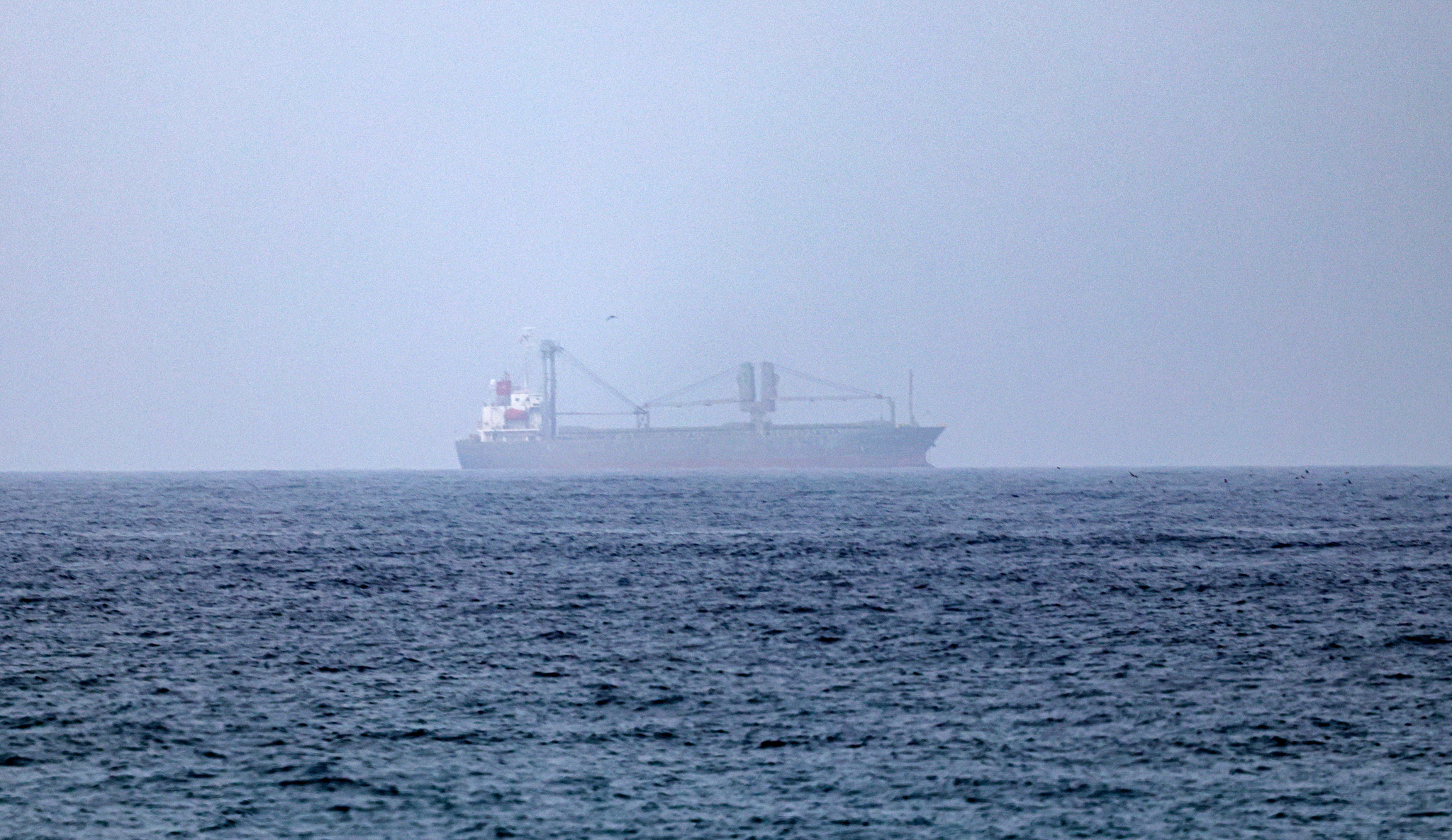
La caída de reservas anticipa un crudo a 140 dólares en otoño Los analistas avisan de que si el cierre del estrecho de Ormuz se prolonga la falta de petróleo y refinados en los mercados será cada vez más evidente y la escalada de precios se irá acelerando hacia final de año. Leer
expansion · about 2 months ago