 Saturday, June 13Saturday, June 13
Alexander Ospelt of Liechtenstein has been elected president of the International Ski and Snowboard Federation (FIS) in a razor-thin vote that ended Johan Eliasch’s controversial tenure after a single ballot in Belgrade on Wednesday. The result, confirmed by multiple national ski federations, gives Ospelt a mandate to lead the sport’s global governing body amid deep divisions over governance, athlete welfare and the future of winter sports.
The election hinged on a final tally of 52 to 51 in favor of the Liechtenstein lawyer and former FIS legal counsel, according to reports from the FIS Congress floor . Eliasch, a German-British businessman who had led the federation since 2021, faced mounting criticism from alpine, Nordic and North American member nations, as well as from prominent athletes, over perceived opacity, commercial conflicts and a lack of athlete representation. Ospelt’s victory was hailed by supporters as a fresh start for a sport confronting climate-driven calendar pressures and the rise of alternative winter activities.
Norway’s national ski federation confirmed Ospelt’s win with a one-vote margin, calling it “a historic moment for FIS and winter sports” . The Estonian Ski Association likewise reported the narrow outcome, underscoring the razor-thin consensus among voting delegates . Eliasch’s allies had accused the International Olympic Committee of last-minute interference, a claim echoed in German and Austrian press coverage .
Ospelt, 54, trained in law at the University of St. Gallen and has served as legal advisor to Liechtenstein’s Olympic Committee. His election platform emphasized transparency, athlete-centered governance and a sustainable calendar that balances elite competition with grassroots participation. In remarks to delegates, he pledged to “restore trust and unity” within the federation, which has seen multiple high-profile departures of national ski associations and athletes in recent years.
The vote caps a turbulent period for FIS, which has also faced scrutiny over its environmental policies and the commercialization of World Cup circuits. Ospelt inherits a federation with dwindling television audiences, aging infrastructure and a calendar increasingly disrupted by warming winters. His first major test will come in shaping the 2030 Olympic bid process, where Milan-Cortina remains the sole remaining European candidate.
Eliasch, who had vowed to challenge the result, did not immediately respond to requests for comment. FIS has scheduled an extraordinary council meeting for July 15 in Lausanne to formalize the transition and outline priorities for the new administration.

Discurso de Seguro no 10 de junho: realista ou populista? Pedro Frazão (CH) diz que António José Seguro foi o "maior populista de centro do país". Francisco César (PS) elogia o discurso do Presidente da República por ter tocado em vários pontos importantes.
observador · 2 days ago

Lyžaři si zvolili nového prezidenta. Ospelt porazil ve volbách kritizovaného Eliasche o jediný hlas Prezidentem Mezinárodní lyžařské federace (FIS) se stal lichtenštejnský právník Alexander Ospelt. Ve volbách o jediný hlas porazil dosavadního šéfa FIS Johana Eliasche, který během svého působení získal řadu kritiků hlavně z řad alpských, severských a severoamerických zemí i některých hvězdných závodníků.
irozhlas.cz · 2 days ago
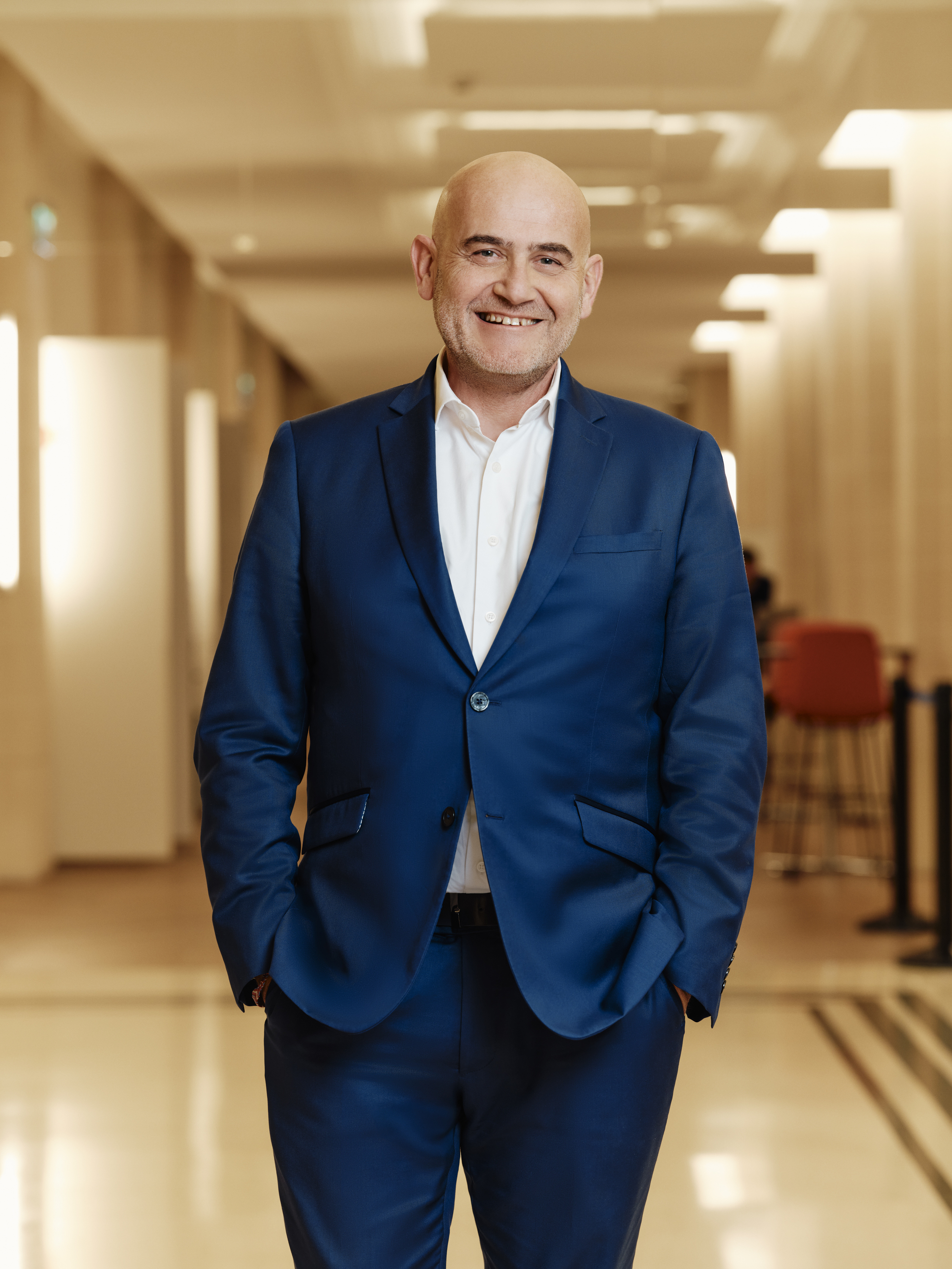
Christian Stein sustituye a Recasens como CEO de Renault en España Su nombramiento se hará efectivo el próximo 1 de julio, tras la salida de Recasens para recalar en Indra. Leer
expansion · 2 days ago
La cosa che mi ha conquistato e convinto è stata limmediata fiducia del presidente Pier Silvio Berlusconi. Sto ricevendo centinaia di messaggi: parla Milo Infante dopo laddio alla Rai Dopo i rumors, gli annunci ufficiali. Milo Infante ha salutato Ore 14, la Rai e il suo ruolo di vicedirettore degli Approfondimenti per sbarcare a Mediaset. Per lui un ruolo apicale nellinformazione, sarà infatti direttore di Videonews con Siria Magri, e la conduzione di un programma in prima serata: Si deve entrare con umiltà in […] Larticolo La cosa che mi ha conquistato e convinto è stata limmediata fiducia del presidente Pier Silvio Berlusconi. Sto ricevendo centinaia di messaggi: parla Milo Infante dopo laddio alla Rai proviene da Il Fatto Quotidiano.
il fatto quotidiano · 2 days ago
Violento incidente stradale per Pier Silvio Berlusconi, travolto da unauto proveniente dalla corsia opposta: illeso grazie ad airbag e cinture di sicurezza Pier Silvio Berlusconi è rimasto coinvolto nella serata di ieri in un violento incidente stradale mentre era alla guida della propria auto. Lo apprende lAnsa. Nonostante la forza dellimpatto, lamministratore delegato di Mediaset ha riportato soltanto lievi ferite e le sue condizioni non sarebbero tali da modificare gli impegni previsti per oggi, a partire dalla […] Larticolo Violento incidente stradale per Pier Silvio Berlusconi, travolto da unauto proveniente dalla corsia opposta: illeso grazie ad airbag e cinture di sicurezza proviene da Il Fatto Quotidiano.
il fatto quotidiano · 2 days ago
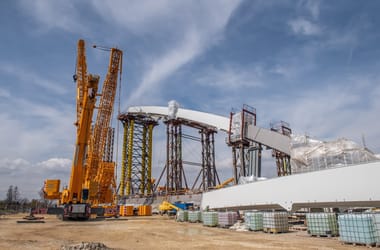
A kormány felfüggeszti az ebben a formában értelmetlen mohácsi Duna-híd kivitelezési munkáit Szakmailag nem alátámasztott a híd kétszer kétsávos kialakítása, Vitézy Dávid feladata lesz a beruházás felülvizsgálata.
hvg.hu · 2 days ago
Norges favoritt valgt til ny FIS-president Alexander Ospelt gikk seirende ut av kampen om å bli ny president i FIS. Han vant med én stemmes overvekt.
aftenposten · 2 days ago
Ponte Messina, Miele si dimette da presidente Collegio revisori Conti Csm Lex presidente aggiunto della Corte dei Conti aveva assunto lincarico per il quadriennio 2025-2028 a titolo gratuito; da marzo del 2026 il plenum aveva invece deliberato un compenso lordo di 27mila euro lanno
il sole 24 ore · 2 days ago
Die ÖBB bekommen wohl eine Frau an der Spitze [premium] Bald wird die Suche nach einer Nachfolge für ÖBB-Chef Andreas Matthä starten, er geht in einem Jahr. Silvia Angelo hat schon Vorbereitungen für den Job getroffen und setzt alles auf eine Karte.
die presse · 2 days ago
Tag der Entscheidung: Der ORF-Chef wird gewählt [premium] Eine Wahl unter dem Schatten der politischen Packelei: Neun Kandidaten stehen aktuell 35 Stiftungsräten Rede und Antwort. Es gab Schokobananen und Klagsandrohungen.
die presse · 2 days ago

Martin Hetzer als ISTA-Präsident verlängert Bis 2030 bleibt der österreichische Molekularbiologe an der Spitze des Institute of Science and Technology Austria in Klosterneuburg
der standard · 2 days ago
Branko Samarovski wurde zum Ehrenmitglied des Burgtheaters ernannt Der gebürtige Belgrader kam mit Claus Peymann an die Burg, spielte dort zahllose Rollen und ist seit 17 Jahren Kammerschauspieler
der standard · 2 days ago
Eliasch hauchdünn abgewählt: Ospelt neuer FIS-Präsident Der umstrittene Amtsinhaber unterlag dem Liechtensteiner Rechtsanwalt bei der Wahl der Mitgliederverbände in Belgrad nur ganz knapp
der standard · 2 days ago
Cine e Dan Plaveti, noul director al Hidroelectrica Hidroelectrica are o nouă conducere executivă, după ce Iulius Dan Plaveti a preluat, începând cu 10 iunie 2026, mandatul de președinte al Directoratului și funcția de CEO al companiei, într-un moment în care compania accelerează investițiile în regenerabile şi stocare.
adevarul · 2 days ago

KRS wybrała nowego przewodniczącego. Został nim Dariusz Zawistowski - Obdarzyli mnie państwo sporym zaufaniem, ja postaram się należycie wykonywać te obowiązki, które wiążą się z funkcją przewodniczącego - powiedział Dariusz Zawistowski. Głosowanie odbyło się na pierwszym posiedzeniu KRS w jej nowym, wybranym 15 maja, składzie sędziowskim.
gazeta.pl · 2 days ago

Nowy sędzia Trybunału Kontytucyjnego. Sejm zdecydował Sławomir Patyra został nowym sędzią Trybunału Konstytucyjnego. Za jego kandydaturą zagłosowało 235 parlamentarzystów.
gazeta.pl · 2 days ago
Hearings laufen Am Donnerstag entscheidet sich, wer den ORF ab 1. Jänner 2027 führt. Die nicht öffentliche Sitzung des Stiftungsrats dürfte sich bis in den späten Nachmittag ziehen. Vor der Abstimmung müssen die neun nominierten Bewerberinnen und Bewerber den 35 Gremiumsmitgliedern ihre Konzepte präsentieren. Der von der SPÖ nominierte Stiftungsratsvorsitzende Heinz Lederer betonte, alle gesetzlichen Vorgaben seien erfüllt worden. Der FPÖ-nominierte Stiftungsrat Peter Westenthaler kündigte bereits eine Anfechtung der Bestellung an.
orf.at · 2 days ago
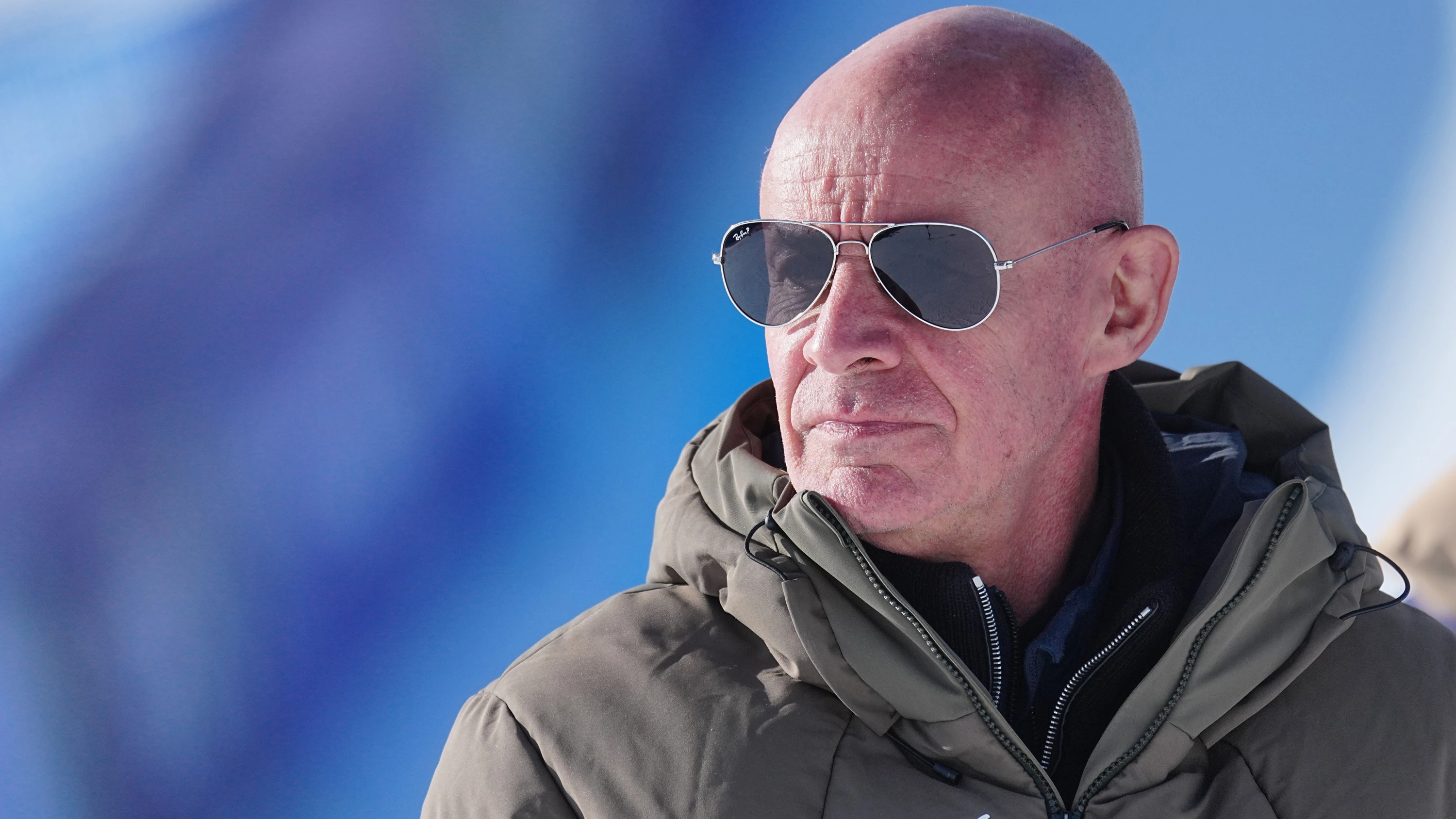
Wahlkrimi bei Fis-Kongress: Umstrittener Ski-Präsident Eliasch verliert mit einer Stimme Johan Eliasch wird als Präsident des internationalen Ski- und Snowboard-Weltverbands abgewählt. Die Abstimmung in Belgrad endet denkbar knapp.
faz · 2 days ago
Embattled Palestinian president of Oxford Union: Im not resigning Arwa Elrayess, the first Palestinian to lead University of Oxfords debating society, has been troubled by falsehoods.
aljazeera · 2 days ago
Suusaliidule valiti uus president, skandaalne Eliasch kaotas vaid ühe häälega Neljapäeval toimusid rahvusvahelise suusaliidu (FIS) presidendivalimised. Uueks juhiks valiti Liechtensteinist pärit Alexander Ospelt.
postimees · 2 days ago
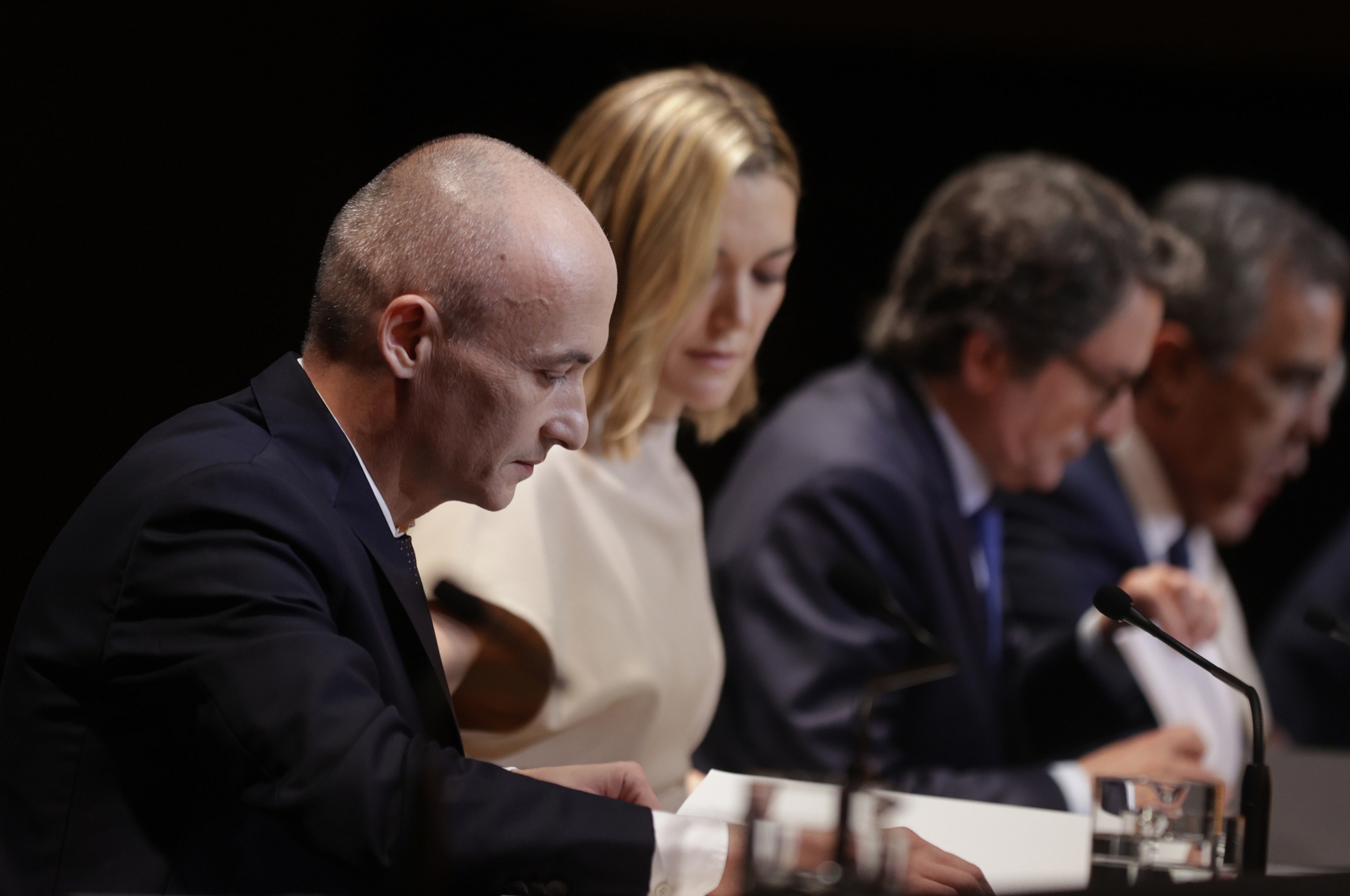
El proxy ISS, a favor de la subida de sueldo de Marta Ortega y Óscar García Maceiras El principal asesor de gobierno corporativo respalda con su voto a favor todos los puntos del orden del día previsto para la junta de Inditex, que se celebrará el 7 de julio. Leer
expansion · 2 days ago

Astiberri recibe el Premio Nacional a la Mejor Labor Editorial Cultural 2026 El jurado destaca a la editorial, que cumple 25 años, por "su inestimable contribución al elevar el cómic a la categoría de alta literatura y por la enorme ambición artística de un catálogo que testimonia su espíritu exigente"Gustavo Faverón, el escritor que agita y renueva el legado de Vargas Llosa y Bolaño: Nos gusta creer en la venganza La editorial Astiberri ha sido galardonada con el Premio Nacional a la Mejor Labor Editorial Cultural 2026. El jurado le ha otorgado este reconocimiento por su inestimable contribución al elevar el cómic a la categoría de alta literatura y por la enorme ambición artística de un catálogo que testimonia su espíritu exigente. Lo ha hecho, además, en un momento en el que la editorial está celebrando sus 25 años en el sector. El jurado también ha señalado que Astiberri ha construido su prestigio apostando por formatos cuidados y obras con un marcado sello de autor. Sus publicaciones abordan temas complejos como la memoria histórica, el periodismo de guerra, la biografía y la crítica social. El buen hacer editorial ha consolidado las carreras de figuras nacionales fundamentales con la publicación de obras que se han convertido en emblemáticas y, a la vez, ha tendido puentes culturales con la traducción de creadores internacionales relevantes, ha agregado. Asimismo, el jurado ha expresado que con un cuarto de siglo de historia y mil títulos vivos, su gestión sólida y coherente sigue atrayendo a nuevos públicos gracias a la variedad y a la belleza técnica y la estética de sus libros. Este premio, dotado con 30.000 euros, tiene por objeto distinguir el conjunto de la labor editorial de una persona física o jurídica que haya destacado por su aportación sobresaliente e innovadora a la vida cultural española. Astiberri Ediciones ha editado obras de autores como Edmond Baudoin, Lea Mazé, Jason Lutes, Eleanor Davis, Jeff Smith, Frederik Peeters, Josephine Mark, Craig Thompson, Alberto Breccia, Jason, Baru, Shigeru Mizuki, Guy Delisle, Jason, Jeff Lemire, Yaro Abe o François Bourgeon. Además, desarrolla una labor de promoción de autoría nacional, tanto novel como de firmas ya asentadas en el medio, con la exportación de las obras de autores como Paco Roca, Laura Pérez o Alfonso Zapico.
eldiario.es · 2 days ago
Ponte sullo Stretto, lex magistrato Miele (indagato per corruzione) lascia la presidenza del collegio dei revisori al Csm Tommaso Miele, lex presidente aggiunto della Corte dei conti indagato per corruzione nellinchiesta della Procura di Roma sul Ponte sullo Stretto, si è dimesso dallincarico di presidente del Collegio dei revisori dei conti del Consiglio superiore della magistratura. Come riportato da alcuni quotidiani, Miele aveva assunto lincarico ad aprile del 2025, prima a titolo gratuito […] Larticolo Ponte sullo Stretto, lex magistrato Miele (indagato per corruzione) lascia la presidenza del collegio dei revisori al Csm proviene da Il Fatto Quotidiano.
il fatto quotidiano · 2 days ago
Wintersport: Ende eines „Alptraums: Eliasch nicht länger Fis-Präsident Johan Eliasch verliert das Präsidentenamt beim Ski-Weltverband mit nur einer Stimme Unterschied. Was der Deutsche Skiverband jetzt vom neuen Kurs erwartet.
tagesspiegel · 2 days ago
Personalberater: Einer der letzten Headhunter seiner Art gibt Unabhängigkeit auf Bjørn Johansson schließt sich mit seiner Schweizer Beratung dem Konkurrenten Spencer Stuart an. Die Top-Besetzungen des gebürtigen Norwegers führen heute Weltkonzerne.
handelsblatt · 2 days ago