Loading…
 Wednesday, September 30Wednesday, September 30
A surprising new study from King’s College London suggests that chewing sugar-containing gum after eating nitrate-rich vegetables like beetroot, spinach, or kale may temporarily lower blood pressure by enhancing the body’s conversion of dietary nitrates into blood-vessel-relaxing compounds. The findings, published on 2 July in the *British Journal of Clinical Pharmacology*, show that sugar gum acidifies saliva, boosting nitrite levels by 45% and reducing systolic blood pressure by an average of 5 mmHg over three to six hours compared with sugar-free gum .
Researchers tracked 14 healthy volunteers who drank 70 ml of concentrated beetroot juice—naturally high in nitrates—then chewed either sugar or sugar-free gum for up to six hours. Saliva pH dropped significantly with sugar gum, accelerating the oral bacteria-mediated conversion of nitrates to nitrites. Blood nitrite concentrations rose 25%, and blood pressure fell further than with sugar-free gum. “The effect is modest and short-lived,” cautioned the study team, “and does not justify sugar gum as a hypertension treatment.” They stressed that the results merely highlight an unexpected interaction between diet and oral chemistry .
The discovery adds nuance to the established link between vegetable nitrates and cardiovascular health. For decades, clinicians have recommended nitrate-rich diets to support vascular function, but the new data suggest that everyday habits—like chewing sugar gum—can transiently amplify those benefits. “It’s a reminder that small behavioural tweaks can influence biochemical pathways we’re only beginning to understand,” said a spokesperson for the British Journal of Clinical Pharmacology .
Meanwhile, separate research published today underscores the broader risks of processed foods. A team led by Sorbonne Paris Nord University analysed data from 112,395 participants in the NutriNet-Santé cohort over nearly eight years and found that high intake of non-antioxidant preservatives—such as sorbates, nitrites, and sulfites—was associated with a 29% higher risk of developing hypertension and a 16% higher risk of overall cardiovascular disease. Even antioxidant preservatives like ascorbic acid and citric acid were linked to a 22% increased hypertension risk when consumed in large quantities .
Experts caution that the preservative study, like many in nutrition science, relies on observational data prone to confounding. “Randomised trials are needed to establish causality,” noted Anaïs Hasenböhler, lead author of the preservative analysis. The gum study, by contrast, used a controlled crossover design, lending it higher internal validity.
Taken together, the two studies illustrate the dual-edged nature of modern dietary science: one reveals an unforeseen benefit from a common habit, while the other highlights potential harms lurking in processed products. Neither offers a silver bullet for blood-pressure control, but both underscore the importance of scrutinising how everyday choices interact with the body’s biochemistry.
Follow us for live European news
3 further sources not geolocated

Teadlased hoiatavad maride keele ja kultuuri väljasuremise eest Venemaa Sverdlovski oblastis on uurali mari keel hääbumas, sest noored räägivad üha enam vene keelt.
postimees · 3 months ago
Efectele gumei de mestecat asupra tensiunii arteriale. Concluziile unui studiu inedit Hipertensiunea arterială este unul dintre cei mai importanţi factori de risc pentru infarctul miocardic, accidentul vascular cerebral (AVC) şi alte boli cardiovasculare. Alimentaţia joacă un rol esenţial în controlul tensiunii arteriale, iar legumele bogate în nitraţi, precum sfecla roşie, spanacul sau varza kale, sunt cunoscute pentru efectele lor benefice asupra funcţiei vaselor de sânge. Efectele …
hotnews.ro · 3 months ago
Kannabis | Kannabiksen käyttö nuorena lisää riskiä sairastua mielenterveyden häiriöihin Yhdysvaltalainen tutkimus seurasi 463 000:tta nuorta alaikäisestä aikuiseksi.
helsingin sanomat · 3 months ago

Dr Sebagh: products for clinic-worthy results
bluesky_The Times · 3 months ago
Eesti peakokk hoiatab: need viis levinud viga võivad su grilipeo rikkuda Kuigi jaanipäev on läbi, on grillihooaeg täies hoos ning eestlaste jaoks tähendab see suviseid õhtuid, kus restile jõuavad nii sealiha, kana kui ka köögiviljad. Samas võib maitsev grilliroog tänu nendele vigadele sootuks untsu minna.
postimees · 3 months ago
Dragoste, minciuni și spioni: aplicațiile de dating se dovedesc a fi un risc pentru securitatea națională Căutarea iubirii poate duce la un risc pentru securitatea națională, întrucât aplicațiile de dating sunt folosite în mod repetat de serviciile secrete străine pentru a colecta informații sensibile, a avertizat un expert în securitate cibernetică, scrie TVPWorld.
digi24 · 3 months ago
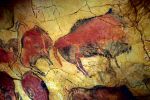
Forschende finden erstmals menschliche DNA an Höhlenkunst Alte DNA haftete womöglich über Jahrtausende an Felswänden, wie eine neue Studie zeigt. Sie passt zu einer Jäger-Sammler-Gruppe, die vor mehr als 5000 Jahren lebte
der standard · 3 months ago

Tieteellinen woke-testi: Oletko enemmän vasemmalla vai oikealla? Testaa
iltalehti · 3 months ago
Warnung: Mineralwasser in NRW wegen Bakterien zurückgerufen
die zeit · 3 months ago
Cea mai periculoasă plantă alergenică ascunde un secret neașteptat. Ambrozia, studiată pentru efectele sale împotriva tumorilor și bolilor de ficat Ambrozia, considerată cea mai periculoasă plantă alergenică din lume și responsabilă pentru milioane de cazuri de alergii sezoniere, ascunde în același timp un potențial medicinal surprinzător.
adevarul · 3 months ago
Onderzoek waarin chemo in de ochtend beter werkte, blijkt onbetrouwbaar
trouw · 3 months ago
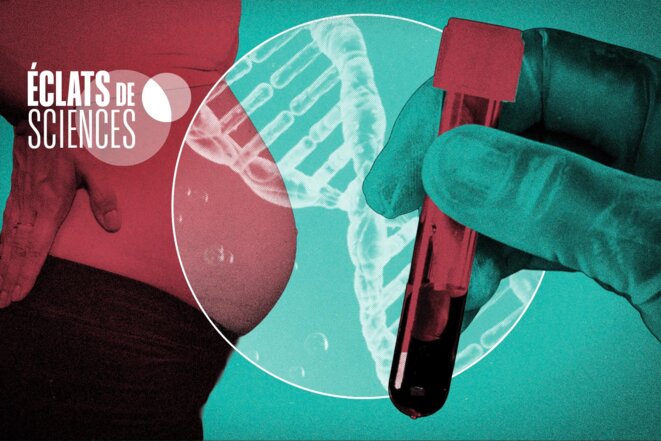
Quand la surveillance de la grossesse détecte des cancers maternels Alors que lutilisation des tests sanguins prénataux se développe, les mères sont de plus en plus souvent confrontées à des révélations inattendues concernant leur propre santé. En France, ces découvertes fortuites ne sont pas systématiquement communiquées.
mediapart · 3 months ago
Food Preservatives May Increase the Risk of High Blood Pressure and Cardiovascular Disease Aa large-scale study demonstrates that preservatives widely used in everyday processed foods may exacerbate common health risks.
wired.com · 3 months ago
Alimentul consumat zilnic de români care poate avea un indice glicemic mai mic. Specialiștii explică cum se prepară corect Pâinea se regăsește zilnic pe mesele multor români, însă este adesea asociată cu restricțiile alimentare, în special în rândul persoanelor care își monitorizează glicemia. Efectele acestui aliment asupra organismului nu sunt determinate doar de tipul de făină folosit, ci și de modul în care este preparat.
digi24 · 3 months ago
STUDIU Efect neaşteptat al gumei de mestecat asupra tensiunii arteriale. Ce au descoperit cercetătorii Hipertensiunea arterială este unul dintre cei mai importanţi factori de risc pentru infarctul miocardic, accidentul vascular cerebral (AVC) şi alte boli cardiovasculare. Alimentaţia joacă un rol esenţial în controlul tensiunii arteriale, iar legumele bogate în nitraţi, precum sfecla roşie, spanacul sau varza kale, sunt cunoscute pentru efectele lor benefice asupra funcţiei vaselor de sânge.
digi24 · 3 months ago

"Imigrantes não vêm comer do bolo, aumentam-lhe o tamanho" Estudo apresentado por Giovanni Peri, da Universidade da Califórnia, gerou o debate mais intenso durante o evento em Sintra.
observador · 3 months ago

New analysis suggests other factors may explain the harms blamed on ultra-processing. www.vox.com/future-perfe...
bluesky_Vox · 3 months ago
Drie belangrijke inzichten uit het onderzoek naar Seppe Nobels
de morgen · 3 months ago

En Inde, les klaxons nuisent gravement à la santé Dans les rues de Delhi, le niveau sonore est quatre fois supérieur au seuil recommandé par lOMS. Provoquées avant tout par lutilisation ininterrompue des klaxons, ces nuisances sont à lorigine dun grand nombre de troubles médicaux. Pourtant, constate lhebdomadaire britannique The Economist, très peu de mesures sont prises pour lutter contre ce fléau.
courrier international · 3 months ago
Ce se întâmplă în organism dacă mesteci gumă după ce ai mâncat spanac sau sfeclă Un studiu recent arată că un gest banal, precum mestecarea unei gume cu zahăr după o masă bogată în legume care conțin nitrați, poate influența temporar tensiunea arterială.
adevarul · 3 months ago

The Golden Mantella, Madagascars tiny jewel at risk
news.yahoo.com · 3 months ago
Ekspert selgitab, millised tervislikuks peetud harjumused tegelikult röövivad energiat Tervisliku toitumisega on seotud nii palju müüte, et neist on saanud justkui uus religioon. Teatud toiduaineid ja harjumusi peetakse ekslikult tervisliku eluviisi pühaks graaliks, kuigi reaalsus on sootuks teistsugune. Toitumisspetsialist Marjaana Puustinen lükkab ümber viis suurimat müüti ja selgitab, miks sotsiaalmeedias ülistatud trendid võivad su tervisele hoopis karuteene teha.
postimees · 3 months ago
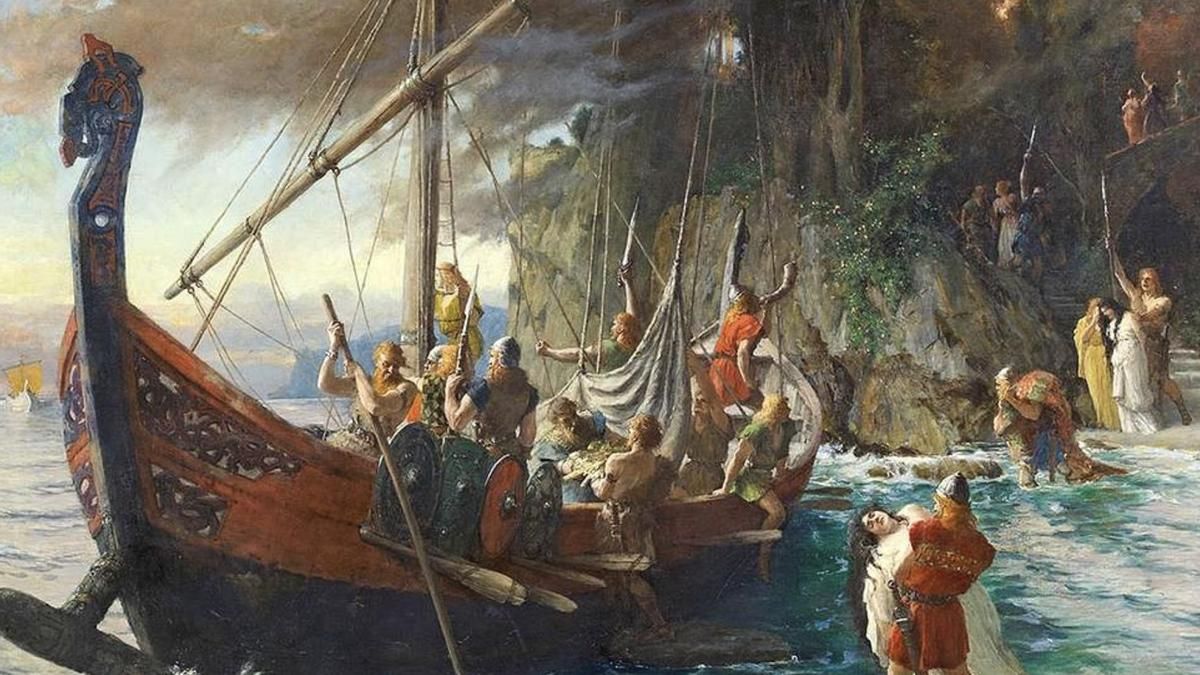
El abandono de los asentamientos vikingos en Groenlandia podría tener una explicación muy distinta de la aceptada Inviable sin agua - El trabajo publicado en Science Advances planteó una explicación distinta al frío extremo y llevó a revisar la causa que durante décadas parecía la más aceptada Años de trabajo acumulado terminan a veces en una decisión abrupta que obliga a dejar atrás lo que se ha construido y buscar otro lugar donde seguir adelante. Los vikingos dedicaron muchos esfuerzos en ir a Groenlandia para luego abandonarla tras llevar durante generaciones una vida que exigía adaptación a un entorno duro. Aquella presencia no fue improvisada ni breve, sino el resultado de instalar granjas, criar animales y organizar una comunidad que funcionó durante siglos. El abandono llegó cuando ese equilibrio dejó de ser perfect y la continuidad se volvió inviable en el día a día. Un estudio situó la escasez de agua como el principal problema Un estudio publicado en la revista Science Advances apunta a una causa distinta de la que se daba por válida durante décadas. La investigación, en la que participa el profesor de geociencias Raymond Bradley, sostiene que el problema principal no fue el frío extremo, sino la falta progresiva de agua en la zona donde vivían los colonos nórdicos. Durante años se pensó que la Pequeña Edad de Hielo había expulsado a los vikingos de Groenlandia. Ese periodo, que se extendió entre 1300 y 1850, redujo la temperatura en amplias zonas del Atlántico Norte. Según Ariel Hessayon y Dan Taylor en The Conversation, ese enfriamiento llegó a congelar ríos y mares costeros, interrumpió rutas comerciales y arruinó cosechas, lo que generó escasez de alimentos en distintos lugares. Parecía lógico que una región ya de por sí exigente quedara fuera de cualquier posibilidad agrícola. El problema es que esa explicación se apoyaba en datos recogidos lejos de donde vivían los vikingos. Bradley lo señaló al explicar el punto de partida de la investigación: Antes de este estudio, no había datos del lugar exacto donde estaban los asentamientos vikingos. Esa ausencia dejaba en el aire la relación entre el descenso de temperaturas y el abandono real de las granjas. Los análisis mostraron que el terreno fue perdiendo humedad Para resolver esa duda, el equipo se centró en un punto muy concreto del sur de Groenlandia, cerca del antiguo asentamiento de Brattahlíð. Allí, a pocos kilómetros, el lago 578 ofrecía un registro natural de lo ocurrido durante siglos. Boyang Zhao, investigador principal del trabajo, explicó que ese lugar no se había estudiado antes y permitía reconstruir las condiciones ambientales con mayor precisión. Durante tres años, los investigadores recogieron sedimentos del lago y analizaron dos tipos de indicadores. Por un lado, compuestos orgánicos producidos por bacterias que permiten estimar la temperatura. Por otro, restos de plantas cuya composición refleja la cantidad de agua disponible en el momento en que crecieron. Isla Castañeda, profesora de geociencias, explicó que esos compuestos permiten seguir los cambios de temperatura con bastante fiabilidad cuando el registro es completo. Zhao resumió el hallazgo principal al señalar que la temperatura apenas cambió durante el asentamiento vikingo en el sur de Groenlandia. Lo que sí se transformó de forma constante fue la disponibilidad de agua, que fue disminuyendo con el paso del tiempo hasta generar condiciones cada vez más secas. Las granjas fueron quedándose sin alimento para el ganado Ese cambio afectó directamente a la base de la vida en las granjas. La alimentación del ganado dependía de la hierba almacenada durante el verano para sobrevivir al invierno. Incluso en condiciones normales, los animales llegaban a la primavera en un estado muy débil y los agricultores tenían que sacarlos a los pastos casi a pulso. Cuando las lluvias empezaron a fallar, la producción de forraje cayó y prácticamente no había nada que hacer. Ante la falta de alimento, algunos colonos recurrieron al mar para compensar la escasez cazando focas y otros animales marinos. Esa opción implicaba más riesgo y no garantizaba resultados. A la vez, el aumento del hielo marino dificultaba los desplazamientos y el contacto con Europa, lo que complicaba el comercio del que dependían para obtener madera y otros recursos. El asentamiento vikingo en Groenlandia había empezado en el año 985 y llegó a reunir a más de 2.000 personas, según datos recogidos por CNN. Durante más de 450 años, esas comunidades mantuvieron un modo de vida basado en la ganadería y el intercambio con otros territorios. A comienzos del siglo XV, ese sistema dejó de mantenerse y las granjas quedaron vacías. El final no responde a una sola causa cerrada. La sequía redujo la capacidad de producir alimento, el aislamiento dificultó la llegada de suministros y el valor de productos como el marfil de morsa cayó en los mercados europeos. A eso se suman factores externos. Kevin Smith, investigador en Brown University, recuerda que una epidemia en Islandia entre 1402 y 1404 pudo influir en el traslado de población hacia un territorio con mejores condiciones agrícolas. Expertos pidieron cautela y mantuvieron el debate abierto Algunos especialistas piden prudencia antes de cerrar el debate. Orri Vésteinsson, profesor de arqueología en la Universidad de Islandia, advierte en Live Science que el estudio no demuestra con claridad que la sequía redujera de forma suficiente los recursos disponibles para explicar por sí sola el abandono. Aun así, el trabajo cambia el punto de partida y desplaza la atención hacia un problema que hasta ahora había pasado a un segundo plano. Sea o no cierto, el abandono de Groenlandia no se entiende como una retirada repentina, sino como una salida empujada por cambios que fueron estrechando las opciones año tras año. Cuando el alimento escasea y las rutas se cierran, quedarse deja de ser una elección posible.
eldiario.es · 3 months ago
Co jí budoucí otec, může ovlivnit zdraví dítěte. Naznačuje to výzkum na myších Budoucí rodiče můžou zřejmě zčásti naprogramovat metabolismus svých potomků. Vědci to ověřili na myších samečcích, kterým nabízeli různě zdravý jídelníček. Podle toho, o jakou šlo stravu, se potomkům pokusných myší měnily zdravotní parametry.
irozhlas.cz · 3 months ago
Drie belangrijkste lessen uit het onderzoek naar Seppe Nobels
de morgen · 3 months ago
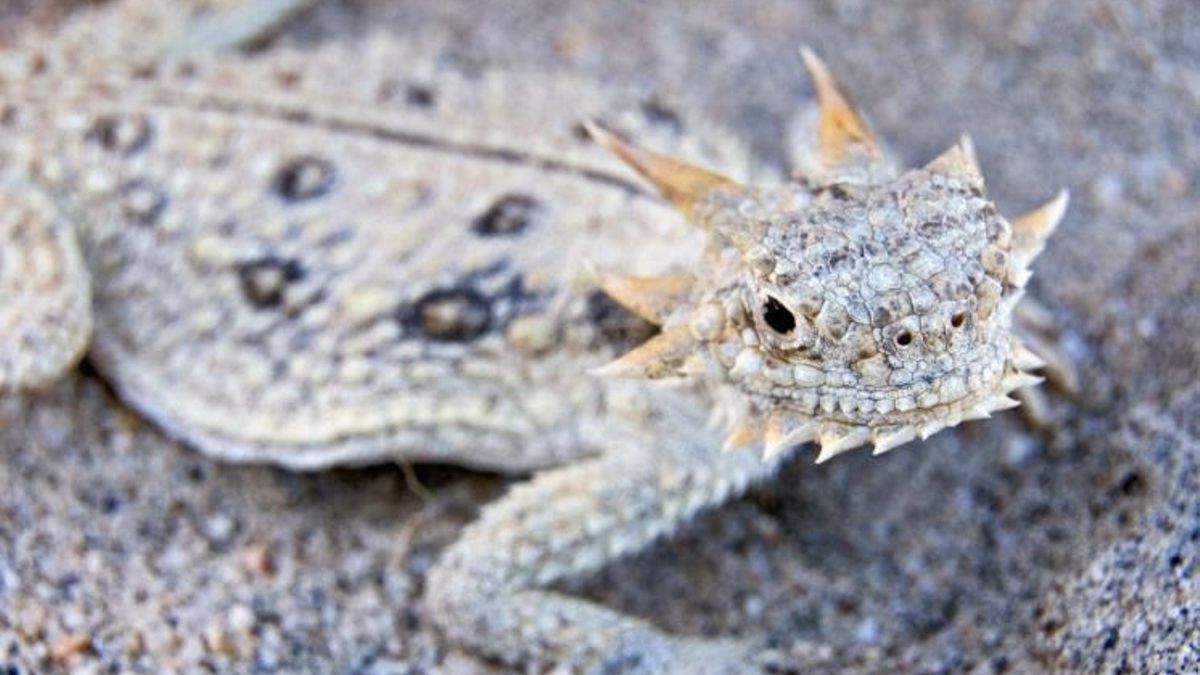
La forma en que un lagarto del desierto bebe agua impulsa un nuevo sistema de recolección más eficiente Desarrollo artificial - Las investigaciones describieron primero el mecanismo natural del reptil y después demostraron que ese mismo principio podía trasladarse a un dispositivo destinado a recoger agua El calor es infernal y el suelo apenas guarda humedad durante horas. Los animales que viven en el desierto se tienen que buscar la vida para sobrevivir, porque encontrar agua no es cuestión de suerte sino de estrategia. Cada movimiento cuenta cuando el entorno apenas ofrece oportunidades, y eso obliga a desarrollar formas de aprovechar cualquier rastro de humedad antes de que desaparezca. Esa necesidad empuja a soluciones que se apoyan en el cuerpo, en el comportamiento y en una relación muy ajustada con el terreno que pisan. Un estudio explica cómo el reptil dirige el agua hacia la boca Un equipo de la Seoul National University y del Daegu Gyeongbuk Institute of Science and Technology ha logrado aclarar uno de esos mecanismos en un estudio publicado en Proceedings of the National Academy of Sciences. El trabajo describe cómo el lagarto cornudo del desierto consigue llevar hasta la boca el agua que recoge en su piel, un proceso que había quedado sin explicar durante años. Las grabaciones a cámara rápida de doce ejemplares mostraron un patrón muy preciso. El animal abre la mandíbula de forma lenta y desigual, y la cierra después con rapidez. Ese gesto provoca que la fina película de agua que circula por la piel se rompa y avance hacia las comisuras de la boca. Los investigadores explican el mecanismo con una frase que resume la clave del proceso: Estos lagartos emplean movimientos de mandíbula asimétricos, con apertura lenta y cierre rápido, para facilitar un bombeo capilar eficiente. Ese movimiento solo funciona porque el agua ya está en marcha antes de llegar a la boca. La piel del lagarto está cubierta de pequeños canales entre escamas que actúan como una red de transporte. Cuando hay humedad en el suelo o cae una gota, esa red la absorbe y la dirige hacia delante sin necesidad de esfuerzo muscular. El animal no bebe como otros reptiles, porque en su entorno casi nunca hay charcos ni superficies abiertas donde hacerlo. Para medir hasta qué punto ese sistema evita pérdidas, el equipo construyó un modelo mecánico con dos placas de vidrio unidas por una bisagra. Al reproducir la apertura y el cierre en condiciones similares a las del animal, comprobaron que solo alrededor del 15 del líquido quedaba adherido a la superficie. El resto seguía disponible para ser recogido, lo que confirma que la secuencia de movimientos reduce al mínimo el desperdicio. El prototipo eliminó metales pesados mientras recogió el agua A partir de ahí, los investigadores trasladaron esa idea a un dispositivo artificial. El sistema utiliza un material poroso que actúa como esponja para extraer agua de suelos húmedos y un mecanismo motorizado que repite el mismo patrón de apertura y cierre. El diseño no busca copiar la forma del animal, sino reproducir el modo en que desplaza el agua dentro de un espacio muy limitado. El prototipo incorpora además una capa de Nafion en el material poroso. Ese componente permite eliminar metales pesados mientras el agua avanza por el sistema. En las pruebas con un entorno simulado, formado por esferas de vidrio empapadas en agua contaminada, el dispositivo logró retirar alrededor del 95 de sustancias como plomo o arsénico, lo que convierte la recogida en un proceso que también limpia el líquido. Ho-Young Kim, investigador de la Seoul National University, señala que gran parte del agua disponible está retenida en suelos húmedos que resultan difíciles de aprovechar. A partir de esa idea, plantea el alcance del sistema: Gran parte del agua sin explotar del mundo no está en ríos o embalses, sino atrapada en suelos húmedos y a menudo contaminados, y el lagarto nos mostró que puede extraerse con una acción capilar rítmica sencilla. El equipo trabaja ahora en ampliar el modelo para que funcione con múltiples unidades en paralelo. Esa posibilidad abre la puerta a instalaciones capaces de operar en zonas aisladas o con recursos limitados, donde no llegan las infraestructuras convencionales. El mismo principio que permite a un animal sobrevivir con lo mínimo se convierte así en una herramienta que puede trasladarse a otros escenarios donde cada gota sigue siendo decisiva.
eldiario.es · 3 months ago
Populaarsed kaalulangetusravimid üllatasid teadlasi uue tervisemõjuga Ülekaal ja ainevahetusprobleemid mõjutavad nii meeste kui ka naiste hormonaalset tasakaalu, soodustavad kehas põletikulisi protsesse ja vähendavad viljakust.
postimees · 3 months ago
De ce sunt disperați fermierii români deși au producții record la grâu în 2026. „E un an cum n-a mai fost de mult în România Anul 2026 va fi pentru fermierii care cultivă cereale unul cum n-au mai avut de multă vreme. Sunt producții peste așteptări, doar ploile le-ar mai putea da calculele peste cap. Ar fi fost un an bun și pentru porumb și floarea-soarelui, culturi prășitoare la care însă au renunțat în bună parte.
adevarul · 3 months ago