
WHO says Congo Ebola outbreak began months before declaration as cases surge

The World Health Organization said Monday that the Ebola outbreak in the Democratic Republic of the Congo began in February, months before it was officially declared in mid-May. Dr. Mohamed Yakub Janabi, the WHO regional director for Africa, told a news conference in Bunia that genetic sequencing indicated the outbreak’s earlier start, with some initial cases misattributed to malaria and typhoid.
Confirmed cases have reached 4,200, including over 1,900 deaths, according to the latest government figures. The outbreak is driven by the rare Bundibugyo strain of the virus, for which there are no approved vaccines or treatments. Early testing focused on the more common Zaire strain, contributing to delays in detection. The WHO noted that between 60% and 70% of new cases are recorded outside of monitored contacts, and the outbreak is spreading at an “alarming” rate, according to Director-General Tedros Adhanom Ghebreyesus.
On Friday, WHO vaccine experts recommended a full-scale human trial of the Ervebo vaccine, which has proven safe and effective against the Zaire strain, to assess its potential cross-protection against the Bundibugyo strain. Dr. Paulin Mutombo Beya, deputy director at the Kinshasa School of Public Health, discussed the possibility in a France 24 interview, citing early data from animal trials suggesting partial efficacy .
The outbreak is unfolding under severe operational challenges, including strikes by unpaid health workers, threats from rebel groups, and misinformation in affected communities. Health teams face shortages of protective gear and difficult terrain, while displaced populations struggle with limited access to clean water for hygiene. The Bundibugyo strain’s lack of approved countermeasures has complicated response efforts, with Tedros stating last week that the virus is spreading faster than containment measures .
Meanwhile, Finland confirmed its first cases of African swine fever in wild boar, detected in Virolahti near the Russian border. The EU’s reference laboratory validated the findings, identifying the virus as part of genetic group 3, first reported in Ukraine in 2012 and since detected in multiple European countries. Finnish authorities said the route of introduction remains unconfirmed .
Follow us for live European news
- 2
- 2
- 2
- 2
- 2
- 1
- 1
- 1
- 1
- 1
- 1
1 further source not geolocated
Articles

Gesundheitsamt warnt vor Blaualgen vor beliebtem Ostseestrand Vor Warnemünde ist in der Ostsee ein Algenteppich gesichtet worden. Es besteht der Verdacht, dass es sich um gesundheitsschädliche Blaualgen handelt. Das Gesundheitsamt rät, die betroffenen Strandabschnitte zu meiden.
welt.de · about 3 hours ago

Találtak valamit a rájákban, ami hatásos lehet a daganatok ellen Egy rájából és egy dél-amerikai békából származó molekulahibrid daganatellenes hatását vizsgálták a Szegedi Biológiai Kutatóközpont (SZBK) munkatársainak részvételével.
hvg.hu · about 3 hours ago

Sikarutto | Suomen ensimmäiset sikaruttotapaukset vahvistuivat Ruokavirastossa todetut tautitapaukset vahvisti EU:n afrikkalaisen sikaruton vertailulaboratorio.
helsingin sanomat · about 3 hours ago
Study links long COVID-19 to surge in new chronic illnesses in Estonia A new study based on data from Estonian residents shows that long COVID and chronic illnesses have a direct two‑way connection. Existing chronic diseases prolong COVID symptoms, which in turn paves the way for diagnoses such as sleep apnea and heart rhythm disorders.
news.err · about 3 hours ago
Rekultivierung gestartet – Auf dem Schuttkegel in Blatten grünt die Hoffnung In Blatten VS laufen Tests mit Saatgut, um den Schuttkegel zu begrünen. Erste Resultate stimmen optimistisch.
srf.ch · about 3 hours ago
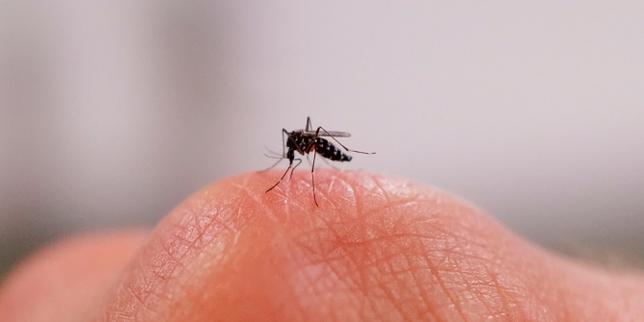
Le moustique-tigre pourrait se répandre dans presque tout lHexagone dici à un demi-siècle Si plusieurs facteurs ont contribué à la propagation rapide du moustique-tigre depuis son arrivée en 2004, une étude estime que la quasi-totalité des changements à venir dans laire de répartition du moustique et dans le risque de transmission de la dengue seront attribuables au changement climatique.
le monde · about 3 hours ago
WHO: Ebola-utbruddet startet trolig allerede i februar Ifølge Verdens helseorganisasjon (WHO) startet ebolautbruddet i Kongo flere måneder før det ble offentlig kjent.
aftenposten · about 3 hours ago
The living patch: could a tea-inspired material help treat eczema? Continue reading The living patch: could a tea-inspired material help treat eczema? at The European Sting - Critical News & Insights on European Politics, Economy, Foreign Affairs, Business & Technology - europeansting.com.
european sting · about 3 hours ago
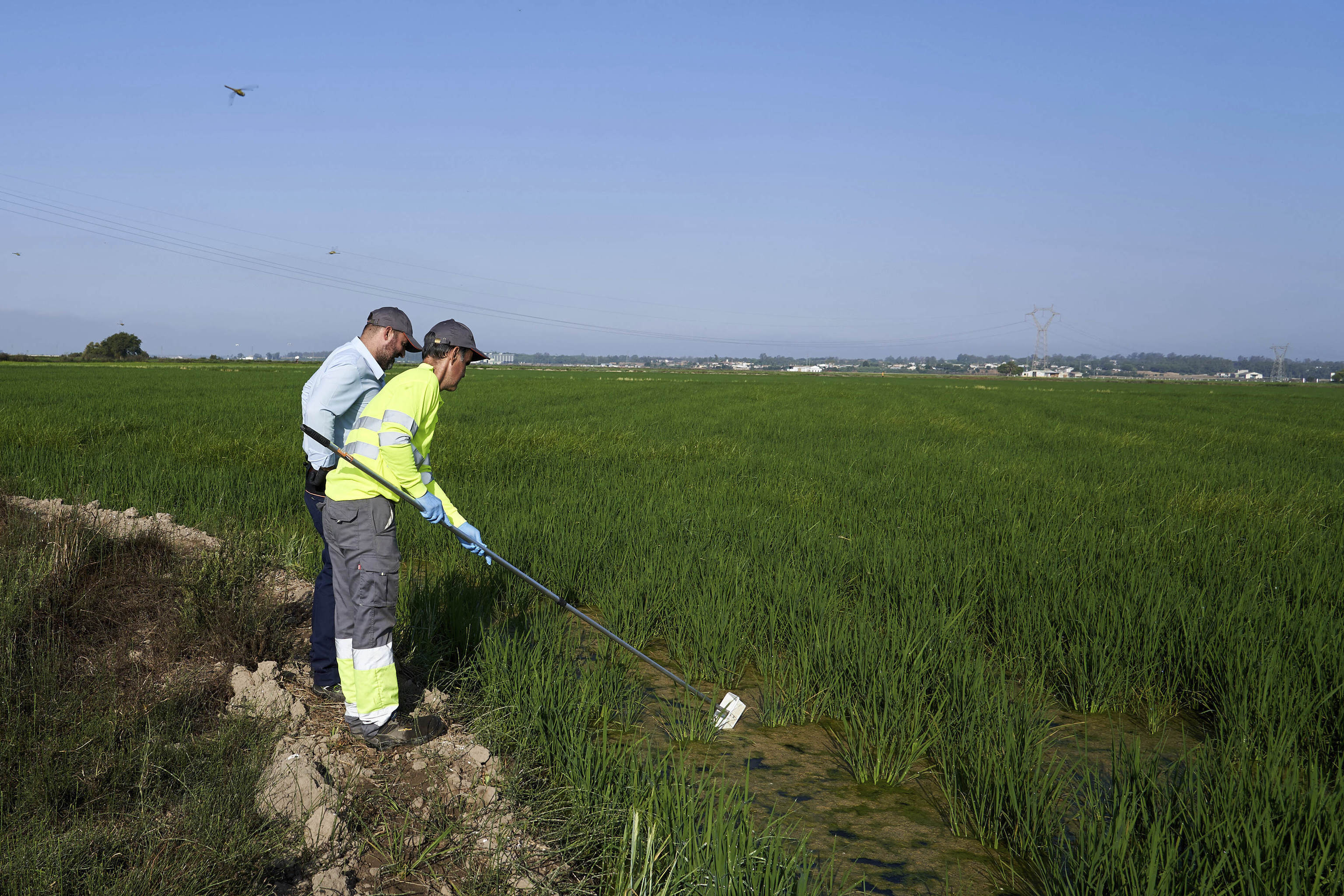
Andalucía confirma cinco nuevos casos de virus del Nilo en la provincia de Sevilla Un fallecido y 26 contagios confirmados en la comunidad autónoma elevan la alerta e intensifican los controles en una veintena de municipios Leer
elmundo · about 3 hours ago
WHO says Congos Ebola outbreak started months before it was declared The World Health Organization says the fastest-growing Ebola outbreak started in February, months before it was officially declared in May
abcnews · about 3 hours ago
FMD situation as very good says veterinary association There have been no further confirmed cases of foot and mouth disease (FMD), the veterinary association told the Cyprus Mail on Monday, describing the overall situation as stable. We have exceeded almost 800 samplings up to now, all of which are negative except the two known cases in Avgorou and Pentakomo which are under investigation, […]
cyprus mail · about 3 hours ago

El turista contagiado de hantavirus recibe el alta y regresa a su domicilio tras dar negativo en PCR Sus dos contactos estrechos también han resultado negativos, aunque deberán terminar la cuarentena de 42 días
la vanguardia · about 3 hours ago

Un turista desencadena un brote de sarampión en Mallorca y se teme una cadena de contagios El primer afectado, un menor de edad, fue atendido de urgencias en un hospital de la Isla
la vanguardia · about 3 hours ago
Hilfe für bedrohte Tierart: Günther bei Edelkrebs-Artenschutzprojekt im Kieswerk
die zeit · about 3 hours ago
Researchers zoom in on tiny life forms that could save our soils and our health Continue reading Researchers zoom in on tiny life forms that could save our soils and our health at The European Sting - Critical News & Insights on European Politics, Economy, Foreign Affairs, Business & Technology - europeansting.com.
european sting · about 3 hours ago
DR Congo: Could a vaccine soon be available to the public? The Ervebo vaccine has proved safe and effective against the more common Zaire strain of the Ebola virus, and World Health Organization experts say early data, notably from animal trials, suggest it may also offer some protection against the rarer Bundibugyo strain, which is spreading in the DR Congo. We discuss this with our guest, Dr. Paulin Mutombo Beya, deputy director at the Kinshasa School of Public Health.
france24 · about 3 hours ago
WHO urges Ervebo vaccine trial in DR Congo Ebola outbreak WHO vaccine experts on Friday recommended a full-scale human trial of the only existing approved Ebola vaccine to see if it offers cross-protection against a deadly strain spreading in the DR Congo.
france24 · about 3 hours ago
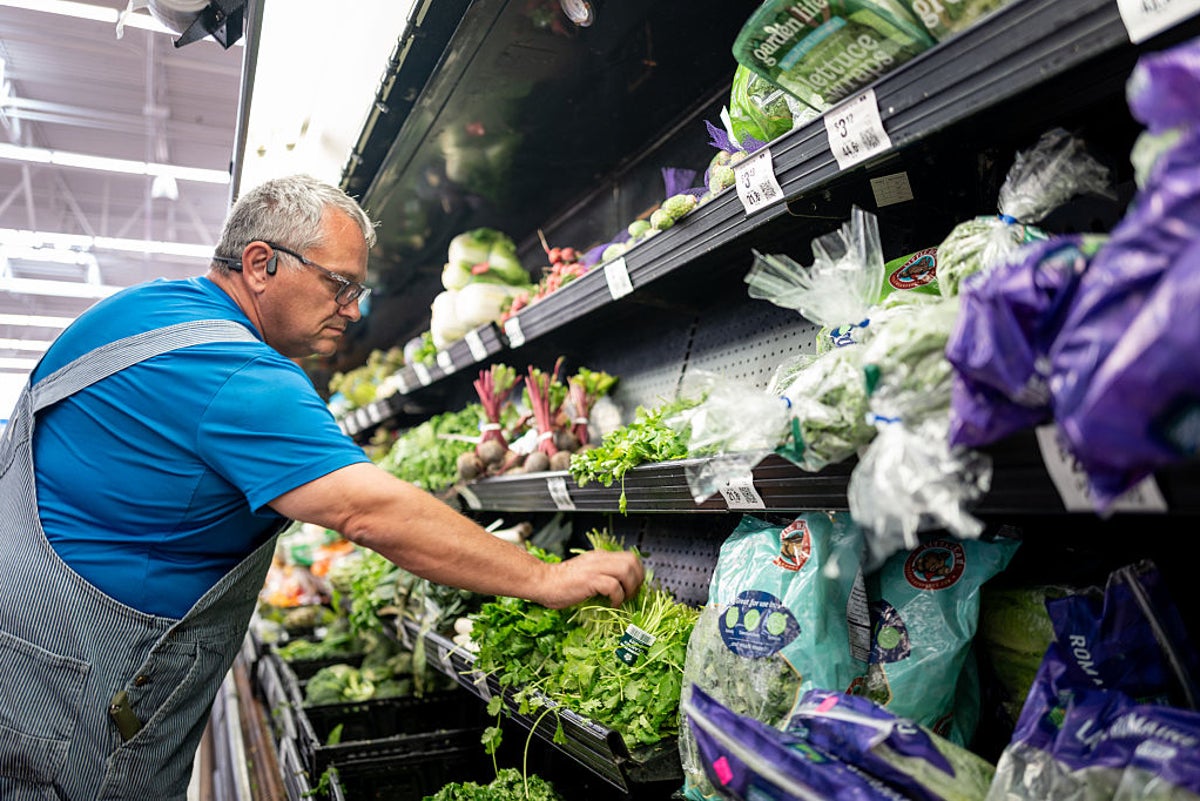
Parasite behind the explosive diarrhea outbreak spreads through human waste. So how did it get on our food? The parasites spread can become a self-perpetuating cycle
independent · about 3 hours ago
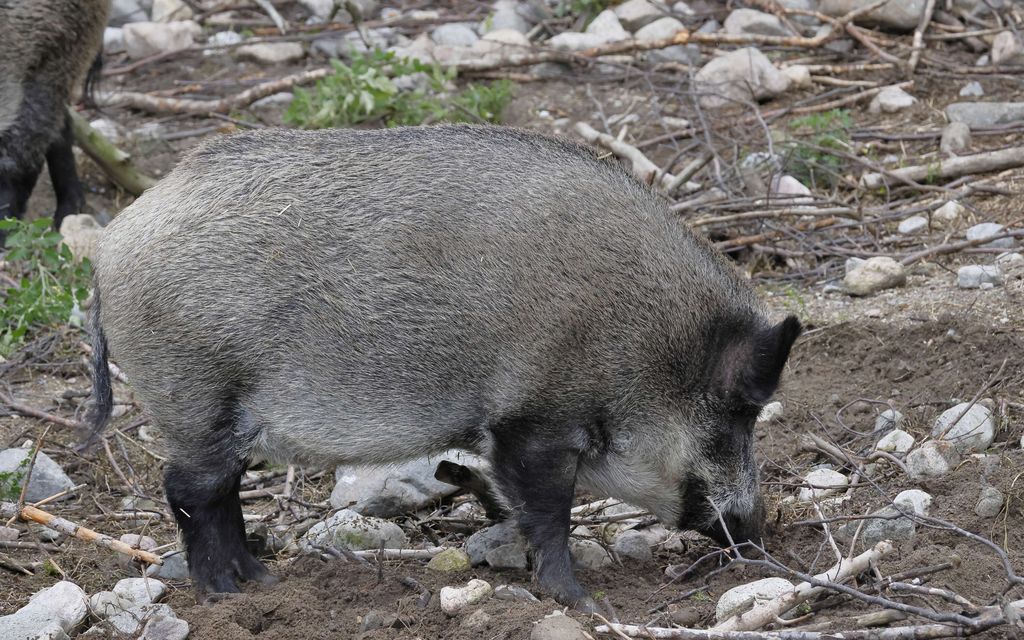
Nyt se on varmaa: Pelättyä tautia löytyi Suomesta
iltalehti · about 3 hours ago
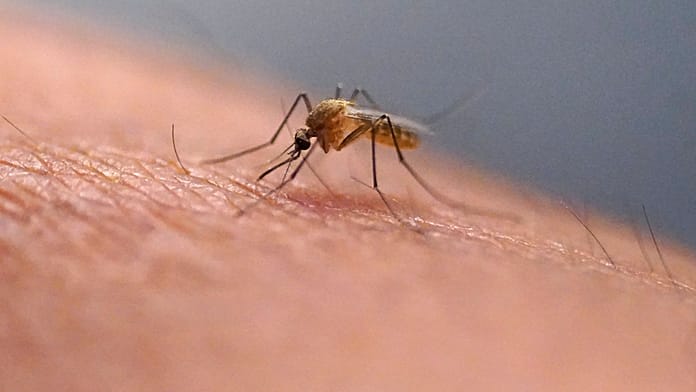
Mosquitoes have favourites — and each species has its own Different mosquito species prefer different people. Understanding what makes some people mosquitoe magnets could help scientists develop new ways to combat mosquito-borne diseases.
euronews · about 3 hours ago