Loading…
 Friday, August 14Friday, August 14
Five years after the Taliban seized power in Afghanistan, the country faces a deepening humanitarian crisis marked by severe hunger, repression of women’s rights, and a collapsing education system for girls.
The Taliban took control of Kabul on Aug. 15, 2021, following a rapid offensive. Since then, the group has systematically restricted women’s rights, barring girls from secondary and higher education and limiting women’s employment, according to reports from the United Nations and aid organizations. Afghanistan is now the only country where girls and women are prohibited from attending secondary school and university, the U.N. noted.
The humanitarian situation has deteriorated sharply. The World Food Programme reported that 47% of Afghan children under 5 were under nourished in the first quarter of 2026, a level described as unprecedented by the agency. WFP country director John Aylieff told journalists in Geneva that funding shortfalls had forced the program to scale back nutrition support, leaving it able to feed only one in nine of the 14 million people facing acute hunger. “Too many are arriving too late to be saved,” Aylieff said, citing critical levels of child wasting in a third of Afghanistan’s provinces .
Climate-related disasters and economic strain have compounded the crisis. Floods and droughts have devastated crops, while international aid remains underfunded—only 42% of required funds were provided last year, according to the Norwegian Refugee Council. Thamindri de Silva, head of World Vision International in Herat, described the situation as uniquely severe: “In Afghanistan, there are conflicts, a famine, and natural disasters all at the same time” .
Diplomatic tensions persist as the Taliban seek international recognition. Manizha Bakhtari, Afghanistan’s ambassador to Vienna, told Austrian media she continues to represent the Islamic Republic of Afghanistan and rejects the Taliban regime. She confirmed that Taliban-appointed diplomats now control Afghanistan’s embassy in Berlin and consulates in Munich and Bonn, despite German officials framing the arrangement as technical. Bakhtari said the Taliban have pressured Austria to remove her, including by sending dismissal letters through their embassy in Islamabad .
For Afghan women, resistance takes quiet forms. Shaheda Hakimi, an 18-year-old in Kabul, completed her secondary education through an online school after the Taliban banned girls from classrooms. She has since secured a full scholarship to a Canadian university but faces bureaucratic hurdles, including the need to leave Afghanistan to apply for a visa. Over 2.4 million girls are now excluded from secondary education, UNICEF estimates, as the Taliban have issued more than 70 decrees restricting women’s rights since 2021 .
Nearly 5.9 million people have returned to Afghanistan since September 2023, a 10-12% population increase, as neighboring Pakistan and Iran tighten policies against Afghan refugees, the U.N. reported. Many return to avoid deportation, further straining resources in a country already grappling with mass displacement and economic collapse.
Follow us for live European news
3 further sources not geolocated

De norske fremmedlegionærene kjempet og døde for Frankrike. Omkring 1000 nordmenn har siden 1800-tallet tjenestegjort i den franske Fremmedlegionen. Dette er historien om eventyrerne, idealistene og soldatene som dro i krig under fremmed flagg.
aftenposten · about 2 hours ago
Abschiebungen nach Afghanistan sind bisher die Ausnahme [premium] Deutschland will Abschiebungen nach Afghanistan ausweiten. Österreichs Behörden schieben seit dem Oktober 2025 wieder nach Kabul ab: Seither wurden laut dem Innenministerium sechs straffällige Afghanen in ihr Heimatland überstellt.
die presse · about 2 hours ago
Afghanistans Taliban wollen den Europäern eine Falle stellen [premium] Fünf Jahre nach ihrer Machtübernahme leben Afghanistans Islamisten ihre bizarre Ideologie aus und nehmen die Bevölkerung in Geiselhaft. Sie wollen die internationale Anerkennung ihres Terrorregimes und setzen auf Europas Schwachpunkt: die Sorge wegen Migration.
die presse · about 2 hours ago
„Die Taliban haben ein System der Gender-Apartheid errichtet [premium] Die afghanische Botschafterin in Wien, Manizha Bakhtari, schildert die dramatische tägliche Unterdrückung von Mädchen und Frauen in ihrer Heimat. Sie wirft dem Taliban-Regime vor, 20 bis 22 internationalen Terrorgruppen Unterschlupf zu gewähren. Die USA hätten Afghanistan im Stich gelassen.
die presse · about 2 hours ago
Fünf Jahre Taliban-Dikatur: Afghanistans Jugend lebt wie in einem Käfig [premium] Die 18-jährige Shaheda Hakimi machte geheim die Matura. Salman Aref arbeitet trotz Uni-Abschluss in einer Fabrik. Menschen aus Kabul schildern ihr Schicksal.
die presse · about 2 hours ago
Tanzid makes history as Bangladesh dominate first Australia Test Tanzid Hasan hits first Bangladesh ton in Australia as tourists close Day Two of first Test on 351-6, leading by 153.
aljazeera · about 2 hours ago
Menschenrechte: Fünf Jahre Taliban-Herrschaft – wie geht es den Afghanen? Millionen Afghanen hungern, Frauen verschwinden aus der Öffentlichkeit – wie erleben die Menschen im Land die neue Realität unter den islamistischen Machthabern?
tagesspiegel · about 2 hours ago
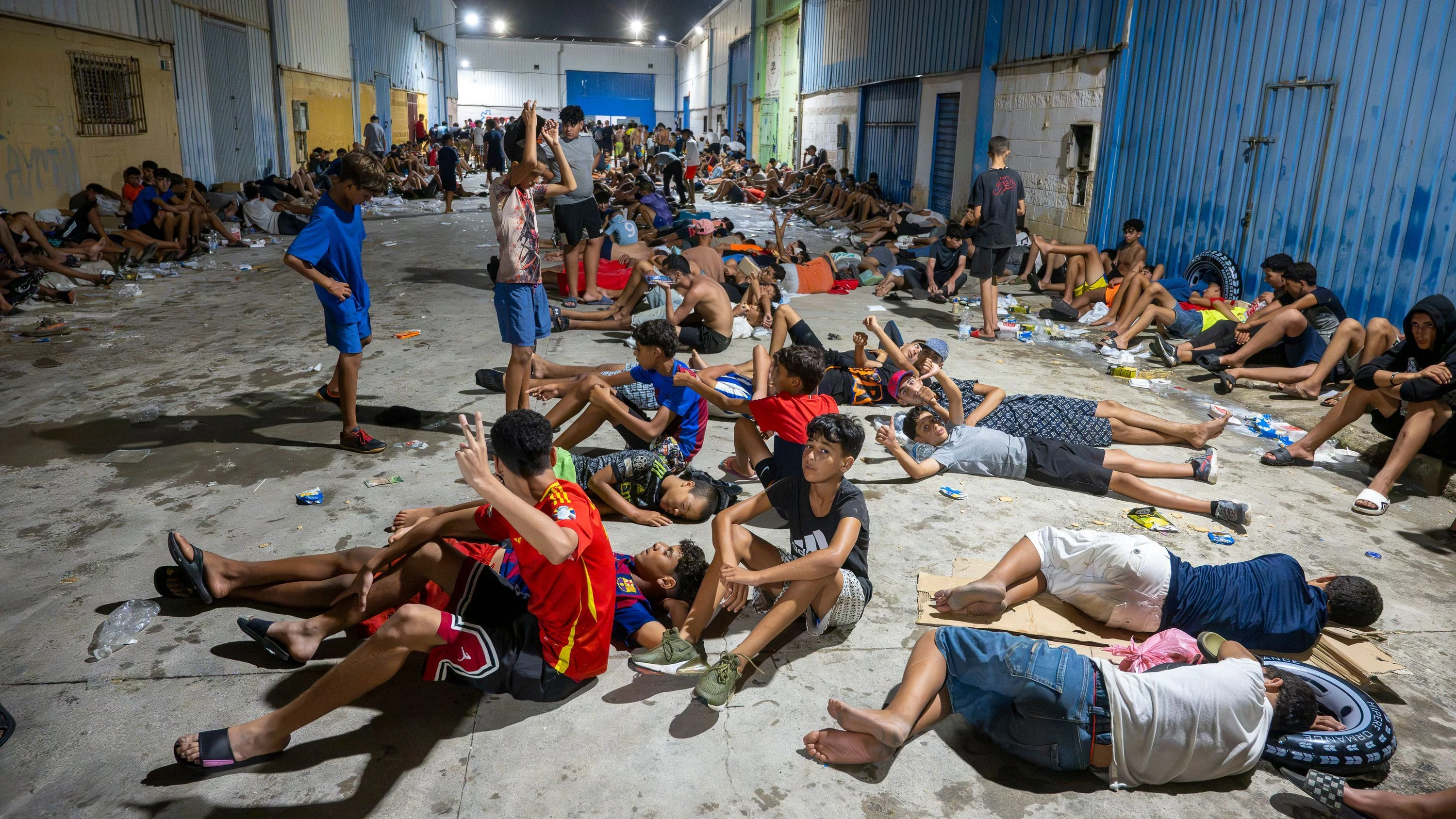
F.A.Z. Frühdenker: Steht Ceuta vor dem nächsten Massenansturm? Vor fünf Jahren nahmen die Taliban Kabul ein. Die Deutschen sind gespalten in ihrer Meinung zu den Reformen der Bundesregierung. Und: Die Liebe lässt sich in Berlin nicht unterkriegen. Der F.A.Z. Frühdenker.
faz · about 2 hours ago

Afghanistan Cricket Board wants India T20I shifted to festival date
news.yahoo.com · about 2 hours ago
Five years of Taliban rule leave Afghanistan facing hunger, repression and a lost generation As Afghanistans hardline Islamist movement marks five years back in power, the anniversary has drawn renewed global attention to a crisis that had faded from view. The babys bottle contained no milk, only weak, diluted tea. Speaking from Kabul, the UN World Food Programmes country director for Afghanistan recalled the plight of Farida, an Afghan mother struggling to nourish her child. Normally you expect the childs bottle to be full of milk, John Aylieff told journalists convened by the United Nations in Geneva. There was simply no money in the household for milk. Such scenes are becoming increasingly common across Afghanistan, where the humanitarian crisis has deepened since the Taliban returned to power in August 2021. Severe funding shortfalls have compounded the problem: the World Food Programme (WFP) says it has been forced to scale back nutrition programmes and can currently feed only one in nine of the 14 million people facing acute hunger. Many women now trek for ...
swissinfo · about 2 hours ago
Editorial: Never forget the ideas of Milton Friedman
gdeltproject.org · about 2 hours ago
Mali says 82 soldiers captured by armed groups have been freed Malian army says the soldiers were held prisoner by Tuareg and al-Qaeda-linked armed groups in the northern region.
aljazeera · about 2 hours ago

Vor diesen rollenden Festungen verbluteten ganze Ritterheere Nachdem der Reformator Jan Hus in Konstanz hingerichtet worden war, kam es in Böhmen zum Aufstand. 1431 versuchte ein neuer Kreuzzug, die Hussiten als Ketzer auszulöschen. Diese verdankten ihr Überleben einer militärischen Innovation.
welt.de · about 3 hours ago

Wir belohnen IS-Gefährder – und bestrafen die Integrierten Ein Terrorist klagt erfolgreich gegen seine Abschiebung – und wird für die Ausreise mit 6000 Euro bezahlt. Eine Pflegerin wird nach 24 Jahren nach Ghana abgeschoben. Verkehrte Welt.
welt.de · about 3 hours ago
Stimmrecht für alle: Der kurze Sieg der Freiheit 1918 geht der Kaiser ins Exil, innerhalb weniger Wochen wird Deutschland eine Demokratie. Eine ungewöhnlich friedliche Revolution, von der auch Frauen profitierten.
die zeit · about 3 hours ago
Pakistan: Celebrating Independence and Resilience
gdeltproject.org · about 3 hours ago
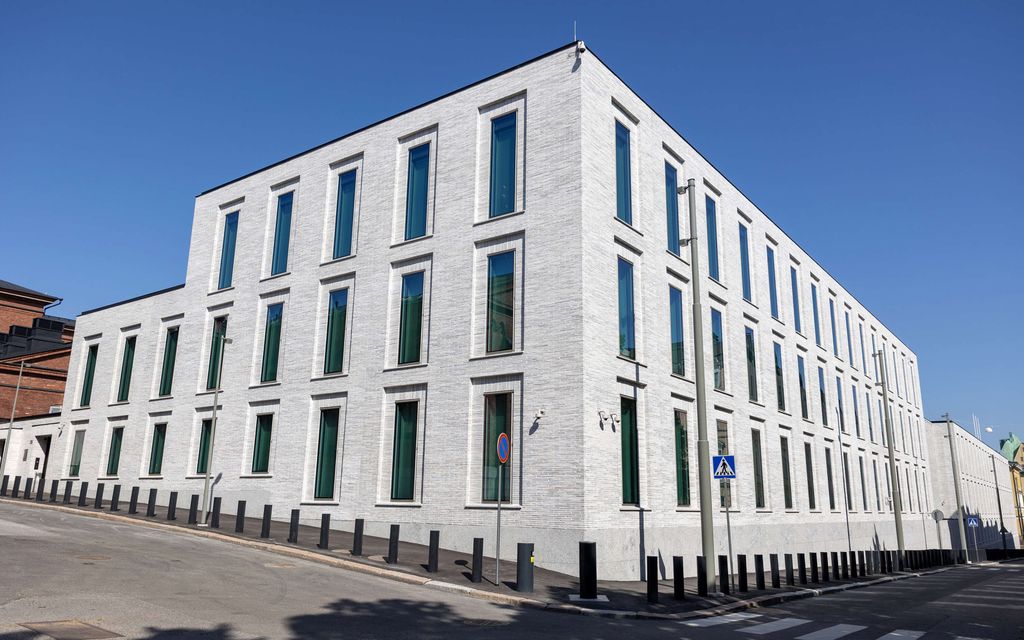
Supo hehkuttaa isoa paljastusoperaatiota – Isis-terroristi pyöritti toimintaa Suomesta käsin
iltalehti · about 3 hours ago

The Schoolgirl Terrorist? review – by the end of this documentary you feel like you have sat through a nightmare
bluesky_The Guardian · about 3 hours ago
Feminism for a World on Fire by Natasha Walter — the call for a global, grassroots movement A compelling case for females to re-engage with the collective goals that were once the backbone of the fight for womens rights
financial times · about 3 hours ago
Pakistan and the new great game of Risk Islamabad has bold ambitions to play a more proactive role in the world
financial times · about 3 hours ago