
Global bond yields hit multi-year highs as US debt tops 40 trillion and Fed weighs inflation fight

Global bond yields surged to multi-year highs on Friday as investors demanded higher returns amid mounting concerns over soaring public debt and inflation pressures.
In the U.S., 30-year Treasury yields reached 5.3%, the highest since 2007, while 10-year yields climbed to levels last seen in early 2025, according to reports . The U.S. national debt surpassed $40 trillion this week, prompting Finance Minister Scott Bessent to replace long-term bonds with shorter-term, lower-yield debt to ease financing costs. However, the Federal Reserve faces a dilemma: raising interest rates to combat inflation—fueled in part by the Iran war—would increase the cost of servicing short-term debt, undermining Bessent’s strategy .
Federal Reserve Chair Kevin Warsh is expected to address these tensions in a speech at Jackson Hole on Friday. Analysts, including TS Lombard’s U.S. chief economist Steven Blitz, suggest Warsh may prioritize growth and higher inflation over rate hikes to avoid exacerbating the fiscal strain . The U.S. government has also announced plans to buy back long-term bonds to suppress yields, though this would require further short-term borrowing .
The bond sell-off extended beyond the U.S. French 30-year bond yields hit their highest levels since 2008, while German 10-year yields rose to their highest since 2011 . In Japan, 10-year yields reached levels not seen in three decades. Holger Bonin, director of the Institute for Advanced Studies, warned that rising debt and deficits become problematic when markets lose confidence in fiscal discipline, particularly if structural issues like unsustainable pension systems remain unaddressed .
Investors have responded by shifting into gold and Bitcoin, both of which hit three-month highs this week, as hedge fund manager Ray Dalio advised underweighting government bonds in favor of hard assets . Japan’s large-scale sales of U.S. Treasuries to support the yen have added further pressure to bond markets.
Global debt has continued to grow faster than economic output, with projections indicating worldwide government debt could exceed 100% of GDP by 2029 . Germany, which had followed fiscal consolidation advice from the IMF and think tanks, now faces skepticism over its debt policies from both markets and economists.
Follow us for live European news
- 2
- 1
- 1
1 further source not geolocated
Articles
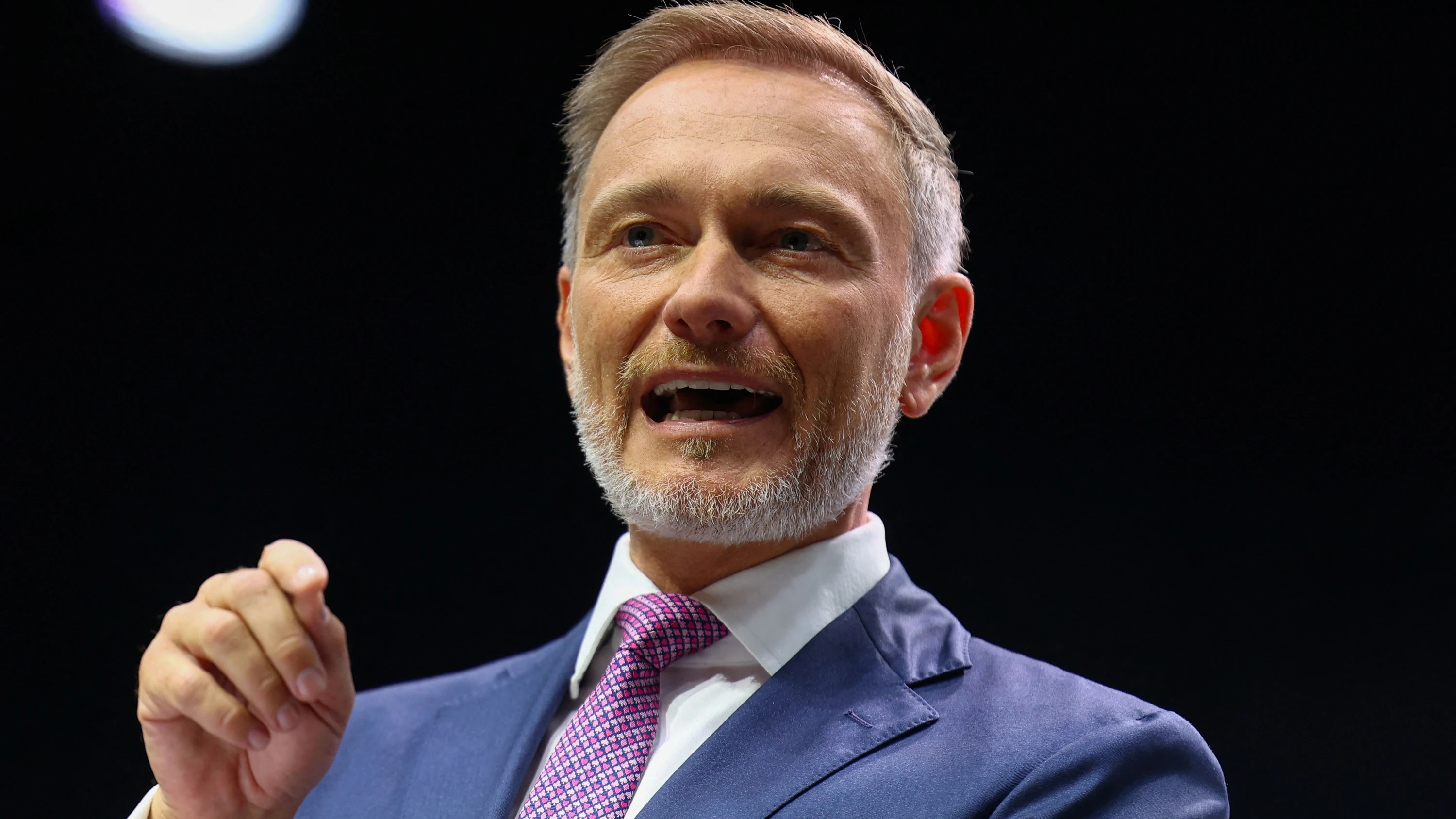
Christian Lindner mahnt: Schuldenpolitik ist gleich doppelt unsozial In Staaten mit hoher Schuldenquote tragen die Arbeitnehmer die Hauptlast der Finanzierung. Für die Verfechter der Schuldenpolitik ist das eine unbequeme Botschaft.
faz · about 3 hours ago

Morning Briefing: Trumps Schuldenrausch und das Dilemma der Notenbank Fed Nicht nur die USA stecken gerade im Schulden-Schlamassel fest: Auch in Deutschland gibt es Orte, vor denen der schwäbischen Hausfrau graut. Einer treibt es besonders schillernd.
handelsblatt · about 3 hours ago
Morning Briefing Podcast: Anleihen: Inflation als Ausweg aus den Rekordschulden / Telekom: Was nun, Herr Höttges? Nicht nur die USA stecken gerade im Schulden-Schlamassel fest: Auch in Deutschland gibt es Orte, vor denen der schwäbischen Hausfrau graut. Einer treibt es besonders schillernd.
handelsblatt · about 4 hours ago
US-Schuldenkrise spitzt sich zu: Droht eine neue Finanzkrise? [premium] Der US-Staatsschuldenberg ist auf 40 Billionen Dollar angewachsen. Starinvestor Ray Dalio fürchtet, dass den Staaten nichts anderes übrig bleiben wird als Geld zu drucken. Anlegern rät er, Staatsanleihen unterzugewichten – und sich Sachwerte, Gold und Bitcoin zuzulegen.
die presse · about 4 hours ago
Die globale Verschuldung steigt rasant und bringt die Gefahr einer neuen Schuldenkrise [premium] Die Schuldenberge der Industriestaaten wachsen weiter: Zugleich steigen nun auch die langfristigen Zinsen. Eine gefährliche Mischung. Experten warnen daher bereits vor einer neuen Schuldenkrise – und diese könnte beinahe global sein.
die presse · about 4 hours ago

Its not just what they charge — longer courses and higher living costs have saddled those who studied at prestigious institutions with far more debt
bluesky_The Times · about 4 hours ago

How the AI Investment Craze Is Keeping the Global Economy Afloat Growth is holding up despite renewed tensions over trade, geopolitics and bond markets, though the AI booms outsize role is a growing concern.
wsj · about 4 hours ago
Vermögen: Bin ich schon reich oder nicht? Dieser Rechner liefert Ihnen die Antwort Trotz Inflation zeigen aktuelle Daten, dass die Vermögen in Deutschland gewachsen sind. Der Handelsblatt-Rechner zeigt Ihnen, wo Sie im Vergleich zur deutschen Bevölkerung stehen.
handelsblatt · about 5 hours ago
Morning Briefing: Schuldenkrise? Diese Stadt lebt, als gäbe es kein Morgen Nicht nur die USA stecken gerade im Schulden-Schlamassel fest: Auch in Deutschland gibt es Orte, vor denen der schwäbischen Hausfrau graut. Einer treibt es besonders schillernd.
handelsblatt · about 7 hours ago