Loading…
 Saturday, September 26Saturday, September 26
4 months · 2 summary articles
Tommy Robinson detained under anti-terror laws as far-right fractures UK politics
Andy Burnham launches leadership challenge to Keir Starmer
Greater Manchester Mayor Andy Burnham has confirmed his intention to challenge Keir Starmer for the leadership of the Labour Party and the premiership, setting the stage for a potential seismic shift in British politics ahead of the Makerfield by-election. Speaking on BBC’s *Question Time* on Thursday, Burnham declared that if elected as the MP for Makerfield, he would seek to “represent [his] constituency at the highest possible level” and “give this constituency maximum power and influence” .
The announcement comes as Burnham leads in the latest Survation poll for the Makerfield by-election, with 49% support—a six-point lead over Reform UK’s Kenyon (39%) and well ahead of other candidates . Fieldwork conducted between 26 May and 1 June 2026, with a sample size of 518, underscores Burnham’s growing appeal as a Labour leadership contender. His campaign has been buoyed by his pledge to transform England’s “broken” social care system, his criticism of Westminster’s reluctance to tackle difficult policy issues, and his call for Labour to embrace a broader ideological spectrum—while excluding Jeremy Corbyn from a potential return to frontline politics .
Starmer, who has faced mounting pressure within his own party, responded defiantly, vowing not to “walk away from the job” and dismissing Burnham’s ambitions as premature . The leadership contest, if it materialises, would unfold against a backdrop of deepening divisions within Labour over fiscal policy, Brexit, and the party’s electoral strategy. Burnham has distanced himself from Rachel Reeves’ fiscal rules, arguing that politicians should not be “in hock to the bond markets,” while also signalling his intention to rejoin the EU “in [his] lifetime”—a stance that contrasts with Starmer’s more cautious approach .
The Makerfield by-election, scheduled for 12 June 2026, has taken on outsized significance as a bellwether for Labour’s future direction. Burnham’s campaign has sought to position him as a champion of working-class interests, a narrative that resonates in a constituency where Labour’s traditional base remains strong. His performance in the BBC *Question Time* debate on Wednesday, where he defended his economic policies and Brexit stance, further burnished his image as a pragmatic yet principled leader .
With polls indicating a tightening race in Scotland—where a Norstat survey shows support for independence at 52% (down 3 points from late April)—and public sentiment on Brexit remaining fluid (62% now favour rejoining the EU, down 1 point from April) , Burnham’s leadership bid could redefine Labour’s electoral calculus. Whether he can translate his regional popularity into a national challenge remains uncertain, but his challenge to Starmer marks a critical inflection point in British politics.
Follow us for live European news
4 further sources not geolocated

Prečo chceli Poliaci premenovať Gerlach a prečo nás berú ako malých Čechov? Tatry sú aj naším symbolom, tvrdí poľská expertka Poľský básnik chcel Gerlachovský štít premenovať na „Szczyt Polski (Poľský štít) a každému vrcholu chcel dať meno po poľskom kráľovi. Aj taká je história poľsko-slovenského pohraničia.
aktuality.sk · 4 months ago
Minister Mary Butler represents Ireland at Patient Engagement Open Forum
gdeltproject.org · 4 months ago
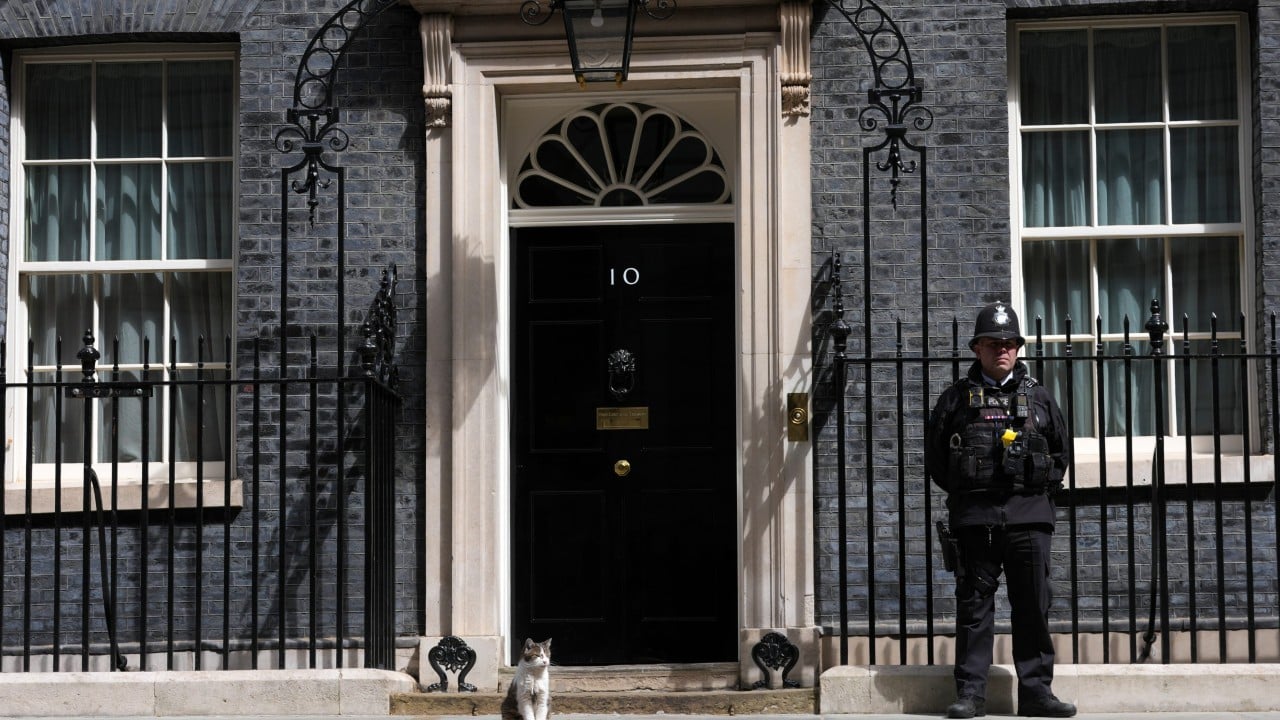
Rival confirms he will challenge Starmer to be UK prime minister Greater Manchester Mayor Andy Burnham has confirmed for the first time his intention to challenge Keir Starmer to be Britains prime minister, drawing immediate criticism from the premier who vowed not to walk away from the job. If I get your support, I would seek to represent you at the highest possible level and give this constituency maximum power and influence, Burnham said in an episode of the BBCs Question Time. He cited the ambitions of his top rival, former health secretary Wes...
south china morning post · 4 months ago
Burnham looks at how to boost infrastructure spending within fiscal rules Greater Manchester mayor discusses proposal from economist Jim ONeill to create independent body to assess new projects
financial times · 4 months ago
Brian Berletic – The Greanville Post
gdeltproject.org · 4 months ago
The Brexit referendum: 10 years on From digital advertising to the Thames flotilla, so much of what seemed shocking then is just politics as usual today.
politico.eu · 4 months ago
The job squad: How many roles can one person have? Manfred Weber loves a job — but not quite as much as George Osborne.
politico.eu · 4 months ago
How Andy Burnham is rebranding as Labours man of the people Burnham has a political CV most of the British public would roll their eyes at — but the man who hopes to run Britain will keep fighting as an outsider.
politico.eu · 4 months ago
📰 The Brexit Referendum: Ten years onTen years — and six prime ministers — ago Britain was on the brink of voting to leave the European Union. Host Patrick Baker was in his first job as a TV news producer during the referendum campaign. A decade on, hes gone back to the people who lived through its biggest moments … #UKNews #Europe
mastodon bot · 4 months ago
A língua afro-luso-brasileira-e-arredores A ideia de mudar a designação do Português para Língua Geral, nascida do espírito picaresco de José Eduardo Agualusa, parece desprovida de argumentação pertinente. Opinião de António Jacinto Pascoal
publico · 4 months ago
Letter: A marketing moment worth fighting for From Polly Hopkins, Managing Director UK, Elmwood global branding consultancy, London WC2, UK
financial times · 4 months ago
Letter: HS2 consultants are blindly leading the UK into a ditch From Nuno Gil, Professor of New Infrastructure Development, Alliance Manchester Business School, Manchester, UK
financial times · 4 months ago

Mileis Online Trolling Fueled His Rise. Its Hurting His Free-Market Overhaul. The leader used X to vault from obscurity to power. Now his social-media feuds are alienating potential allies and frustrating voters.
wsj · 4 months ago

Labour candidate and national leadership aspirant Andy Burnham last night faced scrutiny during a televised BBC debate for a by-election that could have huge consequences for British politics. POLITICO runs through five key moments from the debate.
bluesky bot · 4 months ago
Italy, EMG poll: FdI-ECR: 26 PD-S&D: 21 (-1) M5S-LEFT: 13 FI-EPP: 9 LEGA-PfE: 8 AVS-LEFT|G/EFA: 7 FN-ESN: 4 IV-RE: 3 Azione-RE: 2 (-1) NM-EPP: 2 +E-RE: 2 PLD-RE: 2 DSP~NI: 1 +/- vs. 06-19 May 2026 Fieldwork: 25-26 May 2026 Sample size: 1,000 ➤ europeelects.eu/italy
telegram bot · 4 months ago

Sandra Stiskalo: Elon Musk skapar kaos – matar radikala brittiska högern LONDON. En spricka har uppstått på den brittiska högerflanken. Det beror till stor del på världens rikaste man. Elon Musk vrider Storbritannien i en extrem riktning som kan komma att avgöra landets framtid.
dagens nyheter · 4 months ago
UK (Scotland), Norstat poll: Independence referendum Yes: 52 (-3) No: 48 (+3) +/- vs. 27-30 April 2026 Fieldwork: 27-29 May 2026 Sample size: 1,002 ➤ europeelects.eu/uk
telegram bot · 4 months ago
UK (GB), YouGov poll: EU membership referendum Join/Remain: 62 (-1) Stay out/Leave: 38 (+1) +/- vs. 16-17 April 2026 Fieldwork: 20-22 May 2026 Sample size: 4,067 ➤ europeelects.eu/uk
telegram bot · 4 months ago
Burnham confirms he will seek to replace Starmer as UK prime minister Greater Manchester mayor says he will aim to join a Labour leadership race if he wins upcoming by-election
financial times · 4 months ago

I wouldnt flinch: Burnham on social care, markets, Brexit – and the prospect of a general election Exclusive: Greater Manchester mayor sets out his priorities before Makerfield byelection – and what might happen after the voteAndy Burnham has signalled he would begin transforming Englands broken social care system this year if he became prime minister, accusing Westminster of flinching away from tackling difficult policy problems.The Greater Manchester mayor said politicians must be willing to take on the weight of the system that stood in the way of radical change, as he began to set out his prospectus for government if he won the Makerfield byelection.Said Labour should be a broad church with more government ministers from the left of the party, but Jeremy Corbyn should not be allowed back in.Signalled there would be no snap election if he replaced Keir Starmer, but defended himself from criticism over a shadow leadership campaign.Defended his comments that politicians should not be in hock to the bond markets, and denied he was boxing himself in by sticking to Rachel Reevess fiscal rules.Argued it would be a mistake to rerun the Brexit referendum but that he wanted the UK to rejoin the EU in his lifetime.Praised Shabana Mahmood, the home secretary, for facing up to the big issues on immigration. Continue reading...
theguardian · 4 months ago
Andy Burnham on Question Time: 5 takeaways from the UK leadership hopefuls TV moment Labours Makerfield by-election candidate faced significant scrutiny during a nationally televised BBC debate.
politico.eu · 4 months ago

Starmer calls for Elon Musk to stop interfering in UK politics reut.rs/3Q3bu8T
bluesky bot · 4 months ago
UK (Makerfield national parliament by-election), Survation poll: Burnham (LAB-S&D): 49 (+6) Kenyon (REFORM~NI): 39 (-1) Shepherd (RESTORE-*): 8 (+1) Wakefield (GPEW-G/EFA): 2 (-1) Winstanley (CON~ECR): 1 (-1) Austin (LDEM-RE): 1 (-3) +/- vs. 18-22 May 2026 Fieldwork: 26 May - 1 June 2026 Sample size: 518 ➤
telegram bot · 4 months ago