
EU Commission proposes slower emissions cuts and new decarbonization bank to aid industry

On Friday, the European Commission proposed a reform of the European Union's Emissions Trading System (ETS) to balance climate goals with industrial competitiveness. The reform includes reducing the annual emission reduction rate to 3.7 percent from 2031 and allowing industry to pollute for a longer period while receiving more funding for European decarbonization investments.
The reform aims to address industry criticism that the current rules weaken European competitiveness. The European Commission has proposed reducing the annual emission reduction rate to 3.7 percent from 2031, down from the previous rate of 4.3 percent. This change is intended to give industries more time to adapt to cleaner technologies while still working towards the EU's climate goals.
The reform also includes the creation of an Industrial Decarbonization Bank, which will provide funding for industries to invest in cleaner technologies. Additionally, the reform slows the annual reduction rate of the emissions cap, allowing industries to emit more CO2 for a longer period.
The reform has been met with mixed reactions. Some industry groups have praised the changes, arguing that they strike a balance between climate action and competitiveness. However, environmental groups have criticized the reform, arguing that it weakens the EU's climate goals.
The reform also includes provisions for international flights to pay for their CO2 emissions from 2029. This is part of a broader effort to expand the scope of the ETS to include more sectors and activities.
The European Commission has defended the reform, arguing that it is necessary to maintain the competitiveness of European industries while still working towards the EU's climate goals. However, the reform is likely to face further debate and scrutiny as it makes its way through the European Parliament and the EU Council.
The reform is part of a broader effort by the European Union to balance climate goals with economic competitiveness. The EU has set ambitious targets for reducing greenhouse gas emissions, but has also recognized the need to support industries as they transition to cleaner technologies.
The reform of the ETS is a key part of this effort, as it provides a market-based mechanism for reducing emissions while also providing funding for industries to invest in cleaner technologies.
The reform is expected to be debated and amended by the European Parliament and the EU Council in the coming months. The final version of the reform is likely to be a compromise between the different interests and priorities of the various stakeholders involved.
According to the European Commission, the reform aims to balance climate goals with industrial competitiveness. Industry groups have praised the changes, arguing that they strike a balance between climate action and competitiveness. However, environmental groups have criticized the reform, arguing that it weakens the EU's climate goals.
The reform also includes provisions for international flights to pay for their CO2 emissions from 2029. This is part of a broader effort to expand the scope of the ETS to include more sectors and activities.
The European Commission has defended the reform, arguing that it is necessary to maintain the competitiveness of European industries while still working towards the EU's climate goals. However, the reform is likely to face further debate and scrutiny as it makes its way through the European Parliament and the EU Council.
The reform is part of a broader effort by the European Union to balance climate goals with economic competitiveness. The EU has set ambitious targets for reducing greenhouse gas emissions, but has also recognized the need to support industries as they transition to cleaner technologies.
The reform of the ETS is a key part of this effort, as it provides a market-based mechanism for reducing emissions while also providing funding for industries to invest in cleaner technologies.
The reform is expected to be debated and amended by the European Parliament and the EU Council in the coming months. The final version of the reform is likely to be a compromise between the different interests and priorities of the various stakeholders involved.
Follow us for live European news
- 4
- 3
- 2
- 2
- 1
- 1
- 1
- 1
- 1
5 further sources not geolocated
Articles

The announcement on Friday follows the publication of reports that attempt to decrypt rule-of-law issues in each of the 27 member states. It will include a boost to the European Public Prosecutors Office.
bluesky_EUobserver · about 4 hours ago

EXCLUSIVE: The European Commission is to tell Madrid and Budapest to tighten lobbying and other rules in its annual Rule of Law report. 🔗 www.politico.eu/article/eu-c...
bluesky_Politico Europe · about 4 hours ago

Daily News 17 / 07 / 2026 European Commission Daily news Brussels, 17 Jul 2026 Commission registers two European Citizens Initiatives on education and housing Today, the European Commission registered two European Citizens Initiatives (E...
european commission · about 4 hours ago
EU laat industrie meer uitstoten, maar zegt klimaatkoers vast te houden De Europese industrie krijgt vanaf 2031 meer ruimte om CO2 uit te stoten. Ook hoeven bedrijven minder te betalen voor hun uitstoot, zolang ze beloven in Europa te vergroenen. Brussel hoopt zo de concurrentiekracht van de industrie te bewaken én op klimaatkoers te blijven.
nu.nl · about 4 hours ago
Türkiye urges full and unconditional inclusion in EUs Made in EU policy Trade Minister Ömer Bolat has called for Türkiyes full and unconditional inclusion in the EUs Made in EU policy, following talks with European automotive representatives in Brussels. He highlighted the deep integration achieved through the Customs Union and the consensus among industry leaders on Türkiyes participation.
yenisafak · about 4 hours ago
EU: Denmark lacks rules on ministers joining business On Friday, the European Commission presented its annual rule of law report, where Denmark again performs better among EU countries. However, Denmark can still improve, particularly regarding revolving door rules on how quickly ministers can transition to the private sector. While several EU countries are tightening their restrictions, there are no plans to introduce revolving […]
cphpost · about 4 hours ago
Think tank: Parts of EU ETS may slow green transition According to Martin Birk Rasmussen, a senior analyst at the green think tank Concito, the European Commissions proposed reform of the EUs CO2 quota trading system (ETS) is a bouquet of flowers and thistles. While the reform proposes using more funds from the quota system to support the industrys green transition, it also proposes issuing […]
cphpost · about 4 hours ago
EU to ease quota system so industry can emit longer On Friday, the EU Commission proposed a reform of the EUs Emissions Trading System (ETS) following industry criticism that the rules weaken European competitiveness. The reform allows industry to pollute for a longer period while receiving more funding for European decarbonization investments. It proposes reducing the annual emission reduction rate to 3.7 percent from 2031 […]
cphpost · about 4 hours ago
Energieintensive Industrie unzufrieden mit ETS-Reform Der Plan liefere keine Antwort auf die Deindustrialisierung, so die Kritik. Von „gefährlicher Augenwischerei ist die Rede. Nur die DIHK sieht positive Aspekte.
politico.eu · about 4 hours ago
EU to give boost to prosecutors office as part of new anti-corruption measures later this year The announcement on Friday follows the publication of reports that attempt to decrypt rule-of-law issues in each of the 27 member states. It will include a boost to the European Public Prosecutors Office.
euobserver · about 4 hours ago
Klimapolitik: EU-Kommission will Emissionshandel lockern Steigende Kosten setzen viele Unternehmen unter Druck. Eine Reform des EU-Treibhausgashandelssystems soll die Industrie entlasten. (EU-Kommission, Wirtschaft)
golem.de · about 4 hours ago

E.U. Proposes Changes to Emissions Trading System The European Union is facing a green backlash as emissions cuts become harder and require bigger overhauls to industry and livelihoods
new york times · about 4 hours ago

International flights arriving in Europe from destinations within 5,000 km will be required to pay for their CO2 emissions from 2029 as part of a major overhaul of the EUs emissions trading system announced on Friday.
bluesky_EUobserver · about 4 hours ago

⚖️The rule of law is the cornerstone of our democracies. The 2026 Rule of Law Report highlights steady progress across key areas with some important reforms completed or underway across EU countries. link.europa.eu/vGghDn
bluesky_European Commission · about 4 hours ago
Remarks by Commissioner Albuquerque at the press conference on the Report on the competitiveness of the EU banking sector European Commission Speech Brussels, 17 Jul 2026 Good afternoon, ladies and gentlemen, and thank you for your presence. Today, the Commission is presenting its report on the competitiveness of the banking sect...
european commission · about 4 hours ago
European Union to change carbon tax policy - The Baltic Times TALLINN – The European Commission on Friday presented a reform of the so-called ETS 1, the EUs existing Emissions Trading System, but......
baltic times · about 4 hours ago
Wichtiges Klimaschutzinstrument: EU-Kommission will Emissionshandel schwächen Die EU-Kommission will auf Druck von Teilen der Industrie die CO2-Bepreisung schwächen. Klimaschützer üben Kritik – genauso wie die Chemie-Lobby. mehr...
taz.de · about 4 hours ago
Die EU-Kommission bremst für die Industrie beim Klimaschutz – mit Auflagen Die EU-Kommission will den CO2-Kurs für die Industrie deutlich schwächen und länger als derzeit geplant Gratiszertifikate vergeben. Sowohl Unternehmen als auch Staaten müssen im Gegenzug stärker in die Transformation investieren
der standard · about 4 hours ago
Emissionshandel: EU will Vorgaben für Industrie lockern
orf.at · about 4 hours ago
EU will Vorgaben für Industrie lockern Europas Industrie soll mehr und länger Kohlendioxid (CO2) ausstoßen dürfen als bisher geplant. Die EU-Kommission schlug am Freitag vor, den Europäischen Emissionshandel (ETS) anzupassen und die verfügbare Menge an CO2-Zertifikaten langsamer zu senken. Die Kommission reagiert damit auf Druck aus der Industrie und von mehreren Mitgliedsstaaten, welche die Kosten für kriselnde Branchen senken wollen.
orf.at · about 4 hours ago
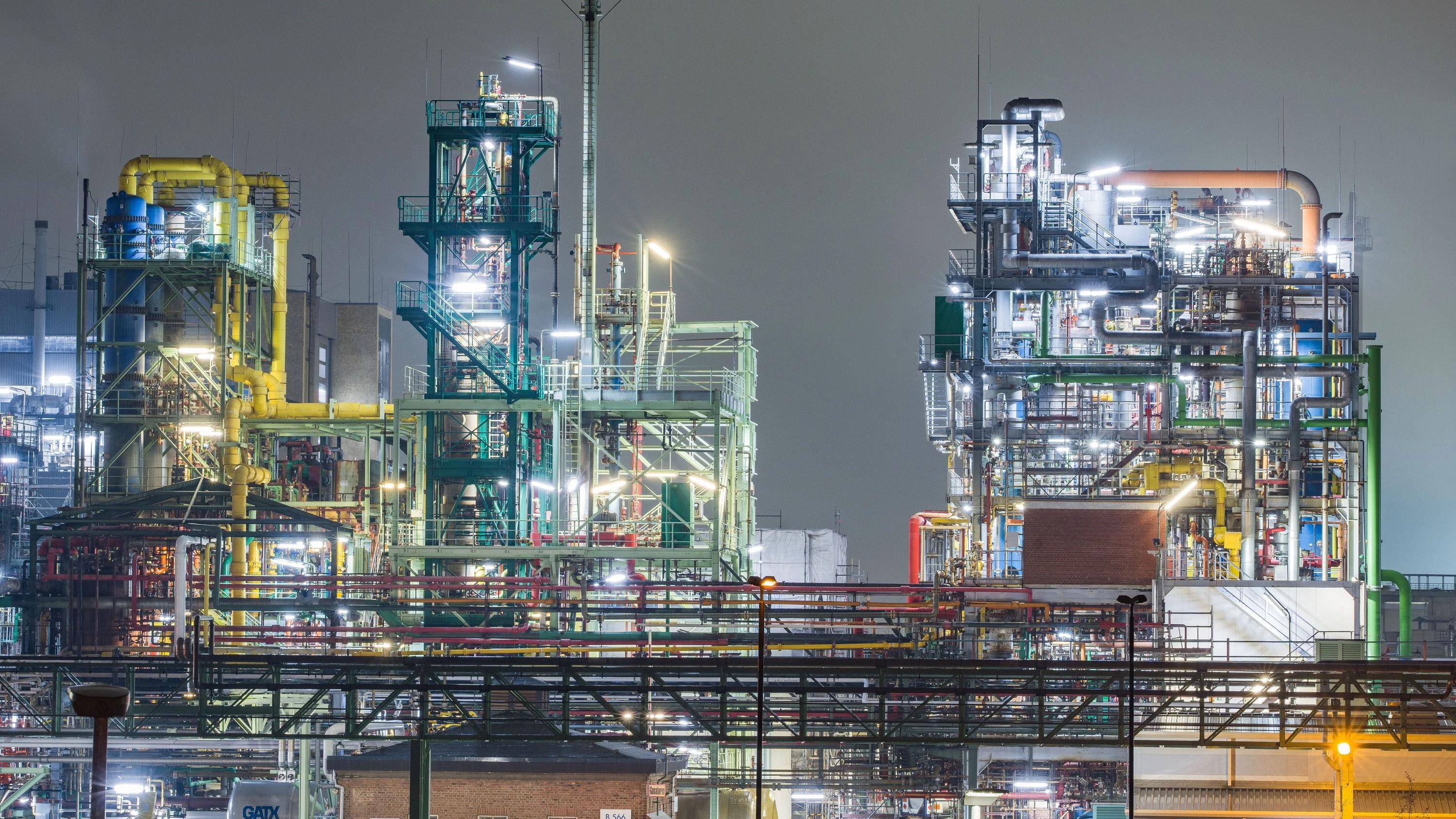
Hessen: Drohende Verlagerung in der Chemie-Industrie Hohe Kosten, wachsende Bürokratie und ausbleibende Reformen setzen Hessens chemisch-pharmazeutische Industrie unter Druck. Eine neue Umfrage zeigt: Investitionen fließen – aber immer öfter ins Ausland.
faz · about 4 hours ago
Aivar Kokk: The biggest impact on the budget comes from cutting white‑collar ranks The first target for cuts should be the Ministry of Climate, which engages in outright foolishness such as turning healthy forests into wetlands, fighting packaging or imposing new bureaucratic rules, Aivar Kokk writes.
news.err · about 4 hours ago

EUs Rule of Law Report Highlights Marked but Uneven Improvements in CEE The 2026 report found that 47 per cent of its recommendations made in last years report have been followed up, either fully or partially.
balkaninsight · about 4 hours ago
Airline emissions bills and carbon credits for investment dominate revamp of EUs labyrinthine emissions scheme International flights arriving in Europe from destinations within 5,000 km will be required to pay for their CO2 emissions from 2029 as part of a major overhaul of the EUs emissions trading system announced on Friday.
euobserver · about 4 hours ago
![[lalibre] Respecter létat de droit, cest créer une atmosphère positive pour le climat des affaires, affirme la Commission européenne #Europe](https://files.mastodon.social/cache/preview_cards/images/200/535/532/original/f64902ebdf607166.jpg)
[lalibre] Respecter létat de droit, cest créer une atmosphère positive pour le climat des affaires, affirme la Commission européenne #Europe
mastodon bot · about 4 hours ago
International flights set to pay carbon costs under EUs carbon market review from 2029 Under the European Unions revised carbon market rules, international flights arriving in Europe from destinations within 5,000 km will be required to pay for their CO2 emissions starting in 2029.
euronews · about 4 hours ago
Brussels to double electrification target in bid to cut fossil fuel consumption After months of speculation, the European Commission announced a 46 percent electrification target for the blocs economy by 2040. The move is intended to cut dependencies on imported fossil fuels but critics argue that high electricity prices may complicate the EUs goals.
euronews · about 4 hours ago
Saving Europes farmland: Agri-PV leads the way towards sustainable solar panel use The availability of cheap solar panels has led to a massive expansion of photovoltaic systems in rural areas. But will this result in a loss of farmland? It doesnt have to be that way: a team of German inventors has developed systems that allow farmers to reap a double harvest: crops & solar energy
euronews · about 4 hours ago
Rule of Law in Hungary shows radical change under Magyar, EU says The latest European Commission report highlights intense reform efforts by Budapests new government. The decision to join the European Public Prosecutors Office is seen as a key step in the fight against corruption.
euronews · about 4 hours ago
La Comisión Europea cede ante la gran industria y permite que las empresas contaminen más a cambio de inversiones Bruselas plantea un objetivo de electrificación del 46 para 2040, que según sus calculos podría reducir en 260.000 millones de euros anuales la factura de la UE por importaciones de combustibles fósiles hasta 2040.España, junto a otros cuatro países europeos, pelea en Bruselas por mantener el precio a las emisiones contaminantes Tras meses de un intenso trabajo de lobby, la gran industria y un grupo de países, encabezados por Italia y los países de Este, ya han visto el fruto de su esfuerzo. La Comisión Europea ha presentado este viernes una nueva propuesta para el sistema de comercio de emisiones (ETS, por sus siglas en inglés) que relaja y amplía el periodo que tenían las empresas para alcanzar las emisiones netas cero. La institución europea ha añadido que planteará un objetivo indicativo de electrificación del 46 para 2040, que según sus cálculos podría reducir en 260.000 millones de euros anuales la factura de la UE por importaciones de combustibles fósiles hasta ese año. Según la patronal eléctrica, Aelec, el índice de electrificación de la economía española se encuentra en el 22,4. La Comisión Europea no ha ocultado que el contexto geopolítico y económico ha cambiado y la industria europea afronta una presión creciente, pero ha maquillado con la idea de modernizar nuestra principal política de descarbonización, el ETS, para convertirla en el motor de la innovación y la inversión que impulse nuestra competitividad e independencia, cuando realmente significa que habrá menos exigencias a la industria. El sistema ETS ha conseguido recortar en un 47 las emisiones en Europa, ya que afecta a 11.000 fábricas, que suponen el 40 del CO2 que se emite en la UE bloque. Con el nuevo sistema se incrementarán los volúmenes de derechos gratuitos para 14 industrias, principalmente químicos y refinerías, lo que se traducirá en unos 4.000 millones de derechos de emisión gratuitos adicionales para el periodo 2026-2030. Además, atendiendo a la solicitud de los Estados miembros, se propone actualizaciones menos estrictas para las compañías de energía y combustibles, lo que otorgará a las instalaciones una flexibilidad adicional valorada en unos 6.000 millones de euros entre 2026 y 2030. Aliviar la presión sobre la industria De hecho, la propia institución europea admite que a revisión aliviará la presión sobre la industria. La propuesta actualiza el Factor de Reducción Lineal (LRF), que es porcentaje anual fijo mediante el cual la Unión Europea reduce el límite máximo del total de emisiones de gases de efecto invernadero permitidas en el mercado de carbono, hasta el 3,7 anual entre 2031 y 2035 y el 1,7 entre 2036 y 2040, cuando antes exigía un recorte de las emisiones de un 4,3 anual (periodo 2024-2027) que aumentaría al 4,4 en 2028. La traducción: las plantas industriales que se rigen por este sistema podrán emitir más toneladas y durante más años que en la anterior propuesta de ETS. La Comisión ha vendido esta reducción de emisiones como más gradual y asegura que está alineada con el nivel de ambición climática interna, además de mantener el objetivo de reducir al 90 las emisiones en 2040. Sin embargo, técnicos de la Comisión Europea han explicado que el nuevo sistema abre el horizonte temporal en el que el límite de derechos de emisión llegará a cero según la trayectoria definida por el nuevo LRF. Así se han declarado dos estimaciones según los escenarios que van desde uno inicial que podría extenderse entre 2040 y 2045 y otro en el que la fecha límite podría llegar hasta el periodo entre 2046 y 2048. Los técnicos insisten en que el diseño de esta revisión del ETS está enfocado en dar estabilidad al mercado durante la próxima década y que el momento exacto del fin de los derechos dependerá de la velocidad de la descarbonización y de la oferta y demanda en el mercado, es decir, se deja al mercado que defina la contaminación de la industria. La Comisión ha destacado que se permitirá utilizar hasta un 2 de créditos internacionales de alta calidad, con el fin de financiar proyectos de descarbonización fuera de la UE y ofrecer un margen de flexibilidad entre 2036 y 2040, cuando la reducción de emisiones dentro de Europa será más compleja. Está reducción de la intensidad en la reducción de las emisiones contaminantes se intenta compensar con más énfasis en la inversión para la descontaminación de la industria. El Banco para la Descarbonización Industrial contará con 100.000 millones de euros para financiar la descarbonización industrial en toda Europa. Ahora bien, la institución europea señala que antes de 2030 estará disponible el Impulsor de Inversiones del ETS (ETS Investment Booster) como primera fase de ese banco. Además, los Estados miembros deberán destinar el 50 de los ingresos nacionales procedentes del ETS a inversiones para descarbonizar. En conjunto, esto supondrá más de 100.000 millones de euros en inversiones antes de 2030. Enfoque más favorable a las empresas Durante la rueda de prensa de presentación, tanto Teresa Ribera, vicepresidenta ejecutiva para una Transición Limpia, como Wopke Hoekstra, comisario de Clima, y Dan Jørgensen, comisario de Energía y Vivienda, se han escudado en las grandes cifras para explicar que se rebajan las exigencias contra la contaminación en la Unión Europea. De hecho, Hoekstra ha admitido que el enfoque es más favorable a las empresas y más sensible a las necesidades del tejido empresarial, pero lo que se ha hecho es retrasar las exigencias. Nuestra ambición climática aumentará durante la próxima década, no disminuirá. El objetivo era ser incluso más ambiciosos en la próxima década que en la actual. Ahora bien, lo que es cierto es que muchos gobiernos y literalmente cientos de empresas han acudido a nosotros para trasladarnos sus posiciones. Algunas han dicho: Queremos mantener completamente el rumbo actual. Otras han pedido volver a debilitar el sistema. Y otras han solicitado más flexibilidad. El comisario de Clima ha asumido que la diferencia clave de esta propuesta respecto a la década actual es la condicionalidad. Es cierto que permitimos algo más de flexibilidad, pero el dinero debe invertirse en Europa. Y esto se aplica tanto a los recursos procedentes de las asignaciones gratuitas de derechos de emisión que concedemos a las empresas como al 50 de cada euro —es decir, 50 céntimos por euro— de los fondos que proporcionamos a los gobiernos. Sistema 80/20 de derechos gratuitos El nuevo sistema funcionará con una regla del 80/20: para recibir derechos de emisión gratuitos, las empresas deben tener un plan de inversión en descarbonización y modernización. Este documento debe definir las medidas concretas que se adoptarán en un horizonte temporal de entre cinco y siete años. Las empresas recibirán inicialmente el 80 de los derechos de emisión gratuitos, mientras que el 20 restante se retiene y solo se les entregará tras la implementación efectiva de las inversiones y de las reducciones de emisiones reales al cabo de un ciclo de cinco o siente años. Esta es una diferencia clave. La distribución gratuita no significa efectivo gratuito. El 100 de los créditos gratuitos tendrán que ser invertidos en descarbonización en Europa, destacó Hoekstra. La verificación recaerá principalmente sobre las autoridades de los Estados miembros, mientras que la Unión Europea se encargará de realizar inspecciones aleatorias. Ahora bien, el sistema permite que los derechos retenidos no se limiten estrictamente a una instalación, las empresas pueden agruparlos para realizar inversiones conjuntas a nivel corporativo o mediante fondos comunes creados entre diferentes compañías en zonas declaradas de aceleración industrial. Por otro lado, hay una cláusula de penalización para evitar la fuga de capitales; si una empresa decide abandonar el territorio europeo, tendrá la obligación de devolver el valor de los derechos de emisión gratuitos que haya recibido. Nuevos sectores La propuesta hace que se incorporen nuevos sectores al sistema ETS, aunque más lentamente de lo que se había propuesto. Así, la incineración de residuos los se incorporará gradualmente al ETS entre 2031 y 2034, permitiendo opciones de exclusión temporal nacional bajo condiciones específicas y destinando parte de los ingresos a apoyar a las autoridades locales en prácticas de reciclaje. Respecto a la aviación, se propone ampliar el alcance a un ámbito regional de vuelos de hasta 5.000 kilómetros que aterricen en la UE a partir de 2029. Se mantienen exenciones para los vuelos domésticos hacia regiones ultraperiféricas como la conexión de Madrid con las Islas Canarias. En cuanto al sector marítimo, se canalizarán 110 millones de derechos de emisión (período 2028-2040) para apoyar combustibles alternativos avanzados (amoniaco limpio, metanol) y tecnologías como la propulsión eólica y la electrificación. Ahora comienza una dura pugna entre los países favorables y contrarios (como es el caso de España y los países nórdicos) a flexibilizar el sistema ETS, que tendrá su propia confrontación en el Parlamento Europeo.
eldiario.es · about 4 hours ago