
NATO pledges 140 billion in military aid to Ukraine at Ankara summit

Story Timeline
2 months · 3 summary articles
NATO launches expanded Neptune Strike exercise in High North and North Atlantic
NATO pledges 140 billion in military aid to Ukraine at Ankara summit
NATO leaders in Ankara reaffirm Article 5 pledge and approve 70 billion in Ukraine military aid for 2026 and 2027
Follow-up
NATO leaders concluded their summit in Ankara with a series of commitments aimed at strengthening collective defense and supporting Ukraine. Latvian President Edgars Rinkevics described the meeting as having ended with positive news, highlighting the reaffirmation of collective defense commitments under Article 5 of the NATO Treaty as the alliance's highest priority.
One of the key outcomes of the summit was the agreement to provide Ukraine with EUR 140 billion in military aid over 2026 and 2027. This commitment was reaffirmed by NATO leaders, including the US, who emphasized their unwavering support for Ukraine in its conflict with Russia. "Ukraine is Latvia's first line of defense," said Rinkevics, underscoring the importance of continued support for Kyiv.
In addition to financial commitments, NATO members agreed to significantly expand and deepen cooperation in the defense industry. Latvia received confirmation from Canada that Canadian Armed Forces will remain stationed in Latvia until 2031, extending their deployment by another five years. More than 2,000 Canadian troops will continue to be permanently based in Latvia, alongside military personnel from other allied countries.
Turkish Foreign Minister Hakan Fidan is set to represent Turkey at the leaders’ summit of the Coalition of the Willing in Paris on Monday. The meeting will focus on the decisions made at the NATO summit regarding the future of Ukraine. Fidan is expected to reaffirm Turkey's support for Ukraine's independence, sovereignty, and territorial integrity, and convey Turkey's assessment of the latest situation in the conflict and the state of diplomatic efforts to end the war.
However, the summit was not without its tensions. US President Donald Trump criticized NATO allies, particularly Spain, for their lack of support in the campaign against Iran. "I'm very upset with NATO because of what they did with Greenland, and because of the fact that they didn't want to help us with the number one state sponsor of terror, that's Iran," Trump said. He also reiterated his desire for Denmark's territory of Greenland, stating that it was "very important for the United States."
Despite these tensions, NATO Secretary-General Mark Rutte sought to shore up confidence in Washington's commitment to the military alliance. The summit comes at a fraught time for the 77-year-old transatlantic alliance, with Trump demanding members make good on a pledge to ramp up defense spending as Washington takes a step back from Europe.
Turkish President Recep Tayyip Erdogan highlighted Turkey's growing defense industry and its role in the new international system. "Turkey is advancing toward becoming one of the poles of the new international system," Erdogan said, pointing to record defense exports exceeding $11 billion and an 82% domestic production rate.
The summit also addressed broader geopolitical issues, including the need for Europe to assume greater responsibility for its own defense. French President Emmanuel Macron announced new defense initiatives and joint military exercises, presenting the gathering as further evidence that Europe was taking charge of its security.
Meanwhile, the European Union is considering a proposal by Spain for a European Sovereign Debt Mechanism, which could create a common European debt market of approximately 5 trillion euros. However, the proposal has caused reservations among some of the largest economies in the EU.
As NATO leaders navigate these complex issues, the alliance's commitment to collective defense and support for Ukraine remains a top priority. The summit in Ankara has set the stage for continued cooperation and dialogue among members as they address the challenges of a rapidly changing global security landscape.
Follow us for live European news
- 2
- 1
- 1
- 1
6 further sources not geolocated
Articles

Türkiye becoming pole of new international system: Erdogan President Recep Tayyip Erdogan said on Friday that Türkiye is advancing toward becoming "one of the poles of the new international system" amid a radical transformation in global security, highlighting record defense exports exceeding $11 billion and an 82 domestic production rate.
yenisafak · about 2 months ago
AI Security Questions Loom Over NATO Summit in 2026
gdeltproject.org · about 2 months ago
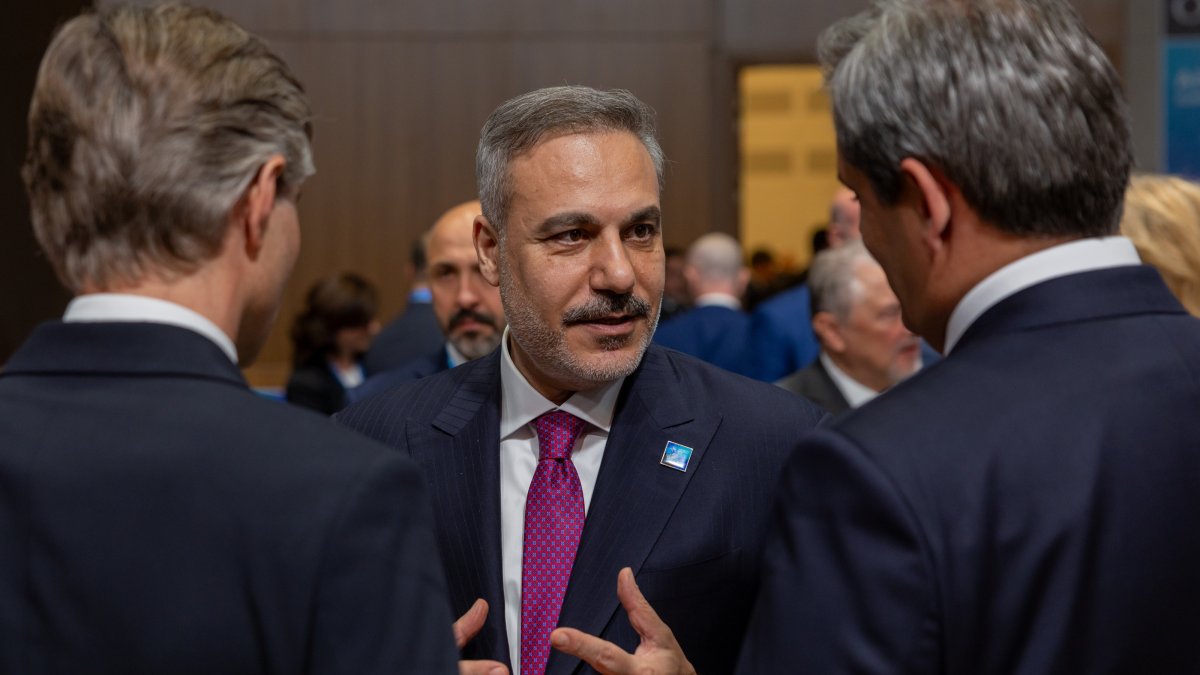
Turkish FM joins Ukraine talks in Paris after key NATO summit
gdelt bot · about 2 months ago
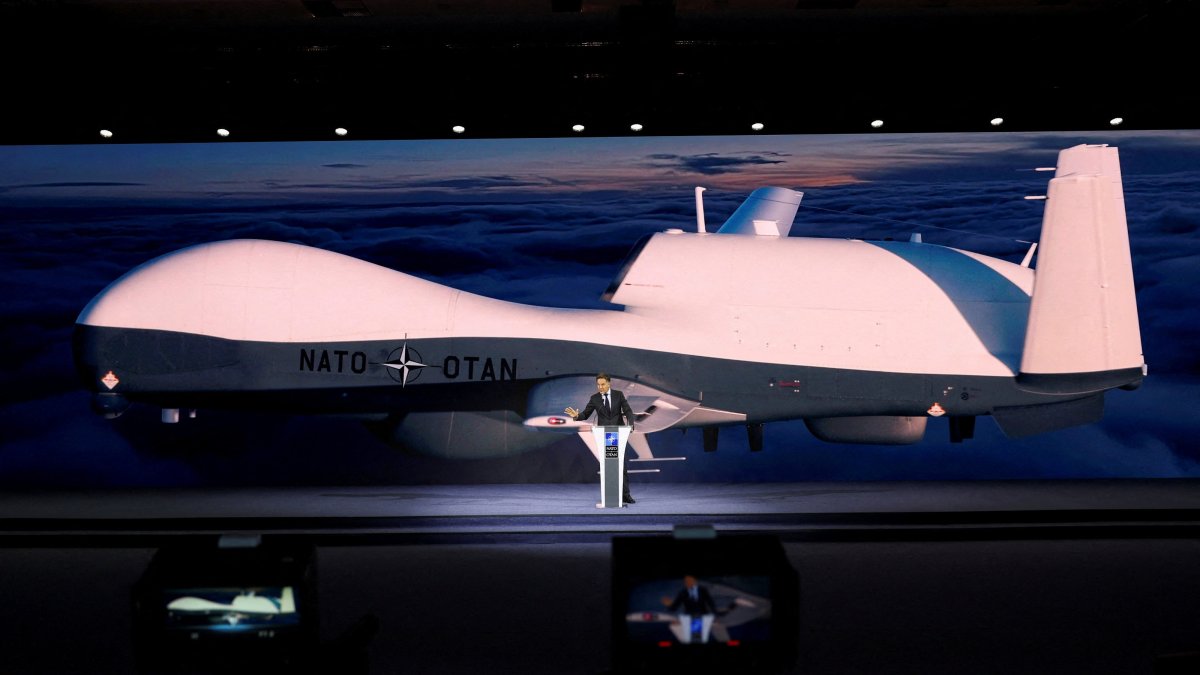
NATO next challenge is more production and Türkiye stands ready
gdelt bot · about 2 months ago
NATO summit provided Latvia with assurances regarding importance of collective defense commitments - Rinkevics - The Baltic Times RIGA - Latvias security has been strengthened by the outcome of the NATO summit in Turkey, President Edgars Rinkevics said on social media,......
baltic times · about 2 months ago
Fitiris hopes for construction of new prison to begin by end of next year Justice Minister Costas Firitis on Sunday said that he and the government are aiming for construction of the new central prison to begin by the end of the year. Our goal is to create a modern prison complex which will meet security requirements, offer humane living conditions to prisoners, and at the same time, offer […]
cyprus mail · about 2 months ago
EU waters down 21st Russia sanctions as member states push back on oil cap The EU is diluting key elements of its proposed 21st sanctions package against Russia as internal divisions deepen over how far member states are willing to go to tighten economic pressure on Moscow.
intellinews · about 2 months ago
Trump lashes out at NATO allies during key summit in Ankara
gdeltproject.org · about 2 months ago
Türkiye, TRNC leaders discuss energy projects, underline shared future Vice President Cevdet Yilmaz said Ankara will continue supporting projects to improve Turkish Cypriot welfare and strengthen production capacity during talks in Lefkosa on Friday, adding that the 101-kilometer undersea pipeline marks a historic milestone in bilateral cooperation.
yenisafak · about 2 months ago
Türkiye hosts Lebanese premier in Istanbul for talks Turkish President Recep Tayyip Erdogan hosted Lebanese Prime Minister Nawaf Salam at the Vahdettin Mansion in Istanbul on Friday for a working dinner, during which the leaders discussed bilateral relations, regional security, and Ankaras commitment to providing humanitarian assistance to Beirut.
yenisafak · about 2 months ago
Türkiyes first lady hosts Lebanese premiers wife in Istanbul First lady Emine Erdoğan on Friday welcomed Sahar Baassiri, wife of Lebanese Prime Minister Nawaf Salam, to Istanbul, thanking her for the visit and expressing hope for continued friendship between the two nations, according to a statement on social media.
yenisafak · about 2 months ago
Thousands of flamingo chicks thrive on artificial island in İzmir Approximately 18,000 flamingo chicks hatched in May are now growing in the Gediz Deltas nursery waters in İzmir, Türkiye. The young birds, under parental supervision, are learning to feed and exercise their wings before the August migration season. The deltas artificial nesting island has become a thriving habitat for the colourful flocks.
yenisafak · about 2 months ago
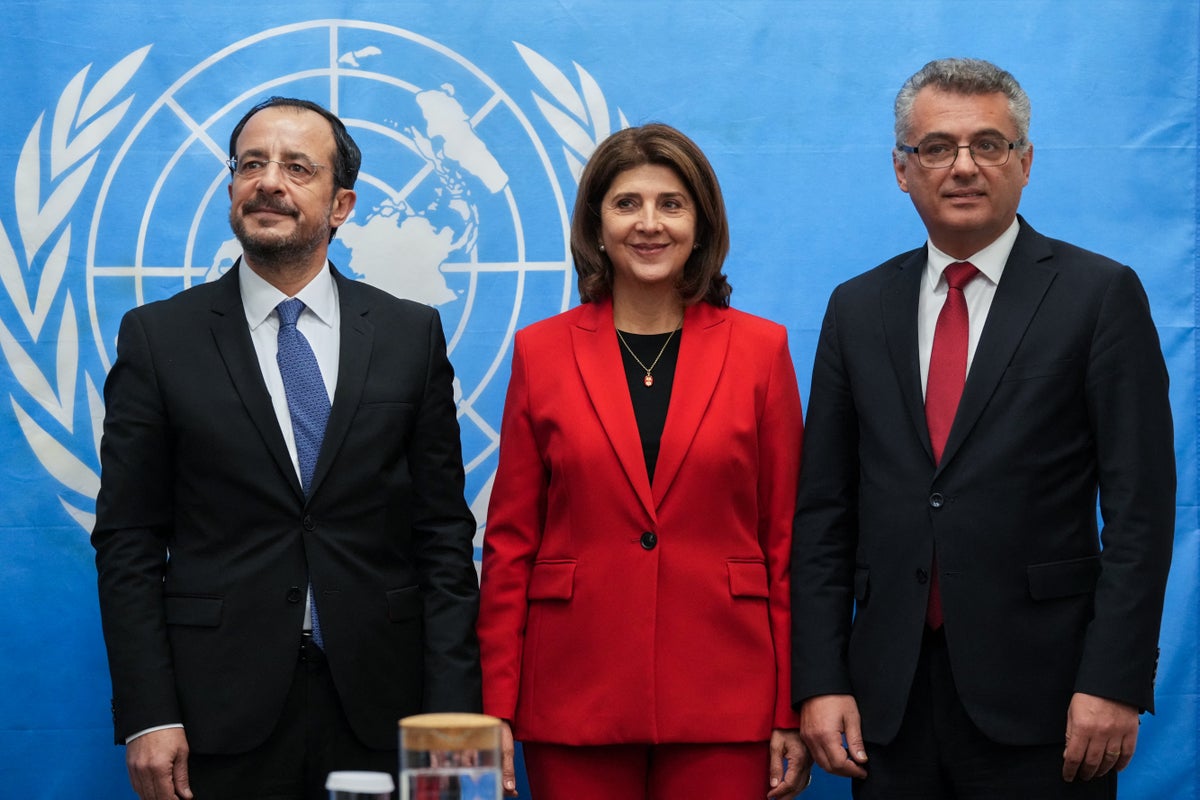
UN draws up new blueprint to end Cyprus crisis after 52 years of stalemate María Ángela Holguín, the UN secretary-generals personal envoy for Cyprus, has been working on a deal which is flexible enough for both sides to claim they have got what they want
independent · about 2 months ago
Four centres of power shape the Rights race to Cypruss 2028 presidential election The strategic plans of the main power centres on the Right are beginning to unfold ahead of a long road, with many stages still to come, towards the 2028 presidential election. Nicos Christodoulides on one side, and Annita Demetriou, Averof Neophytou and George Pamboridis on the other, are currently the four main poles around which […]
in-cyprus · about 2 months ago
Christodoulides announces over €60m in new health spending President Nikos Christodoulides on Sunday announced over €60 million in new spending on health infrastructure. The funding, he said, will be spent on the second and third phases of the Athalassa psychiatric hospital, the creation of a new infectious diseases unit at the Nicosia general hospital, upgrades to both the intensive care unit and the […]
cyprus mail · about 2 months ago
Canada will extend Operation Reassurance mission until 2031 - The Baltic Times ANKARA - Canadian Prime Minister Mark Carney told Latvian President Edgars Rinkevics on Wednesday during the NATO summit in Ankara that Canada w......
baltic times · about 2 months ago
International Trombone Festival in Riga to bring together more than 500 participants from several countries - The Baltic Times RIGA - The International Trombone Festival that will take place in Riga from July 29 to August 1 will bring together more than 500 trombonists, ......
baltic times · about 2 months ago
Economic armageddon under NATO 3 framework as Europe considers 5 trillion common debt pool for conflict with Russia while Ankara secures major defense deals
gdeltproject.org · about 2 months ago

NATO Summit Boosts European Defence Stocks and Contractors #Europa #Europe #NATO #OTAN
mastodon bot · about 2 months ago
Turkish Cypriot judiciary renews calls for judicial reform referendum The norths supreme courts chief justice Bertan Ozerdag on Sunday renewed his call for a referendum to be held with a view to enacting sweeping reforms to the Turkish Cypriot judicial system, so as to allow it to operate faster and more efficiently. The constitutional amendment aims to increase the number of supreme court judges, […]
cyprus mail · about 2 months ago
Tata Steel faces possible 600 million euro fine in criminal pollution case Tata Steel Netherlands could face a fine of up to 600 million euros in a criminal environmental case over alleged pollution linked to its steel plant in the IJmond area of Noord-Holland, NOS
nltimes.nl · about 2 months ago
University of Cyprus: Driving innovation, research and global education IN AN era where universities are expected to do far more than educate students, the University of Cyprus (UCY) has emerged as a dynamic institution that combines academic excellence, internationally recognised research and meaningful societal impact. More than three decades after welcoming its first students, the countrys first public university continues to shape the future […]
cyprus mail · about 2 months ago
Türkiye vows continued support for Northern Cyprus energy security Energy Minister Alparslan Bayraktar has pledged that Türkiye will maintain technical, infrastructure, and institutional support for the Turkish Republic of Northern Cyprus energy security following a visit to the strategic Teknecik Power Plant with TRNC officials.
yenisafak · about 2 months ago
UN envoy secures renewed Yemen prisoner exchange pledges UN Special Envoy Hans Grundberg said Saturday that Yemens government and the Houthis have renewed commitments to a delayed prisoner exchange agreement, urging both sides to complete technical arrangements for the release of more than 1,600 detainees as soon as possible.
yenisafak · about 2 months ago
Today.Az - Turkiye seeks end to CAATSA sanctions, expects progress on F-35 program, FM Hakan Fidan Says
gdeltproject.org · about 2 months ago
According to the Portugal remigration summits official website, the meeting was about shaping the future of Europe and the West through sovereignty, identity, and demographic renewal - a euphemism of creating imagined racially pure Western societies.
bluesky_EUobserver · about 2 months ago
Guterres expresses deep concern over advances into Pyla buffer zone United Nations Secretary-General Antonio Guterres has expressed deep concern over advances made by Turkish and Turkish Cypriot personnel into the buffer zone near the village of Pyla, near Larnaca, in an advance copy of his latest report on the status of the UNs peacekeeping force in Cyprus (Unficyp) seen by the Cyprus Mail on Sunday. The authorities […]
cyprus mail · about 2 months ago
Power cuts hit parts of Lakatamia after underground cable fault Power cuts affected parts of Lakatamia around midday on Sunday following a fault in the Electricity Authority of Cyprus network. According to the EAC, the affected areas include Agios Mamas and Anthoupolis, as well as part of the Archangelos–Anthoupolis area near Nicosia Mall. EAC spokesperson Christina Papadopoulou said the fault involved an underground cable and […]
in-cyprus · about 2 months ago
Higher education: Cyprus next investment opportunity Cyprus is transforming its higher education sector into a cornerstone of the national economy, positioning it as a vital component of a broader investment ecosystem that extends far beyond the lecture hall. The island is leveraging its tertiary institutions to attract foreign capital, research activity and global talent. Higher education is becoming an important investment […]
cyprus mail · about 2 months ago
F-35: why Washingtons Turkey rethink matters for Cyprus Donald Trumps suggestion that he is prepared to reconsider Turkeys return to the F-35 fighter jet programme has reignited debate across the Eastern Mediterranean, raising questions over Washingtons changing view of Ankara despite the sanctions that led to Turkeys removal from the programme in 2019. For Cyprus, however, the question is less whether Turkey eventually […]
cyprus mail · about 2 months ago