
Spain seeks EU emergency funding for Ceuta migrant crisis as thousands remain stranded

Story Timeline
6 days · 4 summary articles
Spain formally requested emergency funding from the European Union on Monday to address the migration crisis in its North African enclave of Ceuta, the European Commission confirmed on Tuesday. Commission spokesman Markus Lammert said Brussels received the request the previous day and was assessing it “as a priority” with a view to a swift decision .
The request follows a mass influx on July 30–31, when more than 70,000 people crossed from Morocco into Ceuta, a Spanish territory of 84,000 residents. At least 90 deaths were recorded on both sides of the border, according to official figures, though human rights groups reported higher tolls . Most migrants have since returned to Morocco, but Spanish authorities estimate 5 to 10 percent—between 3,500 and 7,000 people, including unaccompanied minors—remain in Ceuta .
To accelerate returns, Spain’s cabinet on Tuesday approved a “single command” for Ceuta led by Territorial Policy Minister Ángel Víctor Torres. Torres told reporters the priority was “the return and repatriation of the greatest possible number of people, adults and minors,” while respecting Spanish law and human rights . The government also announced 1,800 new humanitarian aid places, with additional capacity to be activated .
The crisis has exposed divisions within Madrid’s government. Defence Minister Margarita Robles told parliament on Tuesday that Spain’s National Intelligence Center (CNI) had shared information with security forces and local authorities before the surge, including warnings of a planned mass swim on July 30 tied to a Moroccan public holiday . Interior Minister Fernando Grande-Marlaska, however, insisted his ministry received no such alerts and that no intelligence report anticipated the scale of the influx .
Spain’s cabinet also approved a draft bill to reform immigration and asylum laws, aligning them with the EU’s Pact on Migration and Asylum, which took effect on June 12. The legislation introduces faster screening and return procedures, though Madrid maintains fundamental rights will be preserved . The reforms come as Spain seeks to regularize up to 500,000 undocumented migrants nationwide while managing the unresolved Ceuta crisis .
Ceuta’s regional government, led by the conservative Popular Party, has criticized the slow pace of identifications and returns. The city’s mayor, Juan Jesús Vivas, has repeatedly urged Madrid to intervene, warning of collapse under the strain . Security forces, including 1,500 police and civil guard officers, have also demanded clearer protocols for handling future surges .
Follow us for live European news
- 4
- 2
- 2
- 1
- 1
- 1
- 1
- 1
- 1
- 1
- 1
- 1
3 further sources not geolocated
Articles
:format(jpg)/f.elconfidencial.com%2Foriginal%2Faca%2Ff5f%2Fee2%2Facaf5fee21803d3f9fb947a4ce7d640a.jpg)
Defensa e Interior agravan su brecha por Ceuta: Robles dice que el CNI "compartió" información y Marlaska niega que avisara La ministra de Defensa pide disculpas a los vecinos que se hayan podido sentir abandonados y reitera que las dos ciudades autónomas son españolísimas
el confidencial · about 2 hours ago
:format(jpg)/f.elconfidencial.com%2Foriginal%2F484%2Fd26%2F176%2F484d261762f335a4744f8f26c0244b5d.jpg)
El Gobierno impulsa una nueva norma de Asilo y la reforma de la ley de Extranjería tras la crisis migratoria en Ceuta El ministro del Interior, Fernando Grande-Marlaska, ha insistido en que los cambios se acometerán con un "enfoque garantista" y sin reducir los derechos de los solicitantes de protección internacional
el confidencial · about 2 hours ago

La crise migratoire de Ceuta, le plus gros échec du gouvernement de Pedro Sánchez Près dun mois après larrivée massive et soudaine dans lenclave espagnole de migrants en provenance du Maroc, le gouvernement du Premier ministre socialiste doit rendre des comptes. Et il est déjà trop tard pour le faire, critique la presse doutre-Pyrénées.
courrier international · about 2 hours ago

Ceuta se queja de que el Gobierno usará para los migrantes polideportivos de colegios con el curso a punto de empezar Se quejan de que los emplazamientos deteminados en el Real Decreto se encuentran dentro de zonas pobladas del enclave, cuando Vivas había ofrecido al Gobierno dos espacios cuyo uso no entorpecería la vida normal de los ceutíes Leer
elmundo · about 2 hours ago
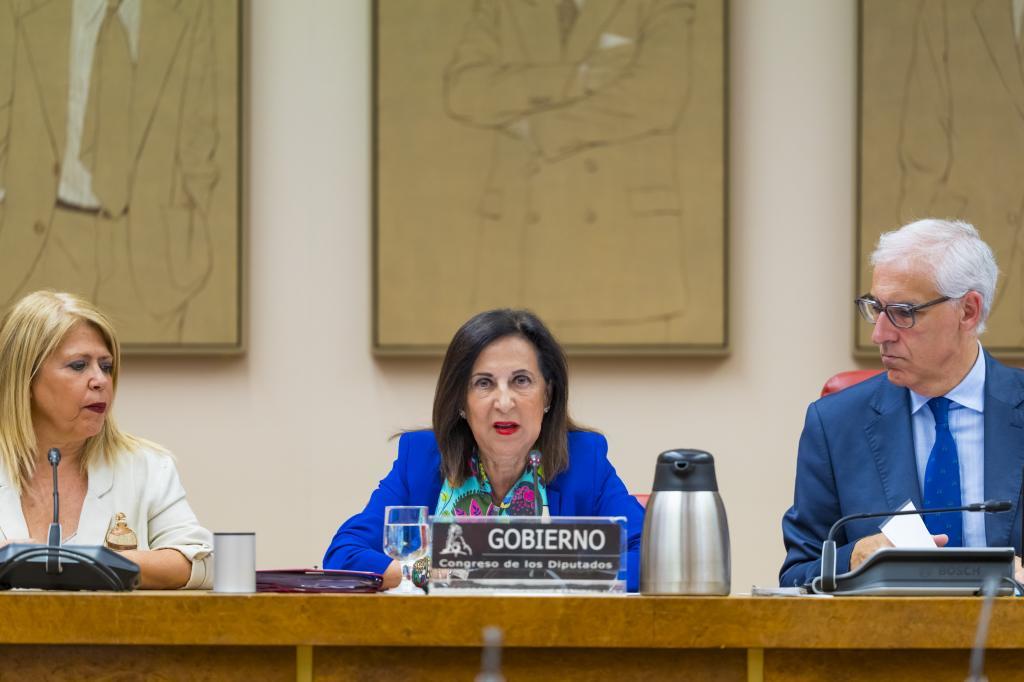
La Delegación del Gobierno en Ceuta contradice a Robles y niega haber recibido avisos de la entrada masiva de migrantes el 30-J Responden así a las declaraciones realizadas por Margarita Robles y aseguran que no recibieron ningún informe advirtiendo de lo que iba a pasar el pasado 30 de julio Leer
elmundo · about 2 hours ago

Spain to reform asylum laws to align with EU rules as Ceuta crisis remains unresolved
news.yahoo.com · about 2 hours ago

Madrid issues fresh threats against Morocco, as Rabat seeks "sovereignty" talks over the Spanish enclaves of Ceuta and Melilla, reminiscent of its equally bogus claims over the Western Sahara.
bluesky_EUobserver · about 2 hours ago

Sánchez fast-tracks Ceuta crisis response amid backlash
bluesky_Euractiv · about 2 hours ago

16h. MNE volta a defender imigração controlada E fala num país preocupado com o futuro e com um mundo inseguro e incerto. Ainda, o autarca da CM Lisboa quer mais polícia na Baixa da cidade.
observador · about 2 hours ago

Ceuta. Espanha destina 25 milhões para assistência a menores O governo de Ceuta identificou até agora mais de 2.900 menores migrantes na cidade autónoma espanhola
observador · about 2 hours ago

Μεταναστευτικό: 243 αφίξεις στην Κρήτη μέσα σε μία μόνο μέρα, μπαράζ επιχειρήσεων από το Λιμενικό Οι μετανάστες εντοπίστηκαν από εναέρια μέσα της Frontex και περισυνελέγησαν από σκάφη του Λιμενικού και παραπλέον δεξαμενόπλοιο
protothema · about 2 hours ago
Migration – Bund korrigiert Zahl an Asylgesuchen für 2026 nach unten Die Zahl der Asylgesuche in der Schweiz ist im ersten Halbjahr 2026 erstmals seit 2022 unter 10000 gesunken.
srf.ch · about 2 hours ago

Le gouvernement espagnol veut accélérer le renvoi des migrants encore présents à Ceuta Le gouvernement espagnol a présenté mardi des mesures destinées à accélérer le renvoi des milliers de migrants qui se trouvent encore à Ceuta depuis larrivée massive dans cette enclave espagnole du nord de lAfrique de candidats à lémigration en provenance du Maroc fin juillet. ...
la libre · about 2 hours ago
Robles choca con Marlaska: detalla el aviso del CNI de la crisis en Ceuta El Gobierno lanza un reforma exprés de las leyes de Asilo y Extranjería para integrar en la normativa el pacto migratorio europeo: triajes, retorno en 12 semanas y presunción de minoría de edad. Leer
expansion · about 2 hours ago
Sismo na Venezuela: Governo da Madeira ainda não entregou apoios? Verdade — executivo diz que primeiros são entregues esta semana Segundo o director-regional das Comunidades e Cooperação Externa, já esta semana serão transferidos 30 mil euros para o movimento associativo da diáspora madeirense na Venezuela.
publico · about 2 hours ago

Spanje zet met taskforce vaart achter beëindigen migrantencrisis in Ceuta
de volkskrant · about 2 hours ago

El Gobierno promueve una Ley de Asilo y una reforma de la Ley de Extranjería para que las solicitudes de protección internacional puedan resolverse en 12 semanas La normativa española se adecuará así al Pacto Europeo de Migraciones Leer
elmundo · about 2 hours ago

Un influyente ministro marroquí reivindica ante Mohamed VI la "liberación de ciudades ocupadas" entre referencias a Ceuta Ahmed Tawfiq se ha referido a las dos ciudades autónomas recurriendo a dos eruditos islámicos nacidos en Ceuta Leer
elmundo · about 2 hours ago

Robles pide "disculpas" a los ceutíes "abandonados" y apunta a la responsabilidad de Interior el 30-J: "El CNI compartió la información con las fuerzas de seguridad" La ministra de Defensa, que inaugura el carrusel de comparecencias, sentencia: "Ceuta y Melilla son españolas y son intocables" Leer
elmundo · about 2 hours ago
Ceuta: Spain asks the EU for emergency funding The European Commission spokesperson said: "We are working to assess the request as a matter of the highest priority, with a view to reaching a swift decision."
eunews.it · about 2 hours ago
Spain requests emergency funding from the EU over Ceuta migrants European Commission says it is assessing Spains request after some 70,000 migrants surged into North African enclave.
aljazeera · about 2 hours ago
Brussels backs Spain on Ceuta with new funds, while Madrid issues warning to Morocco Madrid issues fresh threats against Morocco, as Rabat seeks "sovereignty" talks over the Spanish enclaves of Ceuta and Melilla, reminiscent of its equally bogus claims over the Western Sahara.
euobserver · about 2 hours ago

La crisis migratoria de Ceuta triplicó la frecuencia de mensajes de odio en redes sociales El sistema FARO (Filtrado y Análisis de Odio en las Redes Sociales) detectó más de 57.000 contenidos en el mes de julio, cuya asiduidad se multiplicó por tres los días 30 y 31
la vanguardia · about 2 hours ago

Otro ministro marroquí reclama liberar Ceuta y Melilla ante Mohamed VI en un acto religioso El titular de Asuntos Religiosos, Ahmed Toufiq, reivindica a dos eruditos islámicos que nacieron en la ciudad ceutí en la época anterior a la que pasara a estar bajo soberanía española
la vanguardia · about 2 hours ago

El Gobierno impulsa la reforma de la ley de extranjería y asilo tras la crisis en Ceuta El ministro del Interior asegura que ambos anteproyectos de ley responden a un intento de combinar una gestión ágil, eficaz y ordenada de los flujos migratorios con el mantenimiento de las garantías
la vanguardia · about 2 hours ago

Robles señala que actores interesados en desestabilizar a España han favorecido la crisis en Ceuta La ministra de Defensa atribuye la llegada masiva a una autogestión de individuos atraídos a la frontera por mensajes en redes sociales, que son un instrumento esencial de los ataques híbridos
la vanguardia · about 2 hours ago

Defensa e Interior exhiben versiones contrarias sobre los avisos previos a la crisis de Ceuta Robles asegura que el CNI ha compartido la información recabada en Ceuta, mientras Marlaska niega que ningún servicio de inteligencia anticipara una entrada masiva
la vanguardia · about 2 hours ago
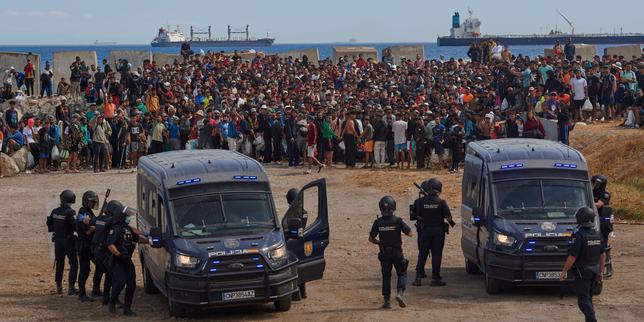
Ceuta : le gouvernement espagnol présente des mesures destinées à accélérer le renvoi des migrants encore présents dans lenclave Les mesures présentées par le gouvernement sont destinées à accélérer le renvoi des milliers de migrants qui se trouvent encore à Ceuta, depuis une arrivée massive de candidats à lémigration en provenance du Maroc à la fin de juillet.
le monde · about 2 hours ago
Španielsko zriaďuje v Ceute jednotné velenie: Chce zrýchliť návrat tisícov migrantov do Maroka Španielska vláda v utorok schválila opatrenia na urýchlenie repatriácie tisícov migrantov, ktorí koncom júla prenikli z Maroka do španielskej exklávy Ceuta v severnej Afrike. Ministerstvo pre územnú politiku zriadi pre túto oblasť „jednotné velenie, pričom hlavnou prioritou bude návrat dospelých aj maloletých osôb pri dodržaní legislatívy a ľudských práv.
aktuality.sk · about 2 hours ago
Sánchezs ministers clash over whether Madrid missed Ceuta migrant warnings The contradictory accounts of what the government knew — and when it knew it — are devastating for a government under fire for its handling of the crisis.
politico.eu · about 2 hours ago