 Saturday, June 13Saturday, June 13
Lisbon’s iconic *calçada portuguesa* pavements, those intricate black-and-white mosaics underfoot, have been granted UNESCO Intangible Cultural Heritage status in a decision announced today. The announcement, made by Portugal’s Ministry of Culture, follows a decade-long campaign by Lisbon’s *calçadeiros*—the artisans who hand-cut and lay each stone—to secure global recognition for a tradition dating to the 15th century.
The recognition comes as Lisbon prepares to host the first International Calçada Festival next month, where master pavers from Portugal, Brazil, and Angola will compete to create new designs on Praça do Comércio. “This is not just about heritage; it’s about survival,” said Maria João Rodrigues, president of the Lisbon Calçadeiros Guild . “For centuries, these stones have carried our history, our art, even our secrets.”
The *calçada* tradition traces its origins to the 1400s, when Portuguese sailors returning from voyages brought back volcanic basalt from the Azores and white limestone from the Alentejo. By the 1830s, Lisbon’s streets were being transformed into living canvases, with artisans embedding hidden motifs—a ship’s prow in Alfama, a fish in Bairro Alto—as signatures of their craft. The most famous design, *Mar Ancho* in Rossio Square, mimics ocean waves and has become a postcard symbol of the city.
UNESCO’s decision underscores the pavements’ dual role as both functional infrastructure and cultural artifact. “These are not just floors; they are archives,” said historian Rui Moreira, pointing to the 19th-century geometric patterns in Chiado that still guide pedestrians today . The recognition also extends to Portugal’s former colonies, where *calçada* techniques were exported during the empire, from Rio de Janeiro’s Lapa arches to Maputo’s waterfront.
Yet the artisans face challenges. Rising material costs and a shortage of trained *calçadeiros*—many of whom now work in construction—threaten the craft’s continuity. Rodrigues estimates only 120 certified pavers remain in Portugal. The festival aims to attract younger apprentices, with workshops on traditional tool use and modern design fusion.
Meanwhile, Lisbon’s city council has pledged €2 million to restore aging sections of *calçada*, including the 1880s patterns in Praça do Comércio damaged by winter rains. “We’re not just preserving stones,” said councilor Sofia Oliveira. “We’re safeguarding a language of shapes that tells our story.”
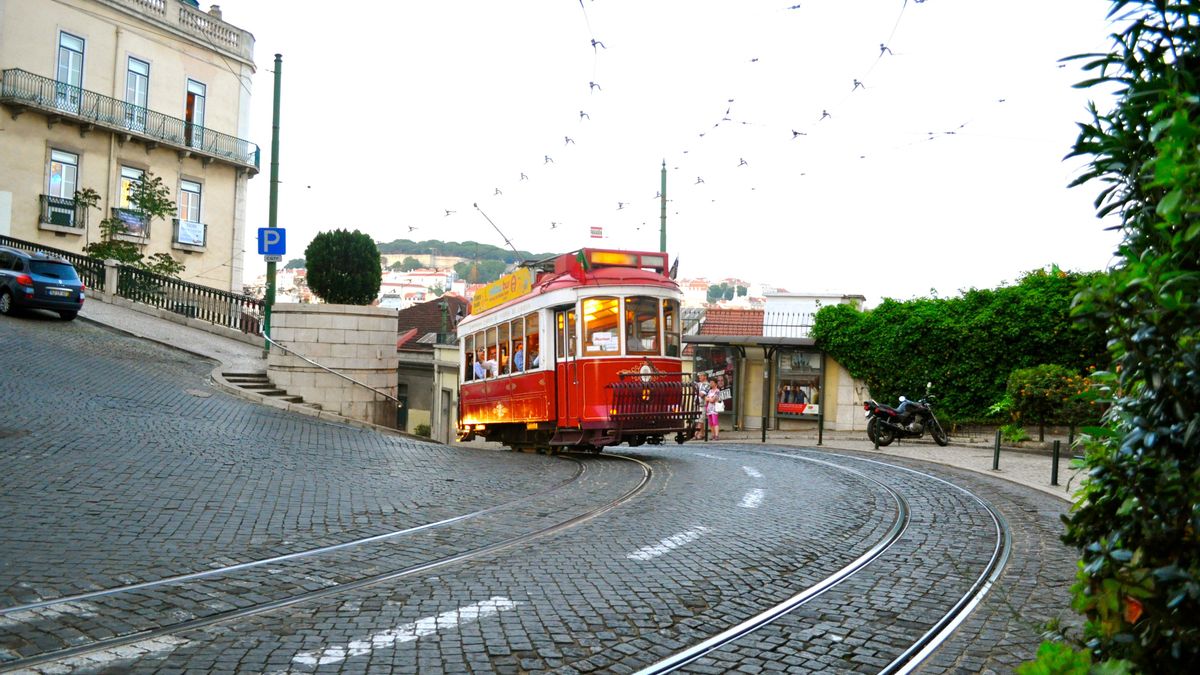
The UNESCO designation takes effect immediately, joining Portugal’s growing roster of intangible heritage, from fado music to the *Queijo Serra da Estrela* cheese-making tradition . For Lisbon’s residents, the news is a reminder that the city’s soul lies not just in its miradouros or trams, but in the patterns beneath their feet.

Κέιτ Μίντλετον: Εντυπωσιακή στο Trooping the Colour για τα «δεύτερα γενέθλια» του βασιλιά Καρόλου Η ιστορία πίσω από την παράδοση που θέλει τον Βρετανό μονάρχη να γιορτάζει δύο φορές τον χρόνο
protothema · about 3 hours ago
Por qué las calles de Lisboa parecen un mosaico: la historia de la calçada portuguesa Las características piedras blancas y negras que cubren plazas y calles de la capital portuguesa nacieron como una obra artesanalEste es el mercado de los ladrones, en Lisboa: no te van a robar, pero el nombre tiene historia Hay ciudades que se reconocen por sus monumentos y otras por detalles mucho más cotidianos. A veces basta levantar la vista para identificar una catedral o una torre famosa, pero en ocasiones la verdadera personalidad de un lugar se encuentra precisamente bajo los pies. Son esos elementos que miles de personas pisan cada día sin detenerse demasiado a pensar en ellos y que, sin embargo, terminan convirtiéndose en una de las señas de identidad más poderosas de una ciudad. Eso es exactamente lo que ocurre en Lisboa. Quien pasea por sus plazas, avenidas y barrios históricos descubre rápidamente que el suelo forma parte del espectáculo. Las calles parecen cubiertas por enormes alfombras de piedra en blanco y negro que dibujan olas, figuras geométricas, barcos o motivos decorativos. La explicación está en la calçada portuguesa, una tradición artesanal que ha acabado convirtiéndose en uno de los grandes símbolos culturales del país. Las calles de Lisboa, un mosaico Este sistema de pavimentación utiliza pequeñas piedras colocadas manualmente para crear composiciones decorativas que recuerdan a un gigantesco mosaico urbano. Según explica la web oficial de Turismo de Lisboa, se trata del símbolo máximo de la cultura portuguesa y de una de las mayores atracciones de la ciudad. Arte en el suelo de Lisboa La característica más reconocible de la acera portuguesa es el contraste entre el blanco de la piedra caliza y el negro del basalto o de otras rocas oscuras. Gracias a esa combinación, los artesanos han podido crear durante generaciones una enorme variedad de diseños decorativos. El resultado es una auténtica tapicería urbana que transforma calles y plazas en espacios artísticos al aire libre. Turismo de Lisboa destaca que estos pavimentos adoquinados surgieron ya en el siglo XV, aunque fue durante la primera mitad del siglo XIX cuando la ciudad experimentó una transformación radical gracias a esta técnica. A partir de entonces comenzaron a aparecer auténticas obras de arte en los espacios públicos, una tendencia que más tarde se extendió también a otros territorios de influencia portuguesa como Brasil, Angola, Mozambique, Cabo Verde o Macao. Calzada en Brasil, herencia de Portugal El arte escondido bajo nuestros pies Uno de los aspectos más fascinantes de la calçada portuguesa es que cada diseño es fruto del trabajo manual de los empedradores -y esclavos, cuando la esclavitud era legal en el país-. La piedra era cortada cuidadosamente para obtener las dimensiones necesarias y después colocada una a una sobre el terreno. Según explica Turismo de Lisboa, esos artesanos creaban composiciones abstractas, geométricas o figurativas donde la imaginación era el único límite. La tradición fue desarrollando además una curiosa costumbre. Muchos empedradores -esclavos- escondían pequeños detalles dentro de los diseños principales como una forma de firmar sus obras, pues a menudo no se les pagaba por ello. Follajes, animales, rostros, barcos, frutos o seres mitológicos aparecían discretamente integrados entre los patrones repetitivos. De este modo, cada tramo de acera portuguesa podía contener pequeñas sorpresas para quienes observaban con atención. Entre los ejemplos más conocidos figura el llamado Mar Ancho, situado en la plaza del Rossio. Turismo de Lisboa explica que fue uno de los primeros grandes tapices decorativos de la ciudad y que reproduce una sucesión de ondas blancas y negras como homenaje a los descubrimientos portugueses. Este patrón se convirtió con el tiempo en una de las imágenes más emblemáticas de la capital. Una tradición que sigue viva Durante los siglos XIX y XX, la ciudad fue cubriéndose progresivamente de estos pavimentos decorativos. Barrios como Chiado, plazas como Rossio o espacios tan conocidos como la Praça do Comércio incorporaron diseños que todavía pueden contemplarse hoy. Muchos de ellos conservan los patrones originales, permitiendo observar cómo era la Lisboa de hace más de un siglo. Pero la tradición no desapareció con la llegada de la modernidad. Turismo de Lisboa señala que acontecimientos como la Expo 98 impulsaron una nueva generación de artistas que reinterpretó la calçada portuguesa mediante diseños contemporáneos inspirados en criaturas marinas, motivos abstractos y nuevas formas de expresión artística. Actualmente, los mosaicos lisboetas siguen siendo una de las experiencias más características para quienes buscan qué ver en Lisboa. No se trata únicamente de una solución urbanística, sino de una manifestación cultural que ha logrado sobrevivir durante siglos adaptándose a los cambios de cada época.
eldiario.es · about 3 hours ago
Queijo Serra da Estrela DOP: em cada fatia, um pedaço de património Aquele que é tido como o mais antigo e com maior tradição de fabrico de todos os queijos portugueses encerra em si uma série de especificidades únicas, diz quem sabe.
publico · about 3 hours ago
Quiche mit Fenchel und Edamame: Ausgezeichnet gebacken Diese Quiche wurde vom Krönungsgebäck des britischen Monarchen inspiriert. Sie ist also etwas für ganz besondere Anlässe. Schmeckt aber auch sonst immer.
die zeit · about 3 hours ago
The 72 Breads of Ancient Greece Youve Never Heard Of The ancient Greeks used to make a wide variety of breads, as they considered it to be of great importance in their eating habits. Wheat, considered a gift from the goddess Demeter, was highly valued by the Greeks, who particularly preferred the hulled varieties. Barley, however, thrived in larger regions of mainland Greece. The varieties […]
greek reporter · about 3 hours ago