Loading…
 Saturday, September 26Saturday, September 26
4 months · 2 summary articles
UN reports June deadliest month for Ukrainian civilians in four years as Russian strikes kill hundreds
Europes record May heatwave kills 12 in UK as thunderstorms threaten continent
June was the deadliest month for Ukrainian civilians in four years, with at least 293 killed and 1,990 injured due to Russian strikes, the United Nations said on Tuesday. The increase in civilian casualties was driven largely by long-range attacks by Russia, which mainly affected urban centers far from the front line.
The UN's human rights monitoring mission in Ukraine reported that the number of verified civilian deaths in Ukraine was 37 percent higher in the first six months of 2026 compared to last year, and more than twice the number in 2024. Since Russia's invasion in February 2022, the UN has recorded 16,431 verified civilian deaths in Ukraine, including 803 children.
Meanwhile, a brutal heatwave in Europe in June caused thousands of excess deaths across several countries. In Germany, the statistics agency reported that about 23,900 people died between June 22 and June 28, an increase of 7,100 compared with the two previous weeks. The heatwave swept across western Europe, with temperatures in parts of Germany topping 41 degrees Celsius.
In France, there were 2,025 excess deaths between June 22 and June 28, while Belgium reported 1,747 additional deaths between June 18 and July 1. Spain saw 812 excess deaths between June 18 and June 30, and the Netherlands reported 480 excess deaths between June 22 and June 28. In England and Wales, there were 2,200 additional deaths between June 18 and June 28.
The UN also reported that Russian authorities have cited 250 civilians killed in the first six months of 2026, a 121 percent increase year-on-year. The UN's human rights monitoring mission in Ukraine attributed the rise in civilian casualties to intensifying attacks and Russia's heavier use of deadly weapons.
In Ukraine, the escalation of long-range missile strikes by Russia has left cities exposed due to a shortage of air-defense missiles. Ukrainian President Volodymyr Zelensky is pushing the United States and European allies to help cover the shortfall.
The heatwave in Europe has highlighted the health impacts of extreme weather events. In Germany, the statistics agency noted that the health impact from heat is high and that death rates rise as a result, a well-known effect often observed in the summer months.
The UN's report on civilian casualties in Ukraine serves as a warning that the risks facing civilians are not only persisting but growing in both scale and complexity. The UN has recorded a total of 16,431 verified civilian deaths in Ukraine since Russia's invasion in February 2022, with the actual number likely higher due to difficulties in verifying deaths in areas under Russian control.
In Australia, a study published in Nature Ecology & Evolution concluded that Karenia cristata, a microalga responsible for a massive die-off of marine life, is the most toxic species of algae studied to date. The algae bloom, which began in March 2025, affected nearly 20,000 square kilometers of coastline and caused the deaths of nearly a million fish, birds, mollusks, and marine mammals.
The study found that Karenia cristata is ten times more toxic than the next most toxic microalga studied. Researchers are now studying the conditions that led to the growth of Karenia cristata in Australian waters and the mechanisms behind its high toxicity.
In other news, a 64-year-old tourist from Bucharest died near Vârful Caraiman in Romania, marking the sixth death in the mountain area this year. In Pamplona, Spain, more than 70 people were injured during the traditional running of the bulls at the San Fermín festival.
Follow us for live European news
1 further source not geolocated

June deadliest month for Ukraine civilians in 4 years Russias war of aggression against Ukraine has escalated in recent months, with civilian casualties reaching rare heights. According to a UN report, June became the month with the most registered civilian deaths in over four years, with at least 293 civilians killed, surpassing Mays toll of 274. Russia has caused these heavy losses particularly through […]
cphpost · 2 months ago
June was deadliest month for Ukrainian civilians in four years, UN says More than 293 Ukrainian civilians were killed and 1,990 wounded in Russian strikes across the country in the month of June, making it the highest toll in any single month since April 2022, the UN monitoring mission in Ukraine said Tuesday. The UN has recorded 16,431 verified civilian deaths in Ukraine since Russias February 2022 invasion.
france24 · 2 months ago
June saw highest number of civilians killed by Russia since war began – UN At least 293 civilians were killed in Russian strikes in June, the highest monthly death toll since the start of Russias full-scale invasion of Ukraine, UN human rights experts have said.
ukrpravda · 2 months ago
Bioklimatolog: Následky sucha se postupně akumulují. Bouřky lokální rozdíly ještě zvýrazní Řadu evropských zemí zasáhla po vlnách veder extrémní sucha od Francie a Anglie přes jižní oblasti střední Evropy po Itálii a Španělsko. „Mimořádné půdní sucho pokrývá už skoro polovinu Česka. Vyplývá to z aktuálních údajů projektu InterSucho při Ústavu výzkumu globální změny Akademie věd, říká koordinátor týmu Intersucho Miroslav Trnka.
irozhlas.cz · 2 months ago
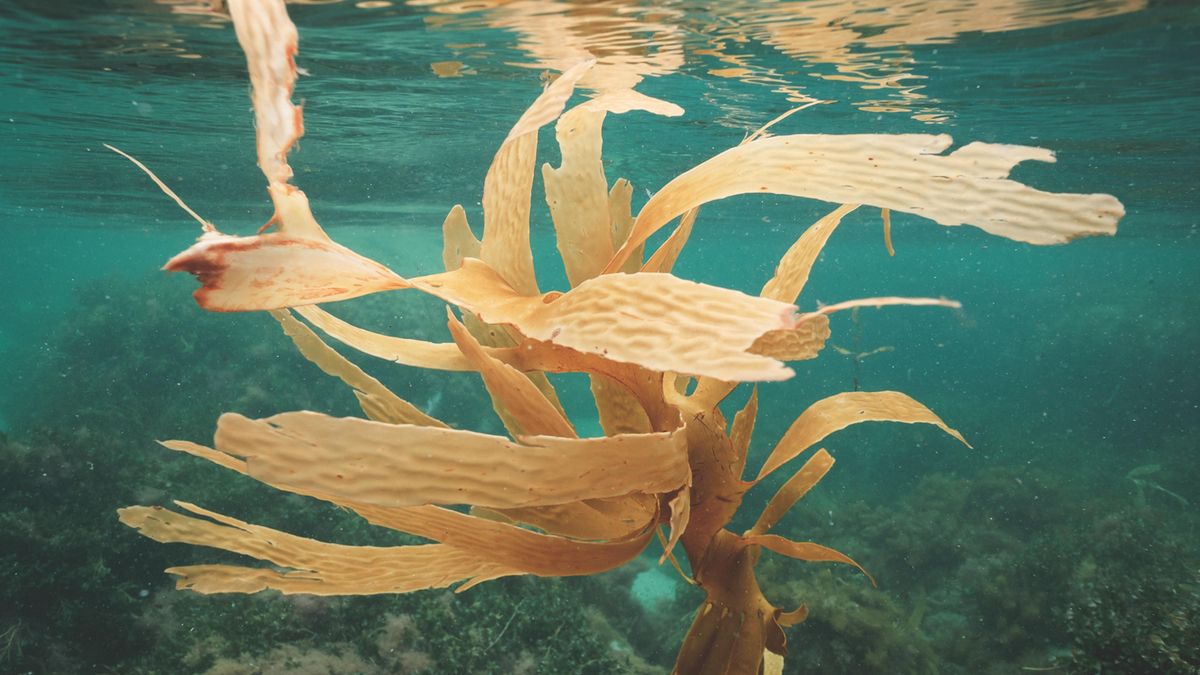
La peor sospecha gana fuerza: la marea mortal de Australia del Sur podría tener un responsable sin precedentes La especie más venenosa estudiada - Los primeros efectos aparecieron en Waitpinga durante marzo de 2025 y después alcanzaron una enorme extensión con cientos de miles de animales afectados durante quince meses La luz atraviesa las capas superficiales del agua y activa la fotosíntesis, de modo que organismos microscópicos empiezan a crecer allí donde encuentran nutrientes. Las algas marinas se forman cuando esas células aprovechan la energía solar, el dióxido de carbono y las sustancias disueltas en el agua para reproducirse. Su cantidad cambia según la temperatura, las corrientes, el viento y el aporte de nutrientes procedente de la costa. Cuando esas condiciones favorecen una multiplicación rápida, el agua puede llenarse de microalgas hasta formar una proliferación capaz de alterar la vida marina y afectar a las personas. Karenia cristata resultó ser la especie más venenosa estudiada Ese proceso empezó a causar daños en marzo de 2025, cuando una espuma amarillenta llegó a la playa de Waitpinga, en Australia Meridional. Los bañistas presentaron síntomas parecidos a los del resfriado y la gripe, mientras peces muertos o agonizantes y dragones de mar foliados aparecían en la costa. Durante los 15 meses siguientes, la mortandad alcanzó una zona superior a 19.900 kilómetros cuadrados, cerca del 30 del litoral de Australia Meridional, y afectó a cerca de un millón de peces, aves, moluscos y mamíferos marinos. La especie responsable fue Karenia cristata, una microalga rara que produce brevetoxinas, sustancias capaces de dañar las células nerviosas. Un estudio publicado el 6 de julio en Nature Ecology & Evolution concluyó que probablemente es la especie de alga más tóxica analizada hasta ahora. El equipo continúa estudiando las condiciones que impulsaron su crecimiento Shauna Murray, bióloga marina de la Universidad Tecnológica de Sídney y coautora del trabajo, comparó su potencia con la de otras microalgas estudiadas: Karenia cristata es diez veces más tóxica que la siguiente microalga más tóxica analizada hasta la fecha. Antes de esta proliferación, los investigadores apenas conocían a K. cristata. La aparición iniciada a comienzos de 2025 fue la primera registrada en aguas australianas, ya que la especie solo se había identificado cerca de Sudáfrica y Terranova, en Canadá. Cientos de especies de microalgas pueden causar daños cuando se acumulan en grandes cantidades, pero la escasez de datos sobre esta variedad dejó a los científicos con pocas referencias para anticipar su comportamiento en Australia Meridional. El equipo analizó sus células con un microscopio de gran potencia y las comparó con otras especies del género Karenia. También desarrolló métodos genéticos moleculares para distinguir las especies presentes en las muestras de agua. Las pruebas detectaron cinco tipos de Karenia en la proliferación australiana, aunque K. cristata dominaba con claridad. K. brevis, la única otra especie del género conocida por producir brevetoxinas, no apareció en las muestras recogidas. Los ensayos explican la magnitud de la mortandad marina Los investigadores buscan ahora qué factores favorecieron el crecimiento de K. cristata en Australia Meridional y qué mecanismos explican una toxicidad tan alta. Craig Styan, científico ambiental de la Universidad de Adelaida y coautor del estudio, reconoció ante la Australian Broadcasting Corporation que todavía falta conocer buena parte de su biología básica. Las próximas pesquisas deberán aclarar cómo puede detectarse antes y qué condiciones conviene vigilar para reducir el riesgo de otra mortandad de esa escala. Shauna Murray ha estado dirigiendo la investigación sobre el origen de la floración Los ensayos de laboratorio, aun así, aclararon por qué la mortandad fue tan extensa. Los científicos cultivaron K. cristata y midieron su efecto sobre células de peces e invertebrados, incluido el plancton. Varios coautores describieron los resultados en The Conversation: K. cristata mató a la mitad de los invertebrados estudiados incluso en concentraciones muy bajas. La microalga causó un daño parecido en células de branquias de peces cultivadas en laboratorio. La toxicidad apareció con unas 5.000 células por litro, mientras las aguas de Australia Meridional superaron con frecuencia esa cifra durante la proliferación. Las muestras recogidas en agosto y septiembre de 2025 contenían más de un millón de células por litro, unas 200 veces el nivel que ya causaba daños en laboratorio. Styan explicó a Sophie Holder, periodista de la ABC, que esos datos daban por primera vez una respuesta a la devastación observada en el mar. Las nuevas conclusiones amplían las zonas con riesgo futuro Las causas exactas de las proliferaciones de algas aún no están resueltas. Los investigadores estudian el papel del viento, las corrientes, la temperatura del agua, los episodios meteorológicos extremos y la llegada de nutrientes desde granjas y jardines. Hasta este trabajo, K. brevis se consideraba la especie más peligrosa y sus proliferaciones se asociaban sobre todo con aguas cálidas, como las del sureste de Estados Unidos. K. cristata ha demostrado que una especie todavía más tóxica puede crecer también en temperaturas más bajas. Ese cambio amplía las zonas que podrían sufrir episodios parecidos y obliga a prestar atención a aguas que antes quedaban fuera de las áreas consideradas de mayor riesgo. Don Anderson, ecólogo fisiológico de la Institución Oceanográfica Woods Hole, que no participó en la investigación, ya planteó esa posibilidad a Erik Stokstad, periodista de Science: Me hace preguntarme en qué otros lugares empezará a aparecer este problema. La duda que tiene la comunidad científica, por lo tanto, afecta a la vigilancia de nuevas proliferaciones y a la preparación de las autoridades costeras ante daños capaces de avanzar durante meses.
eldiario.es · 2 months ago
Hitzewelle und Übersterblichkeit: 8.300 Tote zu viel in nur vier Tagen Das extrem heiße Wochenende Ende Juni hat offenbar viel mehr Menschenleben gekostet als bisher bekannt. Das zeigen neue Zahlen des Statistischen Bundesamtes. mehr...
taz.de · 2 months ago
Românii, a doua cea mai importantă categorie de contribuabili străini la sistemul de asigurări sociale din Spania Sistemul de asigurări sociale spaniol a înregistrat un număr record de contribuabili străini în iunie, cu o medie de 3,45 milioane de angajați, după ce a adăugat 86.630, anunță Ministerul Incluziunii, Securităţii Sociale şi Migraţiei. Românii reprezintă a doua cea mai importantă categorie de contribuabili străini, după marocani, relatează EFE, preluată de infobae.com.
digi24 · 2 months ago
Sicurezza stradale, in crescita incidenti mortali nelle 72 ore dei fine settimana Cresce il numero di incidenti stradali e anche quello delle vittime. Con una concentrazione maggiore nei fine settimana. I numeri peggiori tra automobilisti (comprese le famiglie in auto) e motociclisti....
il sole 24 ore · 2 months ago

En juin, la vague de chaleur aurait causé la mort de 14 000 Européens Selon une étude statistique menée par Politico qui concerne les six pays européens les plus touchés par la canicule du mois de juin, la surmortalité aurait été dau moins 14 000 cas le mois dernier. Des chiffres encore provisoires, mais déjà très inquiétants.
courrier international · 2 months ago
Près de 300 morts : juin a été le mois le plus meurtrier pour les civils ukrainiens depuis avril 2022 Dans un rapport publié mardi 14 juillet, lONU souligne que 45 des victimes sont liées à des missiles et drones de longue portée, les frappes touchant principalement des villes.
liberation · 2 months ago
Jahrestag der Flutkatastrophe: Flut in Sinzig: «Die schlimmste Nacht, die ich erlebt habe»
die zeit · 2 months ago
Un turist din București a murit în apropiere de Vârful Caraiman. Salvamont Prahova anunță că este al șaselea deces în zona montană din acest an Un bărbat de 64 de ani, din București, s-a stins din viață marți, 14 iulie, după ce a intrat în stop cardio-respirator în apropiere de Vf. Caraiman. Salvamont Prahova anunță că este al șaselea deces în zona montană din acest an.
adevarul · 2 months ago
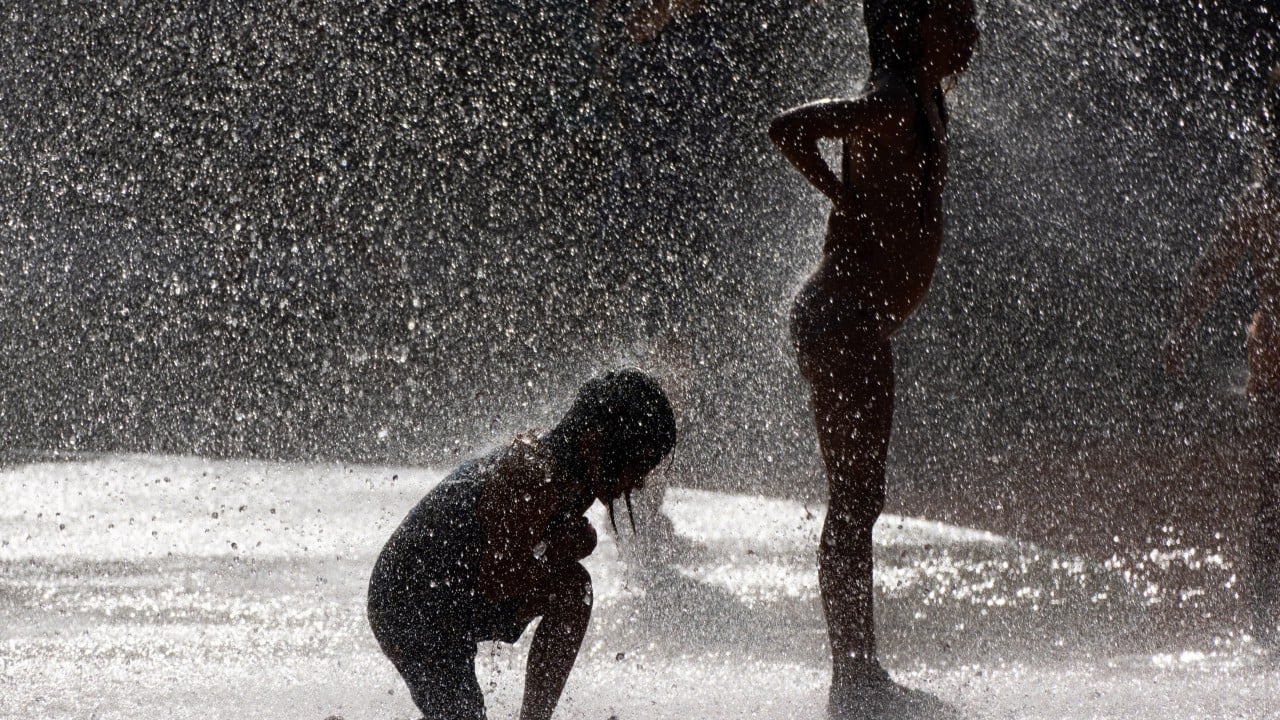
German deaths rise 32 during record June heatwave, data shows Deaths in Germany spiked 32 per cent during a record heatwave in June compared to levels in the previous four years, official data showed Tuesday. Nationwide, about 23,900 people died between June 22 and June 28 – an increase of 7,100 compared with the two previous weeks, according to Germanys statistics agency. The fact that the health impact from heat is high and that death rates rise as a result is a well-known effect often observed in the summer months, the agency said. Sweltering weather...
south china morning post · 2 months ago

Last months heat wave shattered records in several European countries. POLITICO calculations show thousands of excess deaths across six of the hardest-hit nations. 🔗 www.politico.eu/article/june...
bluesky_Politico Europe · 2 months ago

Extreme heat is forcing France to shut down nuclear reactors. It is fueling concerns about whether the countrys nuclear energy infrastructure can withstand life on the planets fastest-warming continent. 🔗 www.politico.eu/article/warm...
bluesky_Politico Europe · 2 months ago

Sismos: já há 117 portugueses e lusodescendentes mortos Os sismos de magnitude 7,2 e 7,5 ocorreram a 200 quilómetros de Caracas
observador · 2 months ago
Historische Trockenheit in Teilen Österreichs Die Trockenheit ist heuer ein besonders großes Problem für Österreich: Laut Daten der GeoSphere Austria von Dienstag gab es in der ersten Jahreshälfte um 27 Prozent weniger Niederschlag als im langjährigen Mittel. In einigen Landesteilen war es seit 1885 nicht mehr so trocken, so GeoSphere-Klimatologe Alexander Orlik. Regionen in Nieder-, Oberösterreich und Salzburg sind besonders betroffen.
orf.at · 2 months ago

Bilanz der Sanfermines: Mehr als 70 Verletzte bei Stierhatz in Pamplona Hunderte rennen bei der traditionellen Stierhatz in Pamplona mit den Tieren durch die engen Gassen. Dabei gab es in diesem Jahr zahlreiche Verletzte.
faz · 2 months ago
Ajalooline UV-rekord Eestis: teadlane hoiatab levinud vigade eest päikesekaitses Juuni lõpus registreeriti Eestis erakordselt kõrged UV-indeksi näidud: 25. juunil 2026 sündis Haapsalus 8,9-ga Eesti absoluutne rekord ning ka Pärnus mõõdeti uus tippmark 7,7. Kuidas ennast aga rekordiliselt kõrge kiirgustaseme eest kaitsta?
postimees · 2 months ago
V červnu zahynulo na Ukrajině opět nejvíce civilistů od dubna 2022, uvedla OSN OSN uvedla, že v červnu zaznamenala na Ukrajině znovu nejvyšší počet obětí z řad civilistů od dubna 2022. Podle zprávy Úřadu vysokého komisaře OSN pro lidská práva bylo v uplynulém měsíci zabito nejmé...
respekt · 2 months ago

Aena y las aerolíneas se enzarzan por el récord de tráfico entre enero y junio Los aeropuertos registran un máximo de de 156 millones de pasajeros, un 3,7 más. El gestor de las infraestructuras destaca que el crecimiento es menor que el del año pasado, pero las operadoras subrayan que, al ritmo actual, en 2028 se llegará a la previsión de Aena de 2028. En el trasfondo, la batalla por las tasas entre 2027 y 2031 Leer
expansion · 2 months ago

Dodelijkste maand voor burgers Oekraïne sinds eerste oorlogsdagen
trouw · 2 months ago