
US kills Tren de Aragua leader Hctor Guerrero Flores in coordinated strike
US military kills Héctor Guerrero Flores, leader of Venezuela’s Tren de Aragua, in coordinated strike
WASHINGTON, 13 June 2026 — US President Donald Trump announced on Thursday that American forces had killed Héctor Guerrero Flores, the reputed leader of Venezuela’s Tren de Aragua, describing the operation as retribution for the gang’s victims and stressing it was carried out in “close coordination” with Venezuelan authorities. The strike, which Trump said targeted the 42-year-old Flores, marks the most high-profile US military action against a transnational criminal organisation operating from Venezuelan soil.
Speaking to reporters at the White House, Trump stated that US Special Operations units conducted the lethal mission, though he did not disclose the location or date of the operation. “The United States will not tolerate the violence and terror that this gang has inflicted on innocent people,” Trump said. “We acted with the full support of the Venezuelan government.” Venezuelan officials separately confirmed the death of the gang leader but provided no further details.
Tren de Aragua, originally a prison gang founded in Tocorón in the 1980s, has expanded into a sprawling criminal enterprise with operations across South America, Europe and the United States. The group is accused of drug trafficking, human smuggling, extortion, prostitution rings and contract killings. In 2024, the US Treasury designated Tren de Aragua a “transnational criminal organisation,” and the State Department listed it as a terrorist entity in March 2026.
Flores, widely known by the alias “Niño Guerrero,” had led the gang since the early 2010s and was wanted by authorities in at least seven countries for crimes including murder, kidnapping and human trafficking. Colombian police reported a 40% drop in migrant smuggling along the Darién Gap in May 2026, attributing the decline to intensified pressure on Tren de Aragua networks. Ecuadorian authorities, meanwhile, recorded a 22% decrease in extortion cases in border cities during the first quarter of 2026, a trend some analysts link to the gang’s leadership crisis.
Reaction to the operation was swift. The Lima Group, an alliance of 12 Latin American nations, issued a statement calling the strike “a significant step in combating transnational organised crime,” while urging continued regional cooperation. Human rights organisations, however, warned that the operation could trigger retaliatory violence. “Without addressing the root causes of gang recruitment and state corruption, targeted strikes risk escalating cycles of violence,” said Ana María Díaz, director of Caracas-based NGO ProJusticia.
The Pentagon declined to comment on the specific units involved, but a senior US defence official, speaking on condition of anonymity, confirmed that intelligence sharing with Venezuelan counterparts had been “critical” to the mission’s success. Trump is scheduled to meet with regional leaders in Bogotá next week to discuss further joint counter-narcotics and anti-gang initiatives.
- 2
- 1
- 1
- 1
- 1
- 1
- 1
- 1
- 1
- 1
- 1
Articles

Le chef du gang vénézuélien Tren de Aragua tué dans une frappe américaine Le chef de lorganisation criminelle Tren de Aragua dont la tête avait été mise à prix par ladministration américaine a été tué lors dune opération conjointe avec les Etats-Unis dans le sud du Venezuela, ont annoncé vendredi les deux pays. ...
la libre · about 2 hours ago

VS doodt leider van Venezuelas grootste bende Tren de Aragua Amerikaanse strijdkrachten hebben de leider van de Venezolaanse bende Tren de Aragua gedood. Dat melden de Amerikaanse president Donald Trump en Venezuela. De Verenigde Staten beschouwen de bende, die ook in andere landen actief is, als een terreurgroep.
nu.nl · about 2 hours ago
Kampf gegen Drogenkartelle: Trump: US-Militär tötet Anführer venezolanischer Drogenbande Tren de Aragua ist eine Gang, die in Drogenhandel, Schutzgelderpressung und Menschenhandel verwickelt ist. Die US-Regierung betrachtet sie als Terrororganisation - und nimmt ihren Anführer ins Visier.
tagesspiegel · about 2 hours ago
Kampf gegen Drogenkartelle: US-Militär tötet laut Trump Chef der kriminellen Organisation Tren de Aragua Die USA haben nach Angaben von US-Präsident Donald Trump den Chef der kriminellen Organisation Tren de Aragua aus Venezuela bei einem gezielten Angriff getötet.
tagesspiegel · about 2 hours ago
Trump says US military killed leader of Venezuelan gang Tren de Aragua US President Donald Trump said on Thursday that American forces had carried out a lethal strike against Hector Guerrero Flores, the leader of the Venezuelan gang Tren de Aragua, describing the operation as retribution for the groups victims while noting it was coordinated with Venezuelan authorities.
yenisafak · about 2 hours ago
Trump says US forces killed leader of the Tren de Aragua gang The Tren de Aragua gang has been designated as a foreign terrorist organization by the US since February 2025.
euronews · about 2 hours ago
Venezuela: US-Militär tötet Chef von Drogenkartell Tren de Aragua Die USA haben in einem »schnellen und tödlichen Schlag« den Anführer eines venezolanischen Kartells getötet, meldet US-Präsident Trump. Venezuela bestätigt die Angaben.
die zeit · about 2 hours ago
Trump anunță uciderea lui Niño Guerrero, șeful organizaţiei criminale venezuelene Tren de Aragua Autoritățile din SUA și Venezuela au anunțat vineri, 12 iunie, uciderea șefului organizației criminale venezuelene Tren de Aragua. Nino Guerrero, liderul grupării, a fost pus sub acuzare de un tribunal din New York în 2025.
adevarul · about 2 hours ago
Venezuela says leader of Tren de Aragua gang killed in joint operation with US The leader of the Tren de Aragua gang Héctor Rusthenford Guerrero Flores, for whom the US government had offered a reward of up to $5 million, was killed during a joint operation with the United States in southern Venezuela, the two countries announced on Friday.
france24 · about 2 hours ago
Trump: Venezuelan gang leader killed in US strike In a strike ordered by President Donald Trump, the US Southern Command has killed Hector Rusthenford Guerrero Flores, also known as Niño Guerrero, the leader of the Venezuelan gang Tren de Aragua. Trump announced the operation on Truth Social, and US Defense Secretary Pete Hegseth stated the attack occurred earlier this week. The operation was […]
cphpost · about 2 hours ago
Trump claims US kills Venezuelas Tren de Aragua gang leader
aljazeera · about 2 hours ago
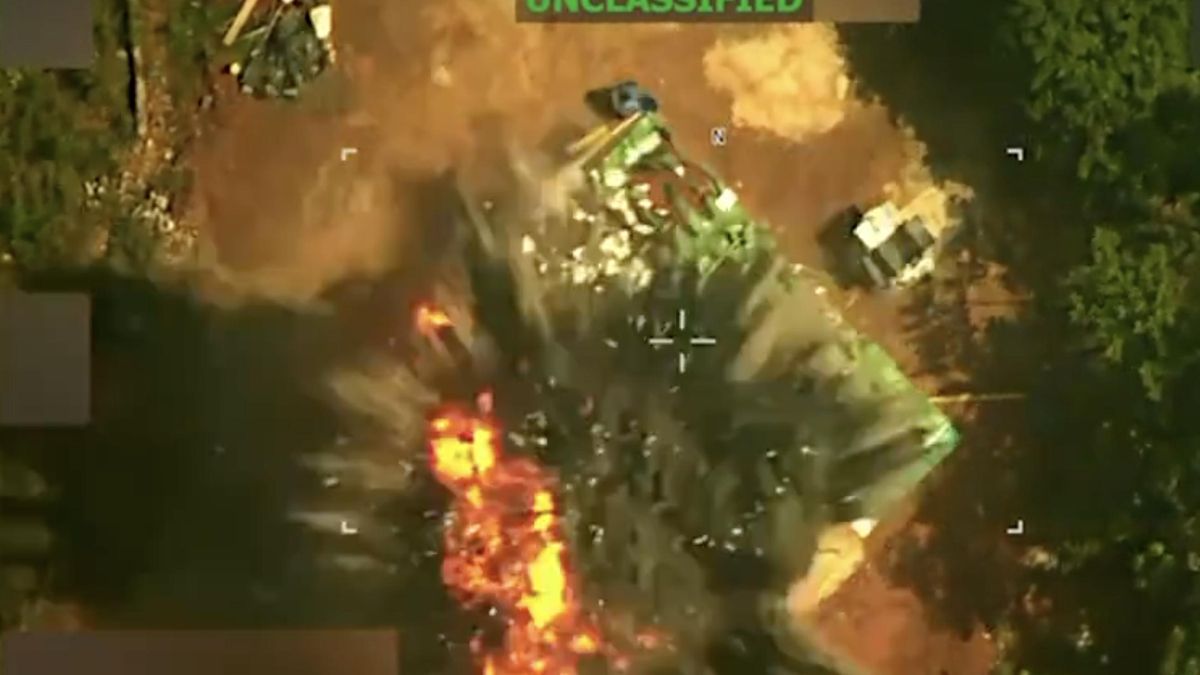
Trump anuncia que EEUU ha matado en Venezuela al "infame líder" del Tren de Aragua, el Niño Guerrero, con la colaboración de Caracas "Esta acción se coordinó estrechamente con nuestros amigos de Venezuela. Como resultado, los terroristas del Tren de Aragua ya no cuentan con refugio seguro en Venezuela ni en ningún otro lugar", ha dicho el presidente de EEUU Ataque de Estados Unidos en territorio venezolano en colaboración con el Gobierno de Delcy Rodríguez contra una supuesta instalación del narco Tren de Aragua en la que el Ejército de EEUU ha matado al infame líder de la organización. Es lo que ha anunciado este viernes por la noche el presidente de EEUU, Donald Trump, en un mensaje en sus redes sociales. Bajo mis órdenes, el Comando Sur de los Estados Unidos llevó a cabo un ataque cinético rápido y letal para eliminar a Niño Guerrero, el infame líder del Tren de Aragua, una de las organizaciones terroristas más sanguinarias del planeta, ha afirmado Trump: Antes de que yo regresara al cargo, Joe Biden abrió nuestra frontera sur a millones de criminales ilegales y permitió que este ejército extranjero violara, mutilara y asesinara a ciudadanos estadounidenses con total impunidad. Durante mi campaña, prometí expulsar a estos monstruos de nuestro país y hacer justicia a las familias de aquellos a quienes masacraron, incluidas la querida Jocelyn Nungaray (de 12 años), Laken Riley (de 22 años) e innumerables almas hermosas más. Con esta acción, ha dicho Trump, las Fuerzas Armadas de EEUU han hecho justicia para ellas, sus familias y sus seres queridos. Al inicio de mi Administración cumplí mi promesa de designar al Tren de Aragua como organización terrorista extranjera, deportar a miles de criminales malvados y librar una guerra contra los cárteles, que durante mucho tiempo han atacado a nuestros ciudadanos mientras líderes débiles dejaban a Estados Unidos indefenso y a la defensiva. Según Trump, esta acción se ha coordinado estrechamente con nuestros amigos en Venezuela, con quienes estamos colaborando muy bien. Como resultado, los terroristas del Tren de Aragua ya no tienen refugio seguro en Venezuela ni en ningún otro lugar y, bajo mi liderazgo, encontraremos a estos despiadados asesinos y capos de la droga en cualquier momento y lugar, para enviarlos a las profundidades del infierno, donde pertenecen. Estados Unidos ha catalogado al Tren de Aragua como una organización terrorista. Y Guerrero Flores fue acusado en un tribunal federal de Nueva York de conspiración para delinquir y otros delitos, incluyendo brindar apoyo a terroristas en crímenes que se extendieron por más de una década, según anunciaron las autoridades en diciembre. El secretario de Defensa, Pete Hegseth, publicó en Twitter que el ataque tuvo lugar a principios de semana en un complejo del Tren de Aragua en Venezuela. El fiscal federal Jay Clayton declaró que la banda es responsable de innumerables actos de violencia, extorsión y narcotráfico en Norteamérica, Sudamérica y Europa. Trump acaba de nominar a Clayton el jueves para el cargo de director de Inteligencia Nacional, puesto que queda vacante con la renuncia de Tulsi Gabbard. El Departamento de Estado de EEUU había ofrecido recompensas de hasta 5 millones de dólares por información que condujera al arresto de Guerrero Flores. Hegseth ha declarado: La operación subraya el compromiso compartido de EEUU y Venezuela de combatir a los narcoterroristas y negarles cualquier refugio seguro en nuestro hemisferio. El Gobierno venezolano emitió un comunicado confirmando su participación en la operación y revelando que tuvo lugar en el estado suroriental de Bolívar. Según el texto, en el marco de una operación combinada entre organismos de seguridad de Venezuela y de EEUU en el sureste del estado Bolívar, fueron desarticuladas estructuras de delincuencia organizada que operaban en la zona. Durante el desarrollo de la operación se produjeron enfrentamientos con integrantes de estas estructuras criminales, en los que resultó neutralizado Héctor Rusthenford Guerrero Flores, alias Niño Guerrero, cabecilla de una organización criminal. La operación contó con apoyo tecnológico especializado y se desarrolló mediante mecanismos de cooperación e intercambio de información de inteligencia entre las autoridades de ambos países. La República Bolivariana de Venezuela reafirma su compromiso con la lucha contra la delincuencia organizada y continuará adoptando las medidas necesarias para garantizar la paz, la tranquilidad y la protección de nuestro pueblo. Durante la operación, se produjeron enfrentamientos con miembros de grupos criminales, resultando en la muerte de Héctor Rusthenford Guerrero Flores, alias Niño Guerrero, líder de una de estas organizaciones criminales. El estado, rico en minerales y fronterizo con Brasil y Guyana, alberga grandes operaciones mineras ilegales controladas desde hace tiempo por bandas y otros actores que extraen minerales con el consentimiento —y en beneficio— de funcionarios y militares. Trump ha emprendido una serie de acciones extraordinarias contra el supuesto narcotráfico, incluyendo varios ataques a pequeñas embarcaciones que la Administración ha acusado de traficar drogas a Estados Unidos. Al menos 207 personas han sido asesinadas en ataques con embarcaciones por parte del ejército estadounidense en el Pacífico oriental y el mar Caribe desde que la administración Trump comenzó a atacar a quienes denomina narcoterroristas a principios de septiembre. El Tren de Aragua se originó hace más de una década en una prisión donde se recluían criminales endurecidos en el estado venezolano de Aragua. La banda se ha expandido en los últimos años a medida que millones de venezolanos emigraron a otros países latinoamericanos o a Estados Unidos en busca de mejores condiciones de vida. Guerrero Flores regresó a la prisión de Aragua en 2013, tras cumplir condena por asesinato y otros delitos, cuando comenzó la crisis venezolana. Se desconoce el tamaño de la banda. Países con grandes poblaciones de migrantes venezolanos, como Perú y Colombia, han acusado al grupo de estar detrás de una ola de violencia en la región. Sin embargo, a diferencia de otras organizaciones criminales de Colombia, Centroamérica y Brasil, Tren de Aragua no tiene una participación a gran escala en el contrabando de cocaína a través de las fronteras internacionales, según InSight Crime, un centro de investigación que monitorea el crimen en América Latina. La minería legal de oro y otros minerales es un componente del plan gradual de la administración Trump para sacar al país devastado por la crisis. En marzo, el secretario del Interior de Estados Unidos, Doug Burgum, declaró a la prensa durante una visita a Venezuela que...
eldiario.es · about 2 hours ago

Trump Says U.S. Killed Venezuelan Tren de Aragua Gang Leader The president said the strike was coordinated with the government in Caracas.
wsj · about 2 hours ago
Trump says US strike killed Tren de Aragua gang boss with Venezuela help Gang leader Flores had controlled the vast criminal syndicate from Venezuela for years.
aljazeera · about 2 hours ago