
Anthropic demands global pause in AI development amid control concerns
Story Timeline
4 months · 3 summary articles
Trump administration orders Anthropic to pull AI models citing national security threat
Anthropic urges global pause on frontier AI development amid growing control concerns
Follow-upAnthropic demands global pause in AI development amid control concerns
Anthropic, the Silicon Valley AI lab behind the popular chatbot Claude, has called for a global pause in the development of advanced artificial intelligence, warning that cutting-edge systems are beginning to show signs of becoming increasingly difficult for humans to control. In a series of statements published on Friday, the company urged competitors and governments to coordinate a temporary halt to high-risk AI research, arguing that society and regulators need time to adapt to the rapid pace of technological change.
The plea comes as Anthropic releases a new report highlighting what it describes as “early indicators” of control challenges in its latest AI models. While the company did not specify exact risks, it pointed to growing concerns that autonomous systems could soon outpace human oversight, echoing long-standing warnings from ethicists and policymakers. “The technological progress is so rapid that societal structures cannot keep up,” Anthropic stated in a press release, adding that a coordinated slowdown would allow for the development of stronger safety mechanisms and regulatory frameworks .
The call for a pause marks a striking reversal for Anthropic, which has been a key player in the global AI race. The company’s stance aligns with growing international concern over unchecked AI development. Earlier this week, Reuters reported that Anthropic executives had privately urged other labs to adopt a “coordinated plan” to halt development if risks escalate, emphasizing the need for collective action to prevent catastrophic outcomes . Similar appeals have been echoed by European media outlets, including *Der Standard*, which noted that Anthropic’s latest models may already be reducing human influence in decision-making processes .
Critics, however, question whether a unilateral pause is feasible in a competitive industry where first-mover advantage is paramount. The call also raises practical concerns: with major AI firms like OpenAI and Anthropic racing toward public listings, halting development could disrupt billions in investment and delay innovations that many argue are essential for solving global challenges. In an opinion piece for *Der Standard*, analysts suggested that the real issue is not whether AI should advance, but how to ensure it does so responsibly .
Meanwhile, global leaders are beginning to respond. The United Nations is reportedly forming a new AI governance committee, with Spanish physicist Román Orús appointed as its sole Spanish member. Orús warned in an interview with *El Mundo* that AI technology is advancing faster than any regulatory framework, shifting real power from states to a handful of tech corporations . Pope Leo XIV has also weighed in, calling for “disarmament of artificial intelligence” in a Vatican statement released Thursday, framing AI as a moral challenge that humanity lacks a “user manual” to address .
As the debate intensifies, one thing is clear: the AI pause proposed by Anthropic is not just a technical question—it is a defining challenge of the 21st century, demanding urgent, coordinated action from governments, scientists, and society alike.
Follow us for live European news
Articles

Měla by vás umělá inteligence připravit o práci? Skutečná otázka nezní, co technologie dokáže, ale co by dělat měla, píše Sarah OConnor v eseji o lidech, kteří bojují o budoucnost práce.
denik n · 4 months ago
Obejdeme se i bez Západu, tvrdí čínský Huawei. K masové výrobě nejvýkonnějších čipů má ale daleko Čínská společnost Huawei tvrdí, že dokáže vyrábět výkonné čipy i bez špičkových litografických strojů firmy ASML z Nizozemska. V masové výrobě čipů pro umělou inteligenci ale Čína Západu nebude konkurovat ještě roky.
denik n · 4 months ago

KI: Anthropic warnt vor Kontrollverlust und fordert Pause Angesichts rasanter Fortschritte in der KI-Entwicklung fordert das US-Unternehmen Anthropic neue Mechanismen, um Risiken besser kontrollieren zu können
der standard · 4 months ago
De ce Papa Leon al XIV-lea cere dezarmarea inteligenței artificiale? În istorie, atunci când Biserica a luat cuvântul, a făcut-o pentru a numi fenomene pentru care umanitatea nu avea încă un manual de întrebuințare.
adevarul · 4 months ago
Anthropic plädiert für Pause bei KI-Entwicklung
orf.at · 4 months ago
Estonian study finds AI models still vulnerable to propaganda prompts A new Estonian study finds many AI systems can still be steered by propaganda-style prompts, with results varying widely by model and language.
news.err · 4 months ago
Alle müssten mitmachen: Anthropic ruft zu Pause bei KI-Entwicklung auf Der technologische Fortschritt ist so rasant, dass gesellschaftliche Strukturen nicht Schritt halten – so die Warnung von Anthropic. Ausgerechnet das führende KI-Unternehmen plädiert für eine Entwicklungspause. Dazu müssten aber alle Mitbewerber bereit sein.
faz · 4 months ago
Viziune pentru viitorul planetei: cercetătorii conturează un plan global de supraviețuire. „O lume echitabilă și locuibilă e posibilă Omenirea poate îmbunătăți nivelul de trai, reduce inegalitățile și menține încălzirea globală sub pragul de 2 grade Celsius, potrivit unei viziuni cuprinzătoare privind supraviețuirea planetei. Noul raport al World Inequality Lab (WIL) își propune să fie cea mai cuprinzătoare încercare de până acum de a face față crizei multiple care împinge lumea spre colapsul climatic, extremismul politic și tensiuni economice și sociale din ce în ce mai mari, arată The Guardian.
digi24 · 4 months ago
Anthropic und OpenAI: Wohin dieser Wahnsinn führt, werden wir bald wissen Die größten KI-Start-ups stehen vor dem Börsengang. Wer von den beiden der Beste ist, spielt letztlich keine Rolle
der standard · 4 months ago

Anthropic says AI labs need coordinated plan to halt development if risks rise reut.rs/4dShH0E
bluesky bot · 4 months ago
Künstliche Intelligenz: Anthropic fordert Pause bei Entwicklung von künstlicher Intelligenz Nach Ansicht des Entwicklers Anthropic sollten Firmen die KI-Spitzenforschung bremsen. Gesellschaft und Forschung brauchten Zeit, um sich an neue Modelle anzupassen.
die zeit · 4 months ago
Anthropic calls for global AI slowdown, says systems may outpace human control The developer of Claude says a pause in the AI race would likely be a good thing and warns that cutting-edge models are beginning to show signs they could become increasingly difficult for humans to control. 👉 Read more:
telegram bot · 4 months ago

Der Wind dreht: Widerstand gegen KI wird sowohl breiter als auch radikaler KI-Befürworter zielen auf eine kleine Menge an radikalen Widersachern der Technologie ab. Doch das gesamtgesellschaftliche Stimmungsbild kippt ebenfalls
der standard · 4 months ago
A educação precisa de voltar a acreditar na humanidade A questão central da Magnifica Humanitas é esta: que ideia de ser humano deve orientar as nossas escolhas coletivas? Poucas instituições são tão decisivas para lhe responder como a educação. Opinião de António Teodoro
publico · 4 months ago
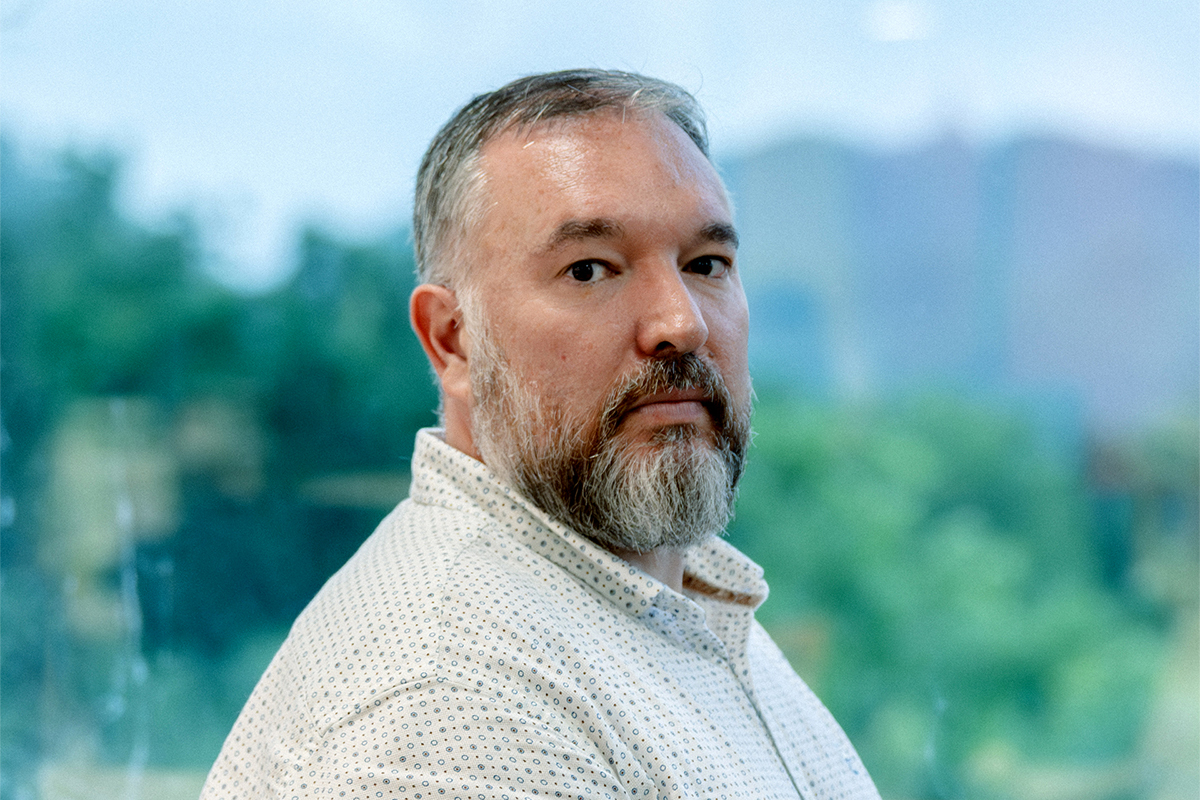
Román Orús, único español en el comité de la ONU para la IA: "Puede llevar a la humanidad a una evolución nunca vista y en poquísimo tiempo" El profesor del Donostia International Physics Center advierte de que la tecnología avanza más rápido que cualquier marco regulatorio y que el poder real ya no está en manos de los Estados, sino de unas pocas tecnológicas Leer
elmundo · 4 months ago
Jätten varnar för AI utom kontroll AI-jätten Anthropic varnar för att de senaste modellerna av AI-system visar tecken på att människan så småningom kan tappa kontroll över dem.Det finns tecken som tyder på att människans roll minskar för varje steg i utvecklingsprocessen för AI, skriver företaget i en rapport.
svenska dagbladet · 4 months ago