Loading…
 Saturday, August 29Saturday, August 29
3 months · 5 summary articles
The European Commission has warned that Europe faces a deepening housing crisis, with EU Commission President Ursula von der Leyen pledging EU-wide action to address the issue. Speaking on Saturday, von der Leyen highlighted the urgency of the situation, noting that rising housing costs and shortages are affecting millions across the bloc.
The warning comes as the EU grapples with economic uncertainty, shifting global trade dynamics, and internal political divisions. Von der Leyen’s pledge follows a series of reforms and policy debates across member states, including Germany’s ongoing struggle to balance fiscal responsibility with economic growth.
In Germany, Finance Minister Lars Klingbeil (SPD) has defended the government’s decision to tap into a long-standing reserve fund to balance the 2027 federal budget, citing unexpected economic pressures. Klingbeil confirmed that €6.8 billion would be withdrawn from the reserve, leaving just €3.9 billion for future years. The move follows revised growth forecasts, triggered by geopolitical tensions and energy price volatility.
The budget adjustments include cuts to financial aid programs, with potential reductions in heating subsidies and social welfare allocations. Klingbeil acknowledged the political sensitivity of the decision but emphasized the need for fiscal prudence. “Stability of public finances is also a value,” he stated, adding that every sector must contribute to balancing the budget.
Meanwhile, Chancellor Friedrich Merz (CDU) has sought to rally support for the government’s reform agenda, arguing that Germany’s best years lie ahead if structural changes are implemented. Speaking at a CDU party conference in North Rhine-Westphalia, Merz dismissed criticism of the coalition’s progress, stating that the government is proving the political center can deliver solutions. “We are providing proof that the political center can find solutions, forge compromises, and reform the country,” he said.
Merz also announced plans for an action plan to combat social benefit fraud, a move aimed at addressing concerns raised by local politicians. The government is set to finalize health and pension reforms in the coming weeks, though internal disagreements over issues such as mini-jobs have yet to be resolved.
Across the EU, economic cooperation remains a priority, with European Commissioner Valdis Dombrovskis emphasizing the importance of Türkiye’s economic reforms and disinflation efforts. Speaking in Istanbul, Dombrovskis welcomed Türkiye’s application to join the Single Euro Payments Area (SEPA) and discussed ways to deepen EU-Türkiye economic ties. However, he noted that modernizing the EU-Türkiye Customs Union would require unanimous backing from member states, which is not currently in place.
The EU remains Türkiye’s largest trade partner, accounting for 42.8% of its exports and 31.7% of its imports in 2025. Total trade volume reached €218 billion, while EU foreign direct investment in Türkiye amounted to €5.34 billion, representing 66% of total inflows.
In Cyprus, Parliament has extended the operations of the Deputy Ministry for European Affairs until December 31, 2026, as part of efforts to maintain strategic expertise during ongoing EU negotiations. The decision, forwarded to Parliament for urgent review, underscores the importance of continuity in EU-related policymaking.
The EU’s diplomatic service, the European External Action Service, continues to face scrutiny over its role and structure, with France taking a leading role in redefining its mandate. The debate reflects broader divisions among member states over the EU’s future direction.
Follow us for live European news
7 further sources not geolocated

Corendon and TUI offer to operate Dutch government jet, say plan could save €100 million Airlines Corendon and TUI have offered to operate the Dutch governments current Boeing PH-GOV aircraft instead of replacing it, saying the plan could save taxpayers 100 million euros, De Telegraaf
nltimes.nl · about 2 months ago
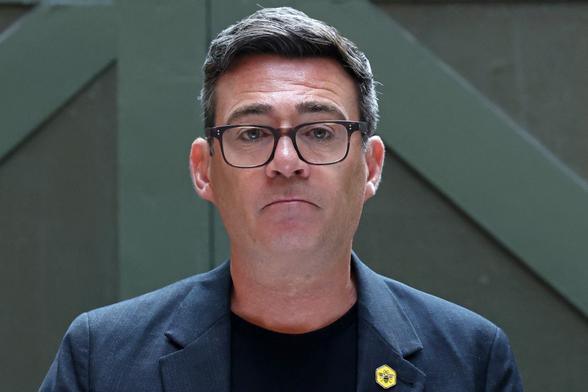
KYIV POST: Presumed Next UK PM Rules Out Early Elections Andy Burnham, currently the sole candidate to succeed Sir Keir Starmer as UK prime minister and Labour Party leader, stated he will not call early general elections and will govern based on the 2024 party manifesto. During a public online forum, Burnham also expressed support for electoral reform and pledged continued military support for Ukraine. #Europe #World #Ukraine
mastodon bot · about 2 months ago
Merz kritisiert „Nöler und Nörgler – und will härter gegen Sozialbetrug durchgreifen Noch im Juli soll ein Aktionsplan zur Bekämpfung von Sozialleistungsmissbrauch kommen, sagt Bundeskanzler Friedrich Merz. Und er verspricht, dass vor Deutschland noch „sehr gute Jahre liegen können.
welt.de · about 2 months ago
Germanys Merz rejects Trumps NATO burden-sharing criticism Chancellor Friedrich Merz has pushed back against President Trumps claims that Germany is not contributing enough to NATO defense. Merz said Germany is doubling its defense budget within four years and making its largest-ever military investment, insisting we have nothing to be ashamed of.
yenisafak · about 2 months ago
EU commissioner: Türkiyes reforms, disinflation key for resilience European Commissioner Valdis Dombrovskis has stated that Türkiyes economic reform agenda and disinflation process are important for its resilience. He welcomed Türkiyes application to join SEPA and noted that a Customs Union update requires unanimous EU member state backing.
yenisafak · about 2 months ago
Victor Negrescu explică raportul pozitiv al României în relația cu UE: „Am contribuit cu 30 miliarde de euro, am primit 100 miliarde România are un raport pozitiv în relaţia cu Uniunea Europeană, pe zona de bani europeni, contribuind cu aproximativ 30 de miliarde de euro la bugetul comun european şi primind peste 100 de miliarde de euro, a afirmat, sâmbătă, la Alba Iulia, europarlamentarul Victor Negrescu.
digi24 · about 2 months ago
European elections: Millions vote to elect new parliament
gdeltproject.org · about 2 months ago
Reformen: Merz sagt sehr gute Jahre voraus - weiter Kritik an Reformen Helmut Kohl versprach den Bürgern einst blühende Landschaften. Heute formuliert es Kanzler Friedrich Merz bei der NRW-CDU nüchterner. Er sagt dem Land sehr gute Jahre voraus - unter einer Bedingung.
handelsblatt · about 2 months ago
Das steckt im Haushalt: Mehr Schulden, weniger Finanzhilfen Die schwarz-rote Koalition hat sich auf ein Reformpaket geeinigt – nun geht es um die nächste große Baustelle: den Bundeshaushalt 2027. Was steckt drin? mehr...
taz.de · about 2 months ago
Robert Sighiartău: Nicușor Dan este un președinte părtinitor, nu mediator. „Ne-am dat seama că are o problemă cu PNL Secretarul general al PNL, Robert Sighiartău, a declarat la emisiunea „În fața ta de la Digi24, că, în opinia lui, Nicușor Dan s-a comportat ca un președințe părtinitor, nu un președinte mediator în criza politică declanșată prin demiterea Guvernului Bolojan. El spune că este vizibil că Nicușor Dan „are o problemă cu PNL.
digi24 · about 2 months ago
Dutch summer travel drops for second year amid rising prices as only 52 go on holiday For the second year in a row, fewer Dutch people are going on summer holidays in July and August, according to Dutch mobility association ANWBs latest Holiday Monitor.
nltimes.nl · about 2 months ago
China is rewriting e-commerce law to tighten platform rules at home and shield its companies abroad China released draft amendments to its e-commerce law on Saturday, proposing 20 provisions that would expand the laws reach beyond platforms and merchants to cover a wider range of participants in the digital economy. The proposal, jointly issued by the State Administration for Market Regulation and the Ministry of Commerce, is open for public consultation until 4 […] This story continues at The Next Web
the next web · about 2 months ago
Church of Cyprus launches financial support scheme to counter low birth rates and demographic decline The Church of Cyprus Scheme for Countering Low Birth Rates has entered its implementation phase, aiming to support large families and specifically increase births of third and subsequent children. The announcement and rollout of the program are tied to the sensitivity of His Beatitude Archbishop Georgios regarding the threat of a dramatic alteration in the […]
in-cyprus · about 2 months ago
Growing platelets on silk to keep blood supplies flowing EU-funded researchers are using silk-based bone marrow factories to grow platelets in the lab, helping to lower our dependence on limited donor blood supplies. By Hannah Docter-Loeb Every day, hospitals rely on platelet transfusions to stop bleeding, support cancer treatment and help patients recover from surgery and serious illness. Yet one of medicines most essential […]
cyprus mail · about 2 months ago
Sparzwänge im Bundeshaushalt: Klingbeil plant Kürzungen von Finanzhilfen im Klimafonds Mit dem reduzierten Budget könnte es ab 2027 weniger Heizungsförderung geben. Bereits zugesagte Förderungen bleiben aber unberührt. Ziel ist mehr Effizienz.
tagesspiegel · about 2 months ago
Bulgarian PM vows to defend national interest on EU Russia sanctions Bulgarian Prime Minister Rumen Radev said on Friday that Sofia will introduce reservations on the European Unions proposed 21st sanctions package against Russia, citing concerns over energy security and potential arbitration costs involving Russian oil major Lukoil.
yenisafak · about 2 months ago
Scabies Infections Surge in Prague During First Half of the Year Prague has recorded a sharp rise in scabies infections this year, with public health officials urging residents to recognize the symptoms early. According to the Prague Public Health Authority, 459 people were diagnosed with scabies during the first six months of the year. That compares with 300 cases during the same period last year, marking a notable increase in infections across the Czech capital. Despite the higher numbers, health officials stress that Prague continues to have one of the countrys lowest infection rates relative to its population. One of the biggest misconceptions surrounding scabies is that it is linked to poor personal hygiene. Doctors say this is false. The condition has affected people around the world for centuries and periodically becomes more widespread, regardless of living standards or social background. The current increase reflects the high mobility of modern society rather than individual hygiene, said Dr. Martina Marešová, head of the anti-epidemic department at the Prague Public Health Authority, in an official statement. Can You Catch Scabies on Public Transport? As case numbers rise, many Prague residents have questioned whether trams, buses and the metro pose a risk. According to health experts, the likelihood of becoming infected during a typical... The post Scabies Infections Surge in Prague During First Half of the Year appeared first on Prague Morning.
prague morning · about 2 months ago
Friedrich Merz in NRW: „Das kann nur der erste Schluck aus der Pulle sein Unter der Woche hat die schwarz-rote Koalition ihre lang erwarteten Reformpläne präsentiert. Beim Landesparteitag in Düsseldorf erlebt Kanzler Merz ein erstes CDU-Applausometer für seine Vorhaben.
sueddeutsche · about 2 months ago

EU governments have differing views on what the European External Action Service should look like and what it should do. But France is taking the lead on opening the debate. 🔗 politico.eu/article/eeas...
bluesky_Politico Europe · about 2 months ago
Cabinet decides to extend Deputy Ministry for European Affairs through December 2026 to preserve expertise The Cabinet decided during its latest session to extend the operations of the Deputy Ministry for European Affairs until December 31, 2026. The decision has been forwarded to Parliament, accompanied by a letter requesting an urgent review of the matter due to pressing time constraints. The issue was reportedly discussed during a meeting of party […]
in-cyprus · about 2 months ago
Property issue can only be solved through sincerity The Greek Cypriot leadership continues efforts to instrumentalise the law for political purposes in matters relating to property, Turkish Cypriot leader Tufan Erhurman said on Saturday. The property issue is not only a problem for Greek Cypriots, but also for Turkish Cypriots – and the solution is through sincerity, he said. Erhurman said that the […]
cyprus mail · about 2 months ago

Exames: segunda fase a 20 de julho, resultados a 7 de agosto Na sexta-feira, o Ministério tutelado por Fernando Alexandre anunciou o adiamento da divulgação dos resultados da primeira fase dos exames nacionais, inicialmente prevista para 14 de julho, para 17 de julho, fixando o dia 14 como data limite para a classificação das provas
observador · about 2 months ago

14h. PS quer pedido de desculpa do primeiro-ministro José Luís Carneiro descreve a situação dos exames nacionais como "absolutamente grave" e quer que o Governo se retrate publicamente. União Europeia felicita Estados Unidos. E a atualização dos fogos.
observador · about 2 months ago
The Government of Federation of BiH Allocates Three Million BAM to the Radio-Television of Herceg-Bosna Today in Mostar, the Federal Minister of Transport and Communications, Adrijana Katić, and the Director of the Radio-Television of Herceg Bosna (RTV Herceg-Bosna), Slavica Koračić, signed an Agreement on allocating three million BAM. The agreement regulates the use of funds approved for the realization of the project Improvement of RTV Operations – investing in in-house […] The post The Government of Federation of BiH Allocates Three Million BAM to the Radio-Television of Herceg-Bosna appeared first on Sarajevo Times.
sarajevo times · about 2 months ago
Digitalwährung: Der digitale Euro erfindet Bargeld neu – und sorgt für mächtig Zoff In drei Jahren soll eine neue Digitalwährung für die Eurozone gesetzliches Zahlungsmittel werden. Noch wird über viele Details gestritten. Kann der digitale Euro eine Erfolgswährung werden?
handelsblatt · about 2 months ago

Poll: Do you think workers earning more than €44k should pay less tax? Tánaiste Simon Harris says the government plans on raising the income threshold.
thejournal · about 2 months ago

Government borrowing to top up its savings funds was always a possibility, says McGrath IFAC hit out against the government in June stating that it will have to borrow to top up its new savings funds.
thejournal · about 2 months ago
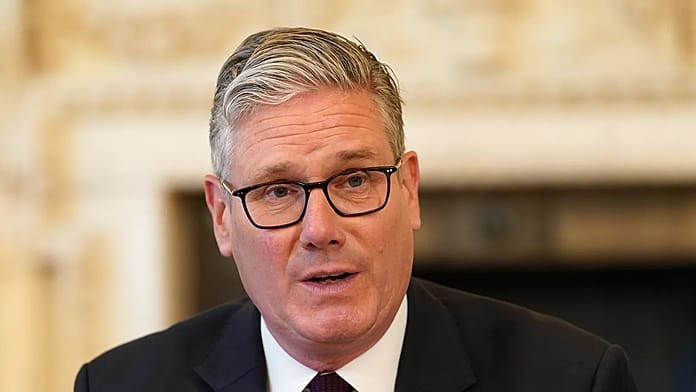
Keir Starmer calls decision to resign as British PM intensely personal Starmer also said the next prime minister would not be able to spend any less time focusing on diplomacy and international affairs, citing the impact of the wars in Ukraine and Iran on the cost of living.
euronews · about 2 months ago
School assistants to be introduced for children with disabilities A total of 290 new positions for school assistants and chaperones for children with disabilities, as well as an increase in social benefits, were approved by Cabinet this week, President Nikos Christodoulides announced on Saturday. This week in Cabinet, we took two significant decisions of particular social importance that substantially improve the daily lives of […]
cyprus mail · about 2 months ago
Outgoing UK PM Starmer says successor cannot spend less time on foreign affairs Outgoing Prime Minister Keir Starmer said whoever succeeds him would have to devote as much time to international crises and diplomacy as he did, rejecting suggestions Britains next leader could focus more heavily on domestic issues. Starmer, who announced last month that he would step down after two years in office, said in a BBC […]
cyprus mail · about 2 months ago