
Toy Story 5 sparks debate as critics call its tech-morality hypocritical
Pixar’s *Toy Story 5*, released across Europe on Wednesday, 17 June 2026, has reignited the franchise’s signature debate over childhood, technology and nostalgia, but critics say the film’s moral about screen addiction is undercut by its own slick, tech-driven production. Reviews published on Tuesday morning across Finland, the Netherlands, Sweden, France, Spain and the UK describe a polished but hollow instalment that pits Woody, Buzz and Jessie against a sentient tablet called Lilypad, only for the villain to perform a last-minute redemptive arc that many reviewers call unconvincing.
Writing in *Helsingin Sanomat* , critic Jari Porttila argues the film’s central premise—“worrying about screen time while pulling children back to the screen”—is “hypocritical.” Dutch daily *Het Parool* frames the same tension in cultural terms, noting that beloved toys now fear “big tech’s arrival in the playroom” . Swedish critic Erika Hallhagen, in *Svenska Dagbladet*, calls the film’s techno-morality “Old Testament” in tone, arguing that the story’s heartfelt pleas for analogue play sit awkwardly inside a hyper-polished, algorithmically precise animation pipeline .
British reviewers are equally divided. *The Guardian*’s Peter Bradshaw writes that *Toy Story 5* “has gone dead at the heart,” praising its “unblemished sheen” but lamenting the absence of jeopardy and the film’s “calamitous loss of nerve” when it comes to its own big idea: that addictive tech devices are eroding imaginative play . French daily *Libération* strikes a similar note, calling the new tablet “sympathetic but conventional,” a safe villain that sanitises the franchise’s once-sharp edge . Spanish newspaper *El Mundo*, by contrast, awards four stars and praises Pixar for “calculated conservatism” that keeps the brand relevant for both boomers and Gen Alpha .
The film’s release follows years of franchise evolution. *Toy Story 4* premiered in 2019, and Pixar confirmed in 2021 that a fifth instalment was in active development, with original director John Lasseter initially attached before stepping back amid industry-wide scrutiny of workplace culture. Lasseter’s departure and the subsequent arrival of a new creative team have left critics wondering whether the series has lost its emotional core. Bradshaw’s verdict—“the crucial *Toy Story* theme of mortality feels underpowered”—echoes a broader anxiety that the franchise, once a benchmark for heartfelt storytelling, now prioritises technical perfection over thematic risk.
For families, the verdict is mixed. While *La Libre Belgique* hails the film as “a new, moving and inventive masterpiece” , *The Financial Times* asks whether the story is aimed at “screen-addicted kids or anxious parents,” positioning Woody and Buzz as an “analogue army” fighting digital encroachment . Either way, the film’s arrival confirms that, 30 years after the first *Toy Story*, Pixar’s toys are still fighting the same battle—even if the battlefield now includes a sentient tablet and a studio lot that prizes polish over passion.
- 2
- 1
- 1
- 1
- 1
- 1
- 1
- 1
- 1
- 1
- 1
- 1
- 1
1 further source not geolocated
Articles

Η απλή εμφάνιση της Sarah Pidgeon που θύμισε την Carolyn Bessette-Kennedy και οι φήμες για το νέο της έρωτα Η ηθοποιός απαθανατίστηκε με τον Joe Alwyn σε χαλαρή διάθεση.
protothema · about 3 hours ago
Bowie a Berlino: nove punti per capire una metamorfosi Torno a incontrare Lorenzo Coltellacci e Mattia Tassaro, autori delle graphic novel sui Joy Division e sui Cure per Feltrinelli Comics. Questa volta i ragazzi si confrontano con David Bowie, in uno dei momenti più fragili e decisivi della sua esistenza. Lartista arriva a Berlino per sparire. Lascia Los Angeles, la cocaina, il personaggio che […] Larticolo Bowie a Berlino: nove punti per capire una metamorfosi proviene da Il Fatto Quotidiano.
il fatto quotidiano · about 3 hours ago

In Toy Story 5 vrezen geliefde speelgoedfiguren de komst van big tech in de kinderkamer
parool · about 3 hours ago
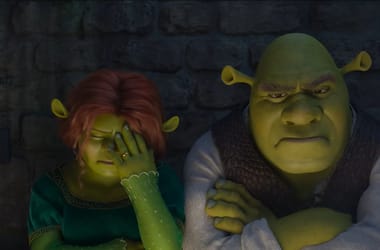
Már csak egy év, és jön az ötödik Shrek-film – előzetes Visszatérnek a főszereplők, akik valamiért egy börtönben kötnek ki.
hvg.hu · about 3 hours ago
Elokuva-arvio | Viides Toy Story kohkaa tekopyhästi ruutuajasta Pixar-yhtiön animaatio Toy Story 5 on muka huolissaan ruutuajasta, vaikka vetää lapsia ruudun ääreen.
helsingin sanomat · about 3 hours ago
Toy story 5 får en att vilja slösurfa av ren trots Själva kärnan i Toy story 5 är hotet från tekniken – vilket gör att den får något gammaltestamentligt över sig.
svenska dagbladet · about 3 hours ago
«Toy Story 5» : Pixar aseptise sa nouvelle guerre des jouets Sympa mais convenu, le nouvel opus de lultrarentable franchise installe une tablette connectée dans le coffre à jouets de Bonnie.
liberation · about 3 hours ago
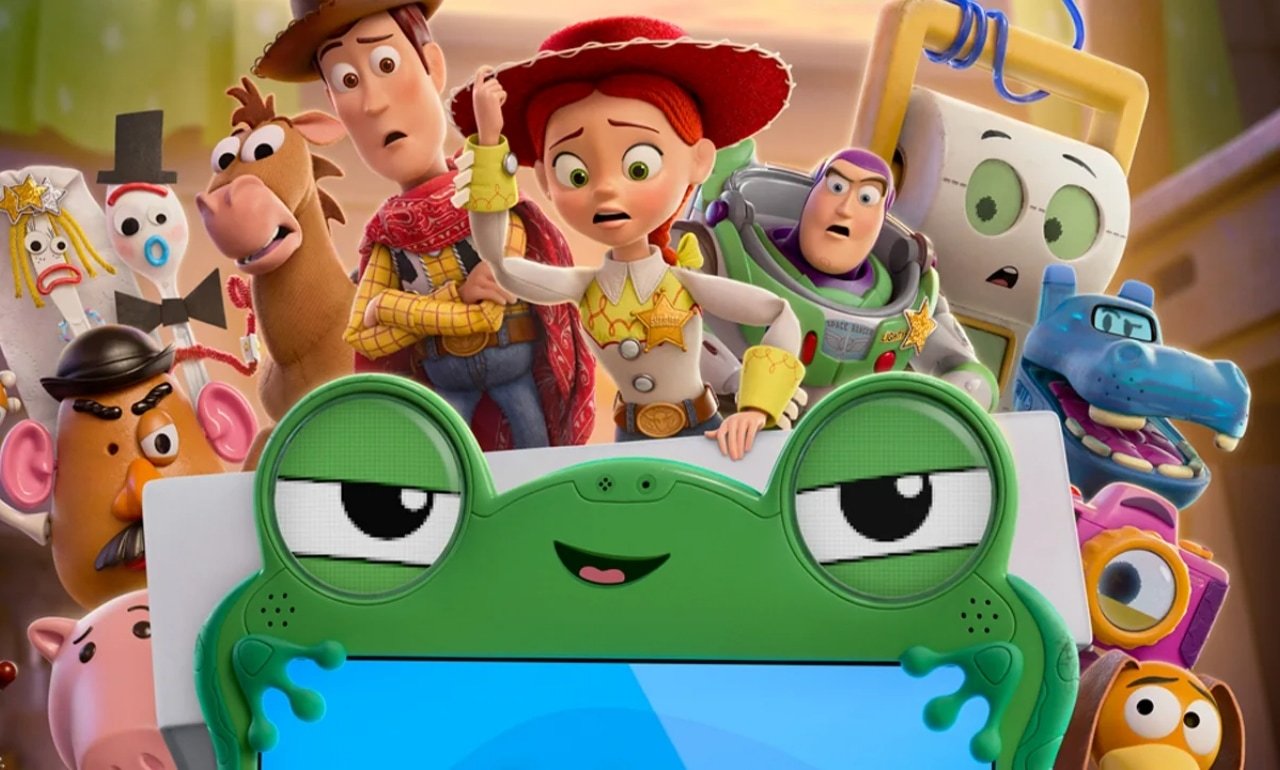
Toy Story 5: La historia que los boomers quieren para sus nietos (****) Pixar vuelve a lograr con gusto, inteligencia y un calculado conservadurismo que la gran marca de la casa siga siendo eso: la gran marca de la casa Leer
elmundo · about 3 hours ago

The 5 at 5: Tuesday Five minutes, five stories, five oclock…
thejournal · about 3 hours ago
Is Toy Story 5 for screen-addicted kids or anxious parents? Woody, Jessie, Buzz and Co turn analogue army in a film that pits old-school toys against digital tech
financial times · about 3 hours ago
Four motherless bear cubs wandering Tartu County woods Local residents alerted the Estonian Environmental Board to four bear cubs wandering around on their own over the weekend. The animals were taken back to the forest, but experts say their chances of survival are slim.
news.err · about 3 hours ago

Everything Game of Thrones did, HBO series Rome did better – including not fumbling the finale The short-lived series had blood, guts, sex and epic stakes. It also had a ride or die friendship in a pair of foot soldiersA sprawling cast of richly flawed heroes. Epic stakes. Elaborate sets. A family-man hero whose definition of good is skewed by the cruel world he lives in. Animated opening titles with a catchy theme song. Blood, guts, sex and a bit of incest: everything Game of Thrones did, Rome did better.Rome was one of the most expensive TV shows ever made when it launched in 2005; its two-season run was shot on a massive, immersive outdoor recreation of the ancient city in Italys famous Cinecittà studios, and spared no expense on costumes, props or fake blood. When it came out half a decade later, Game of Thrones would follow in Romes footsteps with its puzzle wheel of plotting across factions and alliances, shocking betrayals and Shakespearean dialogue punctuated with c-bombs. Continue reading...
theguardian · about 3 hours ago

Wombles set to return after 27 years as IP deal opens door to comeback Litter-picking creatures emerge from underground for global franchise targeting nostalgic adults and gen AlphaMove over Paddington Bear. After almost 30 years off screen, the Wombles – the furry, litter-picking creatures who live beneath Wimbledon Common – are set for a comeback.The characters, whose motto is Make Good Use of Bad Rubbish, are being revived after the consolidation of the brands intellectual property rights under The Blair Partnership, which will oversee its global development. Continue reading...
theguardian · about 3 hours ago
Toy Story 5 review – Pixar franchise needs new batteries A sinister new tablet threatens the honest-to-goodness toys existence, but Buzz, Woody and Jessies big tech moral battle feels compromisedThe fifth episode of the Toy Story franchise is as slick and smooth as you like, as glitchless as Toy Story 6 or Toy Story 7 might be … or will be. As a piece of family-entertainment content it has the unblemished sheen of a brand new smartphone. But at heart, it has gone dead. For all the intensive, high-energy creative work that has clearly gone into this films every frame, the jeopardy, the novelty, the ideas and the passion are lacking; the crucial Toy Story theme of mortality feels underpowered, and the film even calamitously loses its nerve with its own big idea – those squeamish about spoilers had better look away now – the sinister way addictive tech devices are undermining the imaginative play that kids once had with honest-to-goodness toys.Here a creepy tablet device called Lilypad (voiced by Greta Lee) enters the childrens world, but ultimately proves to be capable of sentimental self-sacrificial heroism when it comes to their mental health. Really? At least Lots-o-Huggin Bear, the villain from TS3, had the courage of his evil convictions. Continue reading...
theguardian · about 3 hours ago

"Toy Story 5" : un nouveau chef-dœuvre émouvant et inventif signé Pixar En salles ce mercredi, ce cinquième volet sattaque aux tablettes et à la nostalgie, pour toucher petits et grands. ...
la libre · about 3 hours ago
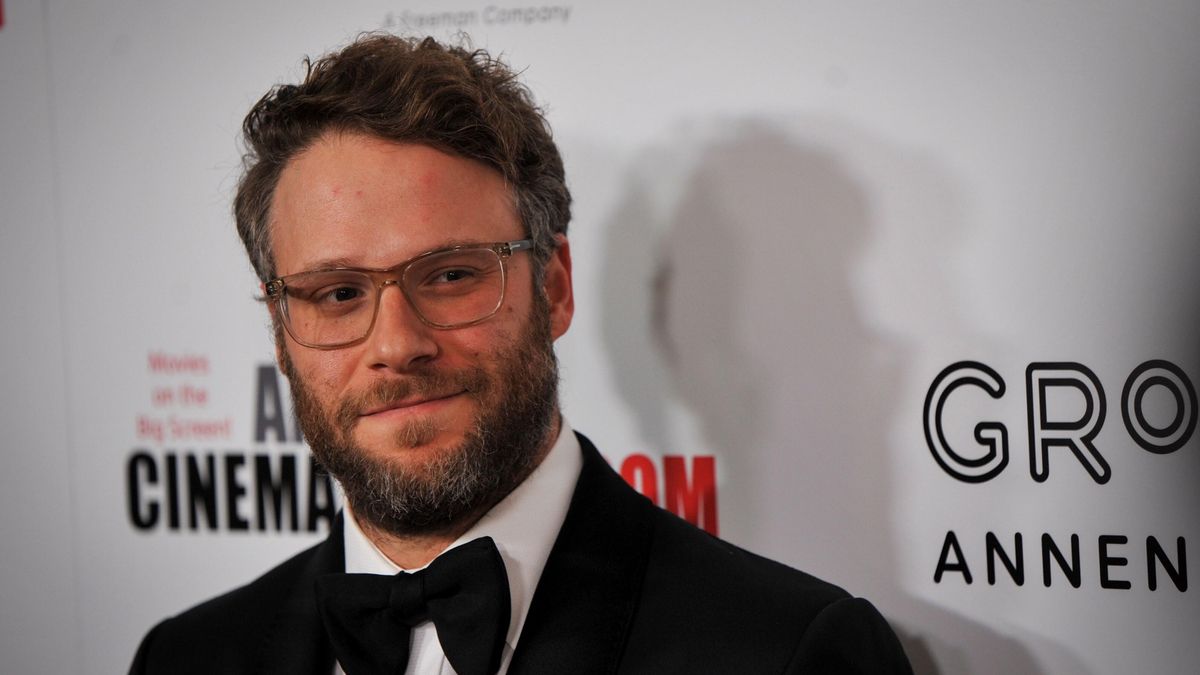
Fueron compañeros inseparables, pero la dupla acabó: Seth Rogen no volvería a trabajar con James Franco La acusación de acoso sexual por parte de cinco mujeres contra James Franco en 2018 dejó empañada la relación entre ambos de forma públicaNi Woody ni Buzz: el personaje que toma las riendas en Toy Story 5 y cuyo origen esconde un milagro de Pixar Hubo un tiempo en el que la dupla formada por Seth Rogen y James Franco fue inseparable en el entorno de la comedia en Hollywood, con éxitos como This Is the End, la polémica The Interview y The Disaster Artist, la última colaboración exitosa de ambos en 2017. La acusación de acoso sexual por parte de cinco mujeres contra James Franco en 2018 dejó empañada la relación entre ambos de forma pública, tanto que se ha llegado al punto en el que Rogen ha admitido que no tiene planes de volver a trabajar con el que fue su compañero inseparable. Seth Rogen no planea trabajar de nuevo con James Franco Desde que se conocieran en la mítica serie de televisión Freaks and Geeks en 1999, Seth Rogen y James Franco no solo arrancaron unas trayectorias de éxito, sino que sería el comienzo de una dupla que dominaría la comedia en Hollywood en los años siguientes y que estalló con Pineapple Express, traducido en España como Superfumados después de que se consolidaran por separado por proyectos como Spider-Man o Superbad. La época dorada de la pareja de Seth Rogen y James Franco fue entre 2013 y 2014 debido al éxito que tuvieron protagonizando Juerga hasta el fin (This is the End), una parodia viral del videoclip Bound 2 con Kanye West y Kim Kardashian, y la controvertida The Interview sobre Corea del Norte y que ambos defendieron. El punto álgido, sin embargo, fue en 2017 con The Disaster Artist sobre la peor película de la historia, y que le valió un Globo de Oro a Franco. Sin embargo, todo cambió con las acusaciones de acoso sexual a James Franco en 2018, con una carrera que decreció para el actor, mientras que el que fue su colaborador, Seth Rogen sigue en su ascenso en Hollywood con proyectos como The Studio, en la que es escritor, productor, director y protagonista y que hizo historia al llevarse 13 premios Emmy. En una reciente entrevista con The New York Times, el actor fue preguntado por su relación con el que fuera uno de sus mejores colaboradores y ha sido tajante al respecto: Nada ha cambiado desde la última vez que hablé de todo esto y hace mucho tiempo que no trabajo con él, ni tengo planes de hacerlo. Está el aspecto público, del que ya he hablado, y mantengo la misma postura pública que siempre he tenido, y creo que los hechos hablan por sí solos: no he trabajado con él en años. Pero el aspecto personal es muy complejo e involucra a personas que no sé si debería incluir en esto, añadió el cómico. Y es que al principio cuando se conoció la noticia afirmó que volvería a trabajar con él, unas declaraciones de las que se lamentaba más adelante, como en 2021 para Sunday Times: Lo que puedo decir es que detesto el abuso y el acoso, y jamás encubriría ni ocultaría las acciones de alguien que las comete, ni pondría a sabiendas a alguien en una situación en la que estuviera cerca de una persona así. También recuerdo aquella entrevista en la que comenté que seguiría trabajando con James, y la verdad es que no lo he hecho ni tengo intención de hacerlo por ahora. Las acusaciones hacia James Franco En 2018 fue cuando salieron a la luz las acusaciones de acoso sexual hacia James Franco por varias de sus alumnas de actuación. Algunas aseguraron que habían sido víctimas de la retirada de los protectores de plástico que cubrían la vagina durante el rodaje de escenas íntimas, y la ira del intérprete cuando las actrices se negaban a aparecer en topless. Dos de las denunciantes presentaron una demanda colectiva en 2019, por discriminación sexual, acoso sexual, prácticas comerciales fraudulentas e intimidación, con las que llegaría a un acuerdo extrajudicial en por 2,2 millones de dólares.
eldiario.es · about 3 hours ago
Автор «Олененка» Ричард Гадд вернулся с «Получеловеком» — беспросветным (даже слишком) сериалом. Непохожие подростки, тихоня и задира, становятся братьями — и ломают друг другу жизнь В июне закончился мини-сериал HBO «Получеловек» о сложных отношениях двух братьев, вспыльчивого Рубена и тихого Найала. Это второй стриминговый проект актера и сценариста Ричарда Гадда, чей дебютный «Олененок» оказался главным хитом 2024 года. Новый сериал зрители и рецензенты приняли хоть и доброжелательно, но не так восторженно, как предыдущий. Рейтинг у прессы на Rotten Tomatoes — 78 процентов одобрения, у публики на IMDb — 8.1 из 10 (для сравнения, «Олененок» получил у журналистов 99 процентов одобрения, а у зрителей — 7.7, причем на основании куда большего числа оценок). Кинокритик Алексей Скворцов рассказывает, почему «Получеловек» не стал хитом — при всей амбициозности автора.
meduza · about 3 hours ago