Loading…
 Monday, August 3Monday, August 3
Cuba’s national electricity grid collapsed late Sunday, plunging the island of 10 million people into a nationwide blackout, state-run utility UNE announced in a social media post. The outage marked the latest in a series of total system failures, with the western region of the country experiencing a similar collapse just 24 hours earlier.
UNE described the event as a “total disconnection” of the national electricity system, leaving Havana and other cities in abrupt darkness. Residents in the capital, who had gathered outside to escape the summer heat, reacted audibly as lights went out across neighborhoods. The Ministry of Energy stated that protocols to reactivate the grid were underway, though no timeline for restoration was provided.
The blackout is part of a months-long crisis exacerbated by aging infrastructure and a U.S. energy embargo that has halted regular fuel deliveries to power stations. Washington has authorized only one Russian tanker carrying 100,000 tons of crude to reach Cuba, which arrived in March; those reserves have since been exhausted. The Trump administration has also intensified sanctions against Cuban state-owned businesses, prompting many foreign firms to suspend operations in the country.
Rolling power cuts have disrupted daily life, with outages halting water supplies and ceiling fans, according to reports. In the worst-affected areas, residents have vented frustration by setting trash on fire or banging pots and pans. The U.S. has maintained an oil blockade on the island, further straining its ability to secure fuel for power generation.
Havana has implemented free-market reforms in an attempt to bolster the economy, but talks between Cuban and U.S. officials have yielded little progress. The United States has also indicted former Cuban President Raúl Castro over the downing of two civilian planes three decades ago, adding to diplomatic tensions.
Follow us for live European news
6 further sources not geolocated

PEAVALU KIIBITÖÖSTUSES ⟩ Kui vaskjuhe muutub väga väikeseks, ei juhi see piidavalt voolu – aga mida siis teha? Mida väiksemaks muutuvad mikrokiibid, seda suuremaks kasvab üks ootamatu probleem – vask, mis on aastakümneid olnud elektroonika tööloomaks, ei juhi enam elektrit nii hästi kui varem. Seetõttu uurivad teadlased materjale, mille käitumine näib esmapilgul lausa vastuolus tavaloogikaga. Üks selline kandidaat on topoloogiline poolmetall, mille elektrijuhtivus võib paraneda just siis, kui juhtmed muutuvad veelgi õhemaks. Esimesed katsed näitavad, et idee pole enam pelgalt teoreetiline võimalus. Kas järgmine suur hüpe mikrokiipides sünnib tänu kvantfüüsikale, mitte uuele vase sulamile?
postimees · about 2 hours ago

Superniño. Delcy Rodríguez apela à poupança de água e luz A Venezuela sofre há vários anos falhas no abastecimento elétrico
observador · about 2 hours ago

🟠 UPDATEGrid failure plunges Cuba into nationwide blackoutThis is the third nationwide blackout in July, caused by a US-imposed oil blockade.📰 #OilEnergy #Sanctions #Geopolitics #GeoWire
mastodon bot · about 3 hours ago
🇨🇺☄️ – Cuba suffered yet another nationwide power outage after the islands power grid collapsed, AFP reported. ▶️ Partial and nationwide outages have been common since the U.S. imposed an energy embargo on the island, disrupting day-to-day life and causing what some international organizations already call a humanitarian crisis. @GeoPWatch
telegram_GeoPWatch · about 3 hours ago
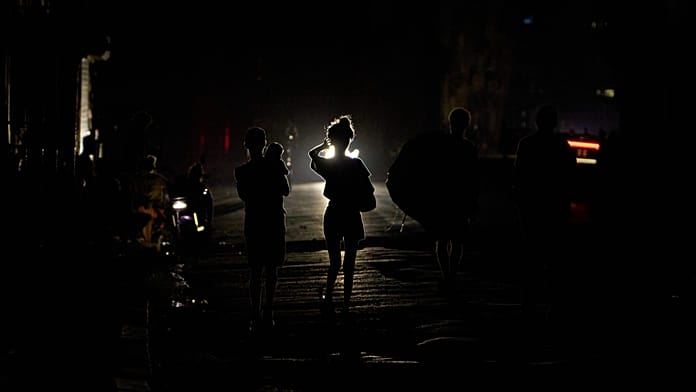
Cuba state energy firm reports new nationwide blackout as US embargo continues The power cuts have made normal life almost impossible, with each outage also meaning that water supplies trickle away and ceiling fans slow to a halt.
euronews · about 3 hours ago
Stromausfall in Kuba: Kuba erneut von landesweitem Stromausfall betroffen In Kuba ist am Sonntagabend im ganzen Land das Stromnetz zusammengebrochen. Es ist der vierte Stromausfall innerhalb kürzester Zeit.
die zeit · about 3 hours ago
Cuba plunges into darkness as state energy firm reports new nationwide blackout Cubas electricity grid collapsed late on Sunday, the state-owned grid operator said, plunging the island into darkness. The country has faced a series of total collapses of its electricity grid since the US imposed an energy embargo that halted regular deliveries of fuel for power stations.
france24 · about 3 hours ago
Kuubat tabas taas üleriigiline elektrikatkestus Kuuba elektrivõrk kukkus pühapäeva hilisõhtul kokku, jättes kogu umbes 10 miljoni elanikuga saareriigi taas elektrita. Tegemist on juba neljanda üleriigilise katkestusega viimaste nädalate jooksul.
postimees · about 3 hours ago
Kuba se znovu zahalila do tmy. Další kolaps elektrické sítě postihl i hlavní město Havanu Kubánská energetická síť v neděli opět zkolabovala. V pondělí o tom informovala agentura AFP s tím, že obyvatelé ostrovní země včetně Havany se ocitli ve tmě a bez dodávek elektřiny. Kuba čelí ropné blokádě od Spojených států, což zemi odřízlo od dodávek paliva. Kromě toho za rozsáhlý výpadek zřejmě může také zchátralá elektrická síť.
irozhlas.cz · about 3 hours ago
Blackout total în Cuba. Milioane de oameni au rămas fără curent după o nouă prăbușire a rețelei energetice Rețeaua electrică a Cubei s-a prăbușit duminică seara, a anunțat operatorul de stat, cufundând în întuneric insula cu o populație de aproximativ 10 milioane de locuitori, pe fondul creșterii frecvenței întreruperilor de curent, potrivit Reuters. Blackoutul vine după trei întreruperi de curent la nivel național din luna iulie și are loc într-un context în care …
hotnews.ro · about 3 hours ago
,xPosition=.5,yPosition=.5;Resize=(1200,675)&impolicy=medium)
Strømmen er endnu engang gået i Cuba
dr.dk · about 3 hours ago
Kuba erneut von landesweitem Stromausfall getroffen
orf.at · about 3 hours ago

Cubas power grid failed Sunday, causing another nationwide blackout. Cuba has been suffering rolling power cuts due to aging equipment and a US energy embargo that halted regular deliveries of fuel for power stations u.afp.com/SHoD
bluesky_AFP English · about 3 hours ago
A Village near Bihac has been without Electricity for Three Decades Only fifty kilometers from Bihać is the returnee village of Očijevo. Today, only about twenty households live in it permanently, while at least as many want to return to their homeland. However, without electricity, which has been absent for almost three decades, returning is almost impossible. It was on Ilindan, when the locals traditionally gather […] The post A Village near Bihac has been without Electricity for Three Decades appeared first on Sarajevo Times.
sarajevo times · about 3 hours ago
O țară întreagă a rămas în întuneric după ce reţeaua electrică națională a cedat Reţeaua electrică a Cubei a cedat duminică seara, a anunţat operatorul de stat al reţelei, cufundând în întuneric insula cu o populaţie de aproximativ 10 milioane de locuitori, pe fondul creşterii frecvenţei întreruperilor de curent.
digi24 · about 3 hours ago
Neuerlich landesweiter Stromausfall in Kuba
orf.at · about 3 hours ago
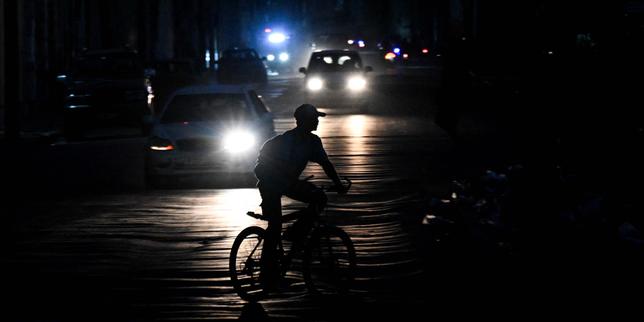
Cuba de nouveau confrontée à une panne de courant géante, y compris à La Havane La compagnie nationale a signalé une « déconnexion totale » du système électrique national qui plonge le pays dans lobscurité. Washington a imposé à lîle un blocus pétrolier qui complique lapprovisionnement en carburant des centrales électriques et des générateurs de secours.
le monde · about 3 hours ago
Grid failure plunges Cuba into nationwide blackout Cubas ageing power grid collapsed on Sunday after a weekend of outages and amid US-imposed fuel shortages.
aljazeera · about 3 hours ago

BREAKING Cubas power grid failed Sunday, causing another nationwide blackout, a state utility said in a social media post
bluesky_AFP English · about 3 hours ago

Cubas national electric grid collapses, plunging island into darkness reut.rs/4fKWwgK
bluesky_Reuters · about 3 hours ago
Hela Kuba utan ström Elnätet havererade
expressen · about 3 hours ago
Cuba mørklagt igjen Cuba er nok en gang rammet av et landsomfattende strømbrudd.
aftenposten · about 3 hours ago
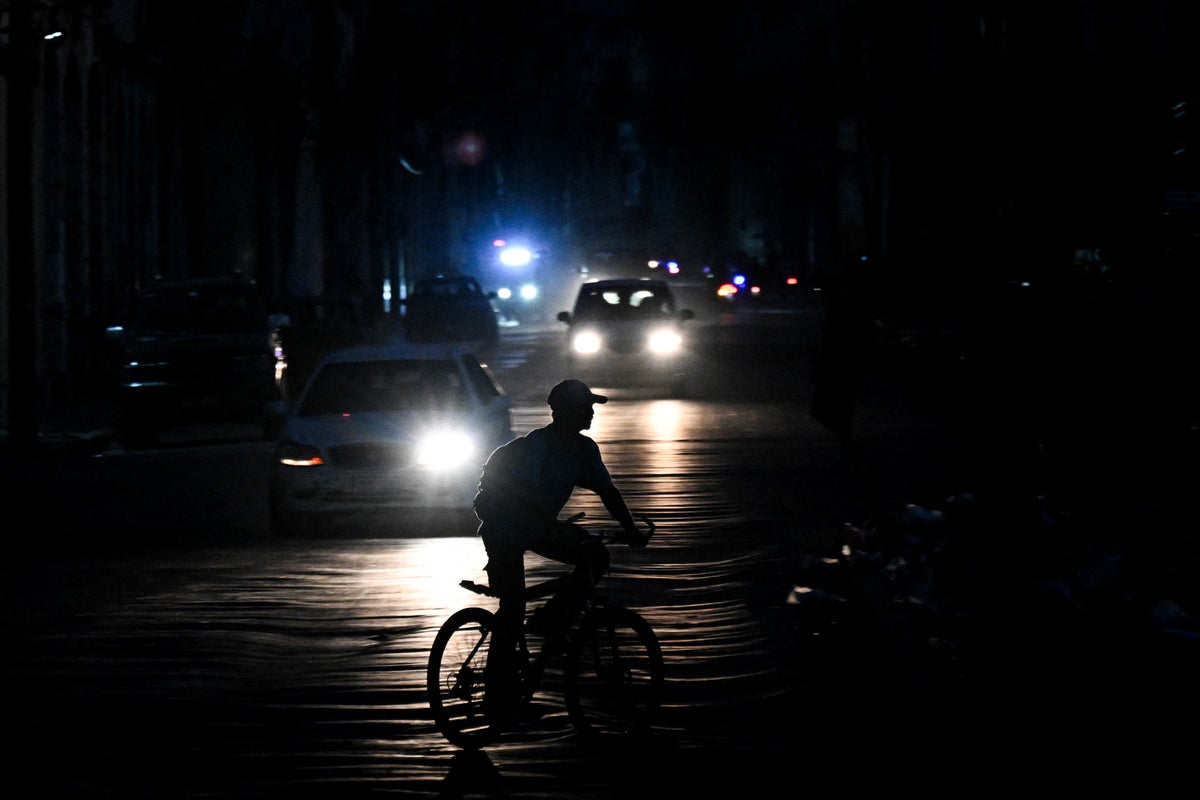
Cuba plunged into darkness after national electricity grid collapses again Outage follows three nationwide blackouts in July and comes as a US-imposed oil blockade cripples islands already aging energy infrastructure
independent · about 3 hours ago
Na Kubi se je zrušilo električno omrežje. Zaradi ameriške blokade vse pogostejši mrki. Operater kubanskega državnega električnega omrežja je sporočil, da se je omrežje v nedeljo zrušilo, zaradi česar je bil otok z desetimi milijoni prebivalcev zavit v temo. Zaradi blokade, ki jo izvajajo ZDA, so električni na Kubi vse pogostejši.
rtv slovenia · about 3 hours ago