
Colombians vote in pivotal runoff: Leftist Cepeda challenges far-right de la Espriella on peace and security
Story Timeline
2 days · 4 summary articles
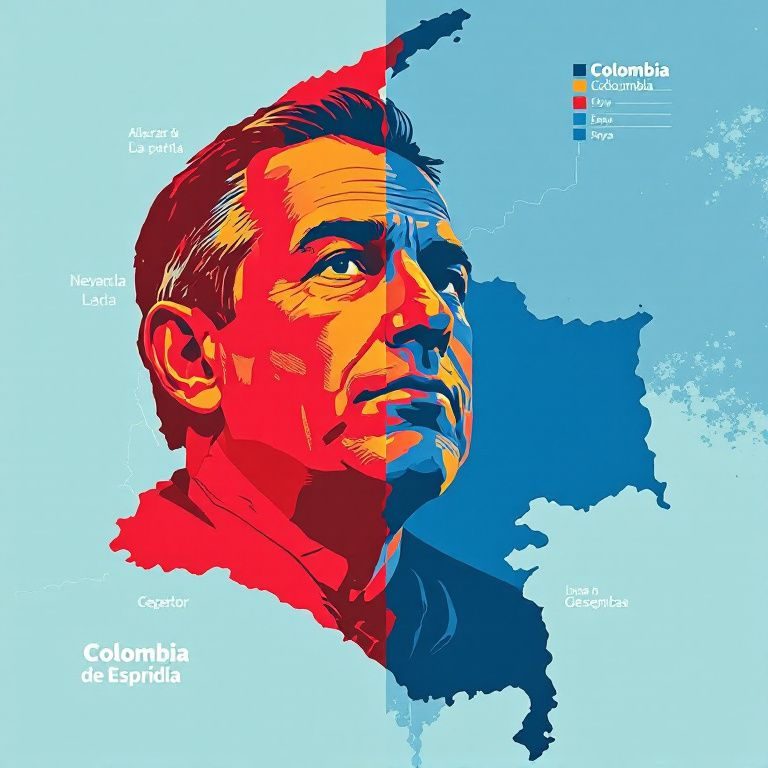
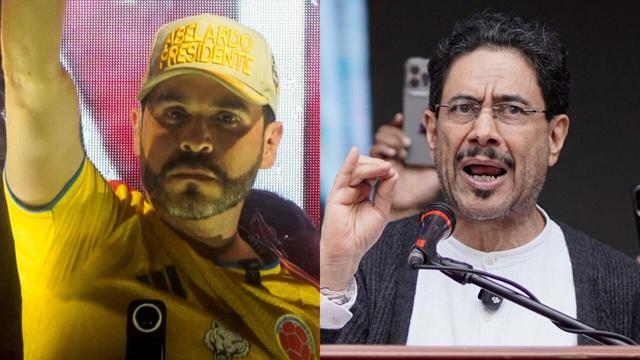
Colombians cast their ballots on Sunday in a presidential runoff that pits leftist Senator Iván Cepeda against far-right lawyer Abelardo de la Espriella, a vote that will determine whether the country returns to full-scale military confrontation with armed groups or pursues a negotiated modification of its fragile peace process. Polls opened nationwide amid heightened security after the killing of a senior commander in the Estado Mayor Central (EMC) guerrilla group, underscoring the volatility of a campaign dominated by security policy and economic anxiety.
De la Espriella, who leads in pre-election surveys, has pledged to abandon the current peace plan and escalate military operations against armed factions, a stance that has drawn explicit backing from the White House under former US President Donald Trump . His opponent, Cepeda, argues for adjusting the disarmament framework through dialogue, positioning himself as the successor to the progressive policies of former President Gustavo Petro. The runoff follows a first round in which de la Espriella secured a narrow advantage, setting the stage for a decisive test of Colombia’s political direction.
The election arrives against a backdrop of persistent violence. On Sunday morning, Colombian forces confirmed the death of Marlon, second-in-command of the EMC, in a military operation in Cauca department . The killing, reported hours before polls opened, highlights the ongoing threat posed by armed groups and the centrality of security in voters’ decisions. Analysts describe the runoff as a defining moment for Latin America’s political pendulum, with economic instability and public safety concerns shaping a deeply polarized electorate.
International observers have framed the vote as a referendum on Colombia’s six-decade conflict, which has left hundreds of thousands dead. Mariano Aguirre Ernst, associate fellow at Chatham House’s International Security Programme, notes that the candidates offer “starkly different visions” for ending the violence . De la Espriella’s approach risks reigniting hostilities, while Cepeda’s proposal seeks to salvage the peace process through incremental reforms. The outcome will reverberate beyond Colombia’s borders, signaling whether the region’s leftward shift can withstand pressure from conservative populism backed by Washington.
With results expected late Sunday or early Monday, the election’s immediate aftermath may bring either a return to confrontation or a fragile mandate for dialogue. What is certain is that the victor will inherit a nation still grappling with the ghosts of war—and a peace plan that hangs in the balance.
- 1
- 1
- 1
- 1
- 1
1 further source not geolocated
Articles

Trump-backed de la Espriella or leftist Cepeda? Colombians elect a new president Colombians are heading to the polls this Sunday to elect a new president. The frontrunner is Abelardo de la Esperiella. He has vowed to return to full-scale military confrontation with armed groups. His challenger is leftwing senator Iván Cepeda, he argues for modifying the current peace plan, which seeks disarmament through negotiations. Six decades of conflict has killed hundreds of thousands of people, and each candidate has a starkly different vision on how to end it… Analysis by Mariano Aguirre Ernst, associate fellow at Chatam Houses International Security Programme.
france24 · about 2 hours ago
⚡ NEWSColombia presidential election: De la Espriella vs CepedaColombians vote for a new president between right-wing Abelardo de la Espriella, who favors military confrontation with armed groups, and leftist Iván Cepeda, who advocates modifying the peace plan through negotiations to end decades of conflict.📰 #GeoWire
mastodon bot · about 2 hours ago

25 de Maio. Sobreviventes acham os nomes em lista de mortos Em 27 de maio de 1977, houve uma alegada tentativa de golpe de Estado em Angola, liderada por Nito Alves, que foi seguida por uma vaga de repressão por parte do regime do Movimento Popular de Libertação de Angola (MPLA).
observador · about 2 hours ago
Colombias runoff pits right-wing populist against Petros successor Colombians are set to choose a new president in a sharply polarised runoff between conservative outsider Abelardo de la Espriella and leftist Senator Iván Cepeda. The election serves as a defining test for Latin Americas political pendulum, with economic anxiety and security concerns at the fore.
yenisafak · about 2 hours ago
Stellvertreter von Guerilla-Anführer in Kolumbien getötet Der getötete EMC-Kommandant war unter dem Kampfnamen „Marlon bekannt.
die presse · about 2 hours ago
Tisíce ľudí v srbskom Novom Sade opäť žiadali predčasné voľby a koniec Aleksandra Vučiča Zhromaždenie pod vedením študentských aktivistov zároveň pripomenulo tragickú nehodu z roku 2024, kedy pád časti strechy na tamojšej železničnej stanici zabil 16 ľudí. Podľa opozície a mimovládnych organizácií bol tento incident priamym dôsledkom hlboko zakorenenej korupcie a vládneho zlyhania pri infraštruktúrnych projektoch.
aktuality.sk · about 3 hours ago