Loading…
 Monday, August 17Monday, August 17
2 months · 15 summary articles
Keir Starmer announced his resignation as British prime minister and Labour Party leader on Monday, ending a turbulent 22-month tenure marked by electoral setbacks and mounting party pressure. Starmer will remain in office until a successor is chosen, with Andy Burnham, the Mayor of Greater Manchester, positioned to take over after securing his return to Parliament in Saturday’s Makerfield by-election. The decision follows a weekend of intense internal Labour deliberations and comes just days after more than 100 Labour MPs publicly demanded his departure.
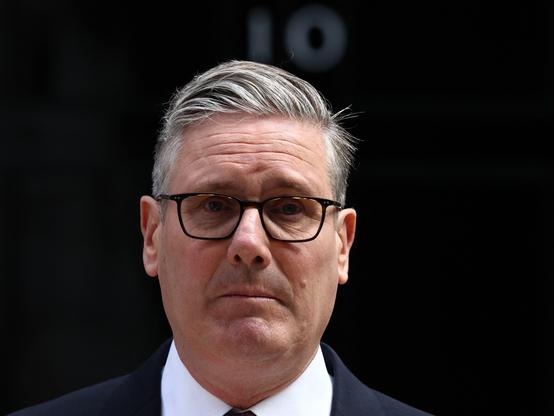
In a statement outside 10 Downing Street, Starmer acknowledged the “difficult” decision but insisted he would “ensure a smooth transition” to the next leader. “I have heard what the party is saying,” he said, without elaborating on the specific criticisms that precipitated his exit. Burnham, who was sworn in as an MP on Monday, has already received backing from senior Labour figures including Wes Streeting, who confirmed he would not contest the leadership. The party is expected to finalise the succession process before Parliament reconvenes in September.
The resignation caps a dramatic decline in Starmer’s authority following Labour’s poor performance in last month’s local elections, which saw the party lose over 500 council seats. Critics within the party had accused him of failing to deliver on key promises amid economic stagnation and lingering Brexit fallout. “Starmer’s departure marks the seventh change in prime ministership for the UK in a decade,” noted *Al Jazeera*, underscoring the country’s chronic political instability since the 2016 referendum.
Burnham, dubbed the “King of the North” for his regional influence, now faces the challenge of reuniting a fractured party and restoring public confidence. His supporters argue he offers a more pragmatic, northern-focused leadership style, while opponents question whether he can reverse Labour’s electoral slide. The transition period will test Burnham’s ability to consolidate support across Labour’s warring factions before the next general election, widely expected in 2029.
Starmer’s resignation speech echoed the sombre tone of his final days in office. “I have always put the country first,” he said, a line echoed in coverage by *The Herald*, which described him as “the man with no plan” who quit after two years. The political vacuum he leaves behind reflects deeper structural challenges for Labour, from Brexit’s economic drag to the party’s struggle to reconcile its metropolitan base with working-class voters in the Midlands and the North. As Burnham prepares to step into the breach, the question on Westminster’s lips is whether he can deliver what Starmer could not: stability.
Follow us for live European news
2 further sources not geolocated
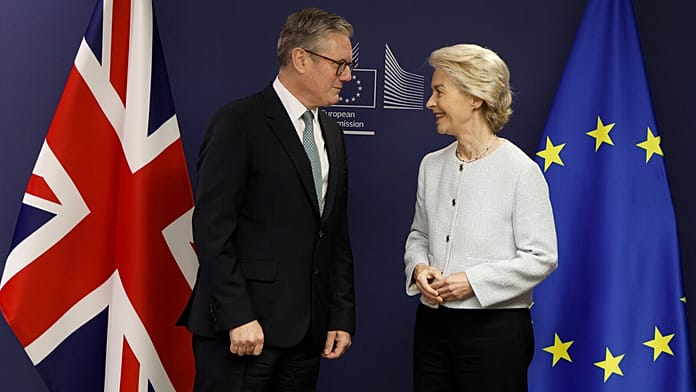
EU re-assessing summit with UK after Keir Starmer lays out exit plan A European Commission spokesperson said on Monday that the EU is "reassessing" plans to hold a summit with the UK in late July, as it becomes increasingly likely that Prime Minister Keir Starmers successor will be in post in just three and a half weeks.
euronews · about 2 months ago

How Many Prime Ministers Has the UK Had Since Brexit? The years since the Brexit vote have been some of the most tumultuous in Britains recent political history. Heres a look at the revolving door in Downing Street.
new york times · about 2 months ago
🔴 BREAKINGKeir Starmer resigns as UK Prime MinisterUK Prime Minister Keir Starmer has resigned, leading to the appointment of a new leader. This marks the seventh change in prime ministership for the United Kingdom within the last decade, highlighting significant political instability.📰 #Geopolitics #GeoWire
mastodon bot · about 2 months ago

Nach Rücktritt von Keir Starmer: EU kündigt Verschiebung von Großbritannien-Gipfel an Wer wird nach dem Rücktritt von Keir Starmer nächster Regierungschef in London? Für die EU ist das eine zentrale Frage. Ein geplantes Spitzentreffen wird nun vorerst vertagt.
tagesspiegel · about 2 months ago
UK premier Starmer resigns amid pressure over local election losses Keir Starmer announced on Monday that he will step down as British prime minister and Labour Party leader following mounting pressure over his partys poor showing in last months local elections, stating he will remain in office until a successor is chosen before parliament returns in September.
yenisafak · about 2 months ago
Britons say Starmer resignation unlikely to alter UK policy direction Britons reacting to Prime Minister Keir Starmers resignation told Anadolu outside 10 Downing Street on Monday that removing the Labour leader would do little to alter British foreign or domestic policy, citing entrenched foreign policy influences and severe economic constraints that would bind any successor.
yenisafak · about 2 months ago
Möglicher nächster britischer Premier: Seine Ansichten ändern sich wie das Wetter in Manchester Andy Burnham, der wahrscheinliche Nachfolger des britischen Premiers Keir Starmer, ist nicht der Polit-Outsider, als der er sich gibt. Wofür er steht, weiß niemand. mehr...
taz.de · about 2 months ago
Die britischen Volksparteien haben ihr Personal verschlissen – Nigel Farage wartet auf seine Stunde [premium] Der Abgang des britischen Premiers Keir Starmer war letztlich unausweichlich. Andy Burnham, sein Nachfolger, muss ein überzeugendes Konzept gegen Rechtspopulisten à la Farage anbieten. Dass er das Zeug dazu hat, hat er bereits bewiesen.
die presse · about 2 months ago
Rücktritt von Keir Starmer: Wer folgt auf Keir Starmer? Nach anhaltender Kritik räumt der britische Premier Keir Starmer seinen Posten. Wer wird sein Nachfolger? Und: Gewalt, Mobbing und Diskriminierung an Berlins Schulen
die zeit · about 2 months ago
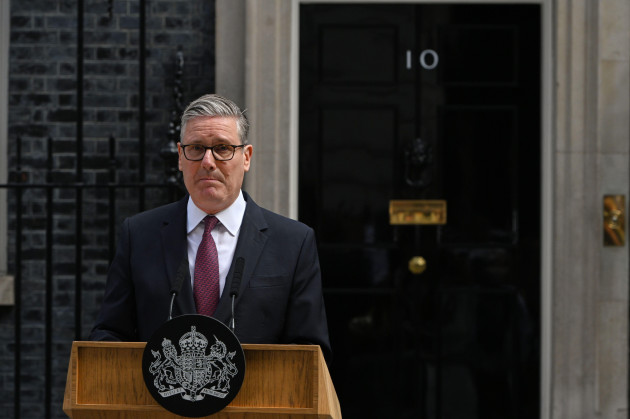
Starmer quits in Downing Street speech and his would-be replacement is sworn in as MP Starmer will remain as PM until a new Labour leader is selected later this summer.
thejournal · about 2 months ago

Analysis: Why Keir Starmer became the latest casualty of the Downing Street meat grinder Starmer becomes the latest PM to leave while in office, but how did he get here?
thejournal · about 2 months ago
Burnham confirms bid to succeed Starmer On Monday, Andy Burnham confirmed in a post on X that he wants to succeed Keir Starmer as Labour leader and British Prime Minister, after Starmer announced his departure. Burnham, the mayor of Greater Manchester and a former minister, is supported by former Health Minister Wes Streeting, who previously planned to run. Candidates wishing to […]
cphpost · about 2 months ago
U.K. Prime Minister Keir Starmer Resigns
gdeltproject.org · about 2 months ago
The Latest: UK Prime Minister Keir Starmer quits and will stay on until successor is chosen
gdeltproject.org · about 2 months ago
Exit Starmer, enter Burnham The UK is set for its seventh prime minister in a decade
financial times · about 2 months ago
Keir Starmer steps down as UK prime minister Departure comes as Wes Streeting backs Andy Burnham to be the next PM
financial times · about 2 months ago
Why has Keir Starmer resigned as UK prime minister, and who will take over? The United Kingdom will have its seventh prime minister in a decade.
aljazeera · about 2 months ago
Who is Andy Burnhams, the UKs likely next prime minister? Britains prime minister is expected to lay out a timetable for his departure. Keir Starmer has been under pressure to go since last months dismal election outcome for the Labour Party. The man vying the countrys top job is the Mayor of Greater Manchester, whos just secured his return to parliament. But who exactly is Andy Burnham?
france24 · about 2 months ago
Burnham confirms Starmer succession bid as he is sworn in as MP British Prime Minister Keir Starmer resigned on June 22, forced out by his own party after missteps and mistakes soured voters goodwill following a landslide election in 2024. His likely successor, Andy Burnham, has just been sworn in as an MP and has no official rival to run for party leader. FRANCE 24s Philip Turle takes a look.
france24 · about 2 months ago
A look back at Starmers two years in power following his resignation Britains Keir Starmer has announced hes stepping down. The prime minister forced to resign after last months loses in local elections. Starmer is expected to stay in the role until a new Labour party leader is picked. He is now set to become the countrys shortest-serving Labour PM in history.
france24 · about 2 months ago
Wer folgt Keir Starmer nach? Andy Burnhams Manchester-Plan für das Land [premium] Seit Längerem bereitet der frühere Bürgermeister von Manchester die Starmer-Nachfolge vor. In der Partei befindet sich Burnham im linken Spektrum. Sein Plan: Er will Privatisierungen rückgängig machen.
die presse · about 2 months ago
Starmer geht: „Die Frage ist, kann Burnham liefern? Der „König des Nordens Andy Burnham folgt aller Wahrscheinlichkeit nach auf den zurückgetretenen britischen Premierminister Keir Starmer. Wofür steht er?
die presse · about 2 months ago
Starmer zieht die Reißleine: Der Weg ist frei für Andy Burnham [premium] Der britische Premier kündigte seinen Rücktritt an. Er bleibt vorerst im Amt, um den Übergang zu seinem Nachfolger Andy Burnham sicherzustellen.
die presse · about 2 months ago
Nach Rückzug von Keir Starmer schart sich Labour um Andy Burnham Der britische Premier Keir Starmer folgte am Montag den Forderungen seiner Partei: Er kündigte seinen Rücktritt an. Bis seine Partei einen Nachfolger ernannt hat, bleibt er im Amt
der standard · about 2 months ago

Embattled British Prime Minister Keir Starmer announces resignation
gdelt bot · about 2 months ago

UK Prime Minister Keir Starmer steps down amid party pressure
gdelt bot · about 2 months ago

Keir Starmer the man with no plan quits as united kingdom prime minister after two years
gdelt bot · about 2 months ago

UK Prime Minister Keir Starmer announces resignation
gdelt bot · about 2 months ago
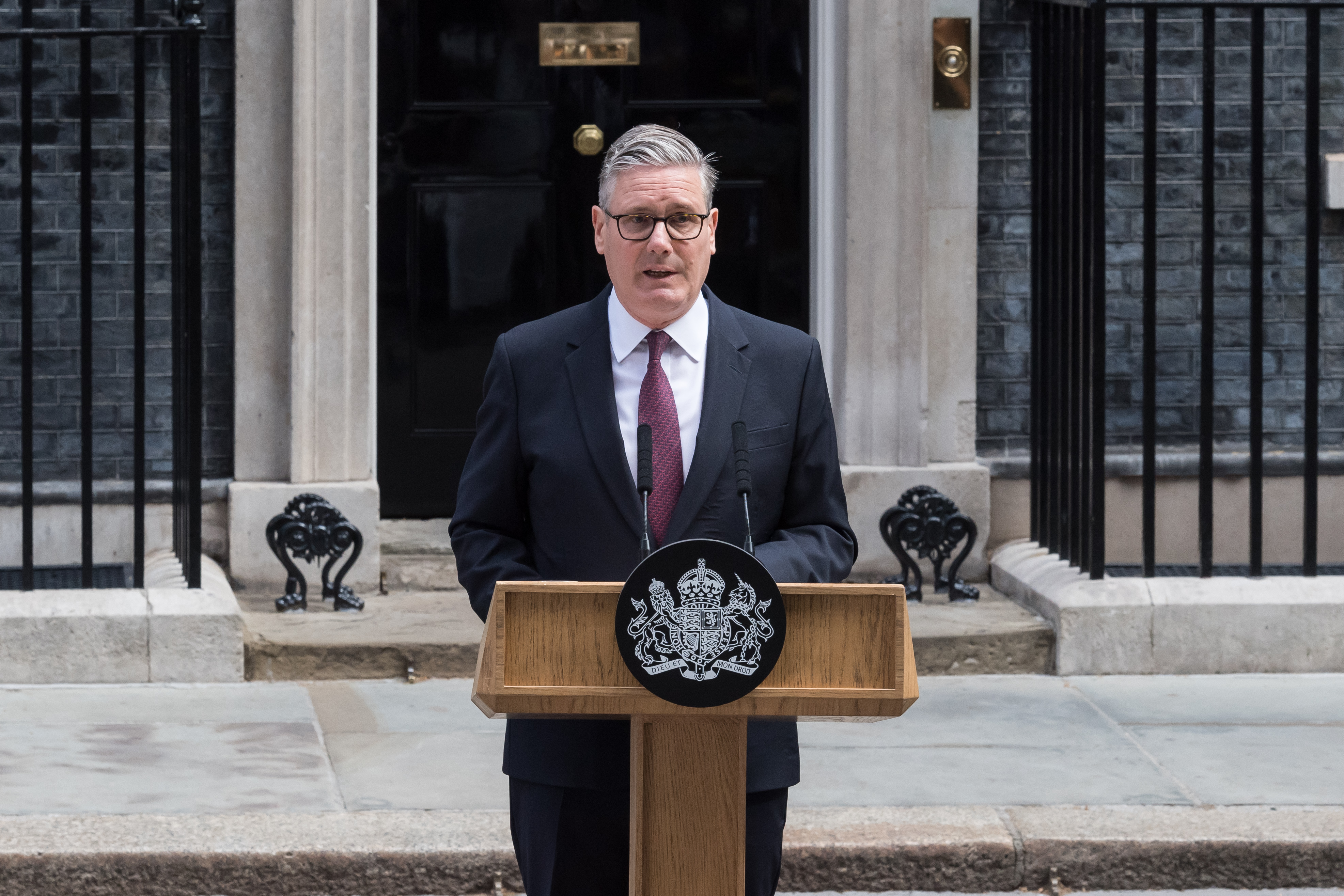
Keir Starmer has resigned , paving way for a 7th U . K . prime minister in 10 years
gdelt bot · about 2 months ago