
Keir Burnham poised to become UK prime minister with radical devolution push

Story Timeline
2 months · 20 summary articles
Keir Burnham is poised to become the United Kingdom’s seventh prime minister in a decade after Keir Starmer’s resignation on Tuesday, as Labour’s leadership transition gathers pace with the likely successor already drafting plans to shift power away from Westminster. Burnham, the frontrunner to replace Starmer, signalled on Wednesday that he will unveil a devolution blitz inspired by Manchester’s model, aiming to decentralise authority from London in a move that could reshape the British state.
The transition follows Starmer’s abrupt announcement on Tuesday that he would step down as prime minister and Labour leader, capping a turbulent tenure marked by rebellion within his own party. Over 100 Labour MPs had publicly demanded his resignation, and senior ministers confirmed he reassessed his position amid the growing revolt. Starmer’s exit marks the sixth change of prime minister since David Cameron left office in 2016, underscoring a period of unprecedented instability in British politics.
Burnham’s rise comes after his victory in the Makerfield by-election on 19 June, which solidified his standing within the party and positioned him as the natural successor. His plans for rapid devolution, outlined ahead of a major speech in Manchester, suggest a sharp break from Starmer’s centralised approach, with Burnham vowing to draw on the city’s devolved governance model to empower local authorities across England.
The shift in leadership arrives as Starmer’s legacy faces scrutiny. His clean energy ambitions stalled amid hesitation to champion the government’s ambitious goals, while critics argue his tenure was undermined by the unresolved tensions of Brexit and a broader malaise in British governance. David Cameron, the former prime minister, offered a blunt assessment on Wednesday, suggesting Starmer’s government failed to address the root causes of the country’s decline.
Burnham’s potential premiership, however, is not without controversy. Some Labour figures fear he may adopt a more left-wing stance, a prospect that has unsettled centrists within the party. German newspaper *Die Zeit* described the transition as a shift toward a “popular” but potentially “too socialist” leader, reflecting the ideological fault lines within Labour.
As Burnham prepares to take the reins, the political landscape remains volatile. The revolving door of prime ministers—from Cameron to May, Johnson, Truss, Sunak, and now Starmer—has exposed deep fractures in the UK’s political system, raising questions about the country’s capacity for stable governance. With Burnham’s devolution agenda promising radical change, the next phase of British politics may hinge on whether decentralisation can restore confidence in a system that has repeatedly failed its citizens.
Follow us for live European news
- 2
- 1
- 1
- 1
- 1
- 1
4 further sources not geolocated
Articles

David Cameron on where Keir Starmer went wrong as prime minister
gdeltproject.org · about 2 months ago
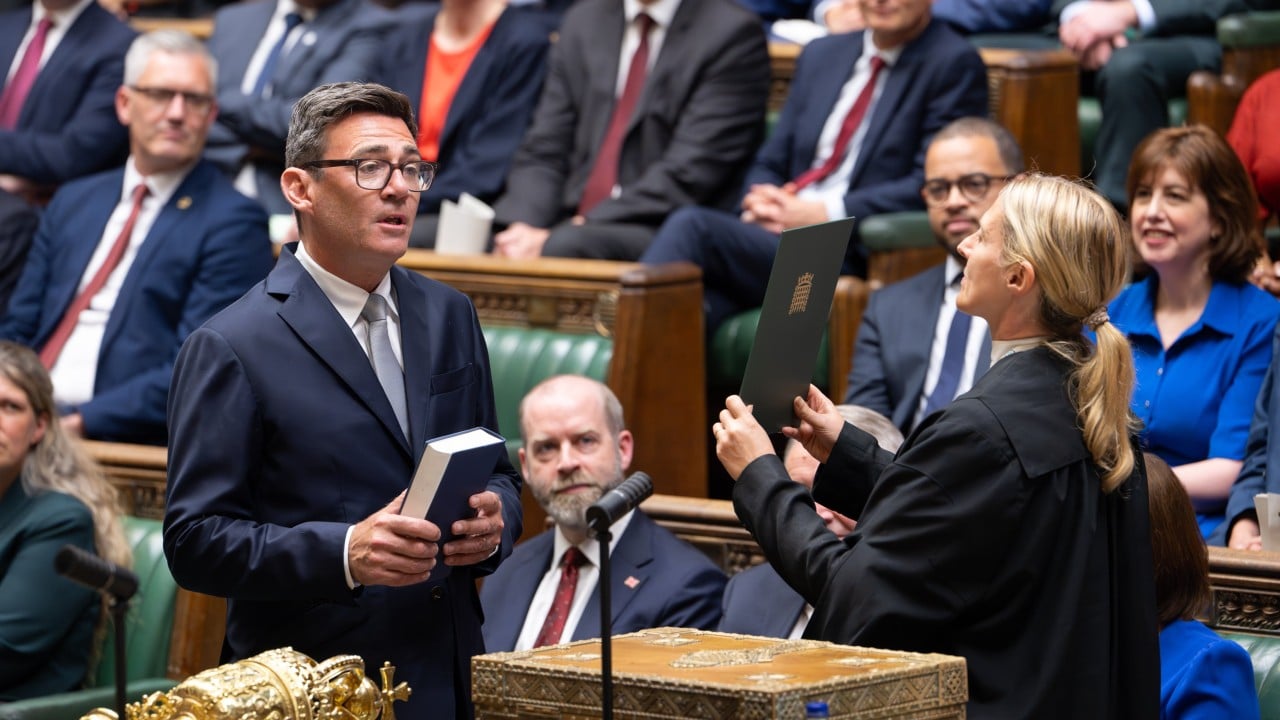
UKs revolving door of prime ministers reveals a deeper malaise The resignation of Prime Minister Keir Starmer has once again plunged British politics into uncertainty. Britain is now poised to welcome its seventh prime minister in a decade: after David Cameron, Theresa May, Boris Johnson, Liz Truss, Rishi Sunak and now Starmer, yet another successor is waiting in the wings. For a country that often presents itself as a model of political stability and democratic governance, such an extraordinary turnover of leadership raises questions about the...
south china morning post · about 2 months ago
Burnham draws up plans for devolution blitz ahead of key City speech Likely next prime minister has signalled he wants to draw on Manchester example and shift power away from Westminster
financial times · about 2 months ago
What happened to Starmers clean energy superpower plan? Outgoing UK leader was hesitant to argue the case for his governments ambitious energy goals
financial times · about 2 months ago
Burnham looks to move part of Number 10 operations to Manchester Plan marks radical attempt to shift power beyond Westminster
financial times · about 2 months ago

⚡ NEWSUK Labour leadership: Burnham on course to become PMKeir Starmers successor, likely Keir Burnham (or similar figure), is on track to become UK Prime Minister. The article analyzes the formation of his top team and raises questions regarding his future policies and priorities for Number 10.📰 #Geopolitics #GeoWire
mastodon bot · about 2 months ago

No, este vídeo no muestra a personas por la calle celebrando la dimisión de Starmer: es de mayo de 2025 En Facebook encontramos imágenes publicadas de la misma localización, el mismo día, pero no se específica el motivo de la reunión de personas en el lugar. La BBC publicó un artículo ese día en el que menciona que se llevaron a cabo protestas en Exeter y otros lugares como parte de la Gran Huelga Nacional Británica. Mientras que Devon Live publicó el mismo 24 de mayo que algunos tractores tomaron las calles de Exeter en una protesta de agricultores.
maldita · about 2 months ago
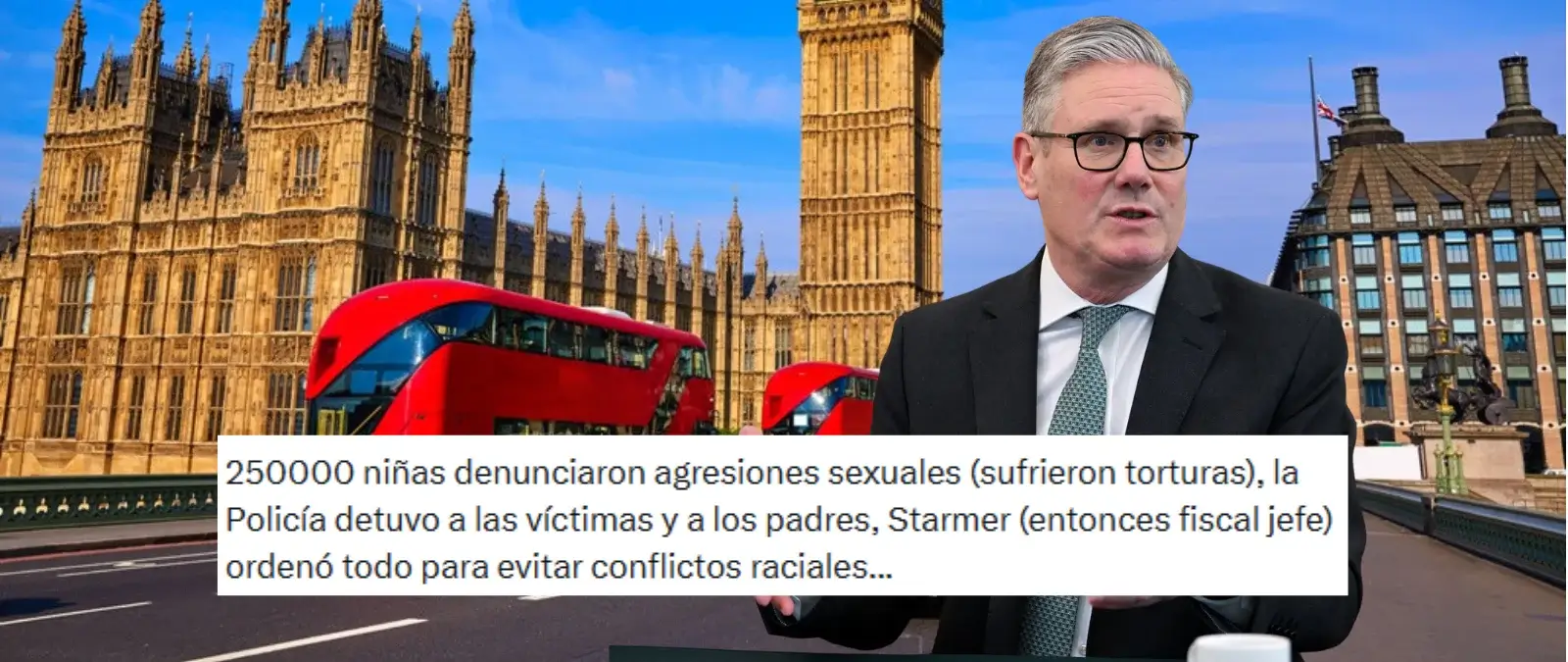
Qué sabemos del papel de Keir Starmer, exprimer ministro británico, en las investigaciones sobre las redes de explotación sexual en Reino Unido El sucesor de Starmer al frente del Servicio de Fiscalía de la Corona (CPS), Nazir Afzal, sí reconoció, en 2022, que desde este organismo se habían cometido errores en el enjuiciamiento de algunos de los hombres implicados en casos de abuso sexual infantil en Rochdale, como publicó entonces The Guardian, y que Starmer había estado de acuerdo en enmendar el error y procesar a los acusados. Por otro lado, algunos informes y publicaciones sobre el desarrollo de las investigaciones sobre estas redes de explotación sexual infantil sostienen que el miedo a ser etiquetados como racistas había obstaculizado la capacidad de los organismos oficiales para combatir el acoso y la explotación sexual, pero en ningún momento se señala a Keir Starmer. El partido Restore Britain, fundado por Rupert Lowe, tiene objetivos antimigratorios, tales como expulsar a personas migrantes en lo que llaman inmigración masiva inversa o priorizar los intereses británicos.
maldita · about 2 months ago
PMQs Review: Kemi Badenoch loses her head Keir Starmer stepped up to the despatch box this afternoon for his first PMQs since he resigned. As he shuffled into the chamber and took his seat on the front bench, the Prime Minister received a bigger cheer from the Labour benches than he has in recent months. Opening the session with the usual procedural …
new statesman · about 2 months ago

Taoiseach accuses Sinn Féin of trying to engineer further fuel protests Martin further accused Sinn Féin of playing politics by putting in amendments to the Finance Bill around fuel costs which it knew would get voted down.
thejournal · about 2 months ago

LIVE: Outgoing British PM Keir Starmer takes questions in parliament www.youtube.com/live/p0fBH79...
bluesky bot · about 2 months ago
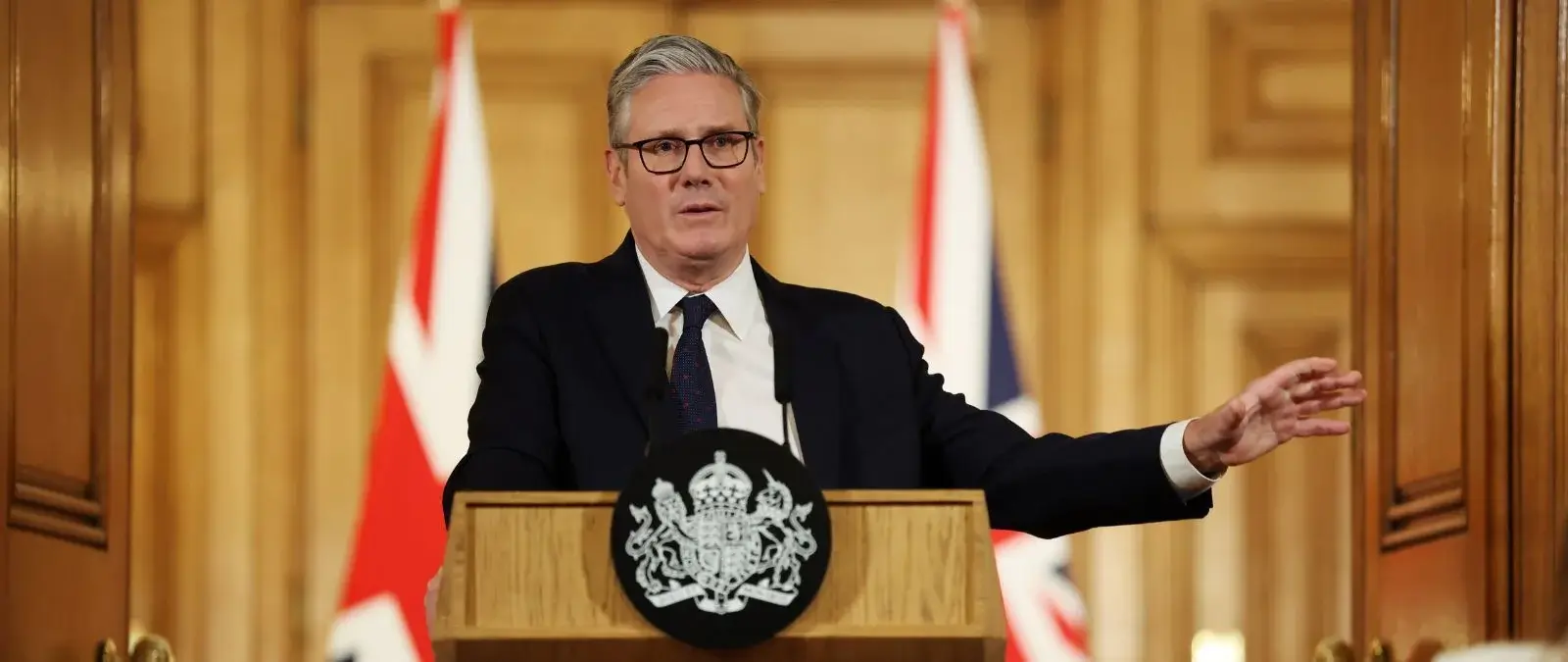
Bulos y desinformaciones sobre la dimisión del primer ministro de Reino Unido, Keir Starmer No, este vídeo no muestra a personas por la calle celebrando la dimisión de Starmer: es de mayo de 2025Este vídeo que muestra a personas en la calle con banderas de Reino Unido no está relacionado con la dimisión del primer ministro, Keir Starmer, el 22 de junio de 2026. Una búsqueda inversa reveló que circula desde al menos el 24 de mayo de 2025 y fue publicado por el mismo usuario en Twitter (ahora X) que lo difundió el 22 de junio como si se tratara de celebraciones por la dimisión de Starmer. El vídeo se grabó en Exeter, Reino Unido, entre las calles South St y High St. No, este vídeo no muestra a británicos celebrando el anuncio la dimisión de Starmer: es un vídeo de diciembre de 2024 de seguidores del Leeds UnitedEste vídeo no muestra a británicos celebrando que el primer ministro de Reino Unido, Keir Starmer, haya dimitido. El mismo vídeo ya circulaba en mayo y una búsqueda inversa muestra el mismo momento capturado desde otros ángulos y publicado el 26 de diciembre de 2024. Al revisar la fecha, se puede comprobar que Leeds United jugó un partido de fútbol contra Stoke City ese día. En el propio vídeo se pueden ver detalles como la sudadera de uno de los aficionados con las letras LUFC (Leeds United Football Club) y de fondo el escudo del Stoke City (2024) en la pared, ya que el partido fue en el bet365 Stadium, que pertenece a este equipo.No, este vídeo no es de británicos reaccionando a la renuncia del primer ministro Starmer en 2026: está manipulado y es de 2016Este vídeo no muestra la reacción de británicos en un bar al ver el anuncio de dimisión de Keir Starmer. Se trata de un vídeo antiguo y manipulado: Una búsqueda inversa nos llevó al vídeo original publicado el 16 de junio de 2016 por Heart News West Country, según el cual son aficionados viendo la Eurocopa de 2016 y celebrando el gol de la victoria de Daniel Sturridge para Inglaterra contra Gales en el último minuto.
maldita · about 2 months ago
Laddio di Starmer non è un fulmine a ciel sereno: la Brexit ha fatto venire al pettine ben altri nodi di Kevin De Sabbata Il recente annuncio delle dimissioni di Keir Starmer da Primo Ministro della Gran Bretagna non è certo un fulmine a ciel sereno. Del resto, in molti avevamo predetto già nel giorno della sua elezione che non avrebbe avuto vita facile. Il fatto interessante, però, è che Sir Keir è il sesto […] Larticolo Laddio di Starmer non è un fulmine a ciel sereno: la Brexit ha fatto venire al pettine ben altri nodi proviene da Il Fatto Quotidiano.
il fatto quotidiano · about 2 months ago
Climate crisis: UN chief lays out solutions blueprint for clean energy transition Continue reading Climate crisis: UN chief lays out solutions blueprint for clean energy transition at The European Sting - Critical News & Insights on European Politics, Economy, Foreign Affairs, Business & Technology - europeansting.com.
european sting · about 2 months ago
Rücktritt von Keir Starmer: Und jetzt der Siebte Auf den trockenen Keir Starmer dürfte in Großbritannien der populäre Andy Burnham folgen. Wofür er steht? Parteirechte fürchten, er könnte sich zu sozialistisch geben.
die zeit · about 2 months ago