Loading…
 Friday, July 31Friday, July 31
The Trump administration has convened the Alien Terrorist Removal Court for the first time to facilitate the removal of alleged "terrorists" from the United States. The case involves Nazira Haji Zada, a 47-year-old Afghan woman and permanent legal resident accused of participating in a shooting plot set to be carried out on election day in 2024.
In Argentina, President Javier Milei has introduced a policy to expel foreigners who express "hate" against Argentina. Meanwhile, in France, Interior Minister Laurent Nunez defended the expulsion of a pro-Kremlin Russian commentator, Xenia Fedorova, stating that the measure was "not an infringement on freedom of expression."
The Alien Terrorist Removal Court was created in 1996 but has never been used until now. The court is intended to remove alleged "terrorists" from the United States. The case against Nazira Haji Zada involves accusations of participating in a shooting plot. The plot involved her sons, Tawhedi and Abdullah Haji Zada, who were arrested in October 2024 and pleaded guilty. Abdullah is serving 15 years in prison, and Tawhedi is awaiting sentencing. The FBI says it scuttled the plot when the two men attempted to buy two rifles and 500 rounds of ammunition from an undercover agent. No criminal charges, however, have been levied against their mother, Nazira. While the Justice Department claims there is "a preponderance of the evidence" against Nazira, government lawyers told the Alien Terrorist Removal Court that its case included classified information that could not be released to the public.
In Argentina, President Javier Milei's policy to expel foreigners who express "hate" against Argentina was introduced in response to criticism of the Argentinian government and its handling of the World Cup. The decree, which enters into force pending parliamentary review, was published amid diplomatic tensions between Argentina, Brazil, and Mexico. Milei accuses these countries of financing an "anti-Argentine campaign" on the sidelines of the World Cup.
In France, Interior Minister Laurent Nunez defended the expulsion of Xenia Fedorova, stating that the measure was "not an infringement on freedom of expression." Fedorova was ordered to leave France on Wednesday amid allegations that she had relayed Kremlin propaganda on French TV channels.
The Trump administration's actions have also faced political and legal challenges. The nomination of acting Attorney General Todd Blanche has been complicated by Trump's refusal to limit a controversial tax immunity agreement and a $1.8 billion slush fund. Republican senators have requested written constraints on the deal, but Trump has refused to narrow the agreement. Sen. Thom Tillis, R-N.C., brushed aside Trump's threat to withdraw Blanche's nomination, arguing that the White House must instead honor what he says was an earlier commitment to win his vote.
The Trump administration sees a risk that "woke institutions" will go after its officials once the president is out of office. This concern is reflected in their refusal to limit the tax immunity agreement and their use of the Alien Terrorist Removal Court.
The Alien Terrorist Removal Court has been criticized for potentially circumventing due process protections. The court's legality is hotly debated, and its use in the case of Nazira Haji Zada has raised concerns about the government's handling of classified information.
In Argentina, the policy to expel foreigners for "hate speech" has been criticized as a tool for political repression. Experts have cast doubt on the legality of the emergency decree.
In France, the expulsion of Xenia Fedorova has been defended by the interior minister as a measure to protect national security.
Follow us for live European news
6 further sources not geolocated

US-Außenministerium präsentiert auf Konferenz falsche Afrika-Karte Auf einer internationalen Konferenz in Rio de Janeiro hat die US-Delegation eine fehlerhafte, mit Künstlicher Intelligenz erstellte Afrika-Karte gezeigt. Mehrere Länder waren falsch eingezeichnet, darunter Nigeria und die Elfenbeinküste.
welt.de · about 5 hours ago

Information: The immigration debate must not be so harsh The debate on foreigners in Denmark has become significantly harsher, and parties across the entire spectrum are moving to the right. An interview series in Information shows that the debate negatively affects law-abiding citizens from a different ethnic background. They feel excluded and affected by politicians harsh scare scenarios.
cphpost · about 5 hours ago
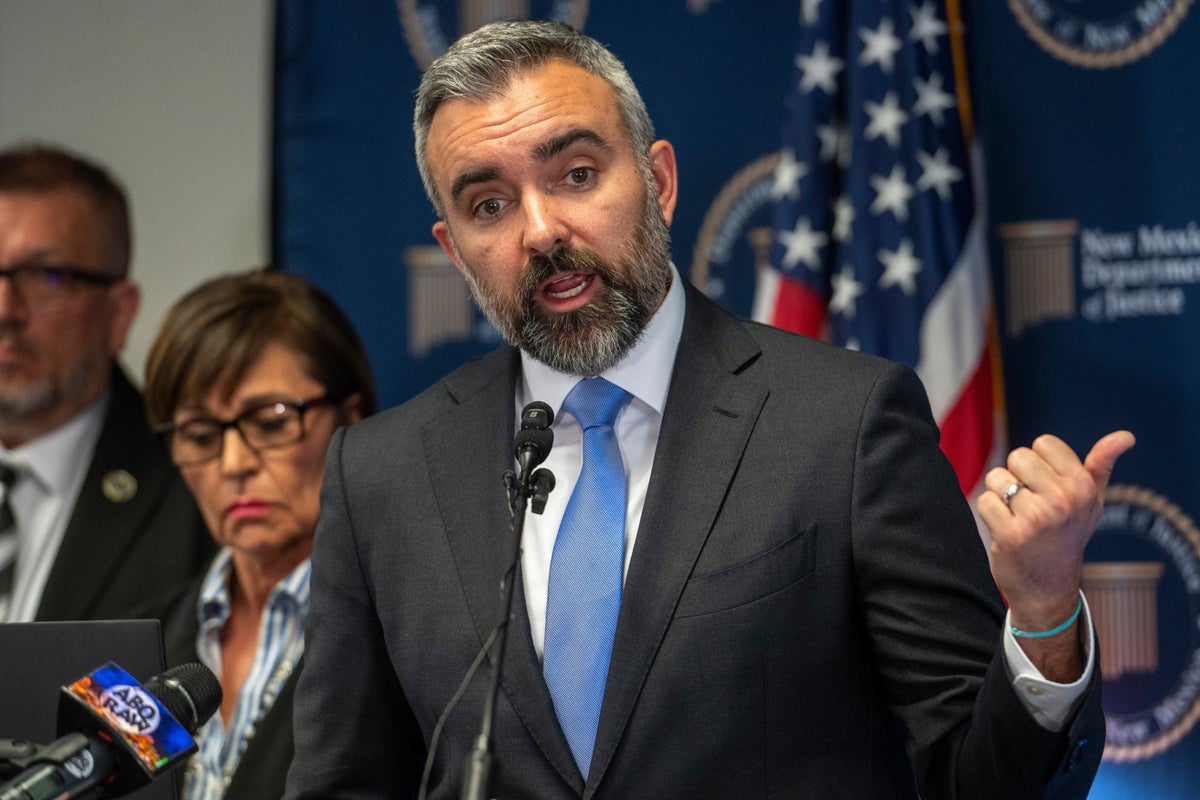
New Mexico AG sues over teen told to cross into Mexico alone The lawsuit demands the childs return and seeks to block similar future reunifications without court approval
independent · about 5 hours ago
TV commentator sparks controversy with job change to the US Embassy Arbejdernes Oplysningsforbund (AOF) has cancelled a lecture with Sofie Rud, a former US commentator for TV 2. This decision comes after she started a new job as a Political Specialist at the US Embassy in Copenhagen. The job change sparked massive criticism, with critics accusing her of working against Denmark and serving American interests, particularly […]
cphpost · about 5 hours ago

O que pensa o Presidente sobre o caso Luís Neves? António José Seguro mantém-se em silêncio sobre o caso Luís Neves. Mas o que pensa o Presidente, o que tem feito e o que mais o preocupa em toda esta polémica?
observador · about 5 hours ago
Argentinas Milei unveils bill to shield central bank from political pressure July 30 (Reuters) - Argentinas President Javier Milei on Thursday announced plans to reform the central banks charter, a move aimed at strengthening the institutions independence and restricting…
japantoday · about 6 hours ago
Brazilian Supreme Court justice authorizes investigation into presidents son Brazilian Supreme Court Justice Andre Mendonca has authorized federal police to investigate Fabio Luis Lula da Silva, son of President Luiz Inacio Lula da Silva, over suspicions he…
japantoday · about 6 hours ago
Why a MAGA influencers shift to support Ukraine war is good for Trump One of the most prominent pro-Trump influencers, Laura Loomer, just made a major shift in her stance on Ukraine.
aljazeera · about 6 hours ago

Trump administration to end Medicare Part D subsidy program. Will costs increase? The Trump administration blamed the Biden administration for "bailing out" insurance companies with government subsidies.
snopes · about 6 hours ago

ONU : la course à la succession dAntonio Guterres est lancée Le Conseil de sécurité des Nations unies a lancé jeudi le processus de sélection du futur secrétaire général de linstance, avec un premier vote indicatif à huis clos, qui a placé la Costaricaine Rebeca Grynspan en tête des sept candidats déclarés à ce jour. Ce processus opaque pourrait encore durer plusieurs mois, explique la presse internationale.
courrier international · about 6 hours ago
Trump administration appeals to never-before-used court for deportation US government prosecutors are seeking the removal of Nazira Haji Zada, though she faces no criminal charges.
aljazeera · about 6 hours ago
US appeals court rejects Trump expansion of mandatory migrant detention Appeals court rules that the Trump administration cannot deny detained migrants the chance for release on bond.
aljazeera · about 6 hours ago

Milei demands expulsion of foreigners expressing hate against Argentina u.afp.com/SrCr
bluesky_AFP English · about 7 hours ago
French minister defends expulsion order against Russian commentator
gdeltproject.org · about 7 hours ago
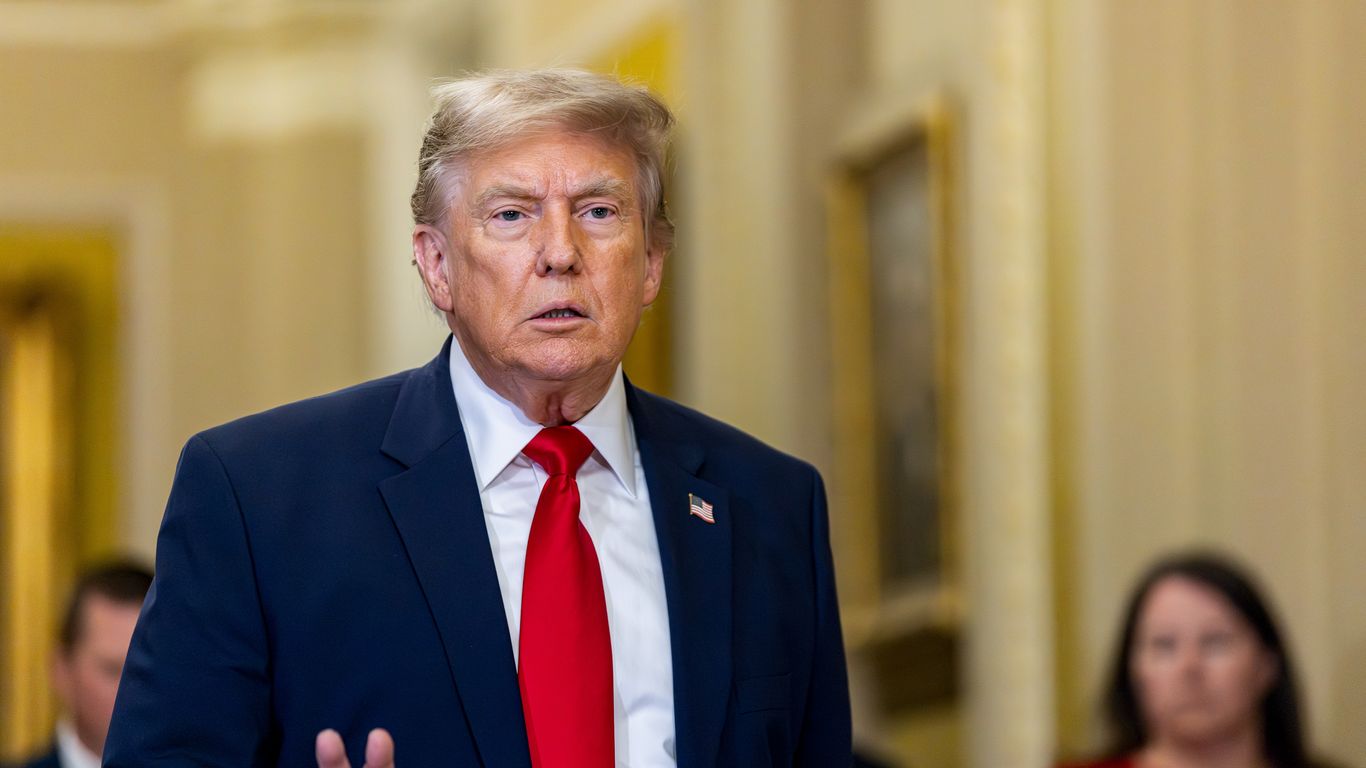
Inside Trumps Senate playbook President Trump has three go-to moves for GOP senators who frustrate him: persuade them when he can, ignore them when he must and bully them at will.Why it matters: The approach doesnt always produce results. But it almost always provides drama.Persuade: Trump dispatched two top deputies to the Senate GOP lunch on Wednesday to make the case, in person, for a third reconciliation bill with elements of the SAVE Act. Then he sent in the big guns. Chief of Staff Susie Wiles huddled with the Senate GOP leaders shortly after their lunch. When Trump faced a Senate rebuke over the Iran conflict last month, the White House aggressively lobbied wavering Republicans to flip their votes.Ignore: Acting Attorney General Todd Blanche doesnt need Senate confirmation to do the job, Trump declared on Truth Social on Thursday.He can serve as acting attorney general indefinitely. Problem solved.Bully: Trump began the week by demanding that Majority Leader John Thune (R-S.D.) scrap the filibuster and pass the SAVE Act."Remember, stupidity always brings LOSING & DEATH!" Trump wrote.What were watching: Bullying appeared to be Trumps preferred tactic this week. By Wednesday, he was openly questioning whether Thune should remain majority leader.Thunes best defense was to downplay his own powers."He thinks I can wave the magic wand," Thune told Politico. "I wish it were that easy."Trumps penchant for bullying has emboldened some senators to stand their ground — such as John Cornyn (R-Texas) and Thom Tillis (R-N.C.), who have blocked Blanches nomination. Both will be out of the Senate in January. Zoom in: Trumps anger with the Senate keeps flaring, despite Thunes success in rapidly confirming his nominees.With Jay Claytons confirmation as director of national intelligence, the GOP-led Senate has confirmed 515 of Trumps nominees — with another batch of 74 on the way.Thats a faster pace than the first administration and leaves only a handful of civilian nominations remaining on the Executive Calendar.Trump now has the authority to install many of the remaining nominees in acting roles across the federal government.Zoom out: With one week left before the August recess, Senate Republican vibes are going from bad to worse.New polls show Americans continuing to sour on the GOP.The MAGA base is still enraged over the SAVE Act. Everything from the NDAA to crypto legislation is hitting roadblocks.And Trump doesnt appear interested in easing the pressure on his own party. The bottom line: Trump reserves the right to toggle among his three approaches, depending on his needs and mood.And while he can ignore the Senate on some personnel, he cant ignore it on legislation. He still needs 50 votes — or, in some cases, 60. "When crazy becomes the norm, it feels pretty routine," one GOP senator told Axios.
axios · about 7 hours ago
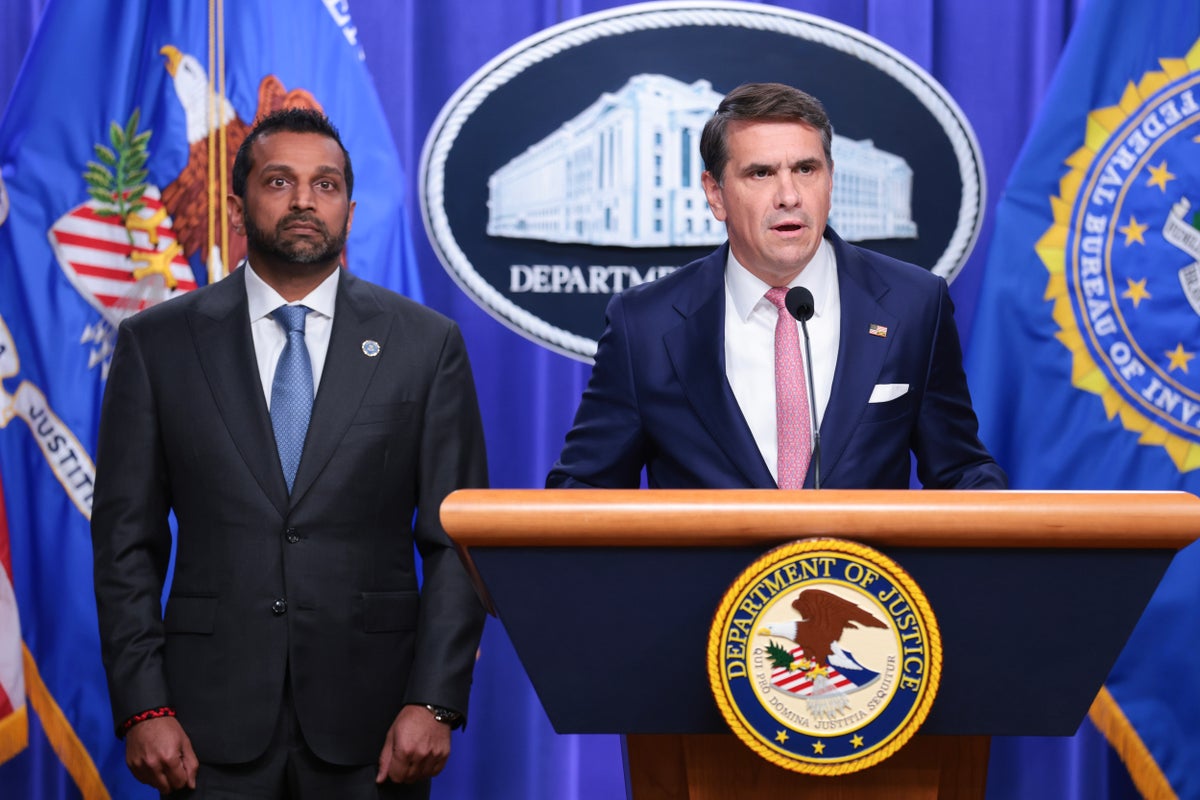
Trumps DOJ turns to a court that hasnt been used in 30 years to deport a woman Afghan national Nazira Haji Zada, 47, is the first person to face civil immigration charges in the Alien Terrorist Removal Court
independent · about 8 hours ago

Enbridge pipeline trespassed on Wisconsin tribal land, must be moved, US appeals court finds reut.rs/4h7e9tA
bluesky_Reuters · about 8 hours ago
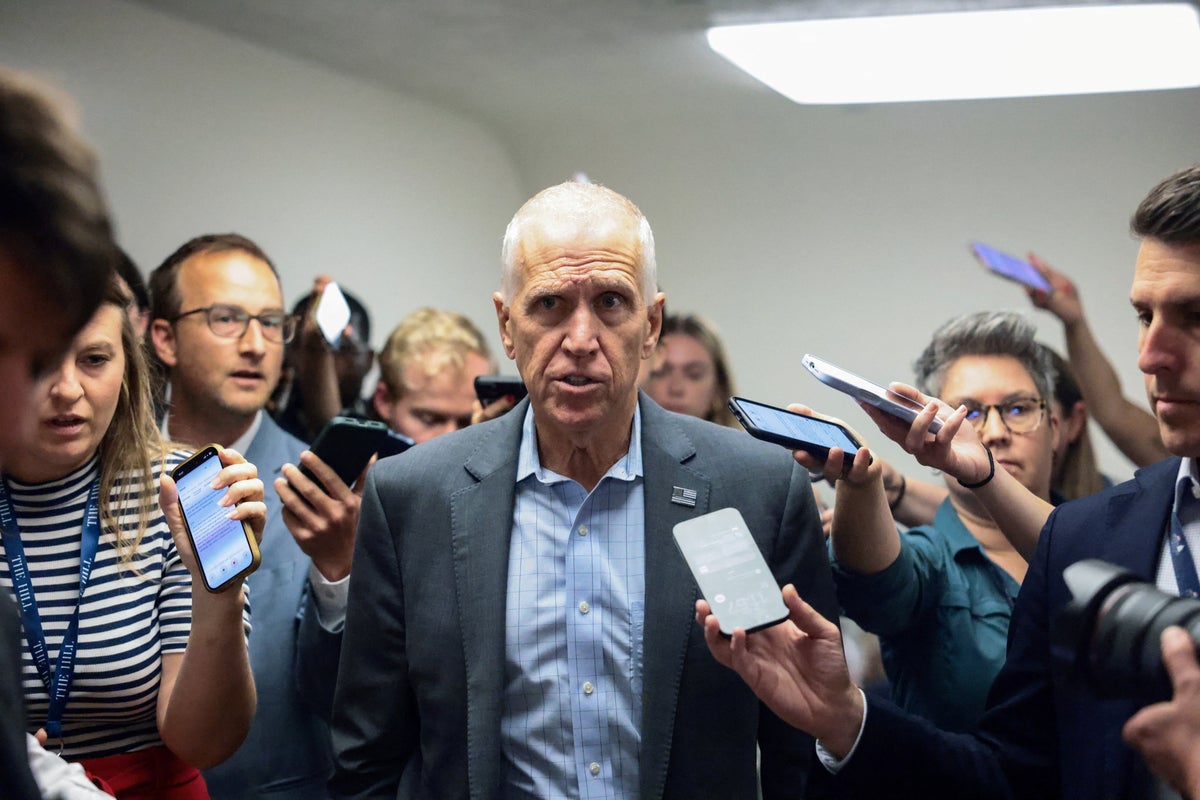
Trump desperately wants his MAGA slush fund back. Hes making that crystal clear in the battle over Blanche Donald Trump is holding his ground and making one thing clear to Republicans — he cares more about his sweetheart deal than keeping the Senate functional. John Bowden and Eric Garcia report on a rare standoff
independent · about 8 hours ago
Trumps Kabinett: Trump will Widerstand bei Justizminister-Wahl umgehen Noch ist es nicht entschieden, aber es wäre ein bemerkenswerter Schritt: Trump erwägt, seine Nominierung von Blanche für den Posten des Justizministers vorübergehend zurückzuziehen. Warum?
handelsblatt · about 8 hours ago

New legal aid payment model conflicts with existing legislation, court hears Some solicitors have withdrawn services in protest at new arrangement, which took effect earlier in July
irish times · about 8 hours ago
Kolumni | Donald Trump II, ahneempi ja vaarallisempi Lähi-itä, kehitysjärjestön alasajo ja hyökkäykset demokratiaa kohtaan todistavat, ettei Trump ole harmiton moukka.
helsingin sanomat · about 8 hours ago

President Trump is personally managing large-scale fundraising for his presidential library and ballroom projects. Major tech companies have contributed millions, coinciding with his increasing involvement in regulatory decisions. #Russia #US #Trump
mastodon bot · about 8 hours ago

Trump orders restrictions on export of critical minerals scrap, White House officials say reut.rs/4fu7Uia
bluesky_Reuters · about 9 hours ago
![Inside the $2 million effort to oust Rep. Andy Ogles in his Republican primary A super PAC that has invested millions to unseat Rep. Andy Ogles (R-Tenn.) is putting another $700,000 behind his GOP primary challenger in the final week of the campaign, Axios has learned.Why it matters: Ogles was already facing one his most perilous reelection battle to date, with Democrats making him one of their top targets in November. But first he has to get the nomination, which is not a done deal.Invest in Tomorrow Coalition, the clean-energy aligned super PAC working to primary Ogles, commissioned a poll that has him leading his challenger, Charlie Hatcher, by just four percentage points.The survey, first shared with Axios, had Ogles at 37 and Hatcher at 33 among 400 likely Republican primary voters interviewed between July 26 and 28. It was conducted by Tusk Strategies and has a margin of error of plus-or-minus 5 percentage points. Driving the news: ITC is "committing an additional $700,000 in paid media for the final week of the race" on top of the $1.3 million it had already spent as of Wednesday, according to a press release first shared with Axios.Renewable energy executives are using the super PAC to punish Republican lawmakers for anti-wind and solar policies, such as the rollback of clean energy tax credits in the One Big, Beautiful Bill."Our campaign is here to show that politicians who oppose clean energy do so at their own political peril. Andy Ogles is next," the groups chair, Tom Matzzie, who is also CEO of solar company CleanChoice Energy, said in a statement.The group spent heavily to defeat Rep. Chip Roy (R-Texas) in the GOP primary runoff for Texas attorney general. Roy lost to Mayes Middleton.The other side: "As the Trump-endorsed candidate in this race, I am being targeted by left-wing liberals from California because I am one of President Trumps closest allies," Ogles said in a statement to Axios."They want to stop Trump-endorsed MAGA warriors from delivering for the American people. This desperate attempt to SILENCE me is futile. I will not be silent and I will never stop fighting to put America First."In addition to its spending against Roy and Ogles, the group spent $125,000 to support Rep. Mariannette Miller-Meeks (R-Iowa), who voted for the OBBB but fought to preserve the IRA tax credits.State of play: Despite Ogles incumbency and crucial support from Trump, Hatcher has some things going for him.A former Tennessee Commissioner of Agriculture, Hatcher is backed by some party heavyweights, including former Tennessee Gov. Bill Haslam and former Agriculture Secretary Sonny Perdue.Ogles is also running in drastically new territory after Tennessees mid-cycle redistricting, which saw his district take in more rural, agricultural areas that Hatchers camp believes will favor them.Hatcher campaign consultant John Newman told Axios his candidate "relates to folks in the newly drawn congressional district much better than the current occupant."By the numbers: ITC has also swamped Ogles biggest backer, the House Freedom Fund, which has spent just under $500,000 on the race.Hatcher has also out-raised the incumbent, bringing in $720,000 in contributions as of July 17 and coming into the final stretch with $105,000 in cash-on-hand.Ogles raised $610,000 and had just $58,000 in cash by the same point, but his campaign owed about $70,000 in debt.Between the lines: Ogles has also been the subject of significant public controversy in recent years.He is under investigation by the House Ethics Committee for his campaign finances and previously faced an Justice Department probe that was shut down after Trump returned to office last year. He has also repeatedly drawn condemnation from colleagues for making Islamophobic public statements, such as writing on social media in March that "Muslims dont belong in American society."Yes, but: Ogles still has incumbency and Trump, which are highly significant factors in most Republican primaries.The president held a tele-rally on Ogles behalf Tuesday, urging listeners to "get out and vote for Andy Ogles," who he said has "been a friend of mine."Tennessee Republicans say Ogles is in real danger but probably still the favorite, with one U.S. House member from the state telling Axios, "If he works he wins." But, this lawmaker warned, Ogles "still could lose [the] general" in November.](https://images.axios.com/j9t733GtoJWUi0H3ngN9Gg2Vgs0=/0x0:4244x2387/1366x768/2026/07/29/1785365838642.jpeg)
Inside the $2 million effort to oust Rep. Andy Ogles in his Republican primary A super PAC that has invested millions to unseat Rep. Andy Ogles (R-Tenn.) is putting another $700,000 behind his GOP primary challenger in the final week of the campaign, Axios has learned.Why it matters: Ogles was already facing one his most perilous reelection battle to date, with Democrats making him one of their top targets in November. But first he has to get the nomination, which is not a done deal.Invest in Tomorrow Coalition, the clean-energy aligned super PAC working to primary Ogles, commissioned a poll that has him leading his challenger, Charlie Hatcher, by just four percentage points.The survey, first shared with Axios, had Ogles at 37 and Hatcher at 33 among 400 likely Republican primary voters interviewed between July 26 and 28. It was conducted by Tusk Strategies and has a margin of error of plus-or-minus 5 percentage points. Driving the news: ITC is "committing an additional $700,000 in paid media for the final week of the race" on top of the $1.3 million it had already spent as of Wednesday, according to a press release first shared with Axios.Renewable energy executives are using the super PAC to punish Republican lawmakers for anti-wind and solar policies, such as the rollback of clean energy tax credits in the One Big, Beautiful Bill."Our campaign is here to show that politicians who oppose clean energy do so at their own political peril. Andy Ogles is next," the groups chair, Tom Matzzie, who is also CEO of solar company CleanChoice Energy, said in a statement.The group spent heavily to defeat Rep. Chip Roy (R-Texas) in the GOP primary runoff for Texas attorney general. Roy lost to Mayes Middleton.The other side: "As the Trump-endorsed candidate in this race, I am being targeted by left-wing liberals from California because I am one of President Trumps closest allies," Ogles said in a statement to Axios."They want to stop Trump-endorsed MAGA warriors from delivering for the American people. This desperate attempt to SILENCE me is futile. I will not be silent and I will never stop fighting to put America First."In addition to its spending against Roy and Ogles, the group spent $125,000 to support Rep. Mariannette Miller-Meeks (R-Iowa), who voted for the OBBB but fought to preserve the IRA tax credits.State of play: Despite Ogles incumbency and crucial support from Trump, Hatcher has some things going for him.A former Tennessee Commissioner of Agriculture, Hatcher is backed by some party heavyweights, including former Tennessee Gov. Bill Haslam and former Agriculture Secretary Sonny Perdue.Ogles is also running in drastically new territory after Tennessees mid-cycle redistricting, which saw his district take in more rural, agricultural areas that Hatchers camp believes will favor them.Hatcher campaign consultant John Newman told Axios his candidate "relates to folks in the newly drawn congressional district much better than the current occupant."By the numbers: ITC has also swamped Ogles biggest backer, the House Freedom Fund, which has spent just under $500,000 on the race.Hatcher has also out-raised the incumbent, bringing in $720,000 in contributions as of July 17 and coming into the final stretch with $105,000 in cash-on-hand.Ogles raised $610,000 and had just $58,000 in cash by the same point, but his campaign owed about $70,000 in debt.Between the lines: Ogles has also been the subject of significant public controversy in recent years.He is under investigation by the House Ethics Committee for his campaign finances and previously faced an Justice Department probe that was shut down after Trump returned to office last year. He has also repeatedly drawn condemnation from colleagues for making Islamophobic public statements, such as writing on social media in March that "Muslims dont belong in American society."Yes, but: Ogles still has incumbency and Trump, which are highly significant factors in most Republican primaries.The president held a tele-rally on Ogles behalf Tuesday, urging listeners to "get out and vote for Andy Ogles," who he said has "been a friend of mine."Tennessee Republicans say Ogles is in real danger but probably still the favorite, with one U.S. House member from the state telling Axios, "If he works he wins." But, this lawmaker warned, Ogles "still could lose [the] general" in November.
axios · about 9 hours ago
Not an infringement on freedom of expression: French minister defends expulsion of Russian pundit Frances Interior Minister Laurent Nunez defended the decision to expel pro-Kremlin commentator Xenia Fedorova, saying on Thursday that the measure was "not an infringement on freedom of expression". Authorities ordered her to leave France on Wednesday amid allegations that she had relayed Kremlin propaganda on French TV channels.
france24 · about 9 hours ago
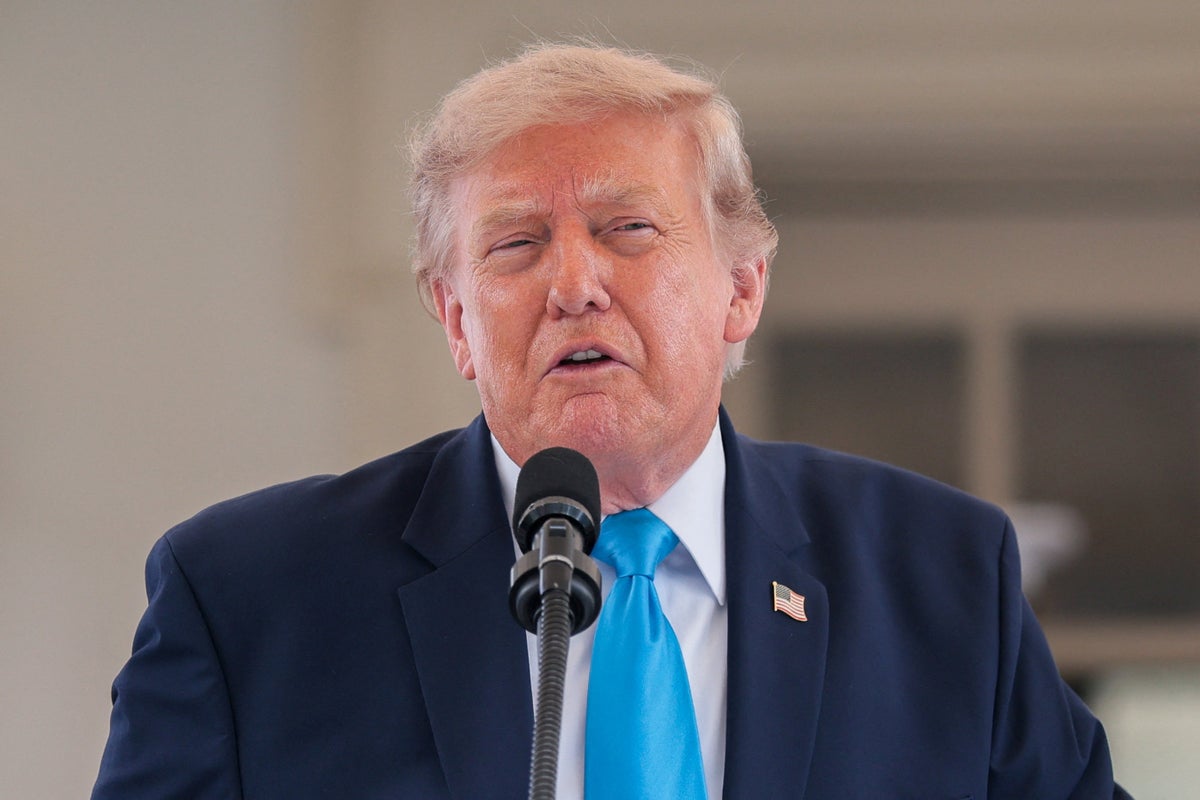
Trumps Freedom Haulers event revealed something deeply unsettling about the president and his team Trump struggled to speak off-script and his transportation secretary jumped in to praise him. It was an uncomfortable dynamic that speaks to whats happening behind the scenes, writes Holly Baxter
independent · about 9 hours ago
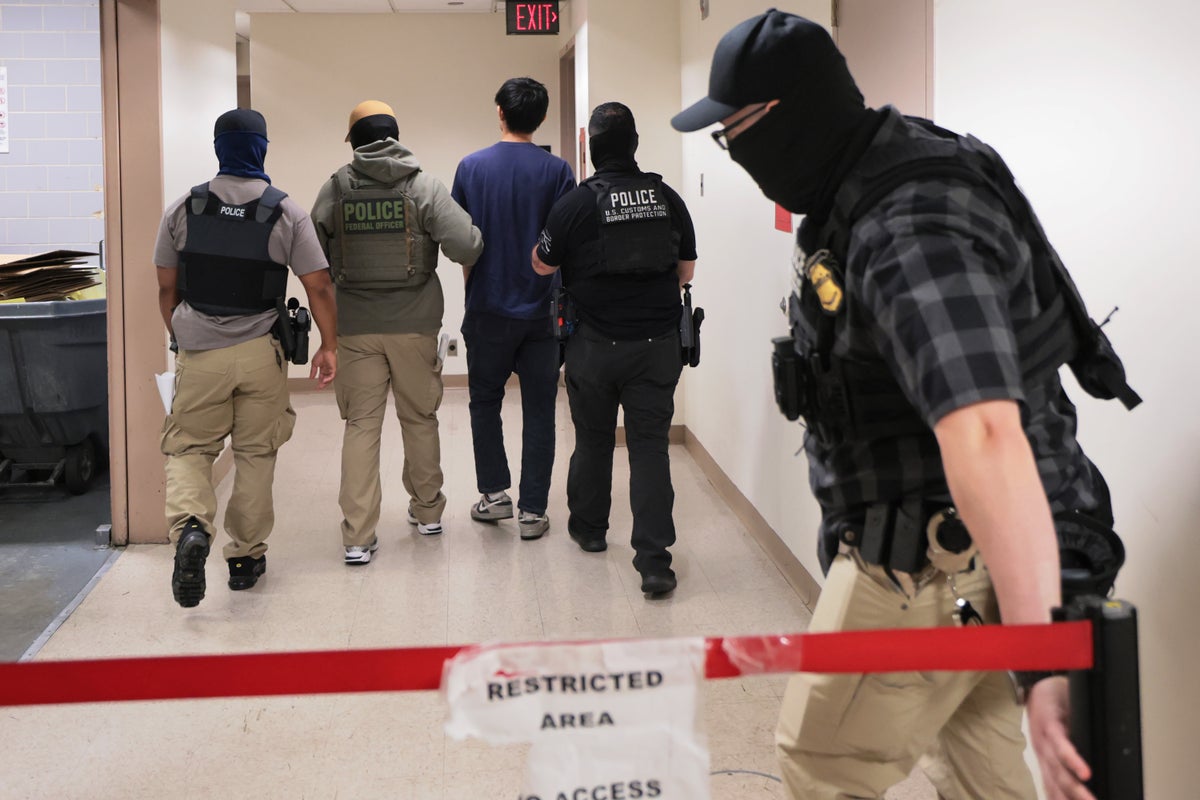
Trump-appointed judge joins ruling against immigrant detention policy This ruling further deepens a growing divide among federal appeals courts regarding the administrations mandatory detention policy
independent · about 9 hours ago

Argentinas Milei empowers government to ban foreigners for hate speech Mileis administration framed the decree as a direct response to weeks of criticism from celebrities, rival fans, and social media users
independent · about 9 hours ago

Limited-edition Trump passports to roll out across US due to overwhelming demand The departments 27 passport agencies nationwide will start offering the special travel documents next month
independent · about 9 hours ago
#Jordan Hundreds of Jordanian political, legal, and public figures have signed an open letter demanding the withdrawal of US forces from Jordan, citing concerns that their presence poses significant security, political, and economic risks. This move reflects a rare public challenge to the government amid increasing tensions in the region. Subscribe to @OSINTdefender Chat room
telegram_OSINTdefender · about 10 hours ago