
TRENDING — Trump delays Iran deal signing amid nuclear and Strait of Hormuz disputes
Trump administration nears Iran deal framework but delays signing amid nuclear and Strait of Hormuz disputes
Negotiations between the U.S. and Iran over a potential war-ending agreement have reached a critical juncture, with officials confirming a framework is "95% there" but no deal will be signed this weekend. The delay stems from unresolved disputes over Iran’s nuclear program and control of the Strait of Hormuz, according to multiple U.S. sources.
A senior Trump administration official told *Fox News* that Iran has agreed in principle to the deal’s structure, but "haggling over language" persists, particularly regarding Iran’s nuclear stockpile and the strategic waterway. The official emphasized that any final agreement must eliminate Iran’s path to a nuclear weapon, stating, "If we have a final deal where the Iranians are enriching, then you don’t have a final deal." On the Strait of Hormuz—through which 20% of global oil trade passes—the U.S. has rejected Iranian proposals to impose a "toll" on vessels, calling it "unacceptable" .
President Donald Trump, who has framed the talks as a reversal of the Obama-era nuclear deal, took to *Truth Social* on Sunday to urge patience. "I have informed my representatives not to rush into a deal," he wrote, adding that "time is on our side" and the U.S. blockade of Iran will remain in place until an agreement is "certified and signed." Trump also floated the possibility of Iran eventually joining the *Abraham Accords*, a prospect dismissed by Tehran, which has long refused to recognize Israel .
The White House now expects the deal to take "several days" to finalize, contingent on approval from Iran’s Supreme Leader, Mojtaba Khamenei. A senior U.S. official told *Axios* that while optimism exists, the agreement could still collapse, noting that Trump’s "No Dust, No Dollars" policy—tying sanctions relief to verifiable concessions—remains non-negotiable . Iran, however, has demanded the release of frozen assets as a precondition for any deal, a point of contention that has yet to be resolved .
Regional fallout and Republican dissent Trump’s push for a broader Middle East realignment has added urgency to the talks. During a Saturday call with leaders from Saudi Arabia, the UAE, Qatar, and other Muslim-majority nations, Trump pressed for normalization with Israel under the *Abraham Accords* once the Iran conflict ends. While some leaders, including UAE President Mohammed bin Zayed, voiced support, others—particularly Saudi Arabia—remained noncommittal. Saudi officials continue to demand Israeli concessions on Palestinian statehood, a non-starter for Netanyahu’s government ahead of September elections .
Republican hawks, including Senator Lindsey Graham, have split over the deal. Graham praised Trump’s call for Arab-Israeli normalization but warned that failure to secure such agreements would "have severe repercussions" for U.S. relations. Others, like Senator Ted Cruz, have condemned the negotiations outright, calling them a "disastrous mistake" and questioning the war’s original justification .
Background and stakes The U.S.-Iran conflict, which escalated into open hostilities in 2025 after Trump ordered strikes on Iranian nuclear sites, has strained global energy markets and regional stability. The proposed deal reportedly includes a 60-day ceasefire extension and the reopening of the Strait of Hormuz, though details remain fluid. Trump’s insistence on a "professional and productive" relationship with Tehran marks a shift from his 2020 "maximum pressure" campaign, but his administration has ruled out any agreement that fails to permanently block Iran’s nuclear ambitions.
With Iran’s leadership yet to sign off and Republican critics mobilizing, the coming days will test whether the framework can survive political and diplomatic pressures—or collapse into renewed confrontation.
> Background: **TRENDING — Trump announces largely negotiated Iran deal to reopen Strait of Hormuz** — *9 hours ago*
More LFE coverage on this topic
TRENDING — Trump delays Iran deal signing amid nuclear and Strait of Hormuz disputes
Articles

JUST IN: 🇮🇷 Iran says it has not made any commitments on its nuclear program for a deal with the US. @BRICSNews
telegram bot · 4 days ago
🇺🇸🇮🇷🇮🇱🇵🇰- A report from Fox News says that a framework agreement with Iran is "95 there," with officials claiming Iran has agreed in principle to the framework. ➡️ However, negotiators are still haggling over the language around Irans nuclear stockpile and the Strait of Hormuz. "We are not going to sign a deal today or tomorrow," an official said, adding that Donald Trumps instinct is to give negotiators another five to seven days. ➡️ The administrations "No Dust, No Dollars" policy continues to guide negotiations, with officials stressing they will not accept a bad deal and retain the option to resume military strikes if an agreement is not reached. @GeoPWatch
telegram bot · 4 days ago
🇺🇸🇮🇷🇮🇱🇵🇰- A senior Trump administration official has also told NBC News that no deal with Iran will be signed today, though progress has been made. "The Iran agreement will not be signed today, but there has been progress on a deal," the official said.
telegram bot · 4 days ago
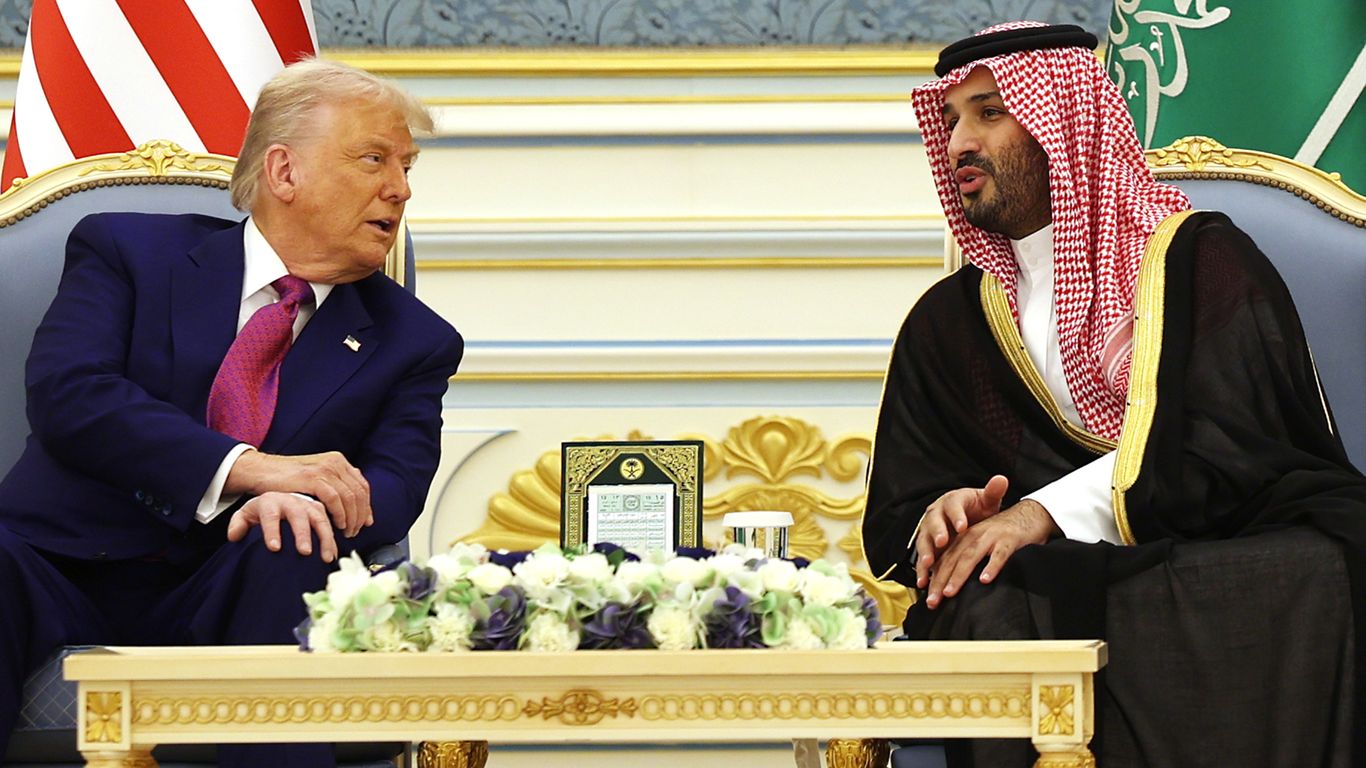
Trump asked Muslim leaders to sign peace deal with Israel after Iran war ends President Trump told leaders of several Arab and other Muslim countries during a Saturday conference call that if a deal to end the Iran war is achieved he wants their nations to sign peace agreements with Israel, per two U.S. officials with direct knowledge of the call. Why it matters: Trumps remarks on Israel and the countries signing onto the Abraham Accords during the call signal the next big step he wants to take in the Middle East after the war. Trump is aiming mostly at a historic Saudi-Israeli peace agreement, but the current political climate in the region and the upcoming Israeli election make any near term breakthrough extremely difficult. Driving the news: On Saturday, Trump held a phone call with the leaders of Saudi Arabia, the United Arab Emirates, Qatar, Pakistan, Turkey, Egypt, Jordan and Bahrain to discuss the emerging deal with Iran.Leaders including UAE President Mohammed bin Zayed, who has had a more hawkish view on the Iran war, said they support it."They all said we are with you on this deal. And if it doesnt work we will be with you too," a U.S. official said.Behind the scenes: A U.S. official with knowledge of the conversation said Trump told the leaders that he would call Israeli Prime Minister Netanyahu next and stressed that he hoped that in the near future Israels leader would be on the same call.Trump told the leaders that after the war with Iran ends he expects all of them who are still not part of the Abraham Accords or dont have peace agreements with Israel to join and normalize relations with the Jewish state, two U.S. officials said. The leaders, especially those of Saudi Arabia, Qatar, and Pakistan who dont have formal diplomatic relations with Israel, were surprised by Trumps request. "There was silence on the line and Trump joked and asked if they are still there," one of the U.S. officials said. Trump then told the leaders that his envoys Jared Kushner and Steve Witkoff will follow up on this issue in the coming weeks. What they are saying: "I would like to thank, thus far, all of the countries of the Middle East for their support and cooperation, which will be further enhanced and strengthened by their joining the Nations of the historic Abraham Accords," Trump wrote in a post on Truth Social on Sunday. He floated the idea of Iran joining the Abraham Accords one day. It would require Tehran to recognize Israel, something it has refused to do for decades. The current Iranian regime sees Israel as an enemy and is committed to its destruction. Senator Lindsey Graham (R-S.C.) who criticized the emerging deal with Iran and is a leading force in Congress for the expansion of the Abraham Accords wrote on X on Sunday that he supports Trumps request to the Arab and other Muslim leaders. "If in fact as a result of these negotiations to end the Iranian conflict, our Arab and Muslim allies in the region agreed to join the Abraham Accords, it would make this agreement one of the most consequential in the history of the Middle East," he said. Graham called on Saudi Arabia and other countries to adhere to Trumps request. "If you refuse to go down this path as suggested by President Trump, it will have severe repercussions for our future relationships and make this peace proposal unacceptable. Further, it would be seen by history as a major miscalculation," he wrote. Yes, but: Saudi Arabias Crown Prince Mohammed Bin Salman had expressed willingness to normalize relations with Israel, but over the past year he has cooled down on this issue. Trump asked Bin Salman to join the Abraham Accords during their Oval Office meeting last November. The Saudi crown prince pushed back and the meeting got tense. The Iran war and Saudi Arabias rift with the UAE have pushed the Kingdom to take a more skeptical and tough position towards Israels far-right government. Saudi officials still demand that Israel commits to an irreversible and time-bound path for a Palestinian state as a condition for them normalizing relations. The Israeli government refuses this. Israeli and U.S. officials think Riyadh will not take any steps on this issue ahead of Israels elections planned for September and before it sees which government is sworn in.
axios · 4 days ago
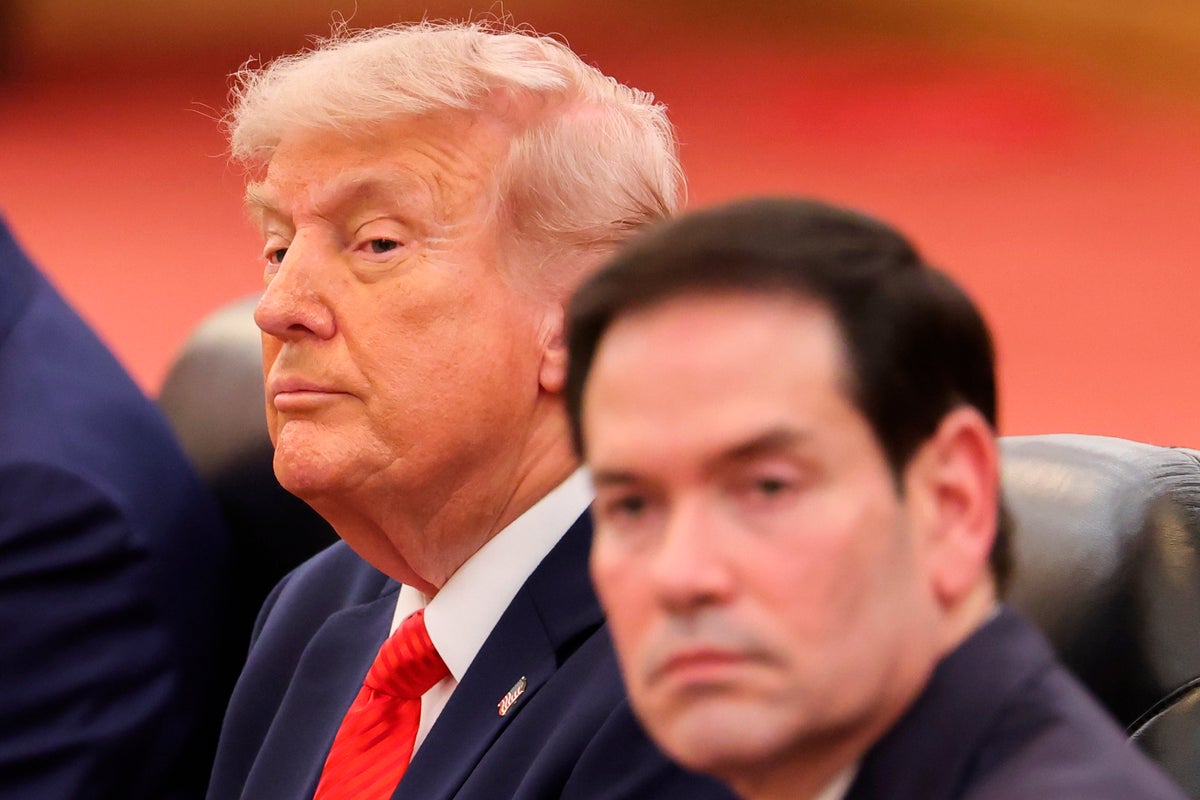
Iran-US war latest: Trump says he will not be rushed into peace deal as he warns Tehran over nuclear weapons Trump said talks were progressing and the US relationship with Iran had become more professional and productive
independent · 4 days ago

Trump Says He Is in No Rush for an Iran Deal That Is Far From Finished A senior administration official said the agreement in principle would see the U.S. lift its blockade in exchange for Iran reopening the Strait of Hormuz.
wsj · 4 days ago
Republican hawks warn of disastrous mistake as Trump nears deal with Iran Trump insists US wont rush talks with Tehran after rebukes from Republicans, including Ted Cruz and Lindsey GrahamRepublican hawks have issued a rare rebuke of Donald Trump over his planned peace deal with Iran, describing it as a disaster and questioning why the US president launched the war in the first place.Allies of Trump who strongly backed his controversial decision to order war on Iran alongside Israel urged him to hold the line this weekend, despite mounting economic costs and no sign of progress on many of the the initial objectives set out by his administration. Continue reading...
theguardian · 4 days ago
🇺🇸🇮🇷🇵🇰- According to Fox News, a senior Trump administration official confirmed that no deal will be signed today but that significant progress has been made. ➡️ On nuclear issues, the official was firm: "If we have a final deal where the Iranians are enriching, then you dont have a final deal," stressing that any agreement must eliminate Irans path to a nuclear weapon. ➡️ On the Strait of Hormuz, the official rejected Fars News reports suggesting Iran would control vessel numbers, stating that "we do not think a toll is an acceptable outcome" for the waterway through which approximately 20 of global oil trade passes.
telegram bot · 4 days ago
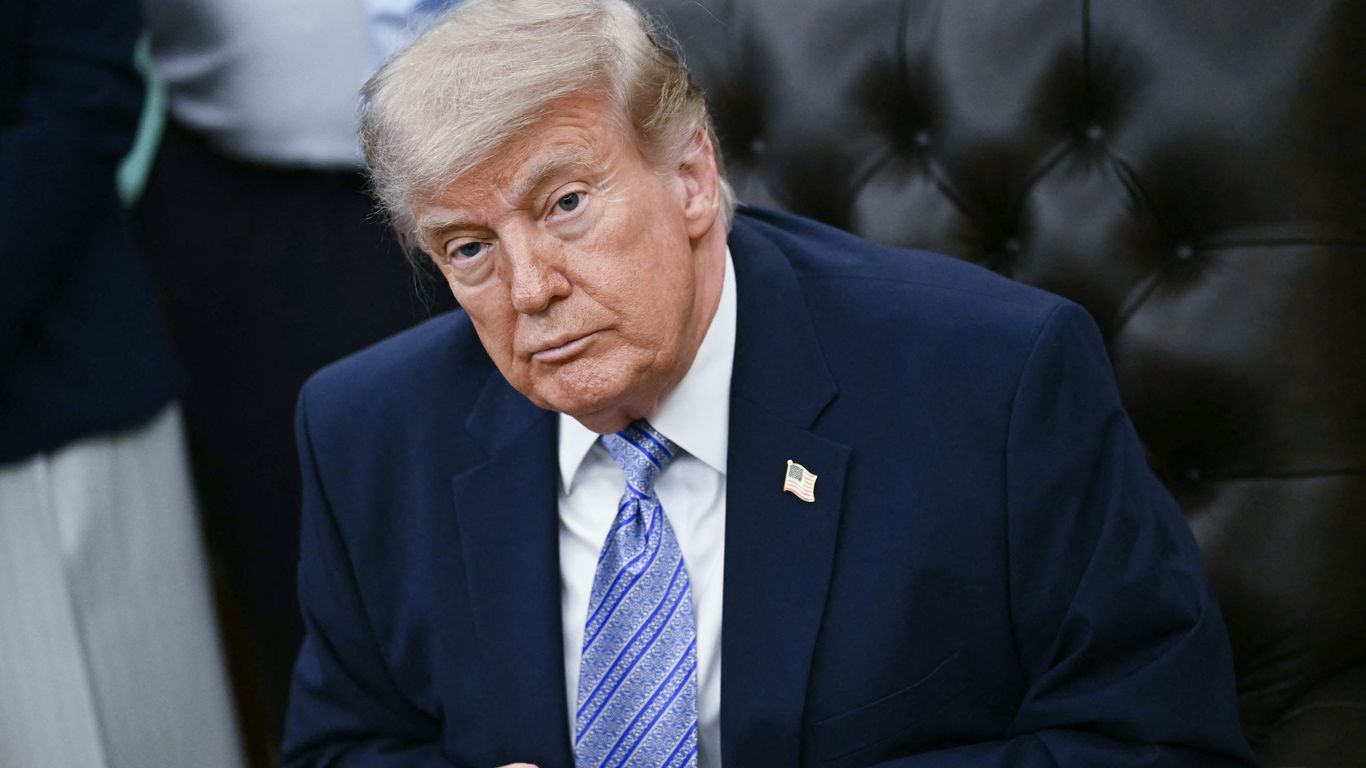
White House says Iran deal could take days The White House doesnt expect an agreement to end the war with Iran Sunday and thinks it could take several days for the deals approval by Irans leadership, including Supreme Leader Mojtaba Khamenei, a senior U.S. official said in a briefing with reporters. Why it matters: While U.S. officials are optimistic that a deal will be signed within days, they also acknowledge it has not been finalized and could still fall apart.The deal would avoid an escalation of the war and decrease the pressure on the global oil supply. However, its unclear whether it will lead to a lasting peace agreement that also addresses President Trumps nuclear demands.President Trump told his "representatives not to rush into a deal" with Iran, he announced Sunday on Truth Social, saying "both sides must take their time and get it right."This is a developing story. Check back for updates
axios · 4 days ago
JUST IN: 🇺🇸🇮🇷 President Trump says he told US negotiators not to rush into a deal with Iran. @BRICSNews
telegram bot · 4 days ago
🇺🇸🇮🇷🇵🇰- Donald Trump posted on Truth Social: One of the worst deals ever made by our Country was the Iran Nuclear Deal, put forth and signed into existence by Barack Hussein Obama and the rank amateurs of the Obama Administration. It was a direct path to Iran developing a Nuclear Weapon. Not so with the transaction currently being negotiated with Iran by the Trump Administration - THE EXACT OPPOSITE, in fact! The negotiations are proceeding in an orderly and constructive manner, and I have informed my representatives not to rush into a deal in that time is on our side. The Blockade will remain in full force and effect until an agreement is reached, certified, and signed. Both sides must take their time and get it right. There can be no mistakes! Our relationship with Iran is becoming a much more professional and productive one. They must understand, however, that they cannot develop or procure a Nuclear Weapon or Bomb. I would like to thank, thus far, all of the countries of the Middle East for their support and cooperation, which will be further enhanced and strengthened by their joining the Nations of the historic Abraham Accords and, who knows, perhaps the Islamic Republic of Iran would like to join, as well! Thank you for your attention to this matter. President DONALD J. TRUMP @GeoPWatch
telegram bot · 4 days ago
Iran says no deal without frozen asset release as nuclear commitments denied Details of a potential US-Iran deal are emerging, with a 60-day ceasefire extension and Strait of Hormuz reopening among the reported terms, as Trump says the agreement is largely negotiated.
intellinews · 4 days ago