 Friday, May 22Friday, May 22
Negotiations and Mediation Efforts in Tehran Over the Strait of Hormuz and Nuclear Program Talks between Iran and the U.S. to reopen the Strait of Hormuz and address Iran’s nuclear program are reaching a critical phase, with multiple mediators—including Qatar, Pakistan, Saudi Arabia, Egypt, and Turkey—involved. Qatar has dispatched mediators to Tehran to facilitate an agreement that could lead to a 30-day negotiation period on Iran’s nuclear program, potentially deferring U.S. demands for Iran to surrender its highly enriched uranium . Pakistani Field Marshal Asim Munir is also traveling to Tehran to finalize a letter of intent aimed at ending the conflict and establishing principles for broader negotiations, though Iran’s willingness to sign remains uncertain .
A potential deal, reportedly nearing announcement, includes an immediate ceasefire and mutual commitments, though key disputes persist, particularly over Iran’s nuclear stockpile and control of the Strait of Hormuz . U.S. Secretary of State Marco Rubio acknowledged "slight progress" but emphasized that Iran must not be allowed to impose tolls on the strait or retain its highly enriched uranium .
Iran’s Assertion of Control Over the Strait of Hormuz Iran has escalated tensions by unveiling a new map of the Strait of Hormuz, claiming expanded jurisdiction over waters traditionally controlled by the UAE and Oman. The move has prompted formal warnings from five Gulf states to shipping companies, urging non-compliance with Iran’s territorial claims . Iran has also discussed implementing a permanent toll system for the strait with Oman, despite U.S. opposition . Rubio explicitly condemned Iran’s toll plans, framing them as a non-negotiable obstacle to any agreement .
Sticking Points: Uranium and the Strait of Hormuz The U.S. and Iran remain deadlocked over two primary issues: Iran’s stockpile of highly enriched uranium and its control over the Strait of Hormuz. While mediators believe a permanent ceasefire is within reach, these disputes continue to stall progress . Iran’s recent claim of 35 ships exiting the strait has further fueled tensions, with Rubio reiterating U.S. opposition to any toll system . Analysts suggest Iran’s expanded territorial claims are a deliberate strategy to assert dominance over the waterway .
> Background: **US-Iran talks progress but stall over Strait of Hormuz control** — *10 hours ago*
More LFE coverage on this topic

Qatar sends mediators to Tehran in sign talks to reopen strait of Hormuz are reaching climax Iran has threatened to impose tolls on shipping, while US demands that Iran hand over its highly enriched uranium may be deferred. Is there an end in sight?Qatar has rushed a team of mediators to Tehran in a sign that talks to open the strait of Hormuz, in return for US sanctions and asset freezes being lifted, are reaching a climax.The aim would be to sign a memorandum of understanding on the strait that would lead to 30 days of talks on Irans nuclear programme – so deferring discussion of the US demand that Iran hand over its stockpile of highly enriched uranium. Continue reading...
theguardian · about 3 hours ago

Guerra in Iran, le news. Al Arabiya: Annuncio accordo Iran-Usa in prossime ore, subito in vigore Rubio: Lievi progressi nei colloqui di pace con Teheran, è positivo. Emirati: La possibilità di arrivare a un accordo è di 50 e 50. Nyt: lIran discute con lOman sistema di tariffe per lo Stretto di Hormuz
corriere · about 5 hours ago
Guerra in Iran, le news. Rubio: Lievi progressi nei colloqui di pace con Teheran, è positivo Emirati: La possibilità di arrivare a un accordo è di 50 e 50. Nyt: lIran discute con lOman sistema di tariffe per lo Stretto di Hormuz
corriere · about 5 hours ago
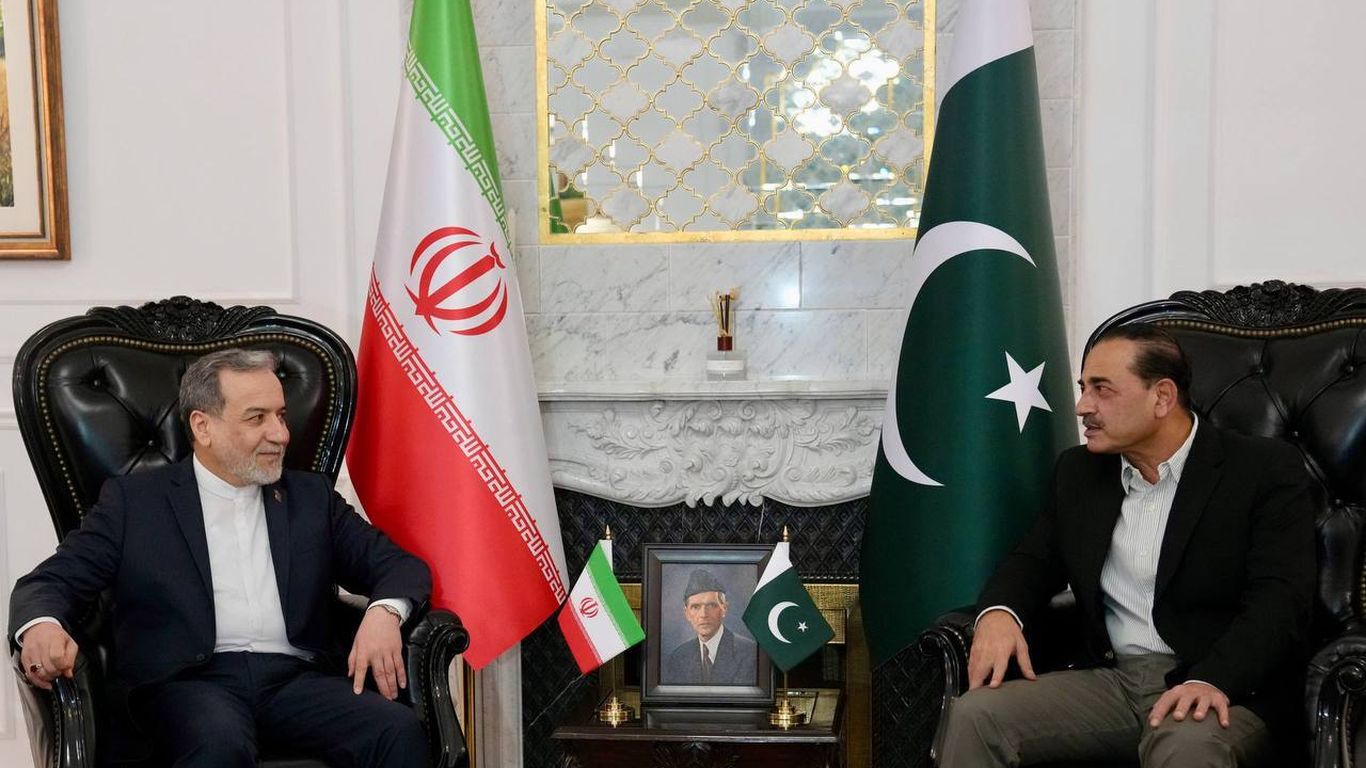
Pakistani field marshal heads to Tehran to try to seal U.S.-Iran deal Pakistans top military commander, Field Marshal Asim Munir, is traveling to Tehran on Friday in an effort to reach a deal under which the U.S. and Iran would agree to end the war and launch negotiations for a broader agreement, a Pakistani security source told Axios.Why it matters: Munir has been the lead mediator between the U.S. and Iran since the war began. The fact that he is heading to Tehran after several days of lower-level talks could signal a final push by Pakistan to try to get a deal.Driving the news: The mediators are trying to finalize a letter of intent that includes an agreement to end the war and principles for another 30 days of negotiations on a broader deal that would also address Irans nuclear program. Pakistan, Qatar, Saudi Arabia, Egypt and Turkey have all been involved in the mediation.It has remained unclear whether Iran would be willing to sign such a document at a time when some in Tehran appear to believe the leverage is on their side.What theyre saying: Theres been some slight progress. I dont want to exaggerate it, but theres been a little bit of movement, and thats good, Secretary of State Marco Rubio said on Friday. He added that the fundamental demand is that Iran can never have a nuclear weapon. It just cannot.Rubio said a deal would have to address Irans stockpile of highly enriched uranium and enrichment policy going forward.He also said Iran must not be allowed to set up tolls in the Strait of Hormuz, after Iran reiterated its intention to establish such a system on Thursday.Go deeper: Trump bleeds votes in Congress to keep Iran war going
axios · about 5 hours ago

Iran unveils new map of Strait of Hormuz to show its control over expanded stretch of waterway Iran has unveiled a new map of the Strait of Hormuz which it says shows the area of the vital waterway under its control.
dailymail · about 7 hours ago
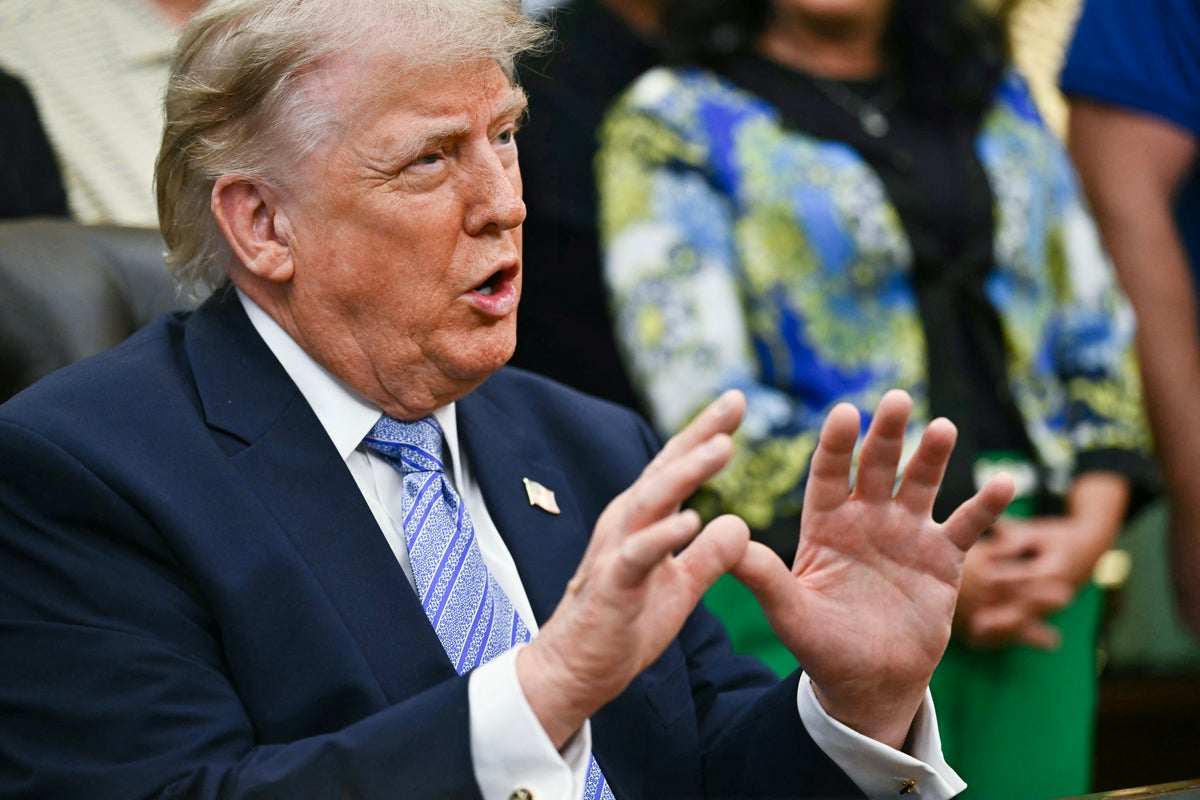
Uranium, sanctions and the Strait of Hormuz: The key issues preventing the US and Iran from agreeing a peace deal Iran and the United States are held in an impasse over several key issues, blocking serious talks to end the war. James C. Reynolds and Alex Croft report
independent · about 7 hours ago

Iran says 35 ships exited Strait of Hormuz - Rubio condemns tolls
news.yahoo.com · about 7 hours ago
Uranium and control of strait of Hormuz key as talks to end US-Iran war continue Pakistani mediators believe permanent ceasefire within reach although major points of disagreement remainFuture control over the strait of Hormuz and a demand from Washington that Tehran export its stockpile of highly enriched uranium remain key stumbling blocks, as Pakistani mediators continued to seek a permanent ceasefire they believe is still within reach between the US and Iran.Meanwhile, Israel and Iran each fear the other is about to launch a surprise attack on its territory while the US president, Donald Trump, continues to insist a fresh assault on Iran is an option available to him. Continue reading...
theguardian · about 7 hours ago
US-Iran Deal Could Be Announced Within Hours, Report Says The final draft of a possible deal between the United States and Iran, mediated by Pakistan, is expected to be announced within hours, Al Arabiya sources said on Friday. Its key terms were exclusively obtained by the network and include the following: Immediate, comprehensive, unconditional ceasefire on all fronts, including land, sea, air Mutual commitment […]
greek reporter · about 8 hours ago
Iran asserts jurisdiction over UAE and Oman waters in new Strait of Hormuz map Five Gulf states have formally warned shipping companies through the IMO not to comply, as analysts say Iran is deliberately expanding its claimed zone beyond even its own initial boundaries in a step-by-step assertion of territorial control.
euronews · about 8 hours ago
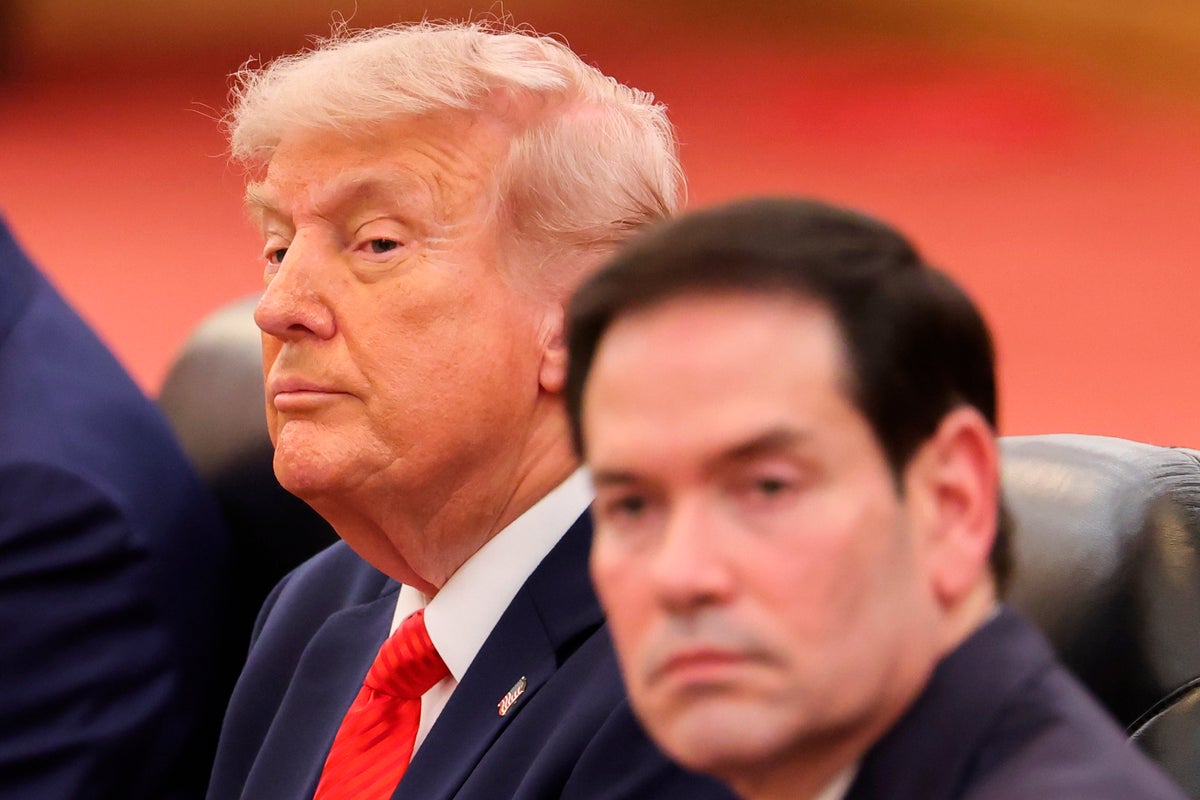
Iran-US war latest: Tehran and Oman discuss permanent Strait of Hormuz toll despite Trump warnings Tehran says the gap in position with Washington has narrowed - but the Strait of Hormuz remains a sticking point
independent · about 11 hours ago
U.S., Iran signal peace progress — but remain at odds over enriched uranium, Strait of Hormuz tolls U.S. Secretary of State Marco Rubio on Thursday said there were good signs that an agreement to end the Middle East conflict is in sight.
cnbc · about 11 hours ago