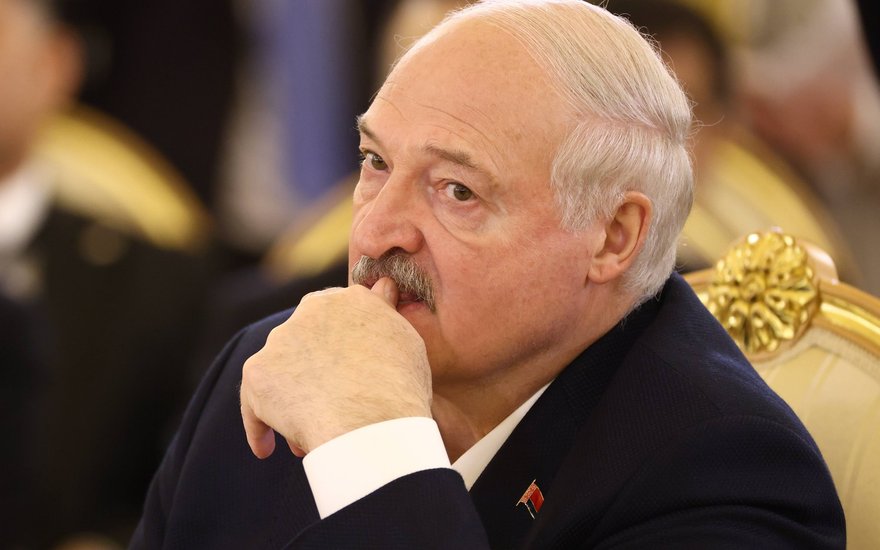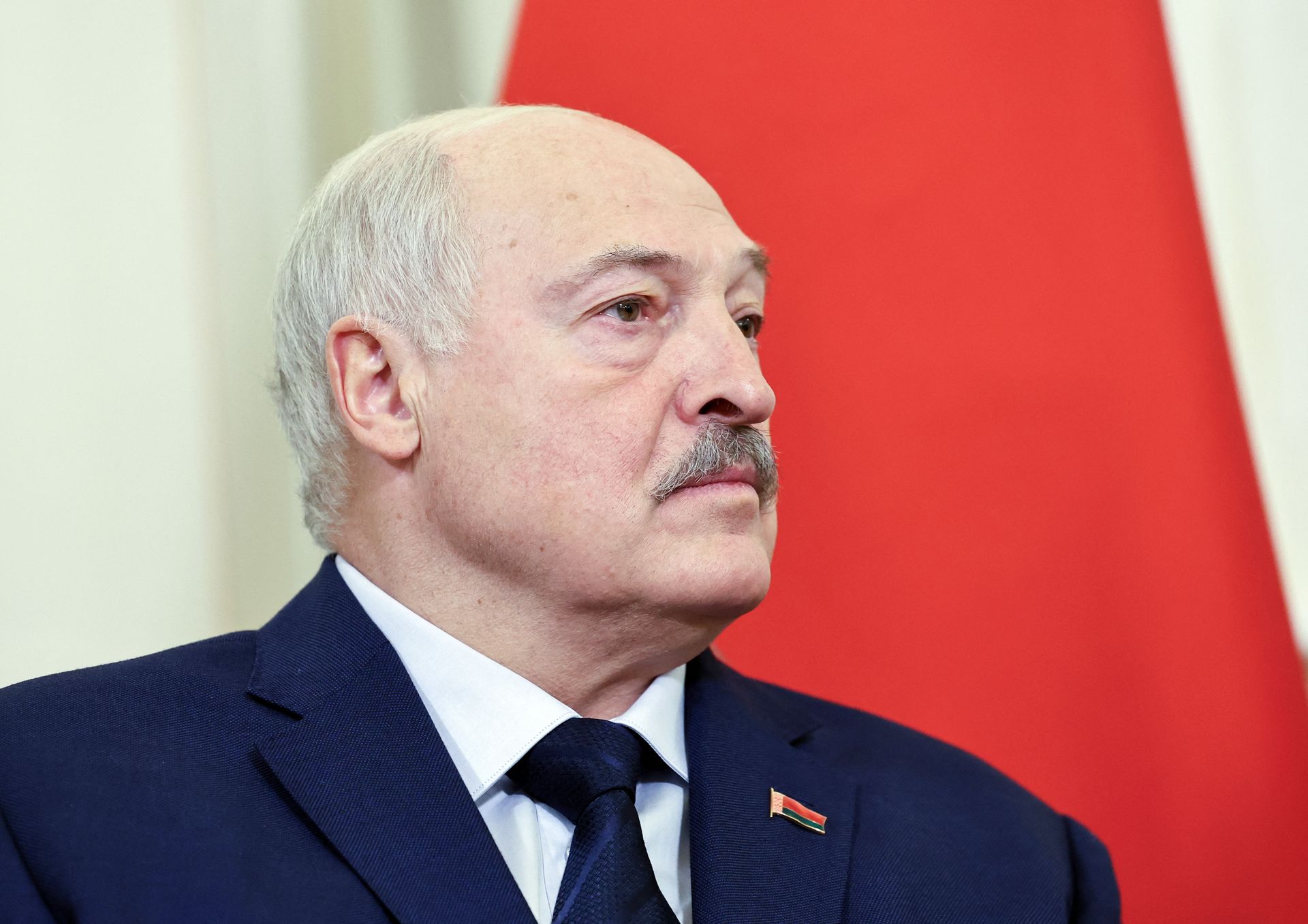
Belarusian President Alexander Lukashenko has ordered a snap inspection placing the country's army and border guard units on the highest level of combat readiness near the Ukrainian border, officials said on Monday.
Security Council State Secretary Alexander Volfovich announced on Monday that all units of the State Border Committee, including those stationed along the borders with Poland and Ukraine, have been placed on full combat readiness. The unscheduled inspection, ordered directly by Lukashenko, focuses on the border service's rapid-response units.
The inspection includes field exercises in which units will conduct marches and repel simulated attacks by enemy sabotage and reconnaissance groups. Soldiers will also be tested on firearms proficiency, physical fitness and tactical skills, with results to be reported to Lukashenko.
The move follows Ukrainian warnings about Russia's efforts to deepen Belarus's involvement in the war. In May, President Volodymyr Zelensky said Moscow was seeking to draw Belarus into further acts of aggression against Ukraine. In August, Deputy Head of the Presidential Office Pavlo Palisa said Russia's military leadership had been tasked with preparing operational scenarios for an offensive in northern Ukraine. Kyiv and Chernihiv oblasts were identified as key areas.
Belarusian opposition in exile handed Zelensky a list of warning signs on June 22 indicating that Minsk may soon enter Russia's war. Minsk is also building new railway infrastructure in the southern Gomel region capable of receiving military trains carrying personnel and heavy equipment, according to the Belarusian Railway Workers' Community.
"We see the development of the situation near our borders," Volfovich said. "Our security depends on the cohesion, professionalism, skills, abilities and actions of the border services." State Border Guard Service head Konstantin Molostov said the inspection was "an opportunity for us to test ourselves, to demonstrate our readiness and determination in carrying out tasks related to the protection of the state border."