
Ireland issues high temperature warning for twelve counties as heatwave grips western Europe
Story Timeline
3 months · 14 summary articles
A status yellow high temperature warning has been issued for 12 counties in Ireland as a prolonged heatwave grips western Europe, with Met Éireann forecasting temperatures to exceed 27°C through Sunday. The warning covers Carlow, Kildare, Kilkenny, Laois, Longford, Meath, Offaly, Westmeath, Wexford, Limerick, Tipperary and Waterford from 1pm on Friday to 7am on Sunday, citing risks of heat stress, dehydration, and uncomfortable sleeping conditions—particularly for vulnerable groups. A national weather advisory remains in effect until Tuesday, with temperatures expected to reach 21-29°C on Friday, peaking at 29°C in the south. Saturday will bring another very hot day, though cooler in the north, while Sunday will see widespread sunshine and highs of 22-29°C. Nighttime temperatures will struggle to drop below 14-19°C, exacerbating the strain on public health systems.
The heatwave coincides with record-breaking temperatures across the continent. The UK’s Met Office confirmed 34.4°C was recorded in Surrey on Thursday, surpassing the previous record of seven consecutive days above 34°C set in 1976 and 2020. European forecasters also confirmed last month as western Europe’s hottest June on record and the second hottest globally . In France, the government activated its first-ever "extreme heat" ORSEC emergency plan as nine departments entered red alert status, with temperatures forecasted to reach 38-40°C in parts of the southwest . Spain, meanwhile, recorded 42°C in multiple regions earlier this week, with wildfires killing 12 people in the south .
The crisis has exposed vulnerabilities in public health infrastructure. In Germany, where temperatures are expected to reach 30°C in Berlin and Brandenburg this weekend, emergency services reported being overwhelmed by heat-related incidents. Vinzenz Kasch of the Berlin Fire Brigade called for increased personnel, stating, “We’ve never experienced anything like this before” . Germany’s Federal Environment Agency reported over 5,000 heat-related deaths during June’s heatwave, highlighting the disproportionate impact on elderly, chronically ill, and low-income populations .
The economic toll is also mounting. In Germany, demand for air conditioners has surged, with retailers reporting shortages and prices soaring to €800 for portable units. A developer in southwestern Germany created an interactive map, *braucheklima.de*, to help consumers locate the last available units, describing the scramble as akin to “trying to buy a Bad Bunny concert ticket” . Meanwhile, Spain’s agricultural sector faces severe losses, with fruit production expected to drop by half due to frost, drought, and extreme heat .
Climate scientists warn that such events are becoming the new normal. The EU’s Copernicus Climate Change Service confirmed June 2026 as western Europe’s hottest June on record, with temperatures 3.4°C above the 1991-2020 average . The heatwave follows a pattern of intensifying extreme weather events across the continent, from wildfires in France to record-breaking temperatures in the UK and Scandinavia. As the crisis deepens, policymakers are under pressure to move beyond emergency responses and invest in long-term adaptation strategies, including urban cooling infrastructure and heat-resilient housing.
Follow us for live European news
- 2
- 2
- 1
- 1
- 1
- 1
- 1
- 1
- 1
- 1
- 1
- 1
- 1
5 further sources not geolocated
Articles

Meteorologii se așteaptă la o iarnă grea în Europa. Cele trei fenomene-cheie care pot aduce valuri de ger și ninsori puternice Europa ar putea avea o iarnă grea, cu valuri de ger și ninsori abundente, arată primele prognoze ale Severe Weather Europe. Estimările pe termen lung arată un vortex polar slăbit, din cauza fenomenului El Nino, al tiparelor vântului din stratosferă și cantității tot mai mici de gheață din Arctica. Aceste trei elemente ar urma să influențeze condițiile meteo din Statele Unite, Canada și Europa.
digi24 · about 2 months ago
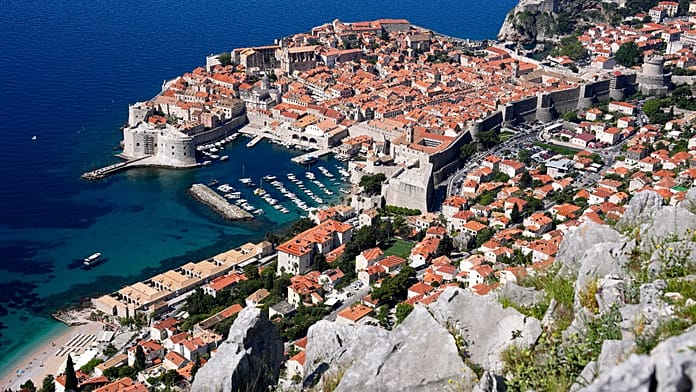
This Croatian island has a centuries-old way to beat the summer heat On the Adriatic island of Rab, traditional stone houses, shaded streets and long-established daily routines help residents cope with summer heat.
euronews · about 2 months ago
Peak heat in Europe just broke historic 1970s records
gdeltproject.org · about 2 months ago
Bis zu 30 Grad Celsius: Hohe Temperaturen am Wochenende in Berlin und Brandenburg erwartet Berlin und Brandenburg erwartet ein sommerliches Wochenende: Der DWD rechnet mit Sonne und hohen Temperaturen. An einem Tag sind bis zu 30 Grad möglich.
tagesspiegel · about 2 months ago
Türkiyes Lake Tuz turns striking red as summer heat intensifies Lake Tuz, one of Türkiyes largest saline bodies, has transformed into vivid shades of red and pink amid rising summer temperatures and accelerated evaporation. The striking colour shift, observed on June 27, 2026, results from microalgae and bacteria producing protective pigments as salinity levels peak, drawing visitors to the region.
yenisafak · about 2 months ago

Mon royaume pour une clim Comme en France, des records historiques de températures ont été battus en Allemagne durant lépisode caniculaire de la fin du mois de juin. Cet article de la Süddeutsche Zeitung raconte la difficile quête dun climatiseur, et la révolution culturelle à lœuvre outre-Rhin.
courrier international · about 2 months ago
EN DIRECT - Canicule : le gouvernement déclenche pour la première fois un plan Orsec «chaleurs extrêmes» La France compte désormais neuf départements en vigilance rouge, avant de passer à vingt-quatre, samedi. Météo France prévoit pour aujourdhui «38 à 40°C du Poitou-Charentes au sud des régions Pays-de-la-Loire et Centre-Val-de-Loire»
liberation · about 2 months ago
Todays weather: Largely sunny, rain possible in mountains Fridays weather will be mostly sunny across most of the island for most of the day, though this will be tempered by the possibility of rain in the mountains during the afternoon. Temperatures will rise to 37 degrees Celsius inland, 34 degrees Celsius on the north coast, 32 degrees Celsius on the rest of the […]
cyprus mail · about 2 months ago
Wind turbine loses blade during test run in Latvia A loud noise, reminiscent of thunder, shook the Karosta neighbourhood in Liepāja on Wednesday evening. Although strong winds were battering the city in Kurzeme, the cause this time was different: during equipment testing at the Rapsoil wind farm, the blade of one turbine snapped and fell. The rotor is located on the outskirts of the city; no one was injured, TV Kurzeme reports.
lsm latvia · about 2 months ago
‚Máme třicet stromů a z toho čtyři meruňky. Čeští ovocnáři letos čelili mrazům, suchu i vlně veder Českého ovoce bude letos o polovinu méně než obvykle. Ukazují to odhady ministerstva zemědělství. Škody letos napáchalo vedle jarních mrazů také sucho a nedávná vlna veder. Odborníci varují, že se změnou klimatu může k podobným scénářům docházet i v následujících letech. Nižší úrodu očekávají také v Moravském Žižkově na Břeclavsku.
irozhlas.cz · about 2 months ago
Airco of warmtepomp: wat koelt beter en wat is beter voor je portemonnee? Er komen opnieuw hete dagen aan. Voor velen opnieuw een reden om te bedenken hoe het huis koeler kan worden. Naast zonwering misschien een airco, of toch beter een warmtepomp die ook kan koelen? RTL Nieuws zet de opties op een rij. "Ik denk dat in bijna alle huishoudens deze discussie speelt."
rtl nieuws · about 2 months ago
ANM anunță cum va fi vremea până pe 10 august. Estimări meteo pentru următoarele patru săptămâni Vremea din următoarele patru săptămâni, în intervalul 13 iulie - 10 august, va aduce temperaturi apropiate de cele normale pentru această perioadă, însă în vestul țării sunt așteptate episoade mai calde, mai ales la începutul lunii august. Ploile vor fi mai frecvente în est în a doua parte a lunii iulie, în timp ce vestul și nord-vestul se vor confrunta cu un deficit de precipitații, potrivit prognozei emise vineri de Administrația Națională de Meteorologie (ANM).
digi24 · about 2 months ago

Met Éireann issues high-temperature warning for 12 counties as heatwave grips Ireland Weekend temperatures expected to tip 29 degrees in some areas
irish times · about 2 months ago

#EuropeClimate Analytics also shows how uneven these income losses can be. The poorest 20 of households face income losses of around 4, roughly 2 percentage points more than the rest of the population, whose losses range from 1.1 to 1.8. In regions exposed to frequent heatwaves and droughts between 2004 and 2022, estimated household income reductions reached almost 10 in Madrid, 9.4 in Central Hungary, and 8.8 in Central Spain #pollution #climate
mastodon bot · about 2 months ago
Western Europe records hottest June on record, EU scientists say
gdeltproject.org · about 2 months ago
Kesä | Hyttyset loistavat poissaolollaan osassa Suomea Etelä-, Keski- ja Itä-Suomessa hyttysiä on ollut tavanomaista vähemmän hyönteistutkija Marko Mutanen kertoo.
helsingin sanomat · about 2 months ago
Opnieuw bloedheet: hier moet je op letten om je apparaten (en jezelf) te beschermen Een blazende computer die trager werkt, of een accu waar je een eitje op zou kunnen bakken: je apparaten in huis kunnen het zwaar te verduren krijgen als het warm weer is. Hier moet je rekening mee houden in huis.
rtl nieuws · about 2 months ago
38 degrees, clear weekend ahead On Friday, 10th of July, skies are expected to be mainly clear, according to the Department of Meteorology. In the afternoon hours, clouds are expected to develop, which could result in isolated rains or storms, mainly in the mountainous areas. Winds will be 3 Beaufort at first, gradually changing to 4 Beaufort, with a temporary […]
in-cyprus · about 2 months ago

Heatwave across western Europe – in pictures #Europe #ExtremeHeat #Environment #ClimateCrisis
mastodon bot · about 2 months ago
Dry and hot weather to begin in Latvia Sunday Starting Sunday, the weather in Latvia will become drier and warmer, and will often be even hot, according to forecasts by weatherman Toms Bricis.
lsm latvia · about 2 months ago
Diana Buzoianu anunță controale pe litoral: Operatorii trebuie să lase măcar 30 liber pe linie, chiar dacă au inchiriat plaja Ministrul interimar al Mediului, Diana Buzoianu, a declarat, joi seară, că vor fi mai multe controale pe plajele de pe litoral şi că au dispărut deja construcţiile ilegale şi rândurile pline de şezlonguri. Operatorii trebuie să lase 30 la sută liber pe linie pe plajă, pentru cei care vor să stea pe prosop. Diana Buzoianu a precizat că vor fi plantate şi perdele forestiere pe litoral.
digi24 · about 2 months ago
La stazione meteo più antica: Da 150 anni con il naso allinsù, siamo la memoria delle Alpi Dal 1876 losservatorio di Balme misura temperature e precipitazioni: Il nostro archivio delle nevi dimostra lo stravolgimento del clima
corriere · about 2 months ago
H5 bird flu detected in Australian seabird for first time Scientists have detected the highly contagious H5 bird flu in an Australian seabird for the first time, the government said Friday. Australia was for years the only continental…
japantoday · about 2 months ago
Danish zoo to let guests swim with penguins Starting Thursday, visitors at Pangea Park Falster can swim with the parks Humboldt penguins in their own enclosure. According to the park, this is the closest penguin experience in Europe. The activity takes place after closing time in groups of up to five people per day. Guests will wear wetsuits and have the opportunity to […]
cphpost · about 2 months ago
Sun and beach weather await in warm, calm weekend Danes can look forward to a warm, sunny, and dry summer weekend with temperatures reaching up to 28 degrees. On Friday, most of the country will start with plenty of sun and temperatures between 21 and 27 degrees, though fog may affect parts of Jutland. Saturday will also begin with fog over large parts of […]
cphpost · about 2 months ago
Sommerliche Hitze: Oben ohne in der Öffentlichkeit: Ist das erlaubt? Wer ohne T-Shirt durch die Stadt läuft, kann damit eine Ordnungswidrigkeit begehen. Allerdings hängt die Bewertung immer von der jeweiligen Situation und der Umgebung ab. Was wann gilt.
handelsblatt · about 2 months ago
Canicule : face aux températures en roue libre, un Tour de France à mettre à jour ? A chaque étape, cyclistes et spectateurs sont confrontés à des chaleurs caniculaires. Face à ce climat, certains se demandent jusquà quand la Grande Boucle pourra être organisée dans ces conditions.
liberation · about 2 months ago

Secret farmers lore on 10 July: how severe this summers heat will be 10 July is a little-known traditional farmers weather day that predicts the coming weeks conditions and possible further heat. So why do meteorologists also regard the so-called Seven Brothers Day as fairly reliable?
euronews · about 2 months ago

High-temperature warning to kick in across 12 counties as heatwave descends on Ireland Weekend temperatures expected to tip 29 degrees in some areas
irish times · about 2 months ago
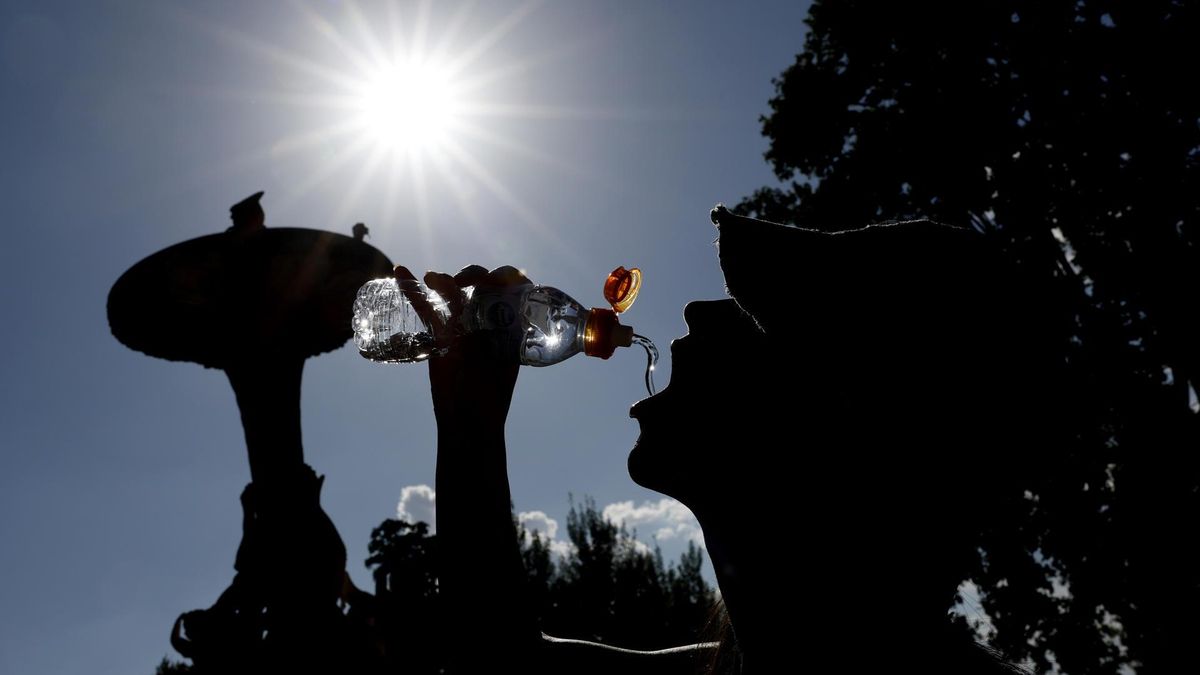
El calor sigue en Madrid con hasta 38 grados y aviso amarillo, con tormentas en la Sierra Las máximas sufrirán un ligero descenso, aunque seguirán siendo significativamente altas, con hasta 38 grados en Aranjuez, y 35 grados en la Sierra o en la capitalAdiós a la ola de calor: las temperaturas bajan, pero se superarán los 35 grados en amplias zonas Las temperaturas altas se mantienen en la Comunidad de Madrid con máximas que llegarán hasta los 38 grados tras un ligero descenso, pero con tormentas en la Sierra que podrían ir acompañadas de granizo, según la previsión de la Agencia Estatal de Meteorología (AEMET). De hecho, esta jornada de viernes 10 de julio, la Aemet mantiene el aviso amarillo por temperaturas altas durante las horas centrales en el área metropolitana, Henares, sur, vegas y oeste, mientras la alerta en la Sierra será principalmente por las tormentas, que podrían ir acompañadas localmente de granizo y de rachas fuertes. En cuanto a las temperaturas, las máximas sufrirán un ligero descenso, aunque seguirán siendo significativamente altas, con hasta 38 grados en Aranjuez, y 35 grados en la Sierra o en la capital. Las mínimas, por su parte, no tendrán grandes cambios o solo tendrán ascensos locales, oscilando entre los 19 y 22 grados. Posibles rachas fuertes con tormenta en la Sierra En esta jornada de viernes, los cielos tendrán intervalos de nubosidad alta, que se despejarán al final de la tarde, y que podrían ir acompañados de nubosidad media en las primeras horas y de evolución diurna en las horas centrales. En lo que respecta al viento, soplará flojo variable que tiende a componente sur, algo más intenso durante las horas centrales, además de que no se descarta alguna racha fuerte asociada a la actividad tormentosa. Durante el fin de semana, el sábado se llegarán a los 39 grados y todavía se mantendrán los avisos, sin embargo, el domingo las máximas bajarán hasta los 37 y 33 grados, sin ya alertas.
eldiario.es · about 2 months ago