Loading…
 Saturday, September 26Saturday, September 26
4 months · 17 summary articles
Prime minister-designate Adrian Veștea announced on Thursday that he will seek the presidency of Romania’s ruling National Liberal Party (PNL), escalating a leadership crisis within the party as he delays the formation of a new government. In a message to party members, Veștea called for a one-week postponement of PNL’s congress and declared his candidacy for the party’s top post, framing the move as necessary to bring “profound change in perspective” to the beleaguered formation.
Veștea, who was tasked by President Nicușor Dan to form a government, had previously announced on Wednesday that he would temporarily pause negotiations with political parties while finalizing the governance program and cabinet list. By Thursday afternoon, however, he reversed course, stating that he would continue talks “until the completion of the governance program and the government team,” cautioning against “decisions dictated by emotion or haste” .
The announcement comes amid a widening rift in PNL, with former deputy leader Cătălin Predoiu warning on Wednesday that Romania risks missing “historic opportunities” due to the delay in forming a fully mandated government. Predoiu, who resigned from PNL’s leadership on Tuesday, cautioned that prolonged uncertainty could undermine the country’s strategic position in major connectivity projects linking Europe, Asia, and the Middle East over the coming decades .
Veștea’s bid for the PNL presidency follows his earlier decision to delay submitting the government program and ministerial list to parliament, a move that underscores the deepening instability within both the party and the executive branch. His call for a one-week postponement of the party congress—currently scheduled for next week—signals an attempt to consolidate support before a potential leadership vote, though it risks further fracturing the already divided PNL.
The premier-designate’s strategy appears to prioritize negotiation over immediate action, reflecting broader tensions within the coalition government and the broader political landscape. Analysts suggest that Veștea’s dual gambit—seeking party leadership while prolonging government formation—could either stabilize his position or accelerate the unraveling of PNL’s governing mandate. The coming days will determine whether his approach succeeds in bridging internal divides or deepens the crisis further.
Follow us for live European news

GERRY KONNOV ⟩ Pöördumine president Karise poole: Eesti ei vaja praegu poliitilist vegeteerimist Riigikogu 2023. aasta valimiste järel jäi Eestis kõlama üks keskne sõnum: inimesed tahtsid stabiilsust, kindlat juhtimist ja valitsust, kes suudaks keerulisel ajal riiki koos hoida. Toonane valimistulemus andis koalitsioonile tugeva mandaadi ning haruldaselt mugava positsiooni Eesti poliitikas. Valijad usaldasid neid juhtima riiki ajal, mil Euroopa julgeolekuolukord oli pingeline, majandus surve all ning inimeste toimetulek järjest keerulisem, kirjutab Gerry Konnov (Isamaa).
postimees · 3 months ago
JUHTKIRI ⟩ Spordi hauderahu Eesti Olümpiakomitee (EOK) täiskogu valis neljapäeval ülekaalukalt, 79 häälega 113st uueks presidendiks Erich Teigamäe. Seega on turbulentsest perioodist ilmselgelt väsinud EOK teinud täispöörde: meenutame, et 2024. aastal kaotas toonane EOK asepresident Teigamägi juba esimeses voorus Urmas Sõõrumaale ja Kersti Kaljulaidile.
postimees · 3 months ago
Prokopovy nepřiznané byty ho stály funkci předsedy kontrolního výboru. Odvolali ho zastupitelé Prahy Pražští zastupitelé ve čtvrtek odvolali z funkce předsedy kontrolního výboru zastupitelstva Ondřeje Prokopa (ANO) kvůli jeho kauze nepřiznaných bytů. Na jeho místo zvolili dalšího zastupitele hnutí Jana Hušbauera.
irozhlas.cz · 3 months ago
Slovenský parlament podle očekávání vyslovil důvěru úřadující vládě premiéra Roberta Fica Slovenský parlament podle očekávání vyslovil důvěru úřadující vládě premiéra Roberta Fica. Kabinet sám hlasování vyvolal v souladu se zákonem o rozpočtové zodpovědnosti kvůli vysokému dluhu země. Ze 132 přítomných poslanců podpořilo vládu 78 zákonodárců, opozice byla proti nebo se nezúčastnila.
irozhlas.cz · 3 months ago
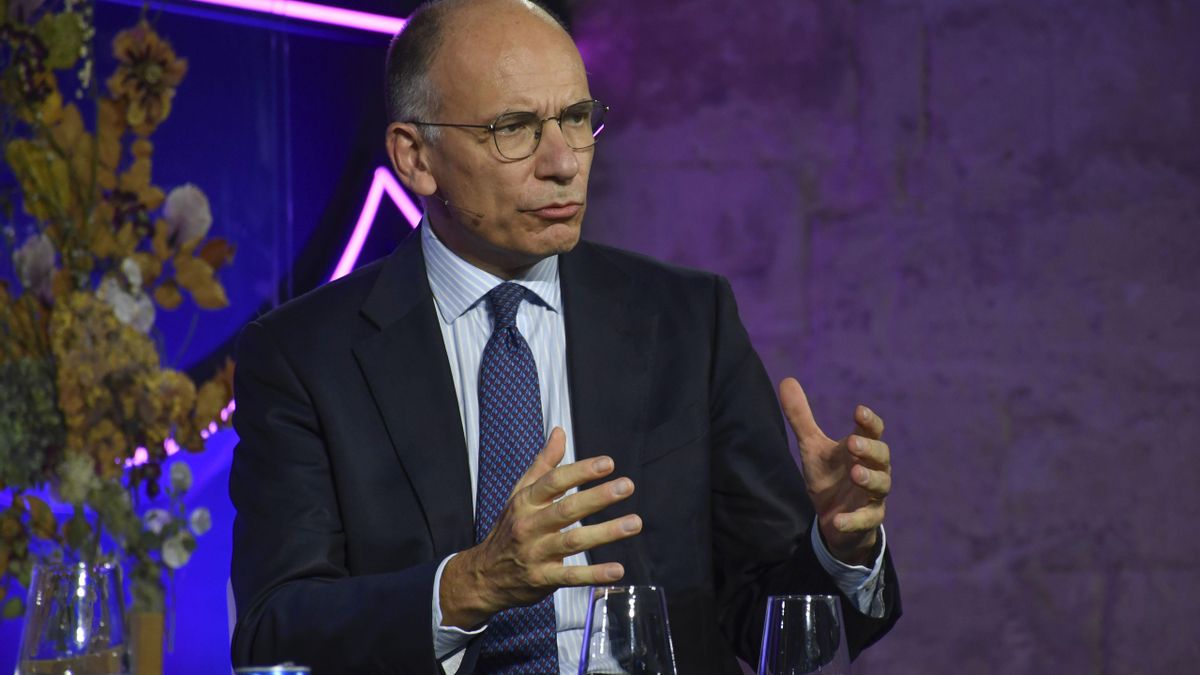
Naturgy ficha al ex primer ministro italiano Enrico Letta como consejero independiente El grupo energético también ha aceptado la renuncia de tres consejeros de CVC, tras la salida del fondo del accionariado; y el cambio de representante en el órgano de dirección de la firma IFMEl fondo CVC encarga la venta acelerada de su 13,8 de Naturgy Naturgy ha reorganizado su consejo de administración tras la salida del accionariado del fondo CVC. La compañía energía ha nombrado al ex primer ministro italiano nuevo consejero independiente, según ha comunicado a la Comisión Nacional del Mercado de Valores (CNMV). Enrico Letta combina máxima experiencia institucional, una carrera académica sólida y un profundo conocimiento de la UE, indica Naturgy. Es licenciado en Ciencias Políticas y doctor en Derecho europeo por la universidad de Pisa, y es un especialista en integración europea, política económica y gobernanza internacional. Ha sido primer ministro de Italia, ministro de industria y Eurodiputado. Actualmente, es presidente del Instituto Jacques Delors y decano de IE School of Politics, Economics and Global Affairs en Madrid. Además, Naturgy señala que dejan el consejo los tres representantes de la firma de inversión. En concreto, la renuncia de Javier de Jaime, Marta Martínez y Jose Antonio Torre de Silva, una vez Rioja SARL (CVC) ha vendido la totalidad de su participación en la compañía, apunta al supervisor del mercado. Al mismo tiempo, la compañía ha aceptado la marcha como consejero dominical, en representación de IFN, de Nicolás Villén, a quien sustituirá la alemana Anke Groth, quien ha desarrollado su carrera en diversos puestos de la energética germana E.ON. En cuanto a cómo está repartido actualmente el accionariado de Naturgy, según los registros de la CNMV, Criteria Caixa suma casi el 26 del capital, mientras IFM llega al 15,1; y la familia March (a través de Corporación Financiera Alba), un 5. Enrico Letta participó en el Foro Económico de elDiario.es, donde defendió que Europa, en tecnología digital y en finanzas, es una colonia de Estados Unidos. Tenemos que salir de esta situación. En finanzas, por ejemplo, la dimensión de las empresas financieras americanas en comparación con las europeas es increíble. Las primeras 35 empresas financieras en el mundo son americanas. Tenemos que estar al mismo nivel. También señaló que el Consejo Europeo están avanzando en la integración de mercados, como el energético. La idea es que se haga una hoja de ruta en dos años para una integración de los tres mercados: energético, telecomunicaciones y la unión de ahorros e inversiones, que este último es el más importante, ya que hoy somos demasiado pequeños en los mercados financieros, no tenemos inversiones suficientes en sectores como la inteligencia artificial, donde los americanos y los chinos han ganado el primer round, explicó Letta.
eldiario.es · 3 months ago
Cătălin Predoiu, mesaj după demisia din conducerea PNL: România poate rata o oportunitate istorică dacă întârzie formarea noului Guvern La o zi după ce și-a depus demisia din funcția de prim-vicepreședinte al PNL, Cătălin Predoiu a transmis un mesaj de avertisment privind poziționarea strategică a României. Liberalul susține că întârzierea formării unui guvern cu mandat deplin poate afecta capacitatea țării de a se implica în marile proiecte de conectivitate care vor modela relațiile comerciale, energetice și logistice dintre Europa, Asia și Orientul Mijlociu în următoarele decenii.
digi24 · 3 months ago
Veștea s-a răzgândit, nu mai depune programul de guvernare și lista miniștrilor la Parlament: „Nu este momentul pentru decizii pripite Premierul desemnat Adrian Veștea a anunțat joi după-masă că nu se mai grăbește cu depunerea programului de guvernare și a listei de miniștri la Parlament, cum anunțase cu mai puțin de o zi în urmă. Veștea spune că „nu este momentul pentru decizii pripite și că va continua negocierile „până la finalizarea programului de guvernare și a echipei guvernamentale.
digi24 · 3 months ago
Adrian Veștea anunță că vrea să candideze la șefia PNL: „Cu seriozitate și echilibru. Ce îi cere lui Ilie Bolojan Primvice-președintele PNL Adrian Veștea, desemnat de președintele Nicușor Dan să formeze viitorul guvern, a anunțat joi că vrea să candideze la șefia partidului și i-a cerut lui Ilie Bolojan să amâne Congreul PNL cu o săptămână.
digi24 · 3 months ago
Governo diz-se esperançoso de que PS largue atitude do contra e do empata Ministro António Leitão Amaro critica fase do contra e do empata do Partido Socialista, mas diz ter esperança que atitude mude. Pelo meio, um quase elogio a Pedro Nuno Santos.
publico · 3 months ago
Veștea anunță că temporizează formarea echipei guvernamentale. „Fără decizii dictate de emoţie sau de grabă Premierul desemnat Adrian Veştea anunţă că îşi asumă continuarea dialogului şi a negocierilor cu partidele politice până la finalizarea programului de guvernare şi a echipei guvernamentale.
adevarul · 3 months ago
Război total în PNL: Veștea își anunță candidatura la șefia partidului și cere amânarea Congresului: „Este nevoie de o schimbare profundă de optică Premierul desemnat Adrian Veștea și-a anunțat intenția de a candida la funcția de președinte al Partidului Național Liberal, într-un mesaj adresat liberalilor în care solicită, totodată, amânarea congresului formațiunii cu o săptămână.
adevarul · 3 months ago
Avertismentul lui Predoiu după demisia din conducerea PNL: „România riscă să piardă oportunități strategice din cauza lipsei unui Guvern cu mandat deplin România riscă să își piardă șansa de a deveni un jucător esențial pe marile coridoare de conectivitate globală, în contextul absenței unui guvern cu mandat deplin, avertizează ministrul interimar al Afacerilor Interne, Cătălin Predoiu.
adevarul · 3 months ago
U-Ausschuss: Hochrangige Beamte nehmen Polizei in Schutz
orf.at · 3 months ago
Andy Burnham being advised by former chair of UK fiscal watchdog Richard Hughes brought in to prepare Manchester mayor with how the markets might interpret policies should he become PM
financial times · 3 months ago
Erich Teigamägi elected head of Estonian Olympic Committee At the Estonian Olympic Committees regular general assembly, former Estonian Athletics Association president Erich Teigamägi was elected the organizations president for the next two years.
news.err · 3 months ago
Slovenská vláda žádá parlament o důvěru. Po měsících sporů jí to nařídil ústavní soud Slovenská vláda ve čtvrtek žádá parlament o důvěru. Ne proto, že by jí hrozil pád nebo že by přišla o většinu. Kabinet Roberta Fica k tomu vede až rozhodnutí Ústavního soudu SR. Ten po měsících sporů rozhodl, že vláda měla o důvěru požádat už loni a nemohla čekat tak dlouho, jak tvrdila. Součástí sporu byla i otázka, co v zákoně znamená jednat „bezodkladně.
irozhlas.cz · 3 months ago
Kvůli čínským návštěvám v Ústavu pro jadernou, chemickou a biologickou ochranu končí jeho šéf Ministr vnitra Lubomír Metnar (ANO) odvolá ředitele Státního ústavu jaderné, chemické a biologické ochrany Tomáše Dropu kvůli zjištěním o školení čínských vojenských expertů v ústavu. Řekl to dnes Den...
respekt · 3 months ago
Nicușor Dan evită să spună dacă e de acord ca Guvernul Veștea să treacă cu voturile AUR: „Discuția îl vizează pe prim-ministru Nicușor Dan a făcut, joi, primele declarații după ce l-a desemnat premier pe Adrian Veștea, fără consultări cu PNL în acest sens, afirmând că a făcut nominalizarea „cu convingerea că liberalul „poate rezolva criza. Întrebat dacă e de acord ca Guvernul Veştea să treacă cu voturile AUR, președintele a evitat să răspundă direct, precizând că „este o discuție care îl vizează pe prim-ministru.
digi24 · 3 months ago
„Učme se od Penty a Agelu. Babiš řekl, jak by Vojtěch měl zlepšit svoji práci Premiér zaslal Adamu Vojtěchovi tři dopisy kritické k jeho práci. Že by ministra zdravotnictví plánoval odvolat, však odmítá. „Není to nic proti němu, naopak, tvrdí. Zároveň naznačil, co by ministr měl dělat, aby s ním byl spokojenější.
denik n · 3 months ago
„Presse-Geschäftsführer Rainer Nowak ist VÖZ-Präsident Der Verband Österreichischer Zeitungen hat Rainer Nowak einstimmig gewählt. Er folgt auf Maximilian Dasch, den Herausgeber der „Salzburger Nachrichten.
die presse · 3 months ago
Județul Timiș are un nou prefect după demisia Corneliei Micicoi. Pe cine a numit Guvernul Guvernul interimar condus de Ilie Bolojan a aprobat joi numirea lui Paul Finta în funcția de prefect al județului Timiș, la o săptămână după demisia fostului prefect, Cornelia-Elena Micicoi.
adevarul · 3 months ago
Ilie Bolojan spune că nu și-a dat niciodată acordul, nici de principiu, pentru un guvern de tehnocrați: „În și pentru PNL decide PNL Într-o postare pe Facebook, Ilie Bolojan i-a dat replica lui Sorin Grindeanu, care a spus că liderul PNL a construit un discurs politic anti-PSD pentru a câștiga capital electoral, și l-a acuzat pe premierul interimar că inițial ar fi fost de acord cu un guvern tehnocrat, apoi s-ar fi răzgândit și l-ar fi indus în eroare pe șeful statului.
digi24 · 3 months ago
Victor Ponta: Guvernul Veștea nu trece fără AUR. „Singurul partid extremist din România este USR. Ce spune despre George Simion Fostul premier Victor Ponta a declarat joi la Digi24 că Guvernul propus de Adrian Veștea nu poate obține votul de învestitură fără sprijinul AUR și afirmă că partidele implicate în negocieri evită să recunoască această realitate. În același timp, deputatul a respins etichetele de partid extremist atribuite formațiunii conduse de George Simion și a declarat că are „respect și prietenie pentru reprezentanții acesteia.
digi24 · 3 months ago