
DGB challenges government pension reform with higher benefits plan

Story Timeline
3 months · 12 summary articles
The German government’s push for a sweeping pension reform faces a direct challenge from the country’s largest trade union confederation, the DGB, which on Friday unveiled its own blueprint to safeguard retirement benefits without raising the retirement age. The DGB’s commission, led by outgoing chair Yasmin Fahimi, proposed a radical departure from Chancellor Friedrich Merz’s plan, rejecting any increase in the statutory retirement age and instead calling for higher pensions funded by a levy on wealth.
The DGB’s 33-point proposal, presented in Berlin on 26 June 2026, would maintain the current retirement age of 63 for long-term contributors while boosting the average pension by up to 200 euros per month. To finance the plan, the union federation advocates a one-off 5% annual tax on net assets exceeding €1 million, targeting what it terms the “upper middle class.” The proposal also includes mandatory employer contributions to supplementary occupational pensions, a measure designed to reduce reliance on the state system.
The move sets up a high-stakes confrontation with Merz’s government, which has staked its credibility on a reform package that includes a gradual increase in the retirement age to 67 by 2039 and expanded capital-funded pensions. “We are not prepared to sacrifice solidarity on the altar of actuarial fairness,” Fahimi told reporters in Berlin . The DGB’s plan has already drawn sharp criticism from business groups, with the Federation of German Industries warning that higher payroll taxes would “choke off investment at a time when Germany can least afford it” .
Political analysts see the DGB’s intervention as a calculated bid to pressure the governing coalition of Merz’s Christian Democrats and the Social Democrats, whose junior partners have grown increasingly uneasy over the reform’s potential electoral fallout. “The DGB is forcing the SPD to choose between its traditional base and the government’s austerity narrative,” said political scientist Wolfgang Merkel at the Berlin Social Science Center .
The timing could not be more delicate. With polls showing the far-right Alternative for Germany (AfD) gaining ground in part by exploiting voter anxiety over pension security, the government faces a dilemma: push through painful cuts that risk alienating the electorate, or embrace the DGB’s more generous model and risk undermining fiscal discipline. “Every day of delay is a gift to the AfD,” warned a senior finance ministry official who asked not to be named .
The DGB’s plan now enters a legislative maze, with the government’s own pension commission due to finalize its recommendations next month. For now, the standoff underscores a deeper fissure in German politics: whether to prioritize fiscal sustainability or social cohesion in an era of demographic decline.
Follow us for live European news
- 5
- 2
- 2
- 1
- 1
Articles

Ende des Achtstundentages: Arbeiten die Deutschen zu wenig? Seit Monaten diskutieren die Menschen in Deutschland. Kanzler Merz betont, es gehe um den Wohlstand des Landes. Doch bedeutet mehr Zeit wirklich mehr Geld?
der standard · 2 months ago

La crisis de las pensiones dispara la alerta social pese a las reformas de Sánchez: siete de cada diez españoles auguran que los más perjudicados serán los jóvenes Ocho de cada diez trabajadores consideran que los cambios realizados hasta ahora no serán suficientes para garantizar el cobro de su futura jubilación Leer
elmundo · 2 months ago

Consumăm ca europeanul mediu, dar producem ca acum 10 ani, avertizează un cunoscut economist Economistul șef al Raiffeisen Bank, Ionuț Dumitru, avertizează că instabilitatea politică și incertitudinea fiscală mențin costurile de finanțare ale României la niveluri ridicate, ceea ce face indispensabilă consolidarea fiscală. Dobânzile la datoria publică au ajuns la aproximativ 3 din PIB, limitând sever spațiul bugetar. „E greu de spus în termeni cuantificabili care este nota de …
hotnews.ro · 2 months ago
Bundesregierung: Die letzte Chance – wie Schwarz-Rot doch noch Reformkoalition werden will Ausgerechnet das Ergebnis der Rentenkommission gibt der Regierung von Kanzler Friedrich Merz neuen Reformschwung. Doch hinter jedem Versuch der Erneuerung lauert die AfD.
handelsblatt · 2 months ago
Editorial: Die gefährlichste Ausrede Deutschlands Die Rentendebatte zeigt, was gerade Deutschlands größtes Problem ist: eine Kultur des Wartens. Dabei beginnt Erneuerung nicht erst, wenn alle Zumutungen verschwunden sind.
handelsblatt · 2 months ago
Kommentar: Die Rentenwarnungen von DGB-Chefin Fahimi führen in die Irre Die Rentenkommission der Gewerkschaft legt heute ihren eigenen Bericht vor – und setzt die SPD damit unter Zugzwang. Doch die Kritik an mehr Kapitaldeckung greift in drei Punkten zu kurz.
handelsblatt · 2 months ago
Bert Rürup: Wachstumsbremse AfD: Ohne Zuwanderer kann es kein neues Wirtschaftswunder geben Die Alterung der Gesellschaft ist eine veritable Wachstumsbremse – und die demografisch schwierigsten Jahre stehen Deutschland noch bevor.
handelsblatt · 2 months ago

Deutschland-Liveblog: Prien plant offenbar mehr „Vätermonate beim Elterngeld Gegen Wegwerf-Mentalität: Bundestag beschließt Recht auf Reparatur von Elektrogeräten +++ Bund einigt sich mit Ländern auf finanzielle Entlastungen +++ Bundestag hat über Organspende debattiert +++ alle Entwicklungen im Liveblog
faz · 2 months ago
Steuerreform: Merz, Klingbeil und die Milliardenfrage Der Takt für die Steuerreform: Ministerpräsidentenkonferenz, das Spitzentreffen am Wochenende und der Koalitionsausschuss. Diese Termine entscheiden, ob die Koalition handlungsfähig bleibt. Die SPD will spürbare Entlastungen für kleine und mittlere Einkommen, die Union pocht auf Subventionsabbau. Mit Rasmus Buchsteiner gehts um die Stimmung zwischen den Spitzen und den Reformentwurf von Lars Klingbeil, der bis kommende […]
politico.eu · 2 months ago
Rentenreform: Ist die Rente jetzt sicher(er)? Friedrich Merz will das Rentensystem neu aufstellen. Hält die Reform, was sie verspricht? Wer profitiert – und wem das Paket etwas zumutet.
die zeit · 2 months ago
Morning Briefing: Auch schmerzhafte Sozialreformen können gegen die AfD helfen Wie viele ökonomisch sinnvolle, aber unbequeme Reformen vertragen die Menschen, ohne zur AfD überzulaufen? Nicht viele, fürchtet die Regierung. Mehr als man denkt, sagt ein Experte.
handelsblatt · 2 months ago
Vârsta de pensionare crește pentru femei din iulie 2026. Cum se stabilește data exactă și cine este vizat. Anexa completă Începând cu luna iulie 2026, femeile care îndeplinesc criteriile prevăzute de lege vor putea solicita pensia pentru limită de vârstă la 62 de ani și 7 luni, cu o lună mai târziu decât cele care au dobândit acest drept în prima jumătate a anului.
digi24 · 2 months ago

Kein höheres Rentenalter, Rente mit 63 erhalten – Kommission liefert Gegenentwurf zur Regierung Nach den 33 Empfehlungen der Rentenkommission an die Regierung stellt der Deutschen Gewerkschaftsbund nun ein eigenes Konzept vor. Es weist grundlegende Unterschiede auf.
welt.de · 2 months ago
Ressourcen und Kosten sparen: Bundestag beschließt Recht auf Reparatur - was bringts? Reparieren statt wegwerfen: Künftig sollen Hersteller bestimmte Geräte zu fairen Preisen instand setzen müssen – auch nach Ende der Garantie. Was das neue Recht auf Reparatur für Verbraucher bedeutet.
handelsblatt · 2 months ago
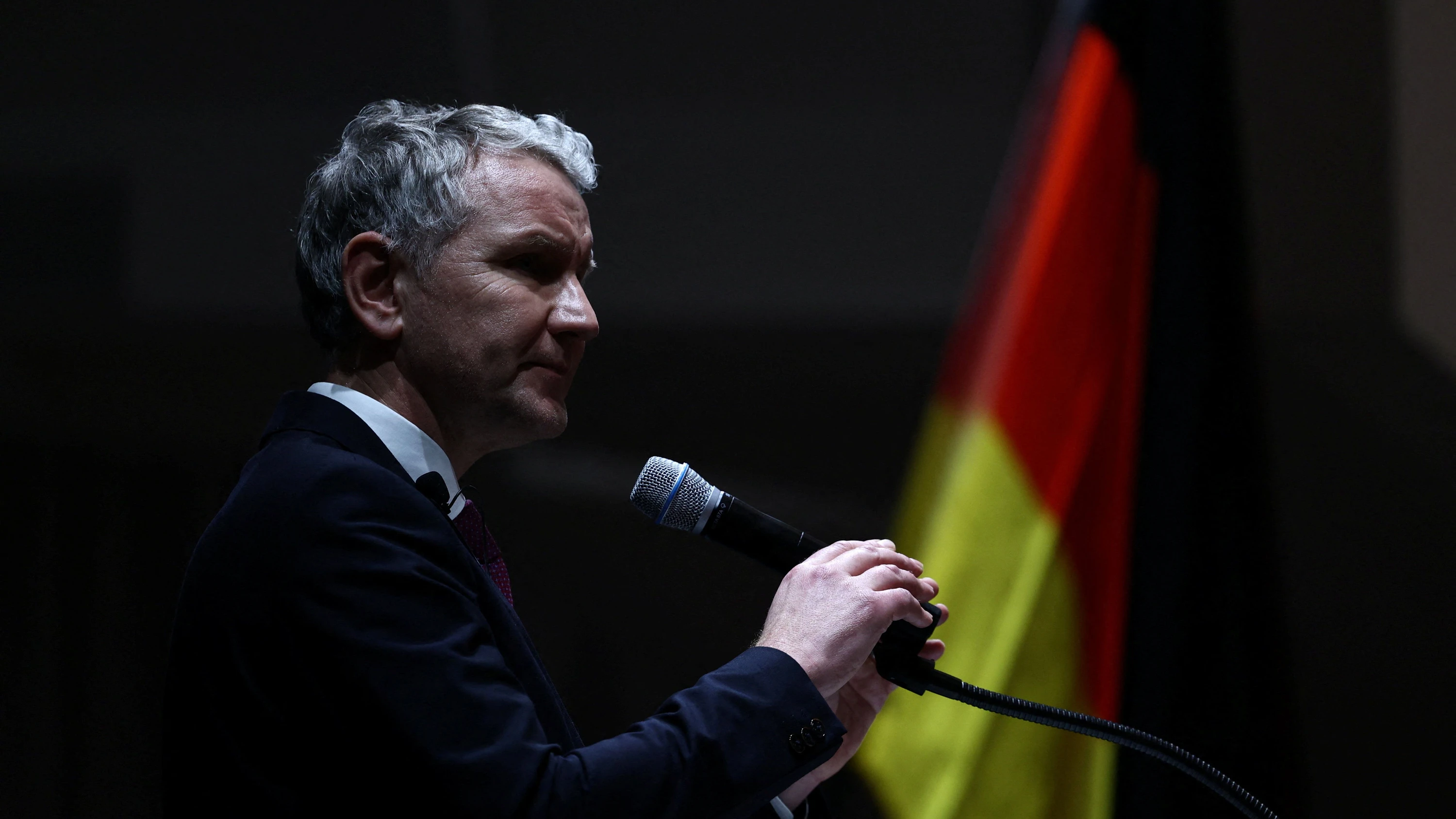
Faschismus-Debatte: Die Deutschen sollen wieder nationalistisch werden Hitlers Ziel war die „Nationalisierung der Massen – ein Programm, das in Thüringen seinen Anfang nahm. Heute verfolgt die AfD ein schwächeres, aber vergleichbares Ziel. Ein Beitrag zur Faschismus-Debatte.
faz · 2 months ago
Lazea: A propune în România creșteri de impozite acum este nerealist din punct de vedere social și politic Calea pentru reducea deficitului sub 3 este eliminarea pe cât posibil a evaziunii fiscale și a optimizării fiscale și nu creșterea de impozite, care este nerealistă din punct de vedere social și politic, a transmis, joi, economistul șef al Băncii Națională a României, Valentin Lazea, la un eveniment de specialitate. „Problema este cum ajungem de …
hotnews.ro · 2 months ago
Ringen um Reformen: Mehr Rente ohne längere Arbeit: Was der DGB vorschlägt Eine eigene Rentenkommission des Deutschen Gewerkschaftsbunds hat eine Alternative zu den Reformplänen der Regierung erarbeitet. Das Konzept verspricht ziemlich viel. Wie soll es finanziert werden?
handelsblatt · 2 months ago
Morning Briefing Podcast: Regierung: Mit diesen Reformen will Merz die AfD klein kriegen / Bayer: Im Glyphosat-Streit Ende in Sicht Wie viele ökonomisch sinnvolle, aber unbequeme Reformen vertragen die Menschen, ohne zur AfD überzulaufen? Nicht viele, fürchtet die Regierung. Mehr als man denkt, sagt ein Experte.
handelsblatt · 2 months ago
Pensionsreformen: Endlich bewegt sich was – aber nicht bei uns [premium] Deutschland plant eine große Rentenreform mit höherem Antrittsalter und kapitalgedeckter Rente. Und Österreich? Wartet weiter ab.
die presse · 2 months ago
Rentenreform: Mehr Rente ohne längere Arbeit – DGB legt alternatives Konzept vor Eine Rentenkommission des Deutschen Gewerkschaftsbunds hat eine Alternative zu den Reformplänen der Regierung erarbeitet. Das Konzept verspricht ziemlich viel. Wie soll es finanziert werden?
handelsblatt · 2 months ago
DGB-Rentenkommission: DGB-Kommission fordert höheres Rentenniveau und Abgabe auf Vermögen Eine Kommission des Deutschen Gewerkschaftsbunds spricht sich für spürbar höhere Renten und zusätzliche Betriebsrenten aus. Bezahlen soll das vor allem die »obere Mitte«.
die zeit · 2 months ago
Ringen um Reformen: Mehr Rente ohne längere Arbeit: Was der DGB vorschlägt Eine eigene Rentenkommission des Deutschen Gewerkschaftsbunds hat eine Alternative zu den Reformplänen der Regierung erarbeitet. Das Konzept verspricht ziemlich viel. Wie soll es finanziert werden?
tagesspiegel · 2 months ago
Ressourcen und Kosten sparen: Bundestag beschließt Recht auf Reparatur - was bringts? Reparieren statt wegwerfen: Künftig sollen Hersteller bestimmte Geräte zu fairen Preisen instand setzen müssen – auch nach Ende der Garantie. Was das neue Recht auf Reparatur für Verbraucher bedeutet.
tagesspiegel · 2 months ago