
Rentenkommission proposes raising retirement age to 70 amid fierce backlash

Story Timeline
4 months · 16 summary articles
The Rentenkommission’s proposals to overhaul Germany’s pension system—including a higher retirement age, increased contributions, and mandatory capital-funded pensions—have triggered sharp criticism from political opponents and economists alike, as debate intensifies over who will bear the burden of reform. After five and a half months of negotiations, the commission on Sunday presented a package that would raise the standard retirement age to 70, phase out early retirement at 63, and require self-employed workers to contribute for the first time, while exempting civil servants. The plans also envisage a new state-managed investment fund, financed by higher payroll taxes, to supplement public pensions.
The Left party condemned the proposals as regressive, warning that higher contributions and later retirement would disproportionately harm low-income earners. “This would again burden the little people,” said Luisa Stangl, a reporter for *Die Welt*, summarizing the party’s stance at its weekend conference . The *taz* likewise highlighted the potential impact on part-time workers and mini-jobbers, describing the reforms as “higher contributions and more toil” .
Critics from the economic establishment also questioned the sufficiency of the measures. Marcel Fratzscher, head of the German Institute for Economic Research (DIW), argued that the proposals lacked “courage and consequence,” particularly on addressing old-age poverty and intergenerational equity . The *Süddeutsche Zeitung* noted that nearly every demographic group would emerge worse off under the new system, creating “many small losers” rather than a single clear beneficiary .
Proponents, however, defended the logic of aligning retirement with rising life expectancy. *Die Zeit* editorialized that “those who live longer must work longer,” urging the government to implement the package without delay . The *Frankfurter Allgemeine Zeitung* pointed to Sweden’s long-standing mandatory capital pension as a model Germany has failed to emulate for 25 years, arguing that compulsory private savings are the key to long-term stability .
Meanwhile, the commission’s decision to exclude civil servants from the reforms drew particular scrutiny. The *Handelsblatt* reported that while self-employed professionals would now pay into the system, public-sector employees would remain outside its scope . Public anxiety over future pensions is already palpable: a *Tagesspiegel* survey found that nearly half of Germans are privately saving for retirement, though the figure masks deep disparities in financial security .
With the government expected to review the proposals in the coming weeks, the political battle lines are already drawn. The Left has vowed to block the reforms, while the governing coalition faces pressure to either water down the measures or risk a protracted legislative fight that could further polarize an already contentious debate.
Follow us for live European news
- 7
- 1
- 1
- 1
- 1
Articles

Noua febră a aurului: bănci centrale în ofensivă și piețe în volatilitate. Cum stă România Piața aurului a traversat în 2025 – începutul lui 2026 una dintre cele mai intense perioade din istoria recentă, având cea mai mare creștere anuală din 1979 (64). Metalul prețios a depășit praguri psihologice istorice, urcând temporar la peste 5.100–5.500 de dolari pe uncie, alimentat de o combinație de factori: cerere masivă, achiziții ale băncilor …
hotnews.ro · 3 months ago
USA prüfen deutsche Medikamentenpreise – Trump fordert höhere Kosten für Europa Die US-Regierung wirft Deutschland vor, für innovative Arzneimittel zu wenig zu bezahlen. Nun soll untersucht werden, ob die deutsche Preisgestaltung eine unfaire Handelspraktik darstellt. Bundeskanzler Friedrich Merz weist die Vorwürfe zurück.
welt.de · 3 months ago

Sehr viele kleine Verlierer Mit den Vorschlägen der Rentenkommission dürfte fast jede Bevölkerungsgruppe gegenüber dem Status quo schlechtergestellt werden. Es gibt nicht einen großen Verlierer, sondern viele kleinere. Was für Friedrich Merz eine Chance sein kann.
welt.de · 3 months ago
Passives Einkommen mit geringem Risiko: Mit diesen Anleihe-ETFs gibts acht Mal im Jahr Zinsen Mit Laufzeitfonds können sich Anleger ein Anleihe-Portfolio zusammenstellen, das regelmäßige Einnahmen bringt. Kursschwankungen spielen dabei kaum eine Rolle.
tagesspiegel · 3 months ago
Forderung von CSU-Chef Markus Söder: CSU verschärft Ton gegenüber Bürgergeld-Empfänger:innen Die CSU lässt beim Bürgergeld nicht locker: Kürzungen will vor allem auch der bayerische Ministerpräsident Söder durchsetzen. Und nicht nur das. mehr...
taz.de · 3 months ago
‚Jsme vlastně zaměstnanci. Nový zákon napomůže právnímu postavení profesionálních sportovců Kdo bude dohlížet na český sport, z jakých peněz bude financován a jaké povinnosti budou mít sportovní svazy. Například tyto oblasti má určit komplexní zákon o sportu. Návrh počítá také se vznikem takzvaného statusu sportovce, který by měl ukončit nejasnosti ohledně pracovního postavení profesionálních sportovců. „Zákon by měl jasně definovat možné formy profesionální sportovní kariéry, říká ministr pro sport Boris Šťastný.
irozhlas.cz · 3 months ago
„Das würde diejenigen mit kleinen Einkommen treffen Die Linke kritisiert die Vorschläge der Rentenkommission scharf. Vor allem ein höheres Renteneintrittsalter und weitere Belastungen für Geringverdiener stoßen auf Widerstand. WELT-Reporterin Luisa Stangl ordnet die Reaktionen auf dem Parteitag ein.
welt.de · 3 months ago
Rente: Empfehlungen der Rentenkommission: Selbstständige sollen einzahlen, Beamte bleiben außen vor Die Rentenkommission hat ihre Empfehlungen zur Reform der Rente vorgelegt. Darin nimmt sie zu einigen kontrovers diskutierten Themen Stellung. Sie betreffen auch Vorstände und Minijobber.
handelsblatt · 3 months ago
Dyrare att klicka hem prylar från Kina och USA Det blir dyrare för svenskar att klicka hem prylar från USA och Kina. I juli införs en ny tullavgift, men beställningar som lagts innan dess kan också drabbas.
svenska dagbladet · 3 months ago

Vorbild Schweden: Eine bessere Rentenreform wird es nicht mehr geben Ein späterer Renteneintritt ist nötig. Aber der wichtigste neue Ansatz ist die obligatorische Kapitalrente. Schweden zeigt, welche Chancen Deutschland seit 25 Jahren vertut.
faz · 3 months ago
Fratzscher sieht in Vorschlägen zu Rente zu wenig „Mut und Konsequenz Die Rentenkommission hat ihre Ideen vorgestellt. DIW-Chef Marcel Fratzscher jedoch gehen diese nicht weit genug. Arbeitsbedarf sieht er etwa beim Thema Grundrente und dem Heranziehen von großen Vermögen.
welt.de · 3 months ago
Furcht vor zu knapper Rente: Jeder Zweite spart privat für das Alter Fast jeder Zweite in Deutschland sorgt mit Sparbuch oder Aktien privat fürs Alter vor. Doch der Anteil derer, die das nicht tun, ist nicht viel kleiner.
tagesspiegel · 3 months ago
Reaktionen: DIW-Chef hält Renten-Vorschläge für nicht ausreichend Der Top-Ökonom erwartet nicht, dass die nun bekannten Pläne die Rente tatsächlich langfristig stabilisieren. Vor allem die Themen Altersarmut und die Belastung der Jungen blieben ungelöst.
handelsblatt · 3 months ago
Kürzungen beim Wohngeld geplant: Kritik an Hubertz-Plänen Alle Wohngeld-Empfänger:innen müssten mit Kürzungen rechnen, kündigt Bauministerin Verena Hubertz (SPD) an. Bestehende Bescheide seien jedoch nicht betroffen. mehr...
taz.de · 3 months ago
PosoKanei: Πώς μπορεί να βοηθήσει η νέα πλατφόρμα σύγκρισης τιμών, πάνω από 175.000 πολίτες ήδη τη χρησιμοποιούν Το ψηφιακό εργαλείο του υπουργείου Ανάπτυξης συγκρίνει τιμές σε 10 αλυσίδες σούπερ μάρκετ, υπολογίζει το συνολικό κόστος του καλαθιού αγορών και προτείνει οικονομικότερες εναλλακτικές επιλογές προϊόντων
protothema · 3 months ago
Μητσοτάκης: Το PosoKanei ήρθε για να μείνει και θα γίνεται καλύτερο, έως 36.000 ευρώ για το πρόγραμμα «Ανακαίνιση Κατοικίας» Ο πρωθυπουργός παρουσίασε τη νέα πλατφόρμα σύγκρισης τιμών και αναφέρθηκε στις παρεμβάσεις για το στεγαστικό και την πολιτική προστασία
protothema · 3 months ago
Rente mit 70, Ende der Rente mit 63 – Das plant die Rentenkommission Erste Details der Rentenreform werden bekannt. Die Kommission empfiehlt unter anderem ein höheres Renteneintrittsalter, die Einbeziehung von Selbstständigen sowie eine zusätzliche kapitalgedeckte Altersvorsorge.
welt.de · 3 months ago
Söder fordert Kürzung des Bürgergeldes „bis auf das absolut verfassungsrechtliche Minimum CSU-Chef Markus Söder fordert eine Senkung der Bürgergeld-Regelsätze. Nach seiner Ansicht bieten die Leistungen erhebliches Einsparpotenzial und sollten im Zuge der Haushaltskonsolidierung reduziert werden.
welt.de · 3 months ago
Vorschlag der Rentenkommission: Höhere Beiträge, länger malochen Fünfeinhalb Monate hat die Rentenkommission verhandelt. Nun liegt ein Vorschlag auf dem Tisch. Er sieht höhere Beiträge vor und anderes Ungemach. mehr...
taz.de · 3 months ago
Rentenkommission: Wer länger lebt, muss länger arbeiten Die Vorschläge der Rentenkommission sind richtig: Wenn die Menschen älter werden, können sie nicht mit 60 in Rente gehen. Die Regierung sollte das Paket umsetzen.
die zeit · 3 months ago
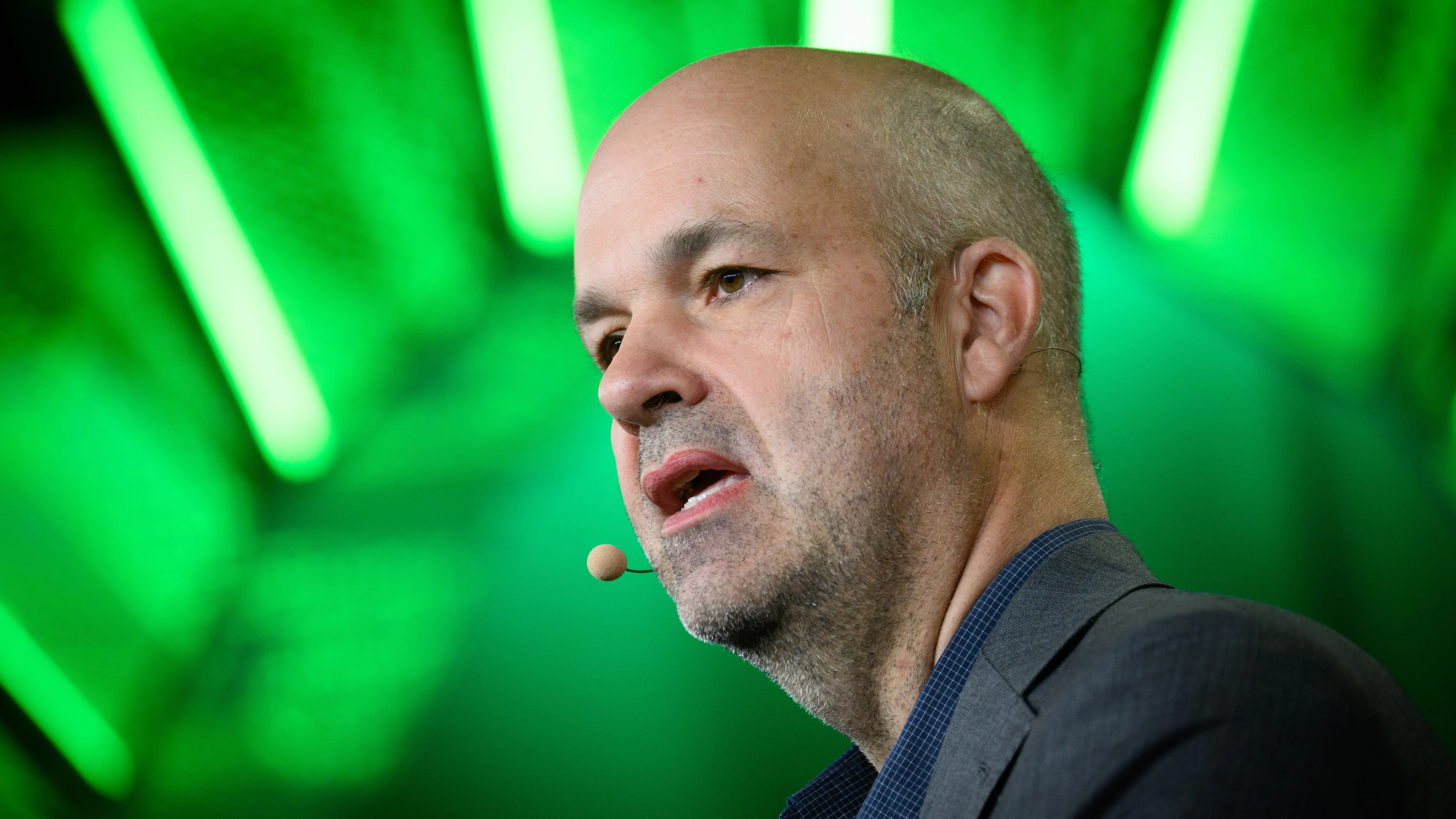
Deutschland-Liveblog: Fratzscher vermisst „Mut und Konsequenz bei Rentenvorschlägen Söder fordert Kürzungen bei Bürgergeld-Regelsätzen +++ Grünen-Chef attackiert Merz mit drastischen Worten +++ Linke wirft Israel Völkermord vor +++ alle Entwicklungen im Liveblog
faz · 3 months ago
Rentenkommission: Beschäftigte sollen länger arbeiten und Beiträge für Staatsfonds leisten Länger arbeiten, höhere Beiträge, eine Kapitaldeckung: Die Rentenkommission schlägt einen tiefgreifenden Umbau des Systems vor. Was sich für Millionen Beschäftigte ändern könnte.
sueddeutsche · 3 months ago