
Germanys labour reform stalls as ministers draft contradicts coalition deal
Story Timeline
4 months · 16 summary articles
The planned reform of Germany’s working-time rules has hit a major roadblock after Labour Minister Bärbel Bas (SPD) presented a draft law that contradicts the coalition agreement’s promise of greater flexibility, prompting outrage from employers and deepening tensions within the government. The draft, leaked on 18 June 2026, would reintroduce stricter daily limits instead of the planned weekly caps, directly clashing with the Union and SPD’s joint pledge in the coalition treaty to relax regulations for sectors such as healthcare and transport .
The conflict escalated as CDU/CSU leaders accused Bas of reneging on a core reform promise just days before a high-stakes summit on 1 July 2026, where Chancellor Olaf Scholz’s government was expected to finalise key legislation. “This draft torpedoes the coalition’s own agreement,” said a senior Union negotiator, while the German Employers’ Federation (BDA) warned that rigid daily caps would cripple industries already struggling with labour shortages .
The draft’s stricter provisions target precisely the sectors the Union had sought to exempt, including nursing and logistics, where flexible scheduling is critical to manage peak demand. Bas, a former nurse, has defended the move as necessary to protect workers’ health, but critics argue the ministry ignored months of consultations with industry and trade unions. “The minister’s approach risks derailing the entire reform agenda,” said Hans-Jürgen Urban, executive director of the IG Metall union .
Meanwhile, the government’s broader reform drive faces parallel setbacks. A planned healthcare overhaul has been delayed, and the ruling coalition’s approval ratings have slipped amid perceptions of disorganisation. The Arbeitszeit draft’s release coincides with a political crisis in Romania, where Prime Minister Adrian Veștea has postponed submitting his cabinet list for a fourth time, citing the need to avoid “emotionally driven decisions” . In Slovakia, Robert Fico’s government survived a confidence vote on 18 June despite constitutional court rulings against its methods, while in Ireland, public-sector unions prepare for strike ballots after pay talks collapsed .
With the 1 July summit looming, the Bas draft has become a litmus test for Scholz’s ability to reconcile his coalition’s competing priorities. Employers have called for an immediate withdrawal of the proposal, while the Union is demanding urgent talks to realign the law with the coalition agreement. “This is not just about working hours—it’s about whether this government can deliver on its promises,” said Carsten Linnemann, deputy parliamentary leader of the CDU .
Follow us for live European news
Articles

Adrian Veștea, după ce a anunțat de două ori că depune lista de miniștri și programul: Nu e momentul pentru decizii luate sub presiunea urgenței Premierul desemnat, Adrian Veștea, a afirmat joi că nu este momentul pentru decizii pripite sau luate sub presiunea urgenței și va folosi responsabil timpul pe care îl are la dispoziție pentru a construi un acord solid privind programul de guvernare. Veștea urma să depună miercuri, apoi joi, la Parlament, programul de guvernare și lista de …
hotnews.ro · 3 months ago
Adrian Veștea candidează la șefia PNL și vrea un „parteneriat politic onest între partid și Nicușor Dan. Solicitare către Bolojan Adrian Veștea, nominalizat de Nicușor Dan – fără acordul PNL – să formeze Guvernul, a anunțat joi că intenționează să candideze la conducerea partidului, cu o moțiune axată „pe responsabilitatea de a găsi soluțiile guvernamentale necesare pentru redresarea țării, într-un „parteneriat politic onest cu președintele României. El i-a solicitat lui Bolojan mutarea Congresului planficat pentru …
hotnews.ro · 3 months ago
Streit um Taubenfütterung in Potsdam: Ausschuss empfiehlt Taubenschläge statt Verbot Die Stadt will das Füttern von Stadttauben unter Strafe stellen. Tierschützer widersprechen – und fanden im Ausschuss Unterstützung. Letztendlich stimmte sogar die AfD einem links-grünen Antrag zu.
tagesspiegel · 3 months ago
Gewerkschaft fordert höhere Löhne: Verdi ruft zu weiterem Warnstreik im Berliner Einzelhandel auf Mit einem erneuten Warnstreik im Handel will Verdi den Druck vor der nächsten Tarifverhandlungsrunde erhöhen. Offen ist, wie groß die Auswirkungen des Arbeitskampfes sein werden.
tagesspiegel · 3 months ago
Reform: Koalition schiebt Abstimmung über das Gesundheits-Sparpaket Immer höhere Milliardenkosten für die Gesundheitsversorgung sollen unter Kontrolle kommen. Für ein geplantes Spargesetz wird es jetzt ernst. Union und SPD schöpfen ihren Zeitplan dafür nun voll aus.
handelsblatt · 3 months ago
Nicușor Dan evită să spună dacă e de acord ca Guvernul Veștea să treacă cu voturile AUR: „Discuția îl vizează pe prim-ministru Nicușor Dan a făcut, joi, primele declarații după ce l-a desemnat premier pe Adrian Veștea, fără consultări cu PNL în acest sens, afirmând că a făcut nominalizarea „cu convingerea că liberalul „poate rezolva criza. Întrebat dacă e de acord ca Guvernul Veştea să treacă cu voturile AUR, președintele a evitat să răspundă direct, precizând că „este o discuție care îl vizează pe prim-ministru.
digi24 · 3 months ago
Nestandardní jednání výboru po přesunu vládních agend: úředníci museli hlasovat podle pokynů rezortu Ve středu se poprvé od přesunu vládních agend konalo jednání výboru pro práva dítěte. Ačkoli premiér Andrej Babiš (ANO) sliboval, že přesun na fungování výborů nebude mít dopad, úředníci museli hlasovat podle nařízení ministerstva. To doposud nebylo běžné.
denik n · 3 months ago
Veștea anunță că temporizează formarea echipei guvernamentale. „Fără decizii dictate de emoţie sau de grabă Premierul desemnat Adrian Veştea anunţă că îşi asumă continuarea dialogului şi a negocierilor cu partidele politice până la finalizarea programului de guvernare şi a echipei guvernamentale.
adevarul · 3 months ago
Răspunsul președintelui când este întrebat dacă se poate face o majoritate pentru guvernul Veștea cu voturile AUR Președintele Nicușor Dan a făcut declarații de presă înaintea participării la reuniunea Consiliului European.
adevarul · 3 months ago
Război total în PNL: Veștea își anunță candidatura la șefia partidului și cere amânarea Congresului: „Este nevoie de o schimbare profundă de optică Premierul desemnat Adrian Veștea și-a anunțat intenția de a candida la funcția de președinte al Partidului Național Liberal, într-un mesaj adresat liberalilor în care solicită, totodată, amânarea congresului formațiunii cu o săptămână.
adevarul · 3 months ago
Semnal de la Bruxelles în plină criză politică în România: Mesajul transmis de Roberta Metsola după discuția cu Ilie Bolojan Roberta Metsola, președinta Parlamentului European, a anunțat joi, 18 iunie, într-un moment în care politica internă din România este dominată de tensiuni politice, că a discutat cu premierul interimar Ilie Bolojan.
adevarul · 3 months ago
Avertismentul lui Predoiu după demisia din conducerea PNL: „România riscă să piardă oportunități strategice din cauza lipsei unui Guvern cu mandat deplin România riscă să își piardă șansa de a deveni un jucător esențial pe marile coridoare de conectivitate globală, în contextul absenței unui guvern cu mandat deplin, avertizează ministrul interimar al Afacerilor Interne, Cătălin Predoiu.
adevarul · 3 months ago
Hessens Start-up-Strategie: Begründet ambitioniert, aber nicht ohne Hindernisse Die Start-up-Strategie des Landes Hessen ist ambitioniert, aber gut ausgearbeitet. Nun kommt es darauf an, Besitzstandswahrung zu unterlassen und gemeinsam ans Arbeiten zu kommen.
faz · 3 months ago
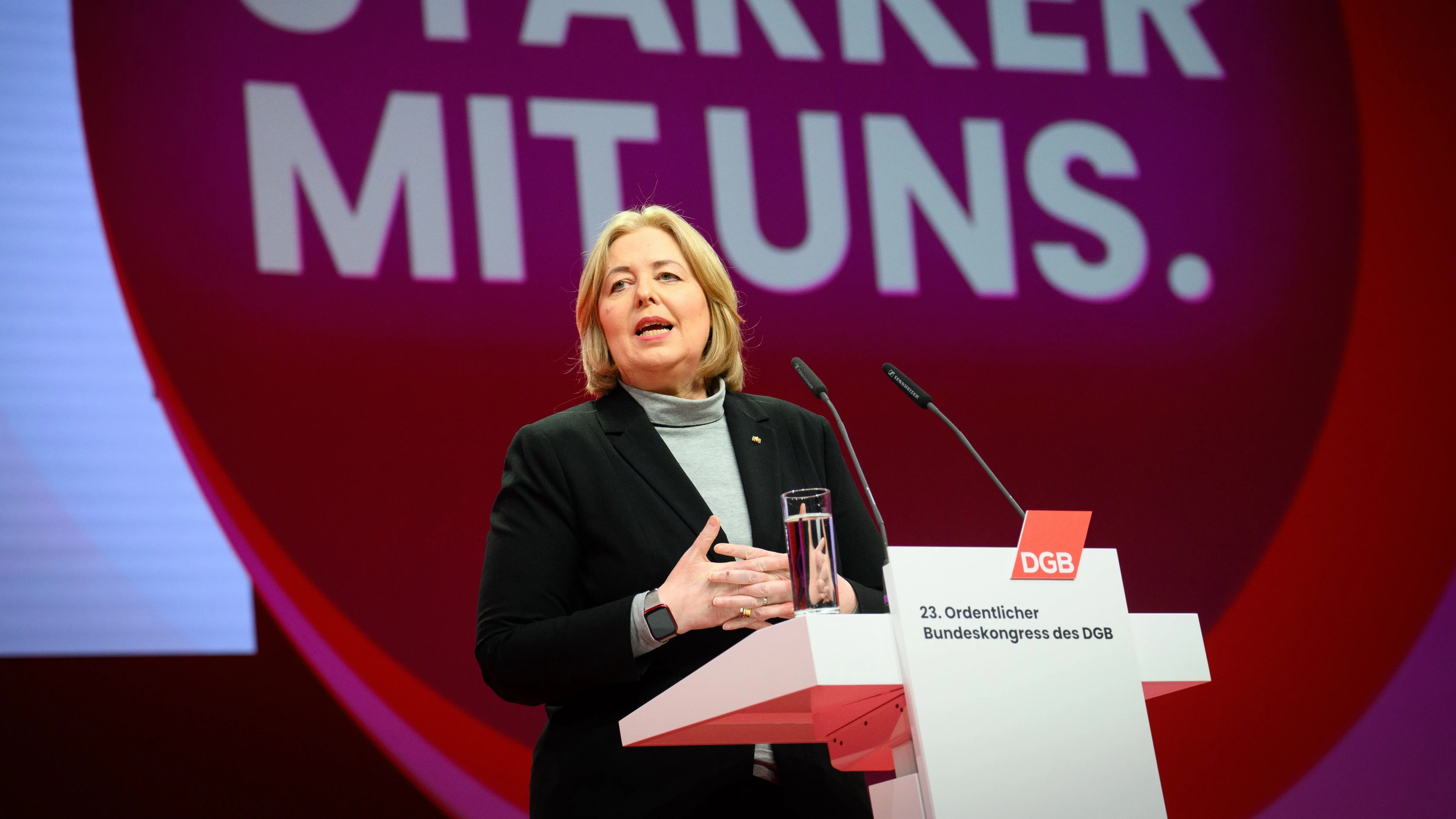
Wochen- statt Tageslimit: Lässt Bas die Reform der Arbeitszeitregeln platzen? Union und SPD planen flexiblere Arbeitszeitregeln – sagt der Koalitionsvertrag. Nun gibt es Ärger: Ein Entwurf aus dem Arbeitsministerium sieht strengere Vorgaben vor. Die Arbeitgeber sind entsetzt.
faz · 3 months ago

The surprise abortion vote that broke government ranks Christine Bohan, Jane Matthews, Christina Finn and Rónán Duffy unpack how a waiting period that was never recommended by the Citizens Assembly or the Oireachtas committee survived for eight years, and whether scrapping it is the beginning of a bigger conversation about abortion legislation the government doesnt want to have.
thejournal · 3 months ago
Gesundheitsreform: Die Pharmaindustrie und der Streit ums Sparen Kann man Deutschland zum weltweit führenden Pharma-Standort machen und gleichzeitig eine Gesundheitsreform auf den Weg bringen? Wir blicken auf das Spannungsfeld zwischen der künftigen Finanzierung der gesetzlichen Krankenkassen und der Wettbewerbsfähigkeit Deutschlands. Zu Gast im Policy Talk ist Heidrun Irschik-Hadjieff. Sie ist die Geschäftsführerin der deutschen Tochtergesellschaft des Pharmakonzerns Sanofi. Im Gespräch mit POLITICO-Gesundheitsexpertin Marie […]
politico.eu · 3 months ago
Blocaj total: Învestirea noului Guvern se amână, nu ies voturile. PSD decide duminică dacă îl susține pe Veștea A patra zi de negocieri pentru Guvernul Veștea aduce tensiuni tot mai mari pe scena politică. Sorin Grindeanu a intrat nervos în ședința PSD și a anunțat colegii de partid că votul se amână pentru săptămâna viitoare. Duminică, conducerea PSD intră din nou în ședință, în aceeași zi în care are loc și Congresul PNL, unde va fi propusă excluderea lui Veștea din partid.
digi24 · 3 months ago
Victor Ponta: Guvernul Veștea nu trece fără AUR. „Singurul partid extremist din România este USR. Ce spune despre George Simion Fostul premier Victor Ponta a declarat joi la Digi24 că Guvernul propus de Adrian Veștea nu poate obține votul de învestitură fără sprijinul AUR și afirmă că partidele implicate în negocieri evită să recunoască această realitate. În același timp, deputatul a respins etichetele de partid extremist atribuite formațiunii conduse de George Simion și a declarat că are „respect și prietenie pentru reprezentanții acesteia.
digi24 · 3 months ago
Cătălin Predoiu, mesaj după demisia din conducerea PNL: România poate rata o oportunitate istorică dacă întârzie formarea noului Guvern La o zi după ce și-a depus demisia din funcția de prim-vicepreședinte al PNL, Cătălin Predoiu a transmis un mesaj de avertisment privind poziționarea strategică a României. Liberalul susține că întârzierea formării unui guvern cu mandat deplin poate afecta capacitatea țării de a se implica în marile proiecte de conectivitate care vor modela relațiile comerciale, energetice și logistice dintre Europa, Asia și Orientul Mijlociu în următoarele decenii.
digi24 · 3 months ago
Veștea s-a răzgândit, nu mai depune programul de guvernare și lista miniștrilor la Parlament: „Nu este momentul pentru decizii pripite Premierul desemnat Adrian Veștea a anunțat joi după-masă că nu se mai grăbește cu depunerea programului de guvernare și a listei de miniștri la Parlament, cum anunțase cu mai puțin de o zi în urmă. Veștea spune că „nu este momentul pentru decizii pripite și că va continua negocierile „până la finalizarea programului de guvernare și a echipei guvernamentale.
digi24 · 3 months ago
Adrian Veștea anunță că vrea să candideze la șefia PNL: „Cu seriozitate și echilibru. Ce îi cere lui Ilie Bolojan Primvice-președintele PNL Adrian Veștea, desemnat de președintele Nicușor Dan să formeze viitorul guvern, a anunțat joi că vrea să candideze la șefia partidului și i-a cerut lui Ilie Bolojan să amâne Congreul PNL cu o săptămână.
digi24 · 3 months ago
Nicușor Dan, anunț despre criza politică din țară, făcut la Bruxelles. Întrebat repetat despre voturile AUR pentru Veștea: Este o discuție care îl vizează pe prim-ministru „În momentul în care am desemnat un premier, l-am desemnat cu convingerea că el poate să fie votat și să rezolve criza asta, a afirmat președintele Nicușor Dan, joi, în cadrul declarațiilor de presă pe care le-a susținut în marja participării la reuniunea Consiliului European de la Bruxelles. Este prima deplasare externă pe care șeful …
hotnews.ro · 3 months ago
AUR lansează „negocieri pentru alegeri anticipate: „Nu există vreo posibilitate ca un guvern să fie instituit Dan Dungaciu, prim-vicepreședinte al AUR, a declarat joi că partidul din care face parte intenționează să lanseze negocieri „cu partidele din Parlament și, inclusiv, cu Cotroceniul pentru declanșarea alegerilor anticipate, pe care le-a descris drept „cel mai înțelept lucru pentru România astăzi. Într-o intervenție joi la Antena 3, prim-vicepreședintele AUR a declarat că, în opinia …
hotnews.ro · 3 months ago