
Nuclear plants shut across Europe as rivers hit lethal cooling thresholds

Story Timeline
3 months · 6 summary articles
Europe’s deadly heatwave has forced the shutdown of nuclear power plants across the continent as rivers used for cooling have reached lethal temperatures, exposing the fragility of nuclear energy in an era of accelerating climate disruption. On Friday, Swiss utility Axpo confirmed that both reactors at the Beznau nuclear power plant—cooled by the Aare River—had been taken offline after the river’s temperature hit 25°C, a threshold that prevents sufficient heat dissipation . The reactors, which had already reduced output to 50% earlier in the week, were fully suspended after the river’s temperature stabilized at this critical level.
The crisis extends beyond Switzerland. In France, state-owned EDF has halted three reactors to prevent overheated discharge water from harming aquatic ecosystems, though the company downplayed the financial impact, insisting the closures would not derail its new EPR reactor projects . Meanwhile, across Europe, nuclear operators have been forced to curtail operations as rivers from the Rhine to the Rhône surge past safe cooling thresholds. The International Energy Agency (IEA) warned that the Iran war has further skewed energy priorities, with governments deprioritizing climate commitments in favor of energy security, accelerating a resurgence in coal use despite its climate impact .
The shutdowns underscore a paradox: nuclear power, long touted as a low-carbon alternative to fossil fuels, is proving increasingly vulnerable to the very climate change it aims to mitigate. The Beznau plant, which had briefly suspended operations in July 2025 due to similar conditions, now faces repeated disruptions as Europe’s heatwaves intensify. Axpo stated that without a rapid cooldown of the Aare, the reactors would remain offline indefinitely .
The crisis arrives amid broader nuclear safety concerns. The International Atomic Energy Agency (IAEA) confirmed repairs to a critical power line at Ukraine’s Zaporizhzhia Nuclear Power Plant, yet warned that repeated damage to electrical infrastructure continues to pose serious risks to nuclear security . Analysts at the Atlantic Council argue that radiological threats are no longer hypothetical, urging Europe to bolster its nuclear preparedness .
As governments scramble to balance energy demand with environmental constraints, the heatwave has also triggered emergency measures in Hungary, where the government activated coordinated defense activities to manage the crisis—a move critics argue is being exploited for political gain . With no immediate relief in sight, the episode serves as a stark reminder that even the most advanced energy systems are not immune to the escalating impacts of a warming planet.
Follow us for live European news
- 2
- 2
- 1
- 1
- 1
- 1
- 1
- 1
5 further sources not geolocated
Articles

Swiss nuclear power station shut down as river warms The two Beznau nuclear reactors in Switzerland which are cooled by water from the river Aare, have been taken off grid due to the water overheating. The energy company Axpo announced the decision on Friday. Axpo stated that the two reactors are currently in a shut-down state. The temperature of the river Aare reached 25 degrees Celcius, which does not allow sufficient cooling. The output of the two reactors had already been reduced on Tuesday – most recently to 50. According to Axpo, the temperature of the River Aare reached 25 degrees for the first time on Wednesday after the cooling water had been fully mixed. Axpo indicated that if there was no prospect of the Aare cooling down, the reactors would be shut down completely on Friday. The two reactor units on the Aare island in Döttingen had already temporarily suspended electricity production in July 2025. Translated from German, sub-edited by mga
swissinfo · 2 months ago
Radiological and nuclear threats are no longer hypothetical. Europe needs to respond.
gdeltproject.org · 2 months ago
The Guerrilla Solar Era Has Arrived, and Heres What to Know
gdeltproject.org · 2 months ago

Think a few nuclear power plants can "green" our way out of the Climate Crisis?Think again.Europe is in a deadly heatwave so extreme that theyve had to shut down nuclear power plants because the rivers used for their cooling systems have become too hot. #climateCrisis #heatwave #europe #nuclear
mastodon bot · 2 months ago
IAEA: Key Zaporizhzhia power line repaired, but nuclear risks remain The IAEA confirmed that repairs to a key power line at Ukraines Zaporizhzhia Nuclear Power Plant have been completed, but the facility still faces serious nuclear safety risks. Repeated damage to electrical infrastructure continues to threaten nuclear security.
yenisafak · 2 months ago

Mi az az összehangolt védelmi tevékenység, amit Magyarék életbe léptettek a hőség miatt, és mire ad felhatalmazást a kormánynak? Idén már másodszor rendeltek el speciális hatalomgyakorlási helyzetet. Az Orbán-kormány kampánycélból léptette életbe a Barátság kőolajvezeték leállása után az összehangolt védelmi tevékenységet, amit most a Tisza-kormány valódi haváriában, az extrém hőség miatt élesített. Ez ugyan nem számít különleges jogrendnek, mégis széles körű felhatalmazást ad a kormánynak – összeszedtük, pontosan mire.
hvg.hu · 2 months ago
Pääkirjoitus | Maailma palaa, mutta ilmastopolitiikka junnaa paikallaan Eurooppa lämpenee nopeasti, eikä äärimmäinen kuumuus ole enää poikkeuksellista. Kyse on turvallisuudesta, taloudesta ja yhteiskuntien vakaudesta, mutta poliitikot hakevat pikavoittoja identiteettipolitiikalla.
helsingin sanomat · 2 months ago
Malgré la mise à larrêt de trois réacteurs, EDF relativise limpact de la canicule sur sa production nucléaire Les températures extrêmes ont contraint lexploitant à réduire la production de plusieurs unités pour éviter des rejets deau trop chaude dans les fleuves. Pas de quoi mettre à mal ses finances ni remettre en question le chantier des nouveaux EPR.
liberation · 2 months ago

Verharmlosender Umgang mit der Klimakrise: Mit Wasserball und Sonnencreme in die Apokalypse "Heimat"-Partei FPÖ und Verbrenner-Fraktion ÖVP sind angesichts der lebensgefährlichen Hitze recht still, der Boulevard lenkt ab und die SPÖ hält am Lobautunnel fest
der standard · 2 months ago
Coals unexpected comeback on Middle East conflict energy security fears The disruption to global energy markets caused by the conflict in the Middle East has triggered an unexpected resurgence in coal demand, as energy security fears outweigh Climate Crisis commitments.
intellinews · 2 months ago
Iran war switches energy investment priorities from climate to security where electricity is king - IEA The Iran war has switched up governments priorities and energy investments are now driven less by climate targets than by security concerns, as governments respond to the second major energy crisis in five years.
intellinews · 2 months ago
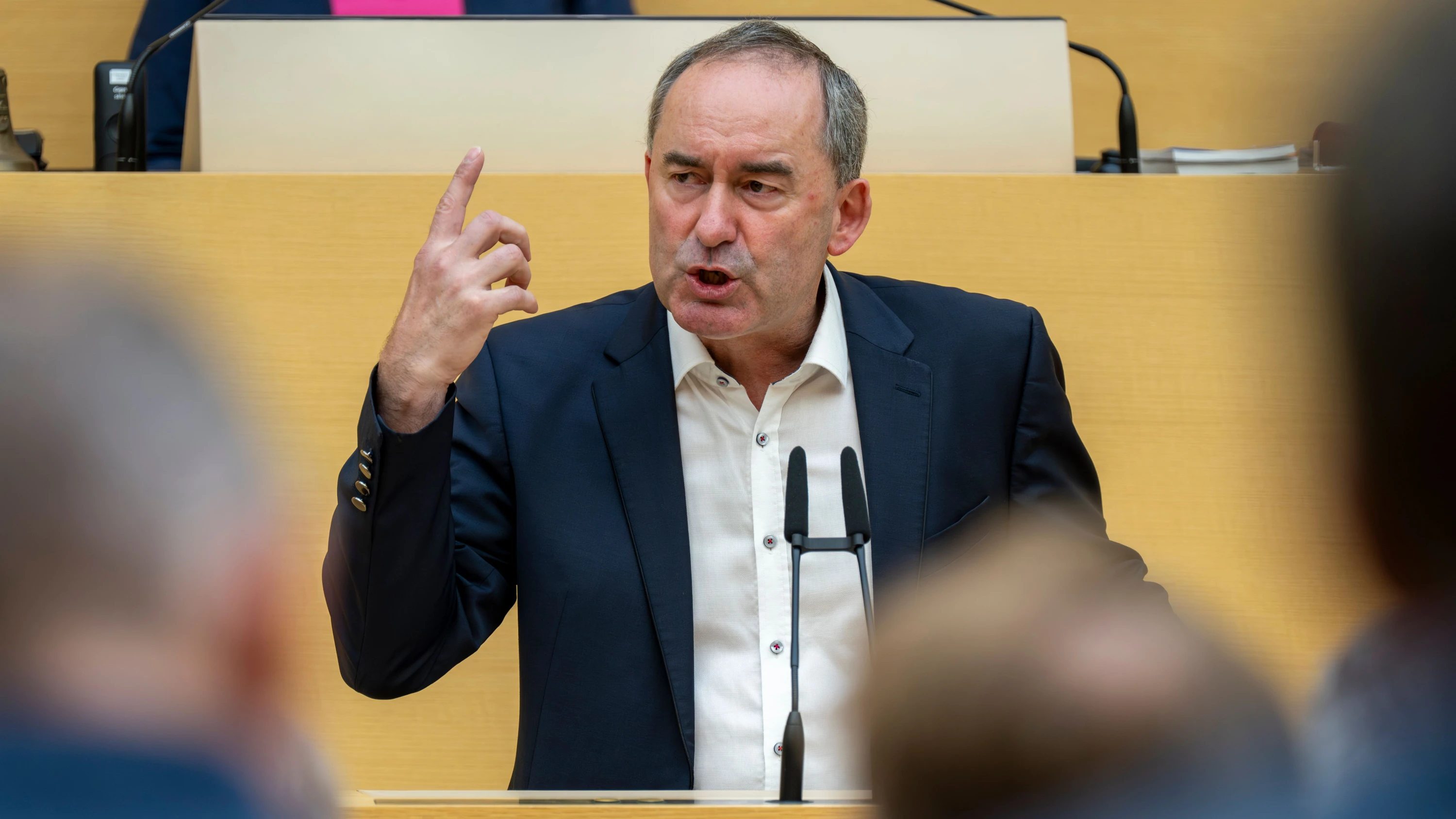
Klimaschutz: Wenn das große Bayern sich klein macht Einst wollte Bayern auch bei den Klimaschutzzielen an der Spitze des Fortschritts marschieren. Nun soll die CO₂-Neutralität erst fünf Jahre später erreicht werden.
faz · 2 months ago
Energie: Gewürge beim grünen Gas Der Iran-Krieg zeigt wieder, wie riskant die Abhängigkeit von Erdgas-Importen ist. Wasserstoff soll die heimisch produzierte, klimafreundliche Alternative sein. Doch der Hochlauf stockt. Ortsbesuch bei der Energiewende.
sueddeutsche · 2 months ago

Three key moments helped build the nuclear order . Time to revisit
gdelt bot · 2 months ago
Not Imaginary: The Deterrence Gap is Real and America Needs Low-Yield Nukes Nuclear policy debates are at their best when they force hard questions about risk, deterrence, and military necessity. They are at their worst when disagreement is recast as bad faith. In 2018, as an outgrowth of a rigorous policy review process, the Trump administrations Nuclear Posture Review identified a need for supplemental low-yield nuclear capabilities to augment the U.S. nuclear arsenal. This was presented as an effort to raise the nuclear threshold of adversaries who may believe they could employ nuclear weapons in limited ways to escalate their way out of failed or failing conventional conflict.To address this concern, the The post Not Imaginary: The Deterrence Gap is Real and America Needs Low-Yield Nukes appeared first on War on the Rocks.
war on the rocks · 2 months ago
Q&A: What change of power in Colombia could mean for worlds fossil-fuel transition Over the last four years, Colombia has emerged as one of the most vocal advocates... The post Q&A: What change of power in Colombia could mean for worlds fossil-fuel transition appeared first on Carbon Brief.
carbon brief · 2 months ago
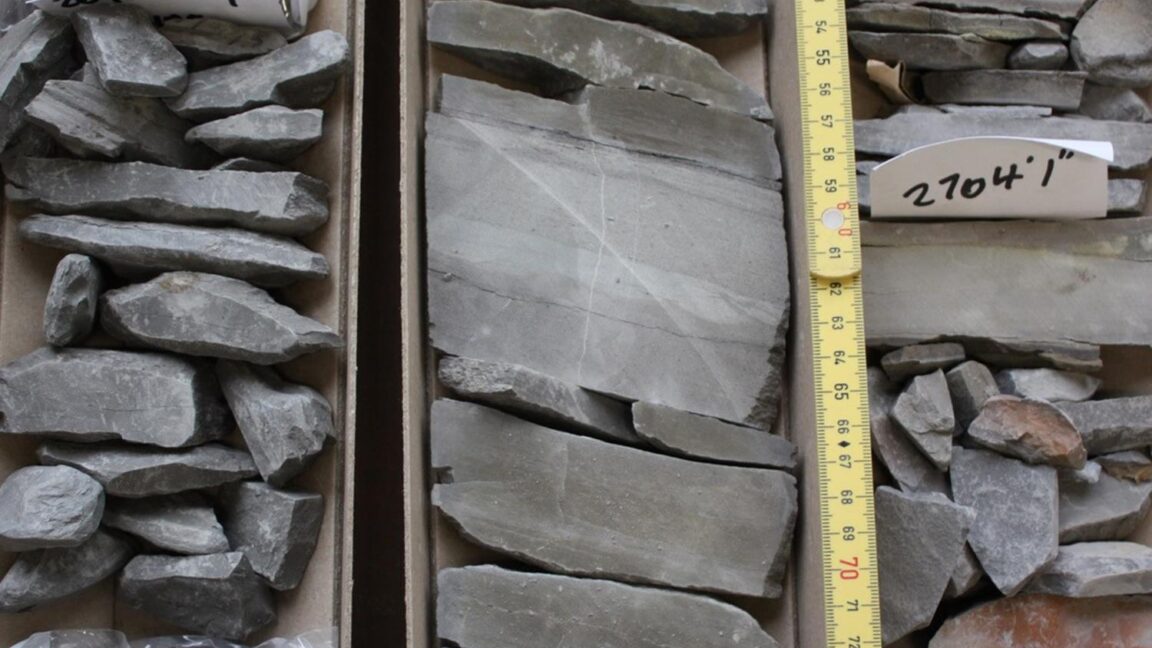
Feedbacks upon feedbacks: Rock weathering and the climate Rock weathering may release or draw down carbon dioxide—it depends on the rock.
ars technica · 2 months ago