
German government fast-tracks climate-resilient urban rules and nuclear plant support

Story Timeline
3 months · 12 summary articles
The German government on Thursday moved to fast-track climate-resilient urban development and nuclear power expansion, two separate but politically charged initiatives that underscore Berlin’s evolving response to the dual crises of extreme heat and energy security.
In Berlin, Construction Minister Verena Hubertz on Thursday introduced a sweeping amendment to the Federal Building Code designed to force municipalities to adopt heat-mitigation measures in new construction and urban renewal projects. Speaking during a Bundestag debate on rising summer temperatures, Hubertz argued that the “upgrade” to the Baugesetzbuch would require green roofs, reflective facades, and expanded public shade structures in all cities with more than 100,000 inhabitants . The draft legislation follows record June heatwaves that have seen Berlin’s nighttime temperatures remain above 25°C for five consecutive nights, a threshold linked to increased mortality among vulnerable groups.
Across the Baltic, Sweden’s coalition government announced it will provide direct state support for the construction of small modular reactors at the Ringhals nuclear plant in Halland county. The decision, confirmed by state broadcaster Sveriges Radio on Thursday, marks the first concrete step in Sweden’s pledge to add up to 12 GW of new nuclear capacity by 2045 . Prime Minister Ulf Kristersson told reporters that groundbreaking could begin as early as 2027, though Energy Minister Ebba Busch immediately distanced herself from the timeline, telling local media: “We would never have started talking about shovels in the ground” .
The twin announcements come as Europe grapples with a third consecutive summer of extreme heat. In France, the satirical news host Yann Barthes faced a parliamentary backlash on Thursday after a segment on the heatwave prompted a deputy from the National Rally to accuse him of trivialising climate risks . Barthes’ programme, *Quotidien*, has become a lightning rod for political debate during the current heat emergency.
Hubertz’s bill must now clear the upper house of the Bundestag, where state governments are expected to push for additional funding for low-income municipalities. In Sweden, the state aid package for Ringhals still requires final approval from the Swedish Radiation Safety Authority, a process that typically takes six to nine months. Both governments insist their measures are necessary to protect citizens and secure long-term energy supply in an era of accelerating climate change.
Follow us for live European news
- 3
- 2
- 1
- 1
Articles

Yann Barthes fait bondir une députée après une chronique sur la canicule (VIDEO) Lanimateur de Quotidien a suscité un véritable tollé suite à ses propos. ...
la libre · 2 months ago

Regeringen har beslutat att ge statligt stöd till ny kärnkraft Regeringen vill att Sverige ska bygga ny kärnkraft. Därför har de beslutat att ge stöd till att bygga nya små reaktorer vid kärnkraftverket Ringhals, som ligger i Halland.
sverigesradio · 2 months ago
Debatte im Bundestag: Städte gegen Hitze wappnen: Neues Baurecht soll helfen Bauministerin Verena Hubertz bringt ihr „Upgrade für das Baugesetzbuch ins Parlament ein. Und verweist auch auf einen ganz aktuellen Bezug.
handelsblatt · 2 months ago
Busch: Vi skulle aldrig börjat prata spadtag! Regeringen har nu tagit ett nytt steg på vägen mot kärnkraftsbygget. Ulf Kristersson tror att det första fysiska spadtaget kan tas 2027 – något Ebba Busch vänder sig emot direkt: Vi skulle aldrig börjat prata spadtag!
svenska dagbladet · 2 months ago
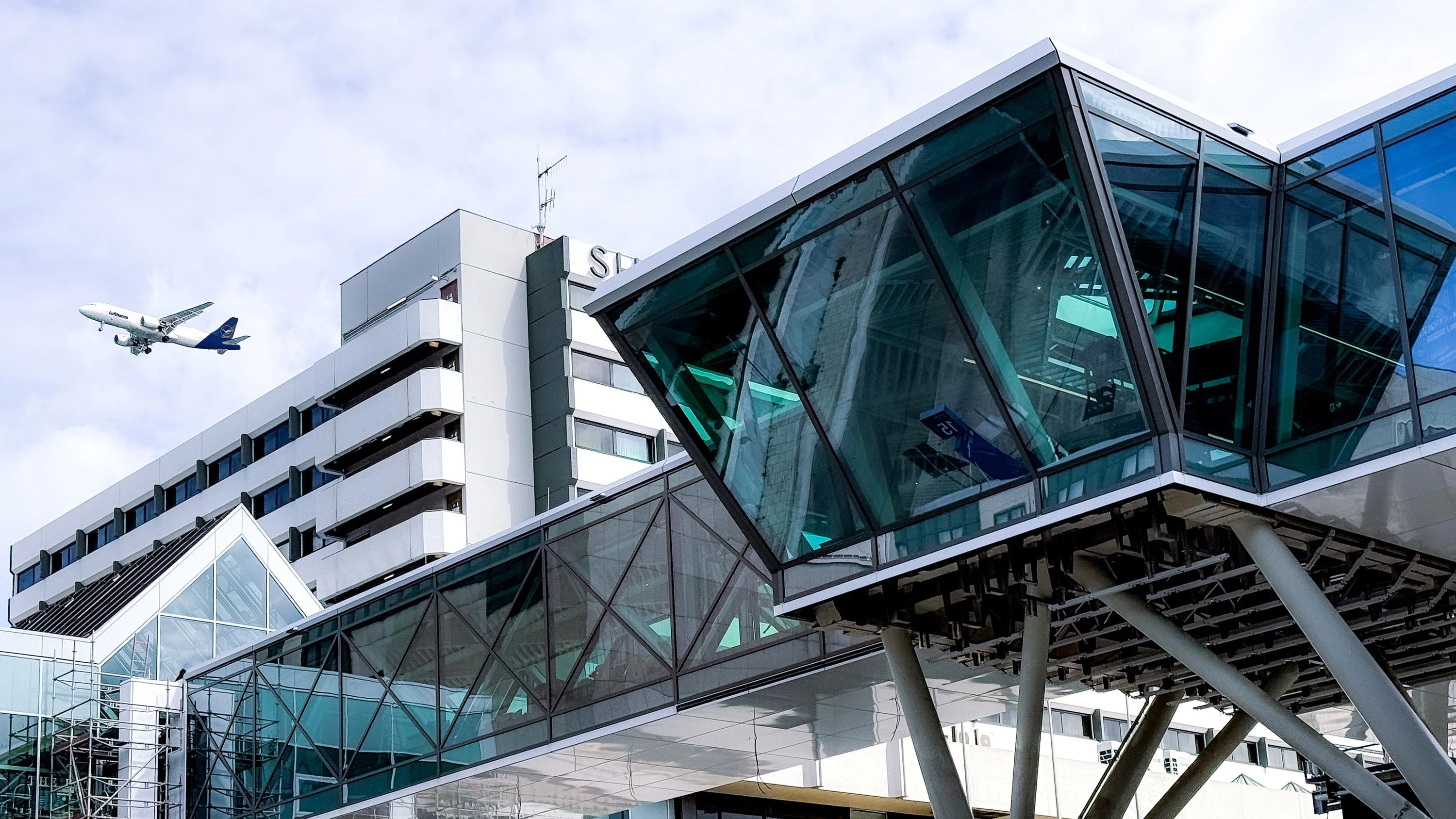
Tag der Architektur: Diese Bauten sollte man sich ansehen Viele alltägliche Bauten gelten zwar als gelungen, werden in der Öffentlichkeit aber kaum wahrgenommen. Der Tag der Architektur am nächsten Wochenende will das ändern.
faz · 2 months ago
80 Prozent Förderung möglich: Potsdam bewirbt sich für Hitzeschutz-Projekte Die Landeshauptstadt will von einem neuen Bundesprogramm profitieren. Ziel: Die Bewältigung von Klimawandelfolgen wie Trockenheit, Hitze oder Starkregen.
tagesspiegel · 2 months ago

Ik zou helemaal gek worden als ik nu in het kabinet zou zitten
de volkskrant · 2 months ago