 Monday, July 6Monday, July 6
11 months · 13 summary articles
Europe faces a triple threat this summer: severe drought, energy shortages and food insecurity, all exacerbated by the return of El Niño, meteorologists warn. The Pacific climate phenomenon, which emerged in late 2025 and intensified through spring 2026, is now disrupting European weather patterns with record-breaking heatwaves and erratic rainfall. Southern Europe, including Spain, Italy and Greece, has already recorded soil moisture deficits 40% below the 1991-2020 average, according to the European Drought Observatory . Hydropower generation in the Alps has fallen 28% year-on-year, while irrigation reservoirs in Andalusia stand at 34% capacity, forcing farmers to abandon 120,000 hectares of sunflower and maize crops.
The energy crisis is deepening as gas infrastructure expansion accelerates under the banner of “security,” raising concerns that Europe is locking in fossil fuel dependence rather than accelerating renewables. A report by Euronews published on 19 June 2026 reveals that the EU has approved €18 billion in subsidies since March 2026 for new liquefied natural gas terminals in Greece, Cyprus and Poland, despite the bloc’s legally binding 2030 emissions targets . “We are trading long-term climate goals for short-term energy security,” said Dr. Elena Vezzoli, energy policy researcher at the University of Oslo. “These terminals will be stranded assets within a decade.”
Meanwhile, political analysts warn that economic anxiety is fuelling a surge in far-right extremism across the continent. A commentary published today in *The Norway Post* argues that rising food prices—wheat futures have climbed 56% since January—and rolling blackouts are radicalising voters faster than any economic recession . “The narrative that Europe is under siege from migration and climate policies is gaining traction in every EU capital,” said political scientist Dr. Klaus Bachler. “If unchecked, this could derail the Green Deal before 2030.”
The European Commission is scheduled to convene an emergency climate resilience summit in Brussels on 28 June 2026, where agriculture ministers from the worst-hit regions will seek €6 billion in emergency drought relief. However, diplomats privately acknowledge that the funds will only mitigate the immediate crisis, not address structural vulnerabilities. With El Niño forecast to persist through at least September, Europe’s triple emergency shows no sign of abating.
Follow us for live European news
3 further sources not geolocated

Gas expansion in the guise of security: Is Europe making the energy crisis permanent?
gdeltproject.org · 15 days ago
„Super El Nino amenință întreaga planetă. O cercetătoare explică ce efecte va avea fenomenul în România. Nu sunt de scurtă durată, spune ea Fenomenul climatic El Nino s-a declanșat în Pacific, ceea ce va avea în curând efecte la nivel global. Efectele vor fi și în România: veri mai secetoase și o iarnă mai umedă, însă mai blândă, spune într-o analiză InfoClima.ro, climatologul Monica Ioniță. Agricultura, rezervele de apă și pădurile vor fi cele mai expuse, subliniază cercetătoarea. …
hotnews.ro · 15 days ago
Not Economy but Extremism is Threatening Europes Future
gdeltproject.org · 15 days ago
Europes viral doomsday scenario explained
gdeltproject.org · 15 days ago
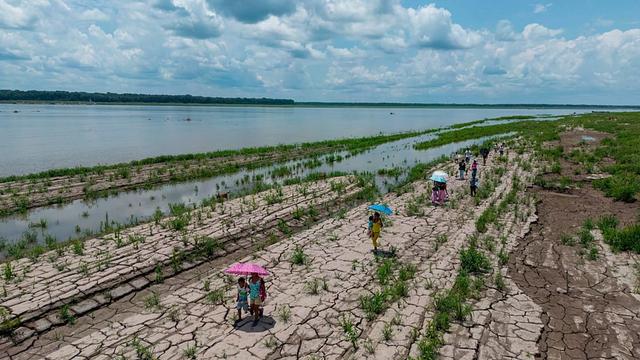
"Severe drought, energy shortages and food insecurity: What El Niño could mean for Europe this year"#Europe #ElNino #Climate #ClimateChange
mastodon bot · 15 days ago
Spring of discontent The EUs Spring Economic Forecast shows a slowdown in growth as the energy shock drives up inflation and puts new strain on public finances. It has not, to say the least, been the most promising of weeks for Europes economy. On May 21, the European Commission released its Spring Economic Forecast which, somewhat predictably, shows […] Spring of discontent was originally published on Emerging Europe.
emerging europe · about 2 months ago
Countries need clarity on war before tapping oil reserves, France says G7 finance ministers did not discuss second emergency release to calm energy crisis, says Roland Lescure
financial times · about 2 months ago
Is an energy crisis coming for the global economy?
gdeltproject.org · about 2 months ago
From Fiji to French Polynesia, how Pacific islands are uniquely vulnerable to the oil crisis The reliance of island countries and territories on imported oil is expected to hit economic growth and increase inflationWhen 53-year-old Agbar Mohammad pulled into a petrol station in Fiji in May, he was expecting a queue. Instead, it was almost empty. I could only see one or two cars at the service station, which was very unusual, Mohammad says.The reason became clear very quickly: as Mohammad filled his car, the numbers on the fuel pump climbed so much faster than the needle on his dashboard. Normally he would put in about $40 of fuel, but this time $100 barely got his 60-litre tank halfway full. Continue reading...
theguardian · about 2 months ago
The looming crisis putting Europes energy security at risk As EU ministers gather in Brussels to debate the blocs competitiveness, the ongoing crisis in the Strait of Hormuz has highlighted Europes urgent need to protect its energy security, shield consumers and preserve industrial competitiveness. Separate from the conflict in the Middle East, the EU is on the cusp of knowingly exacerbating its own energy crisis. From […]
politico.eu · about 2 months ago
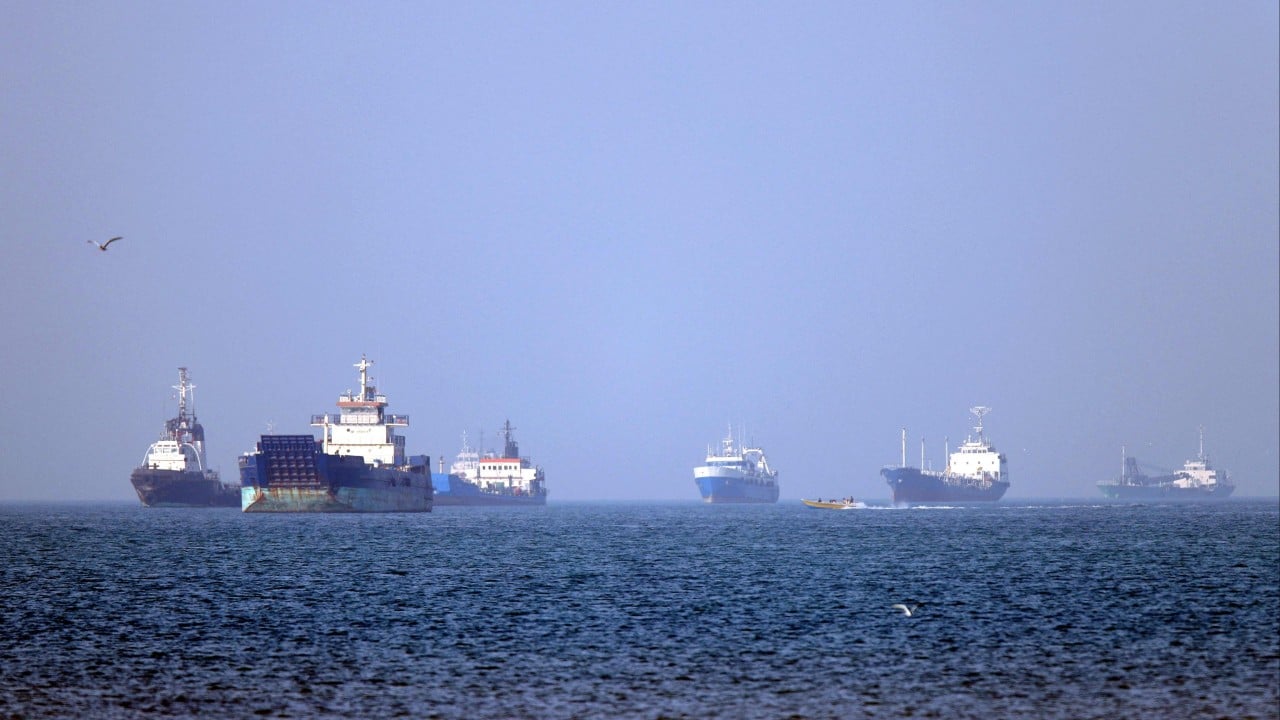
Not even a quick end to Iran war can save AI stock bubble now The Iran war has baked in stagflation and starvation through big reductions in the supply of oil and fertilisers. This inflationary pressure will only increase. As inflation sucks liquidity out of financial markets and into the real economy, bond yields are being pushed up across the world. If bond yields rise by more than a percentage point, a likely scenario before the years end, the liquidity diversion could be big enough to pop the AI bubble. The US-Israeli war on Iran has disrupted the...
south china morning post · about 2 months ago
Tipping point? The scramble to contain global energy crisis Its easy to lecture world leaders about how fuel subsidies ruin the environment and bleed state coffers dry, but try telling that to beleaguered Bolivians and cornered Kenyans… two of the many nations where the energy crisis has reached breaking point with citizens unable to keep up with prices at the pump. Its not just in the Americas, Africa and Asia where the Iran wars destroying livelihoods and derailing fiscal roadmaps.
france24 · about 2 months ago
Walmart says customers are rationing petrol as Iran war hits wallets US retail giants shares plunge after saying it absorbed higher fuel expenses to hold down prices for consumers
financial times · about 2 months ago

Oil markets nearing red zone as Iran crisis continues, warns IEA chief Surging demand, low reserves and reduced Middle East exports predicted to cause global crunch by AugustOil markets will enter the red zone by July and August as stocks dwindle before the summer travel season amid a shortage of fresh oil exports from the Middle East, the executive director of the International Energy Authority warned on Thursday.Fatih Birol added that the most important solution to the Iran war energy shock was a full and unconditional reopening of the strait of Hormuz. Continue reading...
theguardian · about 2 months ago
Iran war squeezes Europes economy as growth slumps, prices surge Europes economy is slowing sharply as the Iran war drives up energy costs, deepening pressure on households and challenging policy makers. Fresh data for May showed euro zone business activity contracted at its fastest pace in more than two years while inflation pressures intensified, raising fears of a prolonged cost-of-living crunch and possible recession.
france24 · about 2 months ago
Walmart warns of petrol rationing as Iran war hits customers wallets US retail giants shares plunge after saying it absorbed higher fuel expenses to hold down prices for consumers
financial times · about 2 months ago

How long can the EUs oil reserves last? The 400 million barrels of oil released by the International Energy Agency — of which 92 million barrels were contributed by 20 EU countries — could last about five months, according to analysts. The bloc also relies on storage reserves.
euronews · 3 months ago
Iran conflict hits plastics industry as ECCO reports prices up 30 percent According to a report by the Italian climate think tank, around 80 per cent of European plastic production is derived from fossil fuels, the prices of which have soared following the closure of the Strait of Hormuz. Italy – the worlds sixth-largest importer of this polymer – is bearing the brunt of this more than other countries
eunews.it · 3 months ago
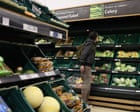
Food prices spiked in March as Middle East conflict drove up energy costs, UN says Biggest rises were in vegetable oil and sugar prices, which increased by 5 and 7 respectivelyFood prices rose sharply in March as war in the Middle East drove up energy prices and freight costs around the world, a report by the United Nations has found.An index of food commodity prices by the UNs food and agriculture organisation increased 2.4 in March, its second consecutive monthly rise. Continue reading...
theguardian · 3 months ago

How come some of the richest nations in the world have citizens struggling to pay for electricity, you might ask.The #EU & #Europe at large has an energy problem, in that it cant produce enough for all and needs to import a lot of oil & gas.Nordic countries will then export their electricity to meet with European demand. So were sacrificing ourselves for the convenience of the #EU.How #Swedens communal laundries shield renters from rising energy bills
mastodon bot · 3 months ago
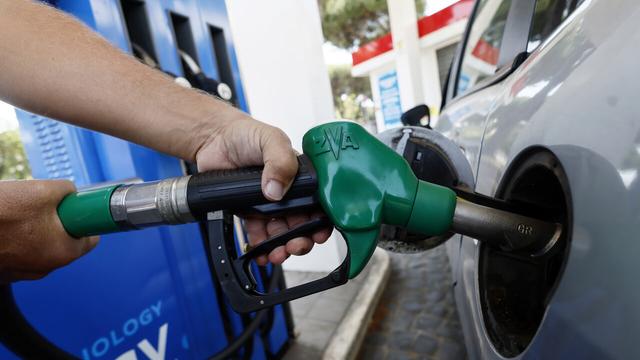
Today: Caro carburanti: cosa è successo con il taglio delle accise (e perché cè il rischio boomerang)Una guerra che ha riportato indietro le lancette dellorologio di oltre quarantanni. NellEuropa della transizione verde e del Green Deal si torna a parlare di crisi energetica innescata dallalto costo dei combustibili fossili dopo linizio della guerra in Iran. Sotto attacco cè, come noto...Dear fuel, what happened with the excise tax cut (and why theres a boomerang risk)?A war that has turned back the clock by over forty years. In the Europe of the green transition and the Green Deal, we are once again talking about an energy crisis triggered by the high cost of fossil fuels following the start of the war in Iran. As is known, under attack is…#Europe
mastodon bot · 3 months ago
What the Iran war means for Europes energy Mark Leonard is joined by Szymon Kardaś to discuss how the war in Iran is affecting energy prices and supplies in Europe
european council · 3 months ago
Europe must prepare for long-lasting energy shock, Brussels warns EU energy commissioner says bloc is assessing all possibilities including fuel rationing and releasing more oil from strategic reserves
financial times · 3 months ago

Food security timebomb: a visual guide to the Gulf fertiliser blockade UN says record numbers of people could face acute hunger if conflict continuesThe world has become well versed in the importance of the strait of Hormuz to the worlds energy flows, but attention is increasingly turning to its vital role in another market – the fertiliser on which harvests depend.A third of the global trade in raw materials for fertiliser passes through the maritime choke point, which is also the route for 20 of shipments of natural gas, which is required to make it. Continue reading...
theguardian · 3 months ago
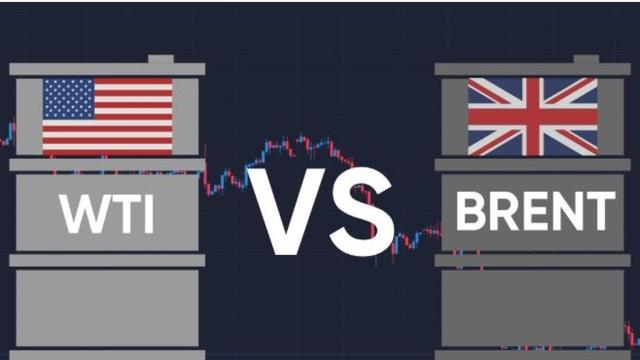
Corriere.it - Homepage: Petrolio, il sorpasso storico del Wti sul Brent: perché corre il greggio Usa (ed è una cattiva notizia per la Ue)Il petrolio prodotto e scambiato sul mercato negli Stati Uniti è trainato dalla domanda dellAsia che fa fatica ad approvvigionarsi dal Golfo a causa della guerra. LEuropa importa il 15 del petrolio dagli Usa e lo pagherà di piùOil, the historic WTI overtake on Brent: why US crude is rising (and its bad news for the EU)Oil produced and traded on the market in the United States is driven by Asian demand, which is struggling to source supplies from the Gulf due to the war. Europe imports 15 of its oil from the US and will pay more for it.#Brent #theUnitedStates #Asian #Europe
mastodon bot · 3 months ago
Oil shock triggers global price spikes as Iran war drags on Fuel shocks from the US-Israel war on Iran are rippling worldwide, as Strait of Hormuz disruptions push prices higher.
aljazeera · 3 months ago
Can Russia help fill the global energy gap? Higher crude prices due to the disruption in the Strait of Hormuz have helped Russia earn more from energy exports.
aljazeera · 3 months ago
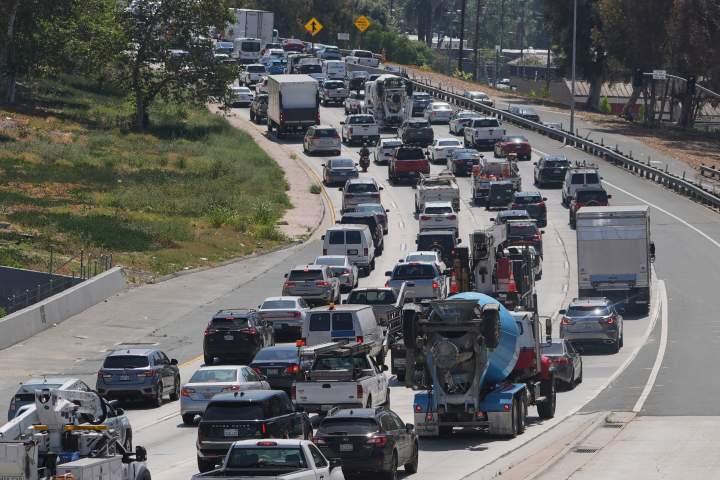
Drive less and work from home as Iran energy shock bites, EU official urgesThe EU is asking its member states to implement the International Energy Agencys 10-point plan to reduce global demand for oil, Dan Jørgensen, the EUs energy commissioner said.#Consumer #Economy #World #Europeanunion
mastodon bot · 3 months ago