 Friday, July 10Friday, July 10
2 days · 3 summary articles
Hungarys new PM halts state media broadcasts with black screen apology
Hungarys public broadcasters suspend news output in apology for pro-Orbán propaganda
Hungarian public media suspends news with apology for past propaganda
Hungary’s new Prime Minister Péter Magyar on Tuesday halted all news broadcasts on the state-run M1 television channel and Kossuth Radio, replacing them with a black screen carrying the message: “Public media should not lie. We are sorry for doing it for so long.” The four-hour suspension ended at 19:56 CET—chosen to echo the 1956 Hungarian uprising—when M1 resumed with the anti-communist satire *A tanú* (“The Witness”), a film banned for a decade under Viktor Orbán’s rule. “A historic day,” Magyar wrote on Facebook. “They lied at night, they lied during the day, they lied on every wavelength. That is now over.”
The apology followed the dismissal of M1 director Zsolt “Pitbull” Németh and most programming chiefs, including those who had aired the channel’s signature mix of anti-migrant, anti-Semitic and anti-EU tropes. MTI, the state news agency, continued posting political copy, but all television and radio bulletins were suspended. “The task now is to audit the public media, suspend propaganda and restore credible, independent journalism,” the new interim leadership said in a statement read by former hard-line editor Radnai Csaba before the blackout.
Analysts note that the 16-year Orban-era disinformation campaign was unique in the EU, blending inter-war fascist tropes with Russian-state-media narratives. Examples cited by critics include claims that “criminal Arab and African migrants rape Hungarian girls,” that a Jewish-American billionaire is erasing Hungary’s Christian identity, and that Ukraine is a “mafia state” sacrificing Hungarian youth in the war. “No other public service broadcaster in the EU has published lies, hate and propaganda on this scale in recent decades,” said a comparative study released Tuesday.
Magyar, who took office in May after defeating Orban’s Fidesz in April elections, has made media reform a cornerstone of his agenda. Within 48 hours of his victory, he moved to replace the entire MTVA supervisory board and purge senior editors who had openly served the previous regime. Among those removed were Csete Beáta and Kakuk L. Tamás, who interviewed Magyar on 12 April and questioned his claim that EU funds were being spent on “trees without canopies,” and Törőcsik Zsolt, who produced the Friday morning Orban interviews on Kossuth Radio. MTVA content director Kárász Róbert was also relieved of duty; he declined to comment.
The symbolic timing—19:56 on 7 July—was not lost on observers. The same hour marks the start of the 1956 revolution’s radio broadcast, when Imre Nagy announced the uprising against Soviet rule. By contrast, M1’s black screen carried an explicit apology: “We are sorry for doing it for so long.” The channel’s relaunch film, *A tanú*, was itself a 1969 parody of communist show trials and had been banned until 1979.
Magyar’s next steps include a full audit of MTVA’s 16-year archive and the creation of an independent media council. Until then, M1 will air cultural and historical programming while Kossuth Radio plays classical music. “The public media will now be reformed so they will be independent and trustworthy,” the interim leadership said.
Follow us for live European news
2 further sources not geolocated

Eläintarhat | Kuusamon suurpetokeskuksen toimitusjohtaja ja hallitus irtisanoutuivat Irtisanoutunut toimitusjohtaja Pasi Jäntti on huolissaan turvallisuuden toteutumisesta suurpetokeskuksessa.
helsingin sanomat · 1 day ago
Hungary public media reform begins with black screen apology People tuning in to public service media in Hungary on Tuesday were greeted by a black screen and an apology. Peter Magyar has begun dismantling one of Viktor Orbans most potent tools of power.
deutsche welle europe · 1 day ago

Polsat News: Radny PiS operowany w szpitalu, który zawiesił oddział chirurgii. Placówka się tłumaczy Przewodniczący rady powiatu w Lubartowie Andrzej Kardasz (PiS) przeszedł zabieg w miejscowym szpitalu w czasie, gdy oddział chirurgii formalnie nie działał - ustaliła reporterka Polsat News Aleksandra Dunajska-Minkiewicz. Dyrekcja placówki zapewnia, że w nagłych przypadkach pomoc otrzymuje każdy pacjent. Przyznano jednak, że operacja radnego nie miała charakteru pilnego.
gazeta.pl · 1 day ago
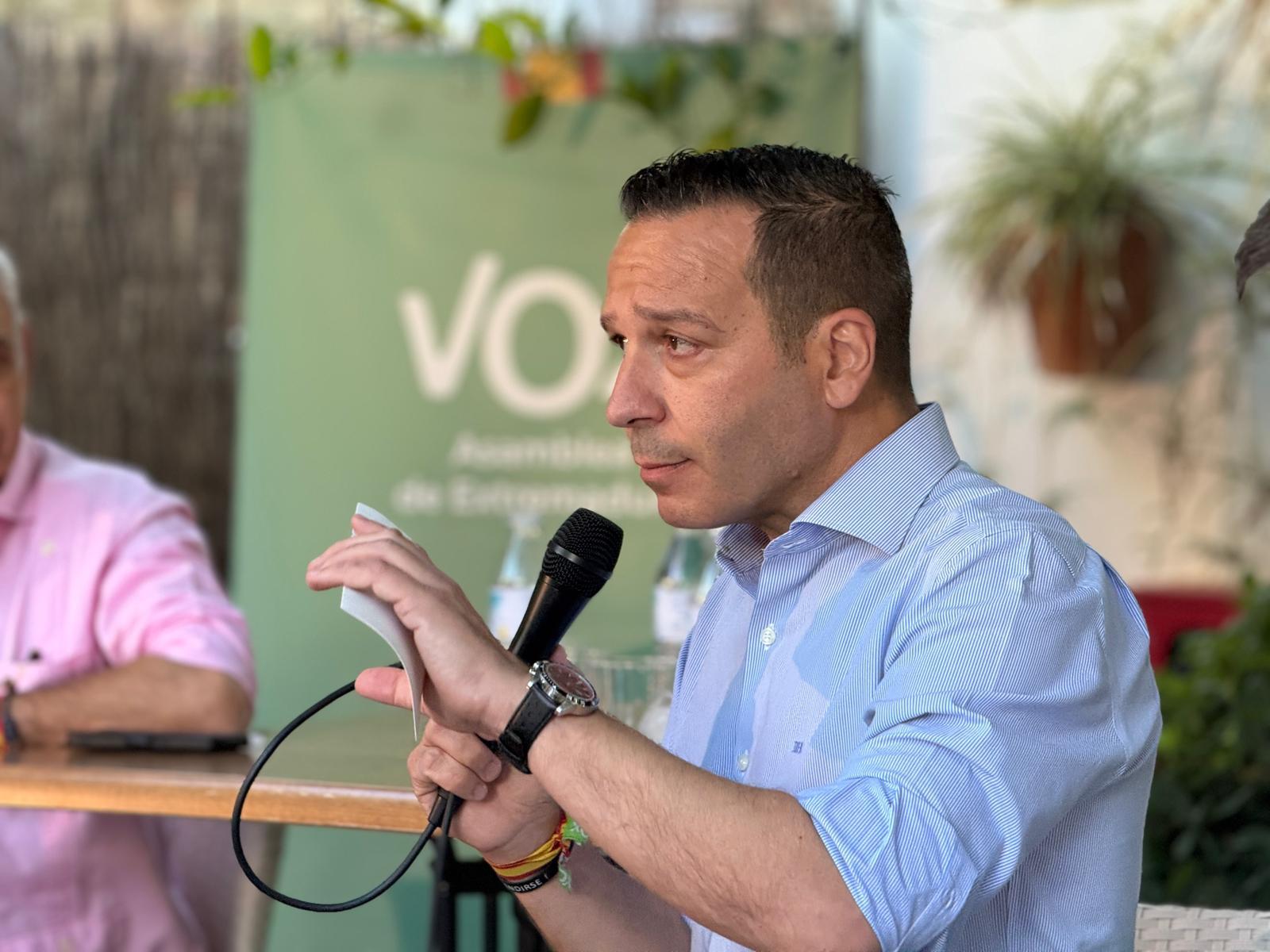
El principal alto cargo de Vox en la Consejería de Desregulación de Vox en Extremadura deja el puesto mes y medio después de su nombramiento La dimisión del secretario general del área, Víctor Manuel Caro Gil, no se incluyó en la reseña de los acuerdos del Consejo de Gobierno, que aprobó ayer su cese Leer
elmundo · 1 day ago

Tennessee conductor fired after telling July 4 passengers America is greatest country, critics should leave
news.yahoo.com · 1 day ago
DNS: Narativ, ki ga vodi Stevanović, je namenjen diskreditaciji novinarstva. Gorenak: Zdrži, Zoran. V društvu novinarjev so kritični do izjav predsednika DZ-ja Zorana Stevanovića, ki je že trem medijem zagrozil z izgubo finančnih virov, ker ni bil zadovoljen z njihovim poročanjem. Na drugi strani je Stevanovića podprl državni sekretar Vinko Gorenak.
rtv slovenia · 1 day ago
„Cea mai ascultată voce din PSD nu este Sorin Grindeanu, susține Constantin Toma, primarul Buzăului Primarul Buzăului, social-democratul Constantin Toma, a afirmat, la Podcasturile Cotidianul, că PSD este condus de fapt de către Olguţa Vasilescu şi de soţul acesteia, Claudiu Manda, secretar general al partidului, şi că „cea mai ascultată voce din PSD nu este Sorin Grindeanu, este Olguţa Vasilescu „De fapt, suntem conduşi de Olguţa şi Claudiu Manda. Asta …
hotnews.ro · 1 day ago
Kárász Róbertet és a választás utáni Magyar Péter-interjúkat készítő műsorvezetőket is kirúgták a közmédiából A Telex úgy tudja, szintén felmentették a Kossuth rádión korábban Orbán-interjúkat készítő Törőcsik Zsoltot.
444.hu · 1 day ago
Kapitány István kirúgta állami állásából azt a Joó Istvánt, aki némán menekült a 444 elől, miután a szomszédunkban Nikola Gruevszki volt macedón miniszterelnöknél vendégeskedett Joó mostanáig a HIPA Nemzeti Befektetési Ügynökséget vezette. A Nemzeti Exportfejlesztési Ügynökség vezetőjét is menesztette a gazdasági miniszter.
444.hu · 1 day ago
Meghalt Kádár Béla Az Antall-kormány külgazdasági minisztere, később MDF-es képviselő életének 93. évében hunyt el.
444.hu · 1 day ago
Újabb NER-es sportvezető mondott le, már nem Lázár János bizalmasa a kerékpáros szövetség elnöke Schneller Domonkos „az előtte álló megnövekedett egyéb feladatai miatt távozik.
444.hu · 1 day ago
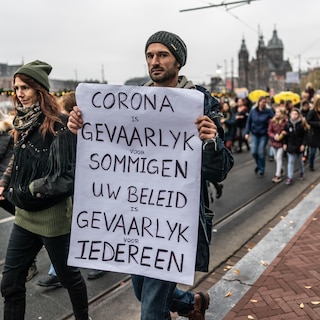
Journalist Eva Munnik: Coronacritici voelden zich weggezet als parias en wappies
trouw · 1 day ago

Neue Aufgabe für Boris Palmer – Dieses Amt soll er künftig unter Cem Özdemir übernehmen Baden-Württembergs neuer Ministerpräsident Cem Özdemir setzt auf Boris Palmer als Mitarbeiter. Der Tübinger Oberbürgermeister soll künftig als Berater der Regierung arbeiten – mit einem klaren Auftrag.
welt.de · 1 day ago
Klassische Musik: Konzerthaus Berlin: Dirigentin Mallwitz verlängert bis 2033 Chefdirigentin Joana Mallwitz (39) gilt als Ausnahmetalent. Seit drei Jahren leitet sie das Konzerthausorchester in Berlin - und soll nun noch länger am Gendarmenmarkt bleiben.
tagesspiegel · 1 day ago
Entschuldigung des ÖRR in Ungarn: Sendeschluss für die Propaganda Der ungarische Staatssender M1 wurde am Dienstagabend vorübergehend abgeschaltet. Der neue Regierungschef Péter Magyar will Orbáns ÖRR neu aufsetzen. mehr...
taz.de · 1 day ago
Vicepreședintele Comisiei pentru Apărare din Parlamentul rus l-a înjurat pe moderator și a plecat, întrebat fiind de ce nu e pe front Deputatul din Duma de Stat din Rusia, Alexei Juravlev, a provocat un scandal după ce intervievatorul, avocatul Ivan Mironov, l-a întrebat de ce parlamentarul nu participă la operațiunea militară specială (n. red. așa numesc rușii războiul din Ucraina). Alesul, care este și vicepreședinte al Comisiei pentru Apărare s-a enervat și l-a înjurat pe moderator, după care a plecat continuând să prolifereze cuvinte injurioase.
digi24 · 1 day ago
A Nemzeti Sport kirúgott főszerkesztője marad a sportújságíró-szövetség elnöke Sikertelen volt az ellene indított bizalmatlansági indítvány.
hvg.hu · 1 day ago
A volt budapesti rendőrfőkapitányt a munka alól is felmentik jövő januártól A Magyar Közlöny legfrissebb számából az is kiderül, hogy Szijjártó Péter pár hónapja visszahívott néhány nagykövetet.
hvg.hu · 1 day ago
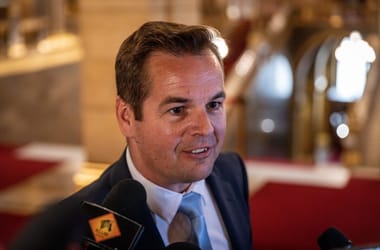
Németh Balázs szerint a közmédia nem a Fideszt segítette, hanem patrióta volt A volt műsorvezető arra a kérdésre nem válaszolt, hogy részrehajló volt-e a közmédia, de azt elmondta, mitől tart.
hvg.hu · 1 day ago
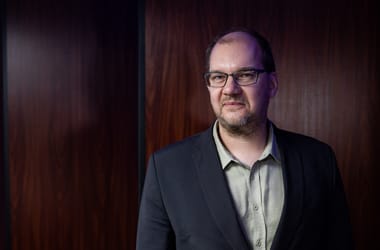
Polyák Gábor a TV2 stúdiójában: a csatorna tartozik egy bocsánatkéréssel a nézői felé A médiajogászt a közmédia elsötétüléséről, illetve jövőjéről kérdezték a Mokkában.
hvg.hu · 1 day ago

Lemondott a Magyar Kerékpáros Szövetség elnöke a tisztújítás előtt egy nappal Arra hivatkozott Schneller Domonkos, hogy nem tudna elegendő energiát fordítani a szövetség ügyeire.
hvg.hu · 1 day ago
Kulttuuripolitiikka | Rosa Meriläinen jättää kulttuurialan keskusjärjestön: Valitsin vapauden Rosa Meriläisen mukaan kulttuurialan seuraava suuri taistelu ei koske vain rahaa, vaan myös taiteen, tieteen, journalismin ja kansalaisjärjestöjen vapautta.
helsingin sanomat · 1 day ago
SAS vd Anko van der Werff avgår
svenska dagbladet · 1 day ago
Oper Graz: Intendant Ulrich Lenz wird nicht verlängert, Marlene Hahn folgt Der Fünf-Jahres-Vertrag des deutschen Opernintendanten Lenz läuft bis zum Ende der Saison 2027/28. Als Nachfolgerin wurde die deutsche Musikdramaturgin Marlene Hahn von der Oper Leipzig präsentiert, die bereits 2015 bis 2022 am Grazer Haus gearbeitet hatte.
die presse · 1 day ago

Marlene Hahn folgt an der Oper Graz auf Intendant Ulrich Lenz Die deutsche Musikdramaturgin übernimmt 2028 vom jetzigen Intendanten. Lenz verlässt Graz somit nach einer Amtsperiode
der standard · 1 day ago
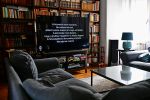
Sendeschluss in Ungarn für Orbán-Propaganda Schon kurz nach seiner Wahl kündigte Ungarns neuer Ministerpräsident Péter Magyar an, den öffentlich-rechtlichen Rundfunk vorübergehend auszusetzen. Am Dienstag machte er Ernst
der standard · 1 day ago
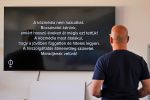
Ungarns Rundfunkreform ist bitter nötig – und kein "Despotismus" Der neue Premier Péter Magyar hat im Wahlkampf ein System ohne Parteipropaganda auf Staatskosten versprochen. Daran arbeitet er, und daran muss er sich künftig messen lassen
der standard · 1 day ago