
Dagmar Berghoffs 1976 Tagesschau debut reshapes German TV: 50 years on, women lead the news
Story Timeline
3 months · 2 summary articles
Heiner Wilmer installed as Bishop of Mnster, signals break with churchs past
Dagmar Berghoffs 1976 Tagesschau debut reshapes German TV: 50 years on, women lead the news
Fifty years after Dagmar Berghoff became the first female face of Germany’s *Tagesschau*, the broadcaster’s archives are once again reflecting on the barriers women have broken in television. On 16 June 2026, German media historians marked the anniversary of Berghoff’s debut—on 16 June 1976—when she replaced the all-male roster of the evening news. The move came despite resistance from then-chief anchor Karl-Heinz Köpcke, who had publicly stated he preferred male presenters. Berghoff’s rapid rise to popularity reshaped public expectations and paved the way for generations of women in German broadcasting .
Her appointment was not merely symbolic. Berghoff’s calm delivery and authoritative presence challenged stereotypes about women’s roles in hard news, a domain long dominated by men. Within months, other public broadcasters began rethinking their own hiring practices. By the late 1980s, female anchors had become commonplace across German television, a shift that mirrored broader social changes in gender equality. Berghoff herself remained a fixture of *Tagesschau* until her retirement in 2004, cementing her legacy as a pioneer.
The anniversary arrives at a moment when German television continues to grapple with gender representation, though on different fronts. Earlier this month, Charlotte Würdig—formerly Charlotte Engelhardt—reverted to her maiden name after her divorce from rapper Sido, citing professional clarity ahead of a new TV show. Despite bureaucratic hurdles, she will appear publicly as Charlotte Engelhardt, underscoring ongoing debates about identity, autonomy, and public perception in the entertainment industry .
Meanwhile, across Europe, women in media are navigating new challenges and opportunities. In Sweden, a novel dating concept blending stand-up comedy and matchmaking—“Singelkubben”—has debuted, where friends pitch potential partners in real time, reflecting shifting social norms around romance and visibility . In the UK, football executive Carol Shanahan emphasized a growth mindset in leadership, telling *Financial Times* that in business, “you win or you learn,” while calling for better financial guidance for newly wealthy women .
Against this backdrop, Berghoff’s milestone serves as a reminder of how far representation has come—and how much remains to be addressed. Her story is not just one of personal achievement, but of institutional change: a single appointment that helped redefine who could be trusted to deliver the news. As German television celebrates her legacy, it also confronts the next chapter—one where women are not only seen, but heard, led, and respected on their own terms.
Follow us for live European news
- 2
- 1
- 1
- 1
- 1
- 1
- 1
- 1
Articles

‚Pohlídáme Babiše! Vlastně ne, pohlídáme Babišovi byznys! Lepší příklad toho, jak se mění pravidla, aby stát fungoval ve prospěch držitelů moci, jsme asi ještě v Česku neviděli. Skupina vládních poslanců navrhla změnit zákon o střetu zájmů tak, aby dokonale vyhovoval zájmům Andreje Babiše.
irozhlas.cz · 3 months ago
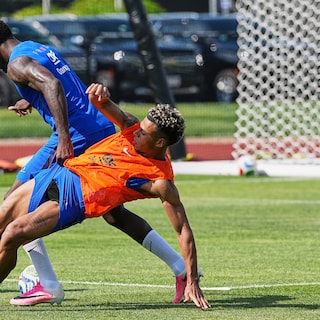
Frankrijk aan de beurt op het WK voetbal, of Brad Pitt als De Dood: dit zijn onze tv-tips voor vandaag
de morgen · 3 months ago
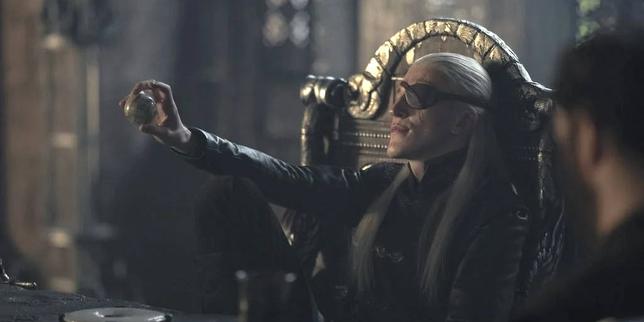
Les séries de la semaine : « House of the Dragon », « Everwood » et « Devils Playground » Chaque mardi, La Matinale du Monde propose une sélection de programmes à (re) découvrir sur petit écran. Aujourdhui, notamment, la prévisible saison 3 des aventures de la dysfonctionnelle famille Targaryen.
le monde · 3 months ago
Fernsehgeschichte: Dagmar Berghoff wird vor 50 Jahren zur „Miss Tagesschau Entdeckt hatte sie der damalige Chefsprecher Karl-Heinz Köpcke, der eigentlich keine Frauen in seiner Nachrichtensendung wollte. Berghoff avancierte jedoch schnell zum populären TV-Gesicht.
tagesspiegel · 3 months ago
Singeltjejerna flockas runt skådisen efter pitchen Träffa nya partnern på lokal – och låt kompisen sälja in dig. Det är ett koncept som nu haft premiär i Sverige. Både dejtingshow och standup, tycker Angela Ahola som tagit hit idén.
svenska dagbladet · 3 months ago
Women in Business English Football boss Carol Shanahan says: you win or you learn. Plus, newly wealthy women need better advice; Nordic fertility measures are not working; menstrual leave; sudden hair loss; and the unstoppable rise of film executive Aparna Purohit
financial times · 3 months ago
War mit Sido verheiratet: Charlotte Würdig will nach Scheidung ihren Ehenamen ablegen Nach der Trennung von Ex-Mann Sido hatte die Moderatorin dessen Nachnamen behalten. Zum Start einer neuen TV-Show tritt sie nun aber wieder als Charlotte Engelhardt auf – trotz bürokratischer Hürden.
tagesspiegel · 3 months ago
Gesellschaft: Soap-Star Nadine Menz moniert Doppelmoral beim Altern im TV Erst Teenie, kurz darauf schon Großmutter: Schauspielerin Nadine Menz kritisiert die ungleichen Altersmaßstäbe für Frauen und Männer in der Branche. Oft werde Frauen „regelrecht verboten zu altern.
tagesspiegel · 3 months ago
Tykačův svět & Vrtěti psem: Kam až sahají ambice Ivany Tykač? O Ivaně Tykač se v posledních měsících mluví stále více nahlas. Ve spojení s byznysem, budoucností Česka i politickými ambicemi. Jaký vliv má ve skutečnosti? Je to podnikatelka, která si chrání reputaci a rozšiřuje byznys, nebo žena, jež si velmi systematicky buduje veřejnou a politickou budoucnost? Poslechněte si speciální díl podcastů Vrtěti psem a Tykačův svět.
denik n · 3 months ago

"Die Theorie von Allem", "Sinn und Sinnlichkeit": TV-Tipps für Dienstag Außerdem der "Report", die Komödie "Jungfrau (40), männlich, sucht ..." und frühmorgens bereits am Mittwoch Österreichs Einstand bei der Fußball-WM
der standard · 3 months ago
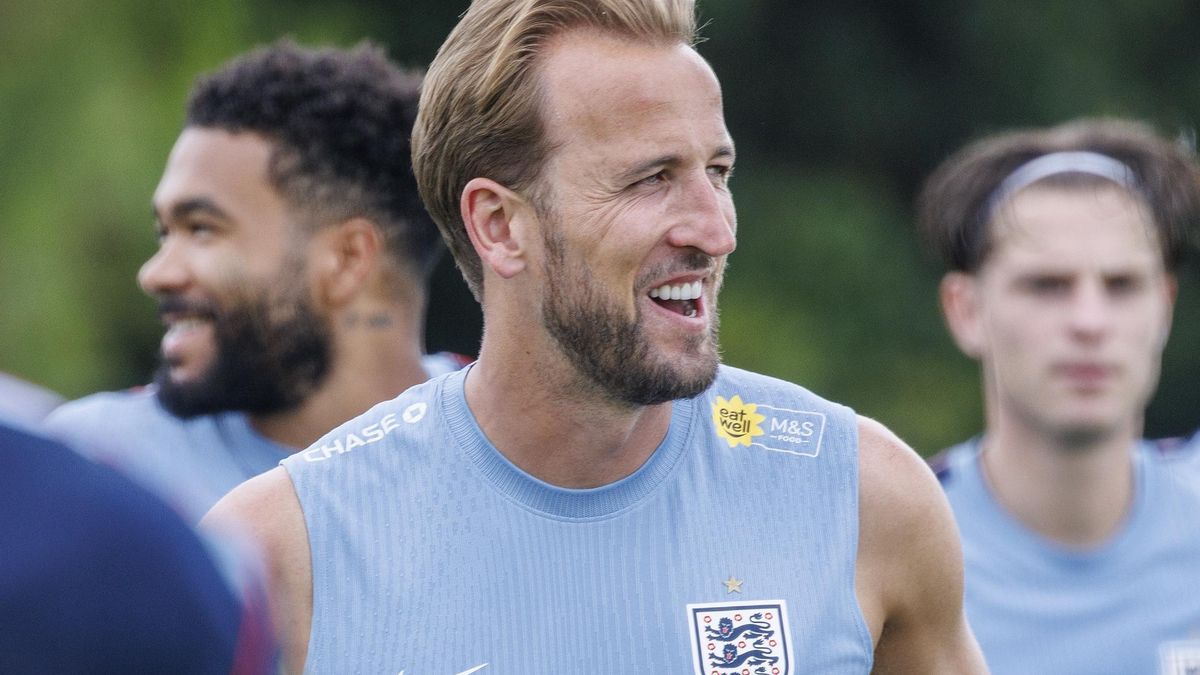
Inglaterra - Croacia: horario y dónde ver el partido del Mundial 2026 Los de Thomas Tuchel debutan en el Grupo L frente a una selección croata que mantiene buena parte del bloque con el que ha competido al máximo nivel durante la última década Guía del Mundial 2026: cuándo empieza, horarios, rivales de la selección española y dónde ver los partidos por TV El Mundial de 2026 continúa avanzando esta fase de grupos y llega el turno del debut del Grupo L con el duelo correspondiente entre las selecciones de Inglaterra y Croacia. Ambos equipos se medirán en el AT&T Stadium de Arlington, en Texas. El cuadro inglés afronta el campeonato con una plantilla rejuvenecida. El combinado dirigido por Thomas Tuchel cuenta con Harry Kane como principal referencia ofensiva y dispone además de futbolistas llamados a marcar diferencias como Jude Bellingham, Bukayo Saka o Declan Rice. Sin embargo, Inglaterra también llega al estreno con ausencias relevantes. El conjunto británico no podrá contar con Phil Foden ni con Cole Palmer, dos futbolistas que estaban llamados a desempeñar un papel importante en el torneo y cuya baja reduce las opciones del equipo en ataque. Enfrente estará una Croacia que mantiene la estructura que le ha permitido competir al máximo nivel durante los últimos años. El conjunto balcánico sigue liderado por Luka Modric, una de las figuras más emblemáticas del fútbol europeo contemporáneo. El centrocampista croata afronta en Estados Unidos su quinta participación en una Copa del Mundo. Modric llega al torneo después de haber superado la lesión facial sufrida durante el pasado mes de abril y vuelve a ejercer como principal referencia de un equipo dirigido por Zlatko Dalić que aspira a seguir siendo uno de los rivales más incómodos de los grandes torneos. El partido también servirá para medir el estado de dos selecciones que llegan al campeonato con objetivos ambiciosos. Inglaterra busca confirmar el potencial de una generación renovada, mientras que Croacia confía una vez más en la experiencia acumulada por buena parte de sus futbolistas para competir frente a algunas de las principales potencias del fútbol mundial. El escenario será el AT&T Stadium de Arlington, una de las sedes del Mundial. El encuentro se disputará en horario vespertino para los aficionados estadounidenses, una circunstancia que añadirá una exigencia climatológica notable en pleno periodo estival. Horario y dónde ver el Inglaterra - Croacia del Mundial 2026 El partido entre Inglaterra y Croacia, correspondiente a la primera jornada del Grupo L del Mundial 2026, se disputará el miércoles 17 de junio. El balón echará a rodar a las 22:00 horas en la España peninsular y Baleares, mientras que en Canarias comenzará a las 21:00 horas. El encuentro podrá seguirse en directo a través de DAZN, plataforma que ofrece la totalidad de los partidos del Mundial de 2026, además de RTVE Play.
eldiario.es · 3 months ago
Skådisen säljs in av vän – får flera napp direkt Träffa nya partnern på lokal – och låt kompisen sälja in dig. Det är ett koncept som nu haft premiär i Sverige. Både dejtingshow och standup, tycker Angela Ahola som tagit hit idén.
svenska dagbladet · 3 months ago