Loading…
 Saturday, August 8Saturday, August 8
French presidential candidate Gabriel Attal filed a complaint on Friday alleging foreign interference in next year’s election, his lawyers told French media on Saturday. The complaint targets “acts of foreign interference, manipulation of information, fabrication of content likely to undermine the fundamental interests of the nation and the sincerity of the upcoming presidential election,” according to BFMTV.
Attal, a former prime minister and leader of the centrist Renaissance party, accused Russian-linked networks of spreading disinformation to discredit his candidacy. His legal team stated that accounts on X, some impersonating French and international media, had disseminated fake video reports and newspaper articles attributing false statements to him. French cybersecurity agency Viginum previously warned Attal of a disinformation campaign by the Russian propaganda unit Matrjoschka, which fabricated headlines mimicking outlets like Le Monde and AFP before seeding them on Telegram and X, local reports said .
The tactic involves testing fabricated content on pro-Russian Telegram channels before amplifying it via “seeders” and “quoters” who direct the material to journalists and fact-checkers, Viginum’s analysis showed. Even when debunked, the false claims gain visibility, achieving the campaign’s goal of sowing doubt, according to the Süddeutsche Zeitung .
Attal’s complaint follows similar allegations by other French political figures, including Édouard Philippe and Raphaël Glucksmann, who have also been targeted by Russian disinformation efforts ahead of the 2027 vote. The French government has linked these operations to Kremlin-affiliated groups, including Storm-1516 and Matrjoschka, which have previously focused on themes like the Ukraine war and immigration .
In Estonia, Urmas Reinsalu, leader of the Isamaa party, criticized the coalition’s push to shape the presidential election agenda months before its term ends, calling it an overreach amid a trust crisis. Reinsalu, a biologist born in 1961, argued that the same parties deepening the crisis are now prioritizing their own interests in the presidential race . Meanwhile, unaffiliated members of the Riigikogu are discussing their votes for the Sept. 2 presidential election, with the coalition seeking their support to secure a candidate .
Estonia’s Chancellor of Justice Ülle Madise said she would not seek the presidency but would seriously consider running if nominated with broad cross-party support .
Follow us for live European news
4 further sources not geolocated

URMAS REINSALU ⟩ Koalitsioon tahab presidendi määrata – see on üleolev käitumine Eesti kodanike suhtes Eestis on usalduskriis. Samad parteid, kelle poliitika on seda kriisi süvendanud, tegelevad nüüd, loetud kuud enne oma võimu lõppu aktiivselt presidendivalimistel oma agenda kujundamisega. Vaadakem seda teekonda sammude kaupa, kirjutab Isamaa esimees Urmas Reinsalu.
postimees · about 2 hours ago

O "lado do bem" chega para salvar o ministro Luís Neves? Entre cartões de crédito e missões no Brasil, Luís Neves jura que agiu pelo "lado do bem". O Governo tenta o resgate, mas a atmosfera está cada vez mais asfixiante para o ministro.
observador · about 2 hours ago
„Nu există nicio cale de scăpare. Cuba, colonia renegată a SUA: în interiorul campaniei de presiune a lui Marco Rubio asupra Havanei Secretarul de stat american Marco Rubio duce un război economic fără precedent împotriva Cubei — și vrea să se asigure că liderii comuniști ai insulei știu că situația se va înrăutăți. „Ceea ce încercăm să le transmitem este că nu există nicio cale de scăpare, a declarat acesta pentru Axios.
digi24 · about 2 hours ago
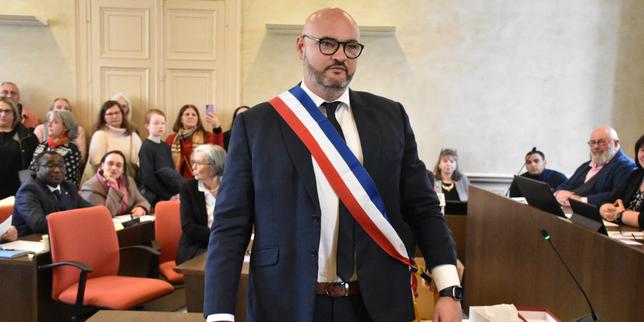
Le maire RN de Montargis démissionne, quatre mois seulement après son élection Dans un communiqué, Côme Dunis évoque « un problème de santé ». Entre la hausse de ses indemnités et la suspension de grands projets pour la ville, le début de mandat de cet ancien « gilet jaune » avait été émaillé de nombreuses polémiques.
le monde · about 2 hours ago
Gör inte samma misstag som Norge Sverige bör kopiera de norska reformer inom transportpolitiken som fungerat – inte de som Norge nu vill lämna, till exempel så kallade bompengar. Det skriver Gunnar Lindberg, med egen erfarenhet från Norge.
svenska dagbladet · about 2 hours ago

„Die ganze Partei betroffen – Frei spricht Kooperationsverbot mit AfD aus Die Bundes-CDU untersagt dem Landesverband Sachsen-Anhalt nach der Landtagswahl eine Koalition mit der AfD. Das Kooperationsverbot sei ein Grundsatzbeschluss, der bundesweit gelte, sagt Thorsten Frei, Unionsfraktionschef, bei WELT TV.
welt.de · about 2 hours ago
Deepfakes, faux reportages vidéo, fausses unes de journaux : Gabriel Attal porte plainte, dénonçant une ingérence russe Le candidat à la présidentielle et patron du parti Renaissance a porté plainte pour «ingérence étrangère» en «provenance de réseaux russes», ont fait part samedi 8 août ses avocats.
liberation · about 2 hours ago
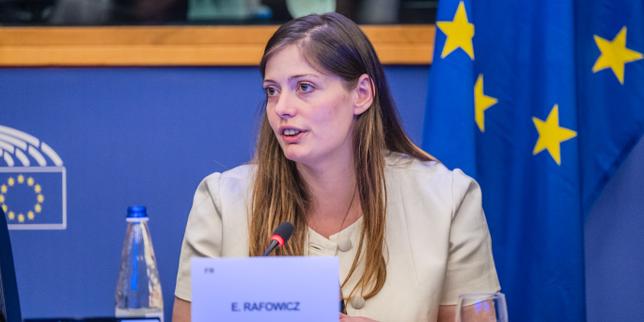
Liberté des médias : la France accuse plus dun an de retard dans la mise en œuvre des règles européennes Un an après lentrée en application du règlement européen sur la liberté des médias, la France na toujours pas mis en œuvre ces règles censées encourager le pluralisme, lindépendance de laudiovisuel public et le secret des sources.
le monde · about 2 hours ago

„Deutschland ist sicherheitspolitisch ein Entwicklungsland Historiker Michael Wolffsohn kritisiert die sicherheitspolitische Lage Deutschlands und fordert mehr Fokus auf konkrete Bedrohungen statt Schuldzuweisungen. „Wir lebten in den letzten Jahre in einer Traumwelt, die es gar nicht mehr gibt.
welt.de · about 2 hours ago

"Agendódromo". A investigação que leva Luís Neves a tribunal Luís Neves defendeu a sua gestão na PJ embora o MP no Tribunal de Contas tenha imputado o pagamento de uma sanção ao ministro
observador · about 2 hours ago
Vor der Wahl in Sachsen-Anhalt: Frei pocht auf Kooperationsverbot der CDU mit der AfD Die Ultrarechten steuern den Umfragen zufolge in Magdeburg auf einen Sieg zu. Der neue Unionsfraktionsvorsitzende macht deutlich: Die Entscheidung zur Zusammenarbeit liegt nicht vor Ort.
tagesspiegel · about 2 hours ago
Tempolimit und Bahn stärken: Grüne: Neuer Verkehrsminister muss mehr fürs Klima tun
die zeit · about 2 hours ago
ROHKEM VANGLAKARISTUSI ⟩ Rootsi valitsus tahab veel enne valimisi kujundada ümber riigi karistussüsteemi Rootsi parempoolne valitsus koos neid toetavate käremeelsete Rootsi Demokraatidega loodab veel enne kuu aja pärast toimuvaid valimisi suruda parlamendis läbi viimase poole sajandi suurima karistussüsteemi reformi, mille üheks osaks on vangistuse eelistamine võimalikele muudele karistuse liikidele.
postimees · about 2 hours ago
Soupçons de cumul demplois à la ville et à la RATP : une association anticorruption porte plainte contre Bally Bagayoko Réagissant à un article du «Canard enchaîné» qui évoque dans le passé du nouveau maire insoumis de Saint-Denis un «double agenda» à la ville et à la RATP, AC !! Anti-Corruption a déposé une plainte auprès du Parquet national financier.
liberation · about 2 hours ago
Gabriel Attal alleges Russian interference in French presidential race Attal becomes the latest contender to file a complaint over alleged Russian interference ahead of the April 2027 presidential vote.
politico.eu · about 2 hours ago

Former prime minister and presidential candidate Gabriel Attal has filed a complaint over an alleged Russian disinformation campaign ahead of next years French presidential election, local news outlets reported today.
bluesky_Politico Europe · about 2 hours ago
Borbás Marcsi tényleg beperelte az őt a Fidesz kis árulói közé soroló Kocsis Mátét „Kocsis szerint áruló vagyok, hiszen ha cégünk dolgozott a köztévének, akkor engem valami furcsa omerta kötelez arra, hogy… mire is? - reagált a Fidesz frakcióvezetőjére a műsorvezető.
444.hu · about 2 hours ago

Kyrgyzstans security agency, the GKNB, has taken down real criminal networks — but its also spent years going after ibusinesses, journalists, activists, and anyone who crossed the regime. Many ordinary citizens decline to speak to reporters on the record and even refrain from using regular phones.
bluesky_OCCRP · about 2 hours ago
Le Pen, Zemmour, Philippot… Qui sont les candidats dextrême droite à lélection présidentielle ? En avril 2022, lextrême droite avait recueilli près de 30 des voix au premier tour du scrutin. En 2027, tandis que Marine Le Pen est annoncée au second tour, les candidats nationalistes comptent bien sinviter à lElysée.
liberation · about 2 hours ago
🇺🇸⚡️— Wikipedia Co-founder Larry Sanger Claims CIA Edited Articles In an interview with Berliner Zeitung, Sanger asserted that Wikipedia content has been edited over the years to serve the interests of governments, corporations, and other influential entities. "What we know as a fact, thanks to various pieces of evidence: the CIA has already edited Wikipedia," Sanger stated. According to him, the platform has strayed from its original principle of neutrality and has developed a left-liberal bias. @Intelslava
telegram_Intel Slava · about 3 hours ago

9h. Luís Neves vai ser julgado pelo pagamento de viagens Luís Neves vai ser julgado no Tribunal de Contas pelo pagamento de viagens ao Brasil. Em causa estão suspeitas de corrupção no consulado do Rio e infiltração do crime organizado como o PCC.
observador · about 3 hours ago
Unaligned MPs mulling presidential candidates Unaffiliated members of the Riigikogu are discussing who they will vote for at the upcoming presidential election on September 2, and the coalition will need their support to elect their chosen candidate.
news.err · about 3 hours ago

Après des soupçons dingérence russe, le candidat à la présidentielle Gabriel Attal porte plainte : "La Russie veut voler ce scrutin" Lex-Premier ministre français Gabriel Attal, candidat à la présidentielle de 2027, a porté plainte pour "ingérence étrangère" en "provenance de réseaux russes" cherchant à la déstabiliser, ont indiqué samedi ses avocats. ...
la libre · about 3 hours ago
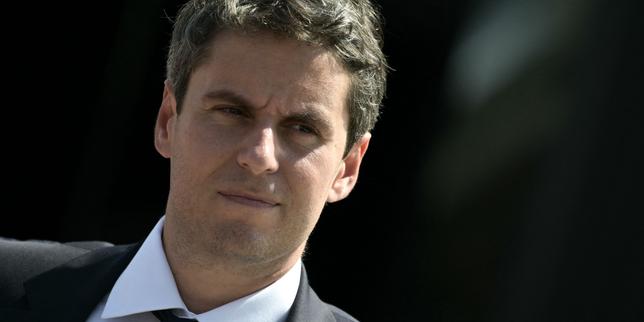
Présidentielle 2027 : Gabriel Attal porte plainte « pour une ingérence numérique extérieure » et « en provenance de Russie » La plainte, déposée vendredi soir, dénonce « des faits dingérence étrangère, de manipulation de linformation, de fabrication de contenus truqués, susceptibles de porter atteinte aux intérêts fondamentaux de la nation et à la sincérité du scrutin présidentiel à venir ».
le monde · about 3 hours ago
Pour Benoît Hamon, la «taxe robot» dElon Musk est «un instrument pour éviter linsurrection» Il y a dix ans, face à lautomatisation du travail, lex-candidat socialiste à la présidentielle plaidait pour un revenu universel financé à laide des richesses issues de la technologie. Une idée récemment reprise par les géants de la tech, qui portent, selon lui, un projet bien différent.
liberation · about 3 hours ago
Government defends advisory council over appointments scandal The government defended the role of the advisory council on Saturday as criticism continued over the appointment of boards to semi government organisations, with deputy government spokesman Yiannis Antoniou describing attacks on the body as unfair. Antoniou said the council was created as part of a new system intended to improve transparency and merit in […]
cyprus mail · about 3 hours ago
3h. Governo articulou auditorias à PJ com Luís Neves Investigações fazem parte da estratégia do Executivo para afastar suspeitas de proteção política e retirar força à CPI do Chega. Ainda nesta edição, Estoril e Famalicão abrem a época a empatar.
observador · about 3 hours ago
Madise: I am not running for president, but I will consider it if necessary Chancellor of Justice Ülle Madise said she has not put herself forward as a presidential candidate, but would seriously consider the role if the Riigikogu can find enough votes to support her.
news.err · about 3 hours ago
Armenia puts Church leader on trial for allegedly being a Russian spy Armenias head of the Apostolic Church and senior clergy could face jail time over allegations of spying for Russia.
aljazeera · about 3 hours ago
Landtagswahlen: CDU-Spitze würde AfD-Zusammenarbeit im Osten nicht dulden Hält die Brandmauer, wenn die CDU in Sachsen-Anhalt nach der Wahl mit der AfD regieren könnte? Fraktionschef Frei macht klar, dass die Bundespartei eine solche Zusammenarbeit nicht hinnehmen würde.
handelsblatt · about 3 hours ago