
German inflation rises to 2.9% in August on energy price surge

Story Timeline
12 hours · 2 summary articles
German inflation rises to 2.9% in August on energy price surge
Oil prices jump over 2% after US strikes on Iran in Strait of Hormuz spark supply fears
Continuation
German inflation rose to 2.9% in August, up from 2.8% in July and 2.3% in June, according to a preliminary estimate from the Federal Statistical Office released on Monday. Energy prices drove the increase, surging 10.5% year-on-year, compared to 8.3% in July, as the renewed conflict between the U.S. and Iran pushed oil prices higher. In North Rhine-Westphalia, heating oil costs rose 33.6%, diesel 35.6%, and gasoline 24% compared to August 2025, with fuel prices alone climbing 2.6% from July to August due in part to low water levels on the Rhine disrupting barge deliveries to refineries, the state statistics office noted.
Food prices increased just 0.1% year-on-year, down from 0.4% in July, while core inflation—excluding energy and food—remained at 2.4%. Services such as insurance and travel saw prices rise 2.8%, slightly below the overall rate. The European Central Bank’s target of 2% inflation remains unmet, with economists expecting a potential interest rate hike at the ECB’s September meeting, as minutes from its July session suggested further increases may be necessary if inflation outlook does not improve significantly.
The Euribor, the benchmark rate for variable mortgages in Spain, closed August at 2.9512%, its highest level in two years, up from 2.855% in July and 2.114% in August 2025. The rate briefly exceeded 3% on August 21 and 26, a level not seen since September 2024. Analyst Antonio Castelo of iBroker said the rise reflects market expectations of stricter ECB monetary policy, with the central bank likely to raise rates if inflation persists above 3%. A 150,000 euro mortgage at Euribor plus 1% over 25 years would see annual payments rise by about 810 euros, while a 300,000 euro loan under the same terms would face a 1,620 euro increase, according to calculations based on the August rate.
Oil prices surged above $90 per barrel on Monday after U.S. strikes on Iran’s Larak Island, exacerbating concerns over supply disruptions in the Strait of Hormuz. European gas prices also spiked, with the Dutch TTF benchmark exceeding €70 per megawatt-hour. In Finland, petrol prices rose 23% and diesel 40% compared to August 2025, while Cyprus industry representatives warned diesel could near €2 per liter as tax relief expires.
Global markets reacted to the developments, with European stocks closing lower amid fears of further rate hikes. The Ibex 35 in Spain fell 0.34% on Monday, though it gained 0.97% for the month. Federal Reserve Chair Kevin Warsh’s hawkish remarks at Jackson Hole last week reinforced expectations of a U.S. rate increase in September, with investors pricing in a 60% probability.
Follow us for live European news
- 5
- 4
- 2
- 1
- 1
- 1
- 1
- 1
- 1
- 1
3 further sources not geolocated
Articles

Latvias GDP up 2.8 in six months Data published on August 31 by the Central Statistical Bureau (CSB) shows that in the first 6 months, compared to the respective period of the previous year, GDP at constant prices (seasonally and calendar non-adjusted) increased by 2.8 . GDP at current prices comprised EUR 21.3 billion.
lsm latvia · about 1 hour ago
2,9 Prozent im August: Inflation in Deutschland zieht weiter leicht an Die Verbraucherpreise werden erneut durch teure Energie und den Iran-Konflikt getrieben. Keine weitere Verschärfung gibt es dagegen bei den Lebensmittelpreisen.
tagesspiegel · about 1 hour ago
Dax aktuell: Dax schließt deutlich im Minus – Siemens Energy ist der größte Verlierer Der Dax kann nicht an seinen Rekord vom Freitag anschließen. Anleger bleiben angesichts der neuen Angriffe in Nahost und einer hartnäckig hohen Inflation in Deutschland zurückhaltend.
handelsblatt · about 1 hour ago
Se scumpesc permisul de conducere și certificatul de înmatriculare. Cât vor costa documentele auto începând cu 15 septembrie Direcția Generală Permise de Conducere și Înmatriculări (DGPCI) a anunțat luni, 31 august, majorarea tarifelor pentru eliberarea permisului de conducere, a certificatului de înmatriculare și a autorizației de circulație provizorie. Noile sume vor fi aplicate începând cu 15 septembrie 2026.
digi24 · about 1 hour ago
Toamna începe cu vreme schimbătoare. Cum arată prognoza până pe 13 septembrie, în fiecare regiune din țară Meteorologii anunță o vreme schimbătoare în următoarele două săptămâni, între 31 august - 13 septembrie, cu temperaturi care vor oscila în mai multe regiuni ale țării. După o răcorire la începutul lunii septembrie, temperaturile vor crește din nou în jurul datei de 5-6 septembrie, apoi vor scădea treptat, iar ploile vor reveni în mai multe zone.
digi24 · about 1 hour ago

El Euríbor cierra agosto en el 2,95, su nivel más alto desde hace dos años, y encarece las hipotecas El euríbor ha girado al alza en 2026, al modificar las consecuencias que está teniendo el conflicto en Oriente Próximo en la inflación sobre los tipos de interés Leer
elmundo · about 1 hour ago

Energie, Gemüse, Salat: Inflation in Deutschland steigt auf 2,9 Prozent Kommen zu den Spritpreis-Exzessen jetzt zu allem Überfluss durch schlechte Ernten auch noch höhere Lebensmittelpreise hinzu? Ein Überblick, was für Verbraucher alles teurer oder billiger geworden ist.
faz · about 1 hour ago
Teure Energie: Inflation legt weiter zu Der Iran-Krieg treibt die Teuerung in Deutschland weiter an, im August liegt die Inflationsrate bei 2,9 Prozent. Aber auch das Niedrigwasser im Rhein hat Auswirkungen.
sueddeutsche · about 1 hour ago

German Inflation Rises But Few Signs of Energy-Shock Spillover Inflation picked up in Germany this month, though less than expected, with few signs of broader price pressures in the economy despite conflict in the Middle East keeping upward pressure on energy costs.
wsj · about 1 hour ago
Finland sees late-summer spike in average fuel prices Motorists in Finland have paid around 23 percent more per litre of petrol, and 40 percent more for diesel, compared to August 2025.
yle.fi · about 1 hour ago
Indias GDP beats growth forecast at 7.8 Worlds fastest-growing large economy outperforms central bank expectations as Middle East energy shock starts to bite
financial times · about 1 hour ago

Higher food inflation could constrain spending on non-food items, India report says reut.rs/3UpLZRb
bluesky_Reuters · about 1 hour ago
La Fed pone freno al rally del bitcoin La cotización del bitcoin despide el mes de agosto con un balance muy positivo, pero inmerso ahora en un freno, activado por la Fed, que ha borrado el nivel de los 80.000 dólares. Leer
expansion · about 1 hour ago

El euríbor cierra agosto en el 2,95, su nivel más alto desde hace dos años, y adelanta subidas hipotecarias La tasa de referencia para el mercado interbancario sube 11 puntos básicos en un mes y 84 en un añoLas hipotecas para vivienda se disparan un 10 en un junio de récord desde 2010 El Euríbor, la tasa de referencia del mercado interbancario al que están ligadas la mayoría de las hipotecas a tipo variable de España, ha cerrado el mes de agosto en el 2,95, su nivel más alto desde ese mismo mes en 2024, cuando el índice se posicionó en el 3,169, de acuerdo a los datos preliminares recogidos por Europa Press y a falta de confirmación por parte del Banco de España. En concreto, en comparación con julio, la tasa ha subido en 11 puntos básicos. Frente al octavo mes de 2025, el Euríbor se ha encarecido en 84 puntos básicos, frente al 2,112 que llegó a registrar entonces. Este dato implica que una persona que tenga contratada una hipoteca variable de 150.000 euros a 30 años y con un diferencial del 0,99 más Euríbor y deba revisar su tipo de interés con el Euríbor de agosto registrará un incremento en su cuota de 70,25 euros al mes. Esto equivale a 843 euros al año. Este cálculo, realizado por Europa Press, implica el máximo nivel de ascenso para una persona que haya contratado una hipoteca con ese nivel financiado, ya que al tratarse de una revisión al principio del préstamo (es decir, le quedan 30 años por amortizar), el cambio en el tipo de interés tiene mucho más impacto al haber mucho principal por amortizar. En este sentido, la portavoz de iAhorro, Laura Martínez, ha argumentado que, con los datos cosechados, el Euríbor está adelantando un endurecimiento del precio del dinero por parte del Banco Central Europeo (BCE). Así, ha detallado que el mercado se mueve más rápido que los bancos centrales, que aún no han confirmado si habrá nuevas subidas de los tipos de interés, lo que ya se está reflejando en la cuota mensual de las hipotecas a tipo variable. Por su parte, el portavoz de Finanzas Personales de Kelisto.es, Pedro Ruiz, ha explicado que lo más preocupante es que este movimiento del Euríbor viene acompañado de nuevas señales de que las presiones inflacionistas provocadas por el conflicto en Oriente Próximo están siendo más persistentes de lo esperado. El escenario ha empeorado claramente respecto al que manejábamos hace apenas un mes, lo que reduce considerablemente el margen para que la tasa de referencia interbancaria experimente una bajada significativa a corto plazo, ha remarcado Ruiz. En la misma línea, el experto en finanzas de Roams, Pablo Vega, ha avanzado que, de cara a la reunión de septiembre --en la que ya se descuenta una subida de 25 puntos básicos-- el mercado no estará pendiente únicamente de si el BCE eleva el tipo de interés, sino de cuántas subidas cree que pueden quedar después. Así, Vega ha precisado que será ese el verdadero catalizador para saber si el 3 actúa como zona de consolidación o como punto de partida para un nuevo tramo al alza. Cierre del año por encima del 3 De cara al cierre del presente 2026, los expertos de las distintas casas de análisis coinciden en que el comportamiento del euríbor dependerá, casi en su totalidad, de la situación en Oriente Próximo, aunque auguran que el índice se posicionará próximo al 3. Si los avances diplomáticos permiten normalizar progresivamente el tránsito por Ormuz, los precios energéticos se moderan y el BCE limita su respuesta a una subida adicional en septiembre, el euríbor podría terminar 2026 en el entorno del 2,8-3, ha pronosticado el portavoz de Finanzas Personales de Kelisto. En cambio, de enquistarse el conflicto y no resolverse en la segunda mitad del ejercicio, el analista hipotecario de HelpMyCash, Miquel Riera, ha calculado que el tipo interbancario alcanzará el 3 en diciembre; con opciones de llegar a situarse en el 3,10 como máximo. En cualquier caso, Riera ha anticipado que el euríbor acabará el año por encima de los valores de finales de 2025 --2,267 en el mes de diciembre--. Por ello, ha recomendado a quienes tengan una hipoteca a tipo variable calculen si podrán pagar las cuotas con un índice al 3 o más. Si su capacidad económica no se lo permite, es importante hablar con el banco para tratar de buscar soluciones, como pasarse al tipo fijo o reducir la cuota mediante una prolongación del plazo, ha aconsejado.
eldiario.es · about 1 hour ago

Inflation zieht mit 2,9 Prozent deutlich an – besonders Kraftstoff und Heizöl betroffen Die Inflation in Deutschland zieht im August auf 2,9 Prozent an. Vor allem deutlich höhere Kosten für Sprit und Heizöl treiben die Preise. Experten warnen: Bleiben die Energiepreise hoch, könnten bald auch andere Waren und Dienstleistungen teurer werden.
welt.de · about 1 hour ago
„Odysseus, ein US-Heroe?: Leserbriefe vom 31. August 2026
die presse · about 1 hour ago
Heißester Sommer seit Messbeginn Mehrere Hitzewellen mit Temperaturen über 40 Grad, teils extrem niedrige Pegelstände bei Flüssen, Seen und dem Grundwasser und eine beispiellose Dürre mit Ernteausfällen, dazu die Waldbrandgefahr, all diese deutlichen Hinweise bestätigen, was nun laut Daten der GeoSphere Austria offiziell ist: Der Sommer 2026 war der heißeste der letzten 260 Jahre und einer der fünf trockensten.
orf.at · about 1 hour ago
Most Dutch are worried about high fuel costs driving up grocery prices A majority of Dutch residents, over 60 percent, are worried about the impact of rising fuel prices on their overall finances, according to the collaborative study by Kieskompas and the ANP.
nltimes.nl · about 1 hour ago
Rising mortgage interest rates will continue to pressure home prices in coming months The rising mortgage interest rates, caused by the unrest in the Middle East, will continue to pressure home prices in the coming months, though prices wont actually fall due to the conti
nltimes.nl · about 1 hour ago
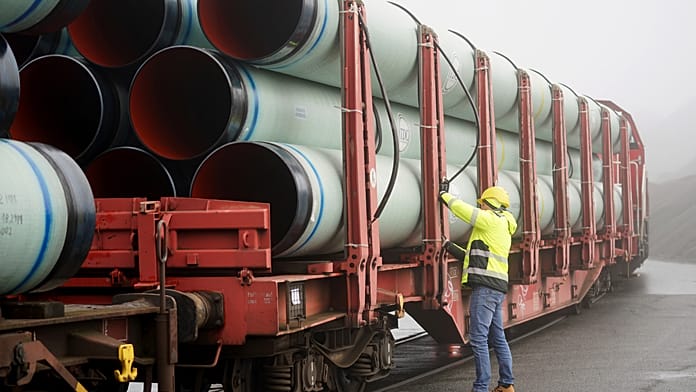
European gas prices spike above €70 amid renewed Middle East fighting The benchmark Dutch TTF natural gas price rose above €70 per megawatt-hour on Monday, as renewed fighting between the US and Iran raised fresh concerns about further delays to LNG exports from the Persian Gulf.
euronews · about 1 hour ago

Spain records 5,232 heat-related deaths in 2026, the highest figure since 2015 Spain has recorded 5,232 deaths attributed to high temperatures so far in 2026, the highest figure since records began in 2015. In August alone, a provisional 2,147 deaths are estimated.
euronews · about 1 hour ago

German inflation rises to 2.9 in August, coming in below expectations Inflation in Germany rose 2.9 in the year to August on the harmonised measure tracked by the European Central Bank, a fresh acceleration from July but well short of the 3.1 economists had expected, in a reading that offers modest relief to policymakers meeting in Frankfurt next week.
euronews · about 1 hour ago
Latest news bulletin | August 31st, 2026 – Midday Catch up with the most important stories from around Europe and beyond this August 31st, 2026 - latest news, breaking news, World, Business, Entertainment, Politics, Culture, Travel.
euronews · about 1 hour ago

Nigerias economy expands by 4.4 in Q2, lifted by oil and non-oil sectors reut.rs/4gI8NTO
bluesky_Reuters · about 1 hour ago

Foreign buying in Indian stocks hits 23-month high in August, RBI data shows reut.rs/4y3bGFu
bluesky_Reuters · about 1 hour ago
Industry warns diesel could near €2 a litre as tax relief set to expire Fuel prices in Cyprus are facing upward pressure, industry representatives said on Monday, after the international price of oil rose above $90 (€78) a barrel. Speaking on behalf of the petrol station owners association, Christodoulos Christodoulou told theCyprus News Agency that small price increases had been recorded over the past fortnight, particularly for diesel which […]
cyprus mail · about 1 hour ago
O prázdninách zemřelo v Česku při nehodách nejvíce lidí od roku 2021. Srážky si zatím vyžádaly 98 obětí Za dva prázdninové měsíce zemřelo při dopravních nehodách v Česku zatím 98 lidí. Je to největší počet obětí od léta 2021, kdy bylo mrtvých 101. Srpen je letos na silnicích nejtragičtějším měsícem roku, při nehodách dosud zemřelo 56 lidí, meziročně o tři více. Vyplývá to z policejních statistik a zjištění ČTK. Prázdninová bilance je počítaná od 1. července.
irozhlas.cz · about 1 hour ago
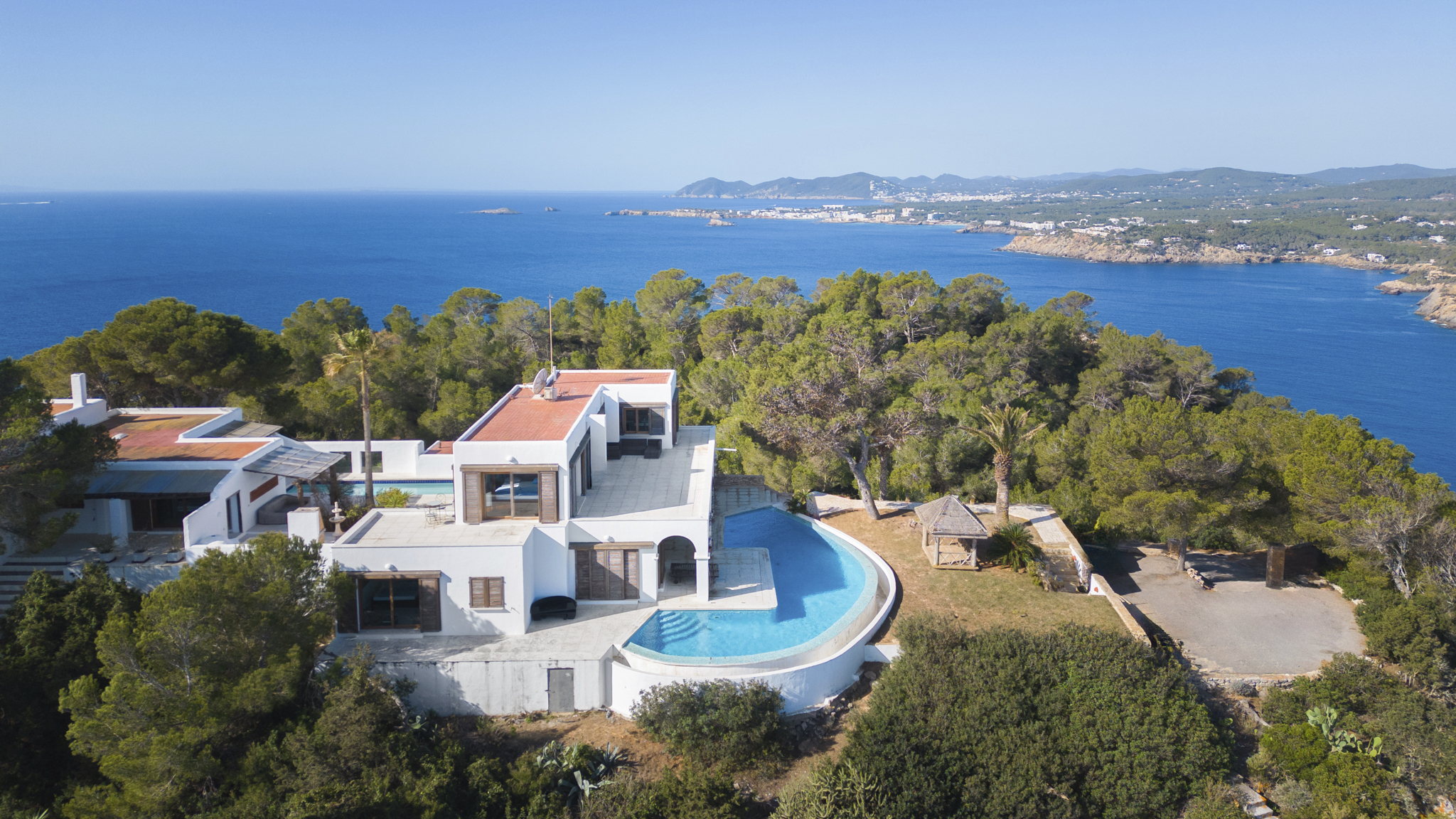
El euríbor sube en agosto al 2,95, su nivel más alto desde hace dos años El Euríbor, la tasa de referencia del mercado interbancario al que están ligadas la mayoría de las hipotecas a tipo variable de España, ha cerrado el mes de agosto en el 2,95, su nivel más alto desde ese mismo mes en 2024, cuando el índice se posicionó en el 3,169. Leer
expansion · about 1 hour ago
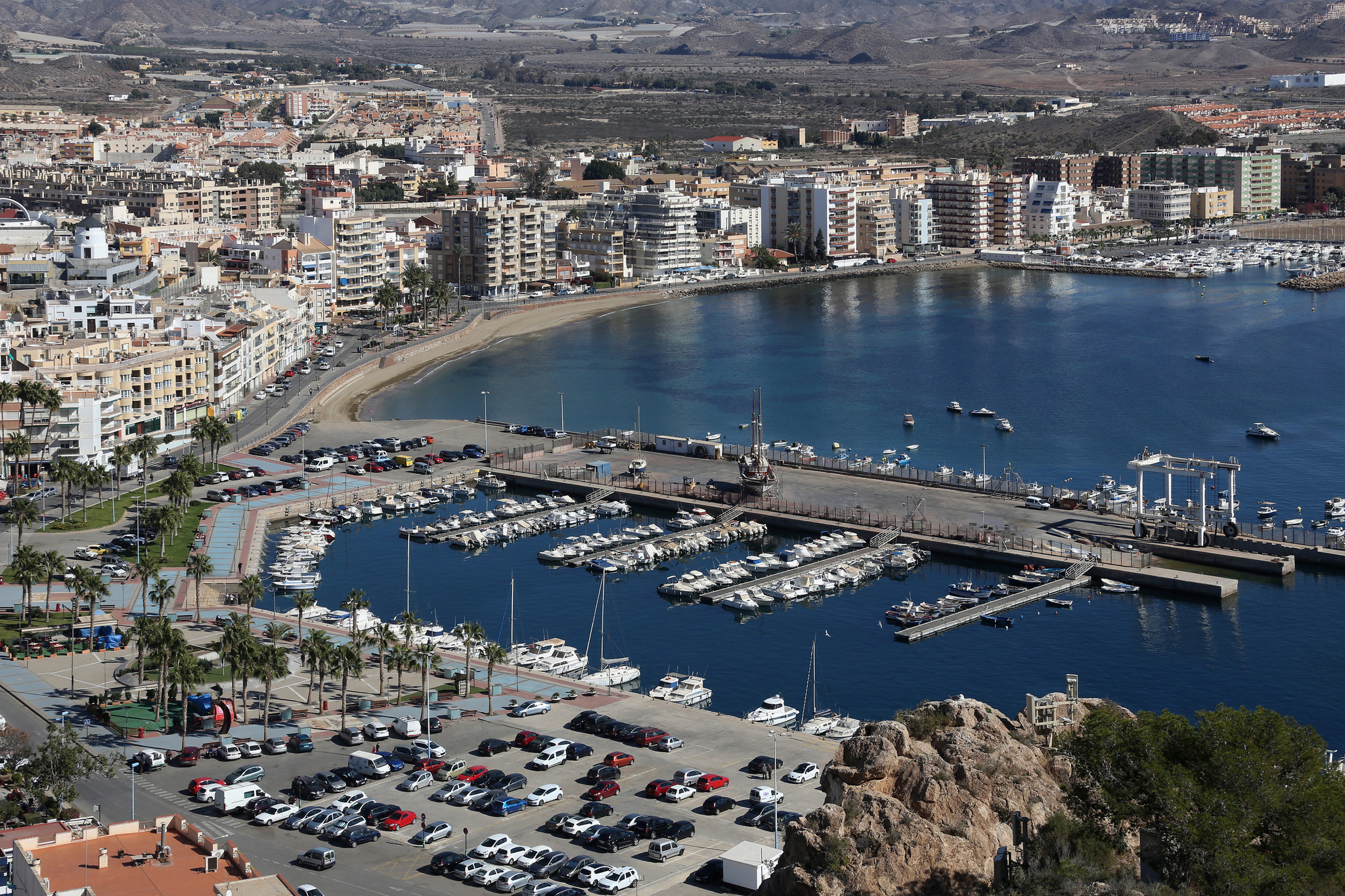
El precio de la vivienda sube un 15,6 en agosto: ¿dónde lo hace con más fuerza? El precio de la vivienda de segunda mano en España subió en agosto un 0,4 respecto a julio y un 15,6 en su variación interanual, situándose en los 3.166 euros/m2. Leer
expansion · about 1 hour ago

Las mejores hipotecas fijas de agosto 2026: desde 2,55 TIN La Hipoteca Vamos a tipo fijo de Ibercaja (2,55 TIN) y la Hipoteca Avantio a tipo fijo de Banca March (2,65 TIN) son las mejores hipotecas fijas que puedes contratar en agosto de 2026
la vanguardia · about 1 hour ago