Loading…
 Saturday, August 29Saturday, August 29
3 months · 10 summary articles
A constitutional law professor has dismissed as unconstitutional and unworkable a bill quietly adopted by Romania’s Chamber of Deputies to pave the way for union with Moldova, warning that unification cannot be decreed by a single parliamentary vote. “Unification is not achieved by a law in Parliament,” former Constitutional Court president Augustin Zegrean told HotNews on Wednesday. “It requires a long sequence of international procedures validated by referendums, with the law coming at the end to confirm what has already been decided.”
The bill, tabled by the SOS România parliamentary group, was adopted tacitly by the lower house on 24 June after the mandatory 45-day constitutional review period expired, and has now moved to the Senate, which holds the decisive mandate in such cases.
The move has drawn sharp criticism from Moldova’s former president Igor Dodon, who accused Bucharest of pursuing “imperialist annexation” and warned that independence “cannot be ceded.” Dodon’s statement followed the Chamber vote and echoed earlier remarks in which he branded the unification drive a threat to bilateral relations.
In a parallel development, Moldova’s president Maia Sandu revoked the citizenship of Alexandru Balan, the former deputy head of the SIS intelligence service, on 23 June. Balan had previously been pardoned in a state secrets case and extradited to Belarus in a prisoner swap that secured the return of two Moldovan SIS officers. Romania now intends to strip Balan of Romanian citizenship as well, according to exclusive reporting by Digi24.
Legal experts argue that the Romanian unification bill, while symbolically significant, lacks enforceable mechanisms and would face immediate constitutional challenge. Zegrean, who led the Constitutional Court from 2010 to 2016, stressed that any merger would require simultaneous referendums in both countries, international recognition, and a final legislative act—not an initial parliamentary vote. The Senate now has the power to halt or amend the proposal before it can proceed further.
Follow us for live European news

Un fost președinte al CCR explică de ce proiectul de lege privind unirea României cu Moldova, adoptat tacit, „nu are nicio șansă. „Vor vâlvă și scandal Unirea nu se produce printr-o lege în Parlament, ci printr-un șir lung de proceduri la nivel internațional care se validează prin referendumuri, iar legea vine la final pentru a consfinți cele decise, explică Augustin Zegrean într-un dialog cu HotNews. Fost președinte al Curții Constituționale între 2010-2016, Zegrean subliniază că efectele acestui proiect de lege care …
hotnews.ro · 2 months ago
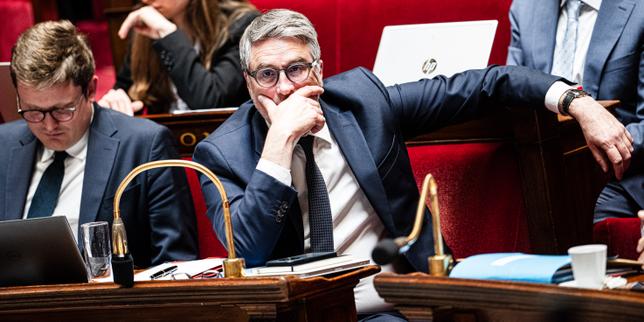
Sur lautonomie de la Corse, les députés redécouvrent lart du compromis Phénomène rarissime sous cette législature, le projet de loi constitutionnelle sur lautonomie de la Corse a été loccasion dun véritable travail parlementaire inventif et sans tabou.
le monde · 2 months ago
Proiectul depus de S.O.S. România privind unirea cu Republica Moldova a fost adoptat tacit de Camera Deputaților și merge la Senat Propunerea legislativă depusă de parlamentarii S.O.S. România privind unirea României cu Republica Moldova a fost adoptată tacit, miercuri, de Camera Deputaților, după expirarea termenului constituțional de 45 de zile. Proiectul merge acum la Senat, care este for decizional în acest caz.
digi24 · 2 months ago
Maia Sandu l-a lăsat fără cetățenie pe fostul adjunct SIS care spiona pentru KGB, Alexandru Balan Fostul director adjunct al Serviciului de Informații și Securitate (SIS), Alexandru Balan, a rămas fără cetățenia Republicii Moldova. Decretul privind retragerea cetățeniei a fost semnat de președinta Maia Sandu la 23 iunie. Balan a fost anterior grațiat în dosarul privind divulgarea secretului de stat și extrădat în Belarus în cadrul unui schimb de prizonieri care a făcut posibilă întoarcerea acasă a doi ofițeri SIS moldoveni.
digi24 · 2 months ago
Igor Dodon acuză România că pregătește „așa-zisa unire cu Republica Moldova: „Independența nu poate fi cedată Fostul preşedinte prorus al Republicii Moldova Igor Dodon acuză autorităţile de la Bucureşti că pregătesc „anexarea teritorială a Republicii Moldova. „Este regretabil că politicienii din România au lansat o astfel de politică imperialistă, care riscă să certe ambele ţări, susţine el. Reacția vine după ce un proiect de lege privind unirea țării noastre cu R. Moldova a trecut tacit de Camera Deputaților.
digi24 · 2 months ago
România vrea să-i retragă cetățenia fostului șef al spionilor moldoveni care lucra pentru KGB, Alexandru Balan Alexandru Balan, fostul adjunct al SIS din Republica Moldova, acuzat de trădare de patrie în România, pentru că spiona pentru serviciul secret din Belarus, ar putea rămâne fără cetățenia Română, conform informațiilor obținute în exclusivitate de Digi24.ro
digi24 · 2 months ago