
Romanian pension staff strike over frozen wages as EU pay reforms loom
Employees at Romania’s Dolj County Pension House walked out on Friday, vowing to escalate protests next week against a new salary law they say will slash their take-home pay and deepen wage inequities. The stoppage, confirmed by local media , marks the first coordinated industrial action in the Romanian public-pension system since the legislation was published in May.
Staff representatives told reporters that the law ties future raises to a national benchmark that is currently frozen, effectively freezing their gross salaries at 2025 levels while inflation runs above 6 %. “We are not asking for bonuses—we are asking for the right to keep the purchasing power we had last year,” said a union steward who asked not to be named. The union has called for a full-day strike on Tuesday 10 June and threatens rolling walk-outs if the government does not withdraw the measure.
The dispute is the latest flashpoint in a wider debate over public-sector pay that has spread from Bucharest to Brussels. On the same day, the European Commission’s pay-transparency directive entered its final drafting phase, with France’s government promising to transpose the rules by 7 June . The directive requires companies with more than 250 employees to publish salary ranges by June 2027, a move welcomed by Leslie Czienienga, a German tech executive who last year won a landmark discrimination suit after discovering a male peer earned €2,500 a month more for the same role .
Across the EU, health-care systems are also bracing for reform. In Germany, Health Minister Christine Warken’s draft long-term-care bill faces a rebellion from municipal leaders who warn it will add €12 billion in annual costs to city budgets . Meanwhile, in Ireland, the health minister defended high salaries paid to consultants at Dublin’s Rotunda Hospital, telling lawmakers that “we expect them to be there” after reports that some signed public-only contracts yet treated private patients .
From Tallinn to Tartu, staff shortages are compounding the strain. A 300-strong recruitment drive at Tartu Prison—starting pay €2,400 a month—highlights the Baltic state’s struggle to house Swedish inmates transferred under an EU relocation scheme . In Romania’s mining sector, insolvency proceedings at Băița Mine triggered 56 collective dismissals, gutting a third of the workforce after months of unpaid wages .
With protests scheduled in Bucharest, Berlin and Barcelona next week, the convergence of pay disputes, pension reform and staff shortages underscores a continental labour-market squeeze that shows no sign of easing.
Romanian pension staff strike over frozen wages as EU pay reforms loom
- liberation
- sueddeutsche
- die zeit
- digi24
- thejournal
- news.err
- elmundo
- faz
- financial times
Articles

Angajații de la Casa de Pensii Dolj au întrerupt lucrul. Ei anunță proteste și săptămâna viitoare Revoltă în rândul angajaților de la Casa de Pensii Dolj. Angajații protestează împotriva noii legi a salarizării. Ei spun că le vor fi reduse semnificativ veniturile și cer eliminarea inechităților salariale.
digi24 · 1 day ago

Nuevo pulso de los docentes catalanes al Govern de Salvador Illa: convocan otra huelga durante la visita del Papa León XIV a Barcelona Saldrán a la calle el martes 9 de junio y sopesan repetir la movilización el miércoles 10, segundo día de la estancia del pontífice en la ciudad como parte de su viaje apostólico a España Leer
elmundo · 1 day ago

Kolumne „Uni live: Die Mensa ist kein Luxus! Die Betreiber von Mensen an deutschen Hochschulen ächzen unter gestiegenen Kosten – einige Gerichte sind jetzt doppelt so teuer. Unser Autor fragt sich: Sollten Studierende wirklich den Preis dafür zahlen?
faz · 1 day ago

Halbzeitbilanz: Die Risiken der Landesregierung Die schwarz-rote Koalition in Wiesbaden leistet eine ordentliche Arbeit. Aber das schlechte Image von CDU und SPD im Bund könnte auf die Parteifreunde in Hessen abfärben.
faz · 1 day ago
Entgelttransparenzgesetz: EU drängt auf Lohntransparenz, Deutschland bremst Die Bundesregierung sollte bis zum 7. Juni eine EU-Richtlinie für mehr Transparenz bei Gehältern umsetzen, doch daraus wird vorerst nichts. Warum tut sich hierzulande so wenig, um den Gehaltsunterschied zwischen Frauen und Männern zu verringern?
sueddeutsche · 1 day ago
Reformpläne: Was kommt jetzt auf Pflegebedürftige und Beitragszahler zu? Der Pflegekasse fehlen Milliarden, darum nimmt die Gesundheitsministerin eine große Reform des Systems in Angriff. Die Widerstände sind riesig, denn der Plan trifft fast jeden und jede. Ein Überblick.
sueddeutsche · 1 day ago
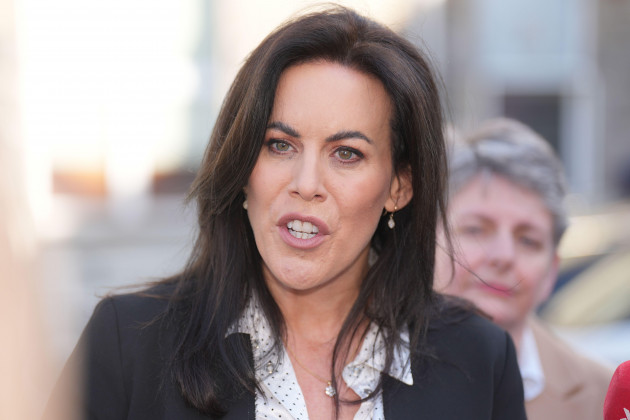
Minister says Rotunda consultants are paid very good salaries and we expect them to be there The hospitals master revealed last week that consultants who signed public-only contracts were seeing private patients.
thejournal · 1 day ago
Quinn Emanuel raises pay for junior lawyers in London to £189,000 Salary increase signals elite law firms are on cusp of fresh pay war as competition intensifies
financial times · 1 day ago
Tartu Prison plans to hire more than 300 staff to handle Swedish inmates Training will be organized by the Prison Service, and starting pay is €2,400 per month.
news.err · 1 day ago
Bundesgesundheitsministerium: Städtetag kritisiert Pläne für Pflegereform als »Schlag ins Gesicht« Der Städtetag befürchtet durch die geplante Pflegereform eine Milliardenbelastung für die Kommunen. Auch Pflegerat und Politiker kritisieren den Entwurf von Nina Warken.
die zeit · 2 days ago
Kindergesundheit: Wenn es den Kindern nicht gut geht, geht es dem Land bald schlecht Wer in die Gesundheit von Kindern investiert, spart langfristig Milliarden. Denn psychisch und körperlich gesunde Kinder sind eine Wirtschafts- und Standortfrage
die zeit · 2 days ago
Bundeshaushalt: Besteuert endlich die Superreichen Die Bundesregierung will in der Pflege sparen, am Bürgergeld, Elterngeld. Um den Haushalt zu sanieren, sollen alle verzichten. Und die Zahl der Superreichen: steigt.
die zeit · 2 days ago
Die Minimierung des Minimums Am 15. April 2026 hat das Bundesverfassungsgericht zum dritten Mal eine Grundsatzentscheidung zum Asylbewerberleistungsgesetz getroffen. Anders als in den Entscheidungen in den Jahren zuvor beanstandete es die vielfach kritisierten Leistungen diesmal nicht umfassend. Das Gericht hielt nur einen Aspekt für verfassungswidrig: Die Berechnungsgrundlage war veraltet und genügte damit nicht mehr den verfassungsrechtlichen Anforderungen. Die Entscheidung fügt sich in einen größeren Kontext zunehmend restriktiver Migrationskontrollen ein – und offenbart innere Grenzpolitiken, die abgesenkte Minimalstandards für bestimmte Personengruppen legitimieren. The post Die Minimierung des Minimums appeared first on Verfassungsblog.
verfassungsblog · 2 days ago
Faire Bezahlung: „Es kann doch nicht sein, dass ich im 21. Jahrhundert immer noch für gleiche Bezahlung kämpfen muss Ihr männlicher Kollege verdiente 2500 Euro mehr pro Monat als sie, obwohl beide den gleichen Job machten. Leslie Czienienga klagte dagegen – als eine der wenigen Topmanagerinnen in Deutschland.
sueddeutsche · 2 days ago
Tallinn hospital staff issue appeal over shortages, burnout after sacking The firing of a respected and long-serving gynecologist has brought in focus issues including staff overwork and critical shortages at a Tallinn hospital, Eesti Ekspress wrote.
news.err · 2 days ago
Transparence des salaires : un projet de loi sur les rails mais en retard par rapport à une directive européenne Lobjectif du texte est daméliorer légalité entre les femmes et les hommes au travail. Il sera transmis au Conseil dEtat au plus tard le 7 juin. Les organisations patronales dénoncent déjà «une usine à gaz invraisemblable».
liberation · 2 days ago
La izquierda y los sindicatos cargan contra el consejero de Cultura de Ayuso por trivializar sobre el calor en las aulas: "Nuestros niños se abrasan" Mariano de Paco ironizó en la Asamblea sobre que las altas temperaturas "también pueden ser fuente de inspiración" Leer
elmundo · 2 days ago
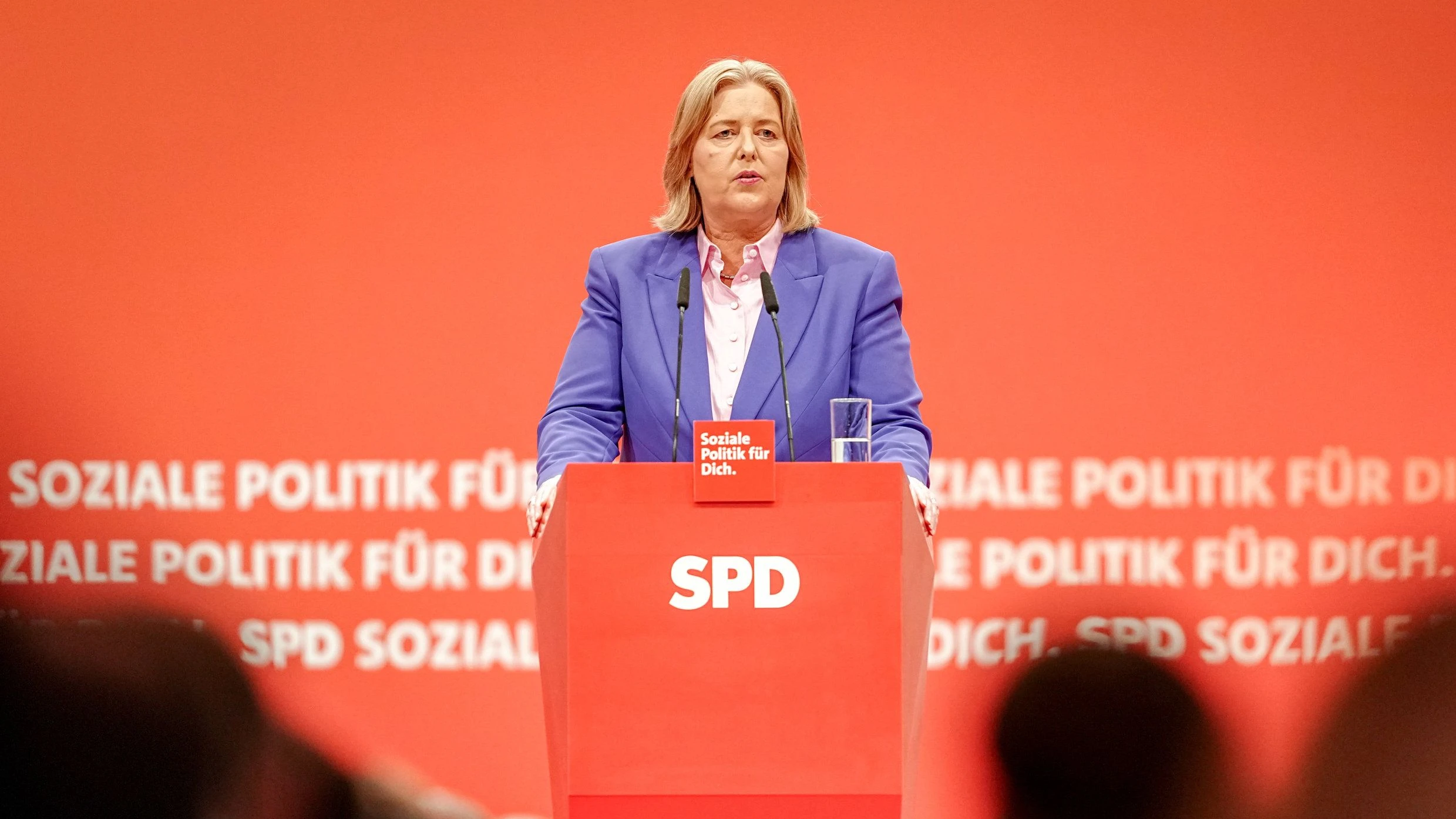
Kosten der Alterssicherung: Beamte in die Rente? Was Bas mit ihrem Vorstoß nicht erklärt Die SPD-Vorsitzende beharrt darauf, dass Beamte in die Rentenkasse einzahlen. Das sei gerecht und spare Geld. So einfach ist es aber nicht: Wer Kosten senken will, muss Pensionen kürzen – egal in welchem System.
faz · 2 days ago
Wahlkampagne der AfD in Sachsen-Anhalt: Künstliche Morgendämmerung 50 000 Plakate, 1,5 Millionen Euro für den Wahlkampf: Die AfD stellt in Sachsen-Anhalt ihre Landtagswahlkampagne vor. Sie setzt auf den Frust über die Bundesregierung – und auf KI.
sueddeutsche · 2 days ago
Bundespolitik: SPD und CSU kritisieren geplante Pflegereform Mecklenburg-Vorpommerns SPD-Ministerpräsidentin Schwesig bezeichnet die Pläne als „Belastungspaket. Die CSU erklärt, dass sie die Reform in der vorliegenden Form nicht mittragen werde.
sueddeutsche · 2 days ago