 Sunday, June 7Sunday, June 7
Thousands of public sector workers across Romania halted work on Thursday in a coordinated protest against the government’s draft law on unified pay, which they say would slash allowances by up to 4,000 lei (€800) a month and erode professional dignity. Finance ministry staff, tax authority employees, pension fund clerks and court registrars joined walkouts that ran from 08:00 to 16:00, while emergency services announced the “largest protest in their history” for later this month. “This is a revolt for dignity,” declared Vasile Marica, a union representative at the National Agency for Fiscal Administration (ANAF), whose offices in county seats displayed placards reading “Revoltă pentru demnitate!” and “O zi fără finanțe.”
The draft law would replace a complex system of allowances—including night, risk and performance bonuses—with a single base salary, a change unions argue disproportionately targets lower-paid staff. “A 4,000-lei cut is not a reform; it is a pay cut,” said Marica . Grefiers in courts and prosecutors’ offices, whose activity was suspended between 08:00 and 12:00, warned that real wages have been frozen for a decade and could be frozen for five more under the new rules .
Ambulance crews, represented by the National Trade Union “Ambulanța din România,” announced a mass protest in Bucharest next week after the law threatened to eliminate risk bonuses that can reach 30% of base pay. “We will not accept a system that makes saving lives a loss-making profession,” said union president Adrian Curaj .
Minister of Labour Dragoș Pîslaru, attending ongoing negotiations at his ministry, signalled a possible retreat on one contested element: the “dirigenție” bonus for teachers. The draft had proposed scrapping the performance-related supplement, which currently ranges from 15% to 30% of salary. Pîslaru told reporters he would seek a fixed amount to ensure fairness for early-career educators .
The protests coincide with a European directive, effective 7 June 2026, that bans salary secrecy across EU member states, including Romania. The new rules require employers to disclose pay ranges on request and justify gender pay gaps, a transparency push that unions hope will bolster their case against the unified-pay draft .
Thousands of Romanian public workers strike against pay-cut law

Rob Manfred of course worried MLB could face repeat of 1994-95 strike reut.rs/4ubFltR
bluesky bot · 3 days ago

Activitatea în instanțe și parchete, afectată de protestele angajaților din Justiție. Grefierii reclamă salarii înghețate de 10 ani Personalul auxiliar de specialitate și conex din sistemul judiciar protestează joi față de prevederile noii legi a salarizării. Activitatea în instanțe și parchete este afectată în intervalul 08:00-12:00, iar programul cu publicul a fost modificat în unele unități, fără a fi afectate dosarele urgente. Sindicaliștii susțin că nu au beneficiat de majorări salariale reale în ultimii 10 ani și avertizează că actualul proiect de lege ar putea duce la înghețarea veniturilor pentru încă cinci ani.
digi24 · 3 days ago
Protest la Finanțe: angajații din Minister și de la ANAF opresc lucrul între 08:00 și 16:00. Vasile Marica: „Este o revoltă Mii de angajaţi ai Fiscului din toată ţara au întrerupt lucrul joi dimineaţă şi protestează până la ora 16.00, nemulţumiţi de proiectul legii salarizării unitare, care le-ar reduce „drastic sporurile chiar şi cu sume de până la 4.000 de lei, potrivit declaraţiilor unor protestatari. Multe sedii ale administraţiilor judeţene de finanţe publice sunt închise, iar pe geamuri sunt lipite afişe cu mesaje precum: „Revoltă pentru demnitate! sau „O zi fără finanţe. Sindicaliştii reclamă „tăierile nedrepte care îi „lovesc direct în demnitate şi în capacitatea de a-şi face „meseria cu responsabilitate. Proteste sunt şi la casele teritoriale de pensii, dar şi la instanţe, unde grefierii au nemulţumiri similare.
digi24 · 3 days ago
„Cel mai mare protest al serviciilor publice de ambulanţă în Bucureşti. Sindicaliştii, nemulţumiţi de tăierea sporurilor Federaţia Naţională Sindicală „Ambulanţa din România (FNSAR) care reprezintă tot personalul din serviciile publice de ambulanţă, anunţă că este iminentă declanşarea „celui mai amplu protest din istoria serviciilor publice de ambulanţă. Acţiunea va avea loc în Bucureşti, ca răspuns la profundele nemulţumiri ale angajaţilor faţă de noul proiect al Legii salarizării personalului plătit din fonduri publice. Sindicaliştii sunt nemulţumiţi de tăierea sporurilor şi scăderea veniturilor nete.
digi24 · 3 days ago
Noi alerte de vreme rea: cod galben de furtuni puternice în aproape jumătate de țară. Care sunt zonele vizate și cum va fi în Capitală Administrația Națională de Meteorologie (ANM) a emis, joi, două avertizări cod galben de furtuni puternice. Meteorologii anunță că până vineri seara va ploua torențial în mai multe județe din țară.
digi24 · 3 days ago
Propunerea lui Dragoș Pîslaru privind sporul de dirigenție: „Se vor gândi și sindicatele și vom avea o discuție pe această sumă Ministrul interimar al Muncii, Dragoș Pîslaru, a anunțat că va negocia o sumă fixă pentru sporul de dirigenție, beneficiul care a scos dăscăli în stradă și care în proiectul inițial al legii salarizării era tăiat. În prezent, indemnizația este calculată procentual, ceea ce înseamnă că profesorii mai bine plătiți primesc și un spor de dirigenție mai mare, în timp ce debutanții iau mai puțin pentru aceeași muncă.
digi24 · 3 days ago
Sciopero dei treni giovedì 11 giugno: 3mila ferrovieri rischiano posto di lavoro Treni a rischio giovedì 11 giugno a causa di uno sciopero nazionale di 8 ore (dalle 9.01 alle 17) del personale delle imprese ferroviarie e degli appalti ferroviari...
il sole 24 ore · 3 days ago
Servizi minimi garantiti in caso di sciopero Nelle giornate di sciopero Trenitalia assicura servizi minimi di trasporto, riportati di seguito, ritenuti idonei dalla Commissione di Garanzia per lattuazione della legge 146/1990. I treni che si trovano in...
il sole 24 ore · 3 days ago

Verdienen die Kollegen mehr als ich? Mit der Antwort tun sich viele Länder schwer Gleicher Lohn für gleiche Arbeit, das will die EU. In Österreich und anderen Ländern formiert sich gegen die Richtlinie Widerstand. Nun wird auf Zeit gespielt. Mit Erfolg?
der standard · 3 days ago
A Labour battle for ideas would be a public service An anti-intellectual leadership contest is a missed opportunity
financial times · 3 days ago

Czech MEP Alexandr Vondra is the honorary chairman of an influential think tank that lobbies on defense issues. The problem? Vondra failed to disclose the posting even as he acts as shadow rapporteur on critical defense files. My latest www.politico.eu/article/czec...
bluesky bot · 3 days ago
Noi consultări la Ministerul Muncii pe legea salarizării. Majorările pentru demnitari, în centrul discuțiilor În timp ce sindicatele organizează proteste, la Ministerul Muncii continuă consultările pe legea salarizării. Astăzi vin la negocieri reprezentanți ai administrației publice şi cei cu funcție de demnitate publică. În aceste domenii, salariile ar creşte din 2027.
digi24 · 3 days ago
Úrad vlády obmedzil priestor pre novinárov. Pozrite sa, v akých podmienkach pracujú Úrad vlády postupne zmenšuje priestor pre médiá a novinári tak majú čoraz ťažší prístup k ministrom, ktorým chcú klásť otázky, ale aj k tlačovým konferenciám.
aktuality.sk · 3 days ago
Talouspolitiikka | Lindtman tyrmää Puolustusvoimien haaveet: Piikki ei ole täysin auki Riikka Purran ja Antti Lindtman väittelivät leikkauksista, veronkorotuksista ja hallituksen politiikasta.
helsingin sanomat · 3 days ago
Stockende Verhandlungen: Schlichtung soll Tarifstreit im Nahverkehr lösen
die zeit · 3 days ago
Salariile nu vor mai putea fi ținute la secret. Ce schimbări aduce noua directivă europeană pentru angajați și angajatori Începând cu 7 iunie 2026, angajatorii din toate statele membre ale Uniunii Europene, inclusiv din România, vor fi obligați să respecte noile reguli privind transparența salarială.
adevarul · 3 days ago
Verzögerung bei Entgelttransparenz: „Sie wollten der Richtlinie sämtliche Zähne ziehen Deutschland zögert ein Gesetz für mehr Lohngerechtigkeit hinaus. Das könnte zu einer Klagewelle führen, warnt Arbeitsrechtlerin Heide Pfarr. mehr...
taz.de · 3 days ago

Csak Tuzson Bence utolsó munkanapján kérték a megszökött Fürst György kiadatását Izraeltől Az Igazságügyi Minisztérium sokáig várt az intézkedéssel: csak a fideszes tárcavezető, Tuzson Bence utolsó hivatalos munkanapján kérte a parkolásimaffia-ügy miatt elítélt Fürst György egykori szocialista politikus kiadatását Izraeltől. Fürstöt hat és fél év börtönre ítélte a bíróság, de elmenekült a büntetés elől, és a pénzbüntetést sem fizette ki.
hvg.hu · 3 days ago
:format(jpg)/f.elconfidencial.com%2Foriginal%2F6f9%2F302%2F869%2F6f93028694fb4a765acef547438f5fbe.jpg)
Hay calor para rato, pero también lloverá mucho y la Aemet avisa: todas estas serán las zonas más afectadas en España El tiempo dará un giro en varias comunidades durante las próximas horas, con fenómenos adversos que convivirán con temperaturas propias de la canícula en buena parte del país
el confidencial · 3 days ago
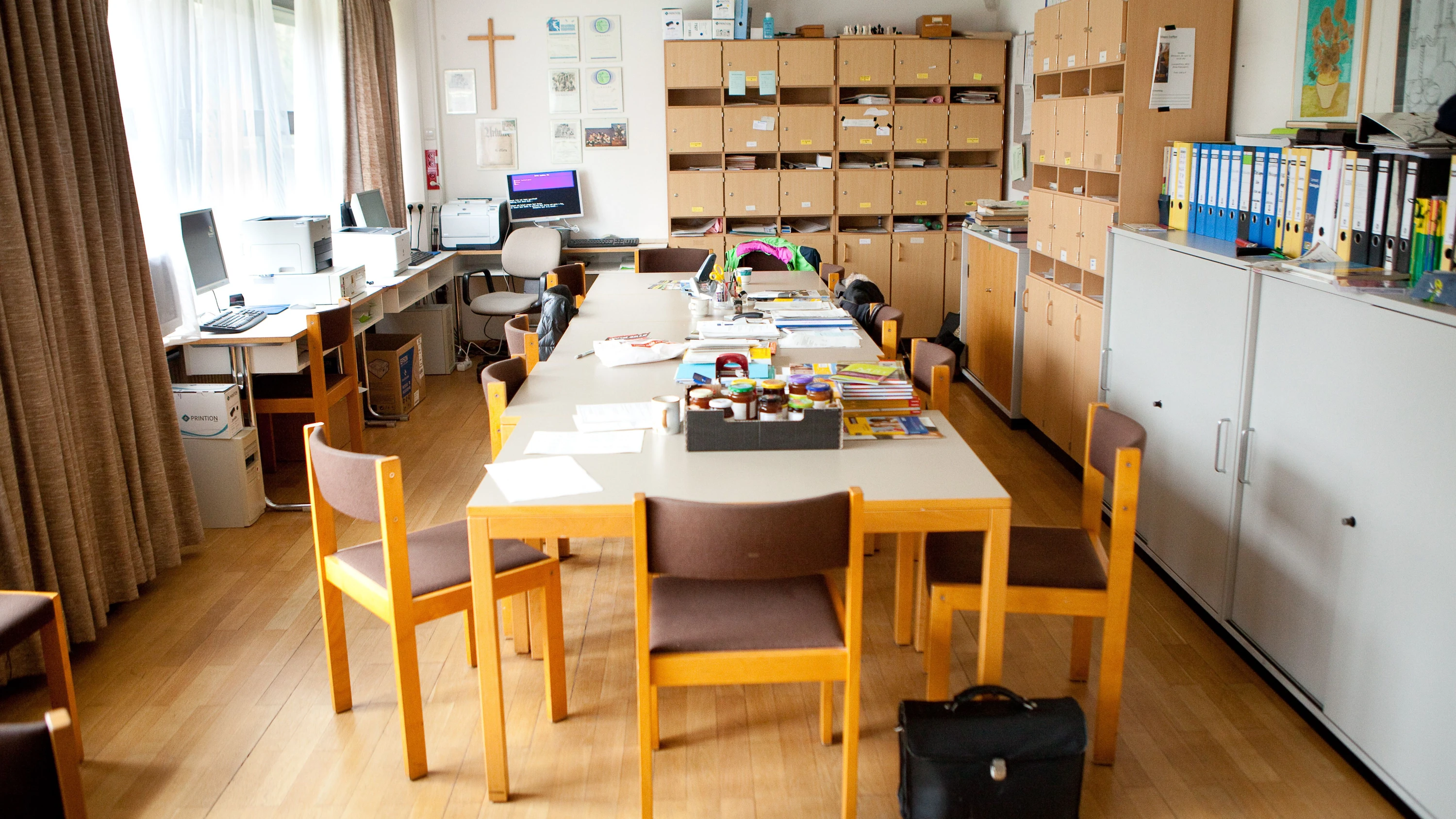
alltag im Lehrerzimmer: Schulleiter sind zufrieden trotz enormer Arbeitsbelastung Neun von zehn Schulleitern schaffen laut einer Studie kaum ihre täglichen Aufgaben. Freude an ihrer Arbeit haben die meisten trotzdem.
faz · 3 days ago