Loading…
 Saturday, September 26Saturday, September 26
4 months · 2 summary articles
US lifts Iran blockade as Trump-Pezeshkian deal takes effect despite Khamenei's criticism
Trump lifts Iran naval blockade as Tehran rejects key deal terms
The United States lifted its naval blockade on Iran on Thursday as an interim US-Iran peace deal took effect, despite fierce criticism from Iran’s supreme leader, who accused President Donald Trump of signing the agreement out of desperation.
The Islamabad Memorandum of Understanding, mediated by Pakistani Prime Minister Shehbaz Sharif, was electronically signed by Trump and Iranian President Masoud Pezeshkian on Tuesday, formally ending the six-month conflict that began in February. Under the terms, Iran immediately reopened the Strait of Hormuz, allowing more than 12 million barrels of oil to pass through Wednesday night, according to US Vice President JD Vance . The US military confirmed the lifting of its blockade on Iranian ports, a move welcomed by global markets but met with skepticism in Tehran.
Iran’s supreme leader, Mojtaba Khamenei, broke days of silence to endorse the deal while distancing himself from it. In a statement on his Telegram channel, Khamenei acknowledged he had opposed the memorandum but authorized it after assurances from Pezeshkian and Iran’s Supreme National Security Council that the country’s interests and the “Axis of Resistance” would be safeguarded . “I authorized it out of concern and goodwill,” he wrote, adding that Trump had acted “out of desperation.” Khamenei also pledged that Iran would not submit to excessive US demands during upcoming negotiations in Switzerland, scheduled for Friday in Burgenstock.
The deal has strained US-Israeli relations, with Vance warning Israeli critics that Trump remains their “only ally.” Israeli Prime Minister Benjamin Netanyahu condemned the agreement as a “disaster,” while Vance’s remarks in Rome on Wednesday—“Wake up, Trump is the only ally you have left”—deepened tensions . China and Russia welcomed the pact, framing it as a step toward regional stability.
Analysts suggest Iran emerges as the clear beneficiary, securing the reopening of the Strait of Hormuz and a 60-day suspension of transit fees for commercial vessels . The agreement also commits both sides to broader de-escalation, including in Lebanon, where Trump has urged Netanyahu to halt airstrikes. Yet uncertainty lingers over the durability of the framework, with Khamenei’s carefully worded endorsement leaving room for Iran to walk away if negotiations falter.
As the first round of talks looms, the deal’s immediate impact—ceasefires, reopened shipping lanes, and a fragile détente—has upended the Middle East’s geopolitical map. But the coming weeks will test whether the fragile accord can withstand the competing ambitions of its signatories.
Follow us for live European news
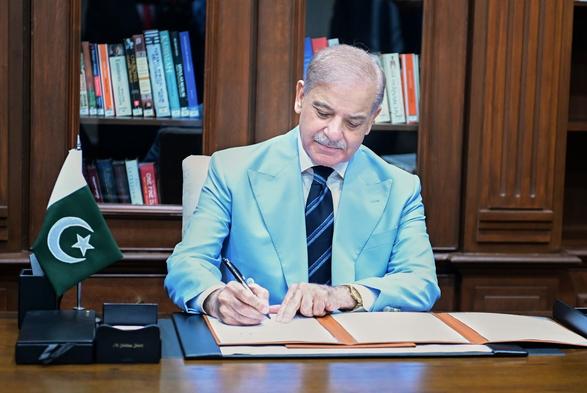
🟠 UPDATEIsrael condemns US-Iran deal as disasterPakistans Prime Minister Shehbaz Sharif signed the US-Iran memorandum of understanding aimed at ending the war.📰 #USA #Diplomacy #Geopolitics #GeoWire
mastodon bot · 3 months ago

Pakistani PM signs Islamabad MoU as mediator in US-Iran peace deal Prime Minister Shehbaz Sharif signed the Islamabad Memorandum of Understanding as mediator, following electronic signatures by US President Trump and Iranian President Pezeshkian. Under the agreement, Iran will immediately reopen the Strait of Hormuz and the US will lift its naval blockade, formally ending the conflict that began in February.
yenisafak · 3 months ago
Strait of Hormuz reopening gradually as tanker traffic resumes after US-Iran deal At least 12 tankers have transited the Strait of Hormuz in recent days, including Saudi crude carriers, Iranian vessels, and Qatars first LNG tanker since the war began—signaling a cautious recovery of commercial shipping following the US-Iran framework agreement. Traffic had plummeted over 90 during the conflict, from around 130 ships daily to roughly 10.
yenisafak · 3 months ago
Grünen-Abgeordnete Amtsberg zu Iran-Deal: „Eine Kapitulation vor der Menschenrechtslage in Iran Der US-Iran-Deal nutze vor allem dem Regime in Iran, sagt die grüne Nahost-Expertin Luise Amtsberg. Insgesamt habe sich die Lage vor Ort verschlechtert. mehr...
taz.de · 3 months ago
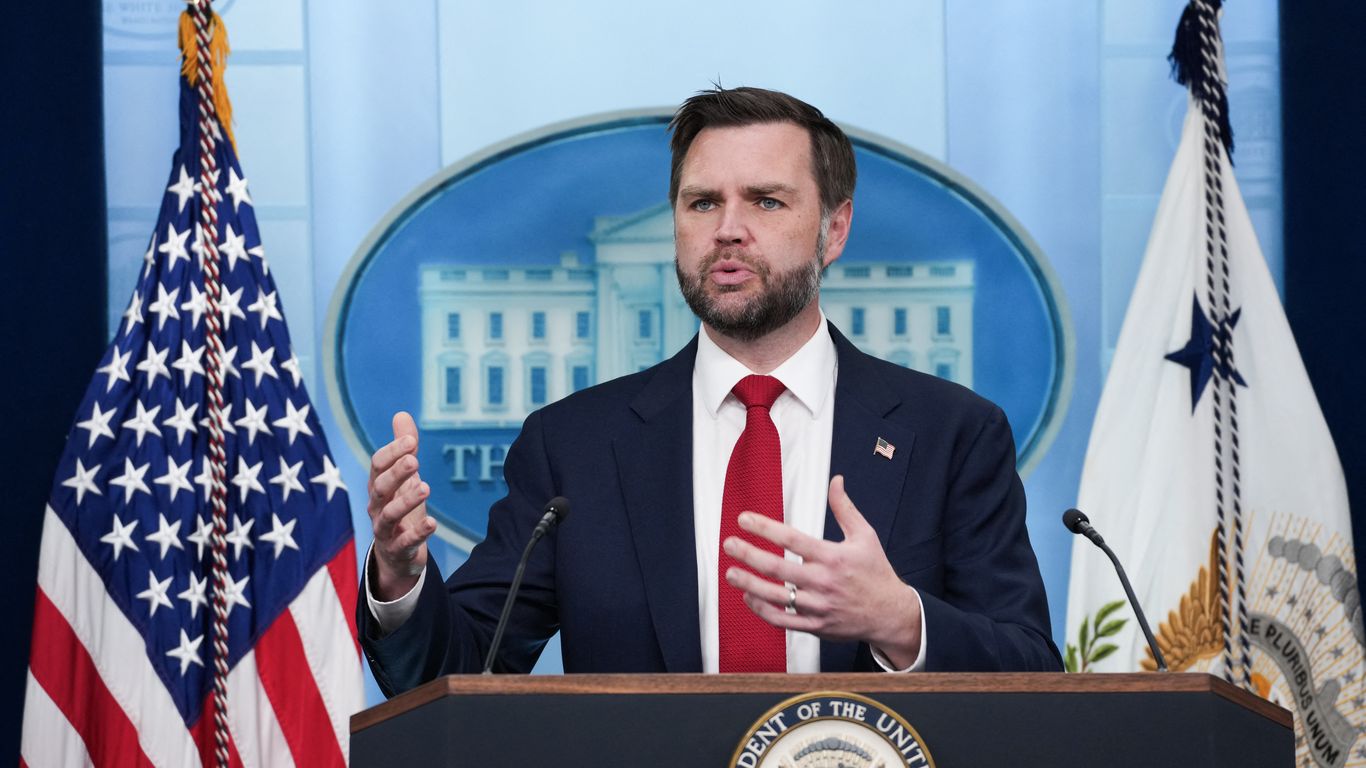
Vance warns Israel: Dont fight "only ally" Trump on Iran deal Vice President Vance on Thursday issued a blunt warning to members of the Israeli government who have been attacking the deal with Iran: President Trump is the only friend you have left, and it would be unwise to cross him.Why it matters: Vance gave public voice to the consternation many on Trumps team have felt with Prime Minister Benjamin Netanyahus government over the past three months. He also issued a veiled threat that if Israel undermines the deal, U.S. military support could be impacted.What hes saying: Asked about an Axios report that Netanyahu and his political allies were "fuming" over the deal, Vance said hed read the story but hadnt experienced any fuming from Netanyahu — though he had been "bothered" by members of the Israeli cabinet attacking Trump over the deal. "Donald J. Trump is the only head of state in the entire world who is sympathetic to the nation of Israel at this moment in time, and he happens to be the head of state of the worlds superpower. If I was in the cabinet of the Israeli government, I might not be attacking the only powerful ally that I have anywhere left in the entire world," Vance said.Vance added that Israel should consider that "two-thirds of the defensive weapons that have protected your homeland have been built by American hands and paid for by American tax dollars.""The problem for Israel is not Donald J. Trump, and anybody in Israel who thinks their biggest problem is the President of the U.S. needs to wake up and smell the reality of the situation that country is in," Vance said.The other side: Netanyahu has kept his frustrations with the deal private, but has been venting in private conversations, sources say.Some senior members of Netanyahus cabinet — including ultranationalist ministers Betzalel Smotrich and Itamar Ben Gvir, but also ministers from Netanyahus Likud party — have attacked Trump over the deal. Pro-Netanyahu voices in the Israeli media have made personal attacks against Vance as well as Trumps envoys Jared Kushner and Steve Witkoff.On Thursday, Netanyahu said the current situation requires the Israeli government to "remain calm, stand firmly on our security interests and at the same time preserve the important relationship with our American friends, who fought shoulder to shoulder alongside us, and for that we are deeply grateful."At the same time Netanyahu said Israel will not withdraw from the territories it has occupied in southern Lebanon "as long as Israels security needs demand it."Friction point: The U.S.-Iran memorandum of understanding says the ceasefire includes the fighting between Israel and Hezbollah, and Israel would have to withdraw from Lebanon under any final deal.Vance said in a press conference on Thursday that the U.S. expects Hezbollah not to launch attacks against Israel, but also expects the Israelis "not to be going wild" in Lebanon. "The Israelis have to respect this peace process...the presidents expectation is that all of our friends, the Israelis, the Arabs in the region are gonna work together and actually see this deal to completion," he said.A day earlier, Trump reiterated his criticism of Israel for knocking down "an apartment house every time youre looking for someone" in Lebanon.The latest: After Vances press conference, Trump posted on Truth Social encouraging "everyone in the Middle East Region" to allow the deal to unfold successfully. "We expect a complete Ceasefire on all fronts, including Lebanon, Hezbollah, and Israel," he added.Go deeper: U.S. and Iran sign deal ahead of schedule
axios · 3 months ago
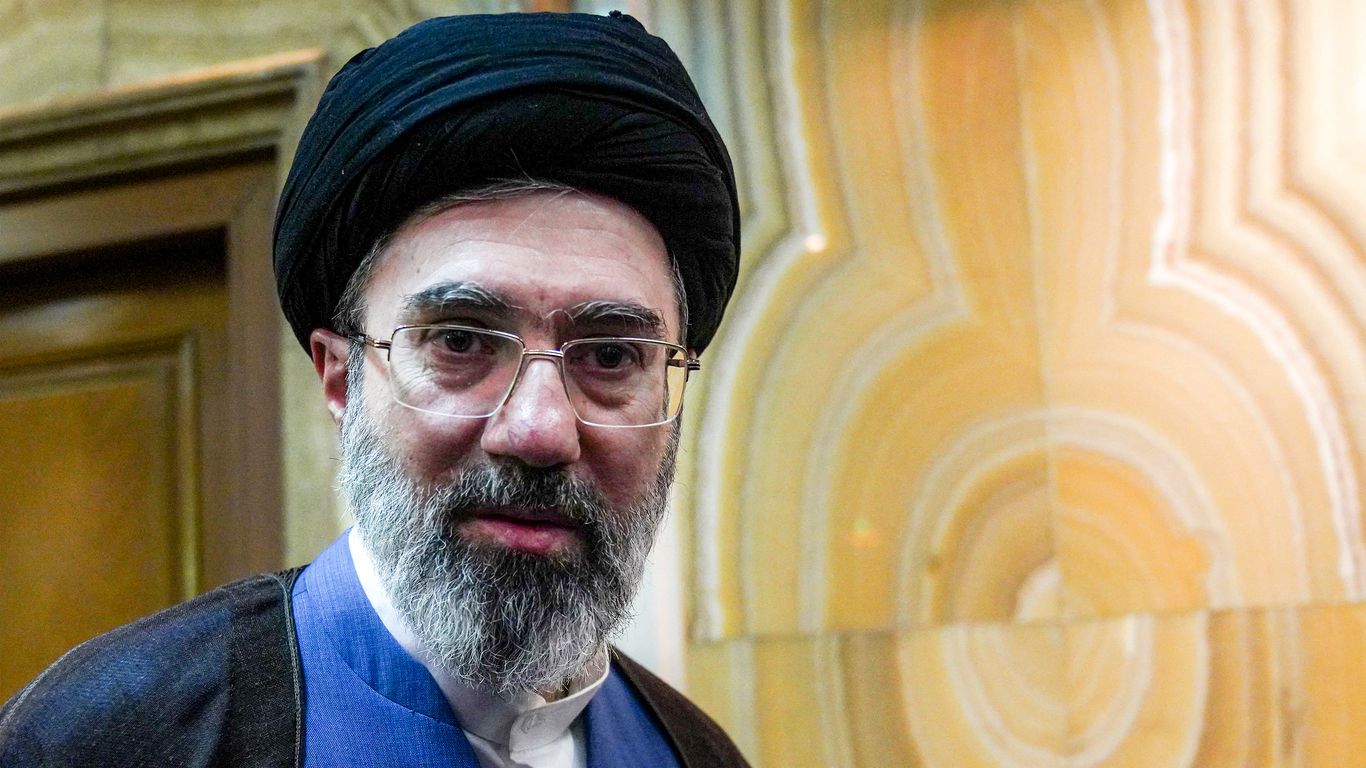
Irans supreme leader says he authorized deal, direct talks with U.S. Irans Supreme Leader Mojtaba Khamenei authorized Iranian negotiators to conduct direct talks with the U.S. but stressed it "does not signify acceptance of the enemys views". Why it matters: Khameneis comments in a written statement in his Telegram channel were his first response to the signing of the U.S.-Iran memorandum of understanding (MOU). Iranian negotiators have been waiting for his public "green light" before heading to Switzerland for a first round of negotiations with the U.S. planned for Friday or Saturday.Behind the scenes: The Iranian supreme leader, who was wounded in an Israeli strike on his fathers residence during the opening days of the war, has not been seen or heard publicly since.In his written message, Khamenei said he opposed signing the memorandum of understanding with the U.S. but authorized it at the recommendation of President Masoud Pezeshkian and the countrys Supreme National Security Council."Based on the commitment given to me by the honorable President, acting in his capacity as Chairman of the Supreme National Security Council, on behalf of himself and the other members, to safeguard the rights of the Iranian nation and the Axis of Resistance - and his explicit acceptance of responsibility for doing so - I authorized it", Khamenei wrote. The Iranian supreme leader praised the officials who have been involved in the negotiations over the MOU and said they did it "out of concern and goodwill". He claimed Pezeshkian and the rest of the officials who supported the deal have committed that "if the American side seeks excessive concessions, they will not submit to them".On the other hand, Khamenei claimed President Trump signed the deal "out of desperation."Between the lines: Raz Zimmt, director of the Iran Program at the Institute for National Security Studies (INSS) told Axios that Khameneis statement can be interpreted as an endorsement of continued negotiations with the United States. "At the same time, much like his father, he appears careful to preserve a degree of political insulation that would allow him to place responsibility for any potential failure on the president", Zimmt said.Zimmt said that if the negotiations produce an agreement favorable to Iran, Khamenei will be able to claim credit. But if it fails, he and his supporters will be able to argue that he never truly supported the negotiations or the deal, and put the blame on president Pezeshkian.Go deeper: Netanyahu fumes, allies rage over Trumps Iran deal
axios · 3 months ago
US-Iran deal: Key questions remain over status of Strait of Hormuz The reopening of the Strait of Hormuz is at the heart of the Memorandum of Understanding (MOU) signed by the United States and Iran. Under the terms of the deal, the US will immediately lift its blockade of Iranian ports. The Islamic Republic, for its part, will reopen the Strait of Hormuz, and charge no toll for commercial vessels for a period of 60 days. However, the presence of sea mines in the vital waterway could be a cause for concern. Our correspondent Reza Sayah reports from the Strait of Hormuz.
france24 · 3 months ago
Signing off? Trump rushes to turn page on Iran war Surprise! A stroke of a pen over dinner at Versailles pre-empting plans for that big Friday signing in Switzerland of an interim agreement between the United States and Iran. Coming off the G-Seven in France, well ask why Donald Trump suddenly decided to get it over with and whether the region and the world can breathe a sigh of relief.
france24 · 3 months ago
We cleared the plates: Versailles dinner becomes stage for Trumps surprise signature of Iran deal US President Donald Trump unexpectedly signed a memorandum of understanding with Iran during a state dinner hosted by French President Emmanuel Macron at Versailles on Wednesday. The move surprised ministers and guests who had expected a formal signing ceremony in Switzerland later this week.
france24 · 3 months ago
Irans supreme leader says approved US deal despite having different view Iran says it has suspended Strait of Hormuz transit charges for commercial vessels for 60 days.
aljazeera · 3 months ago

🟠 UPDATEU.S. lifts blockade on Iran as interim deal takes effectIrans supreme leader disagrees with the deal, stating Donald Trump signed it out of desperation.📰 #USA #Diplomacy #Geopolitics #GeoWire
mastodon bot · 3 months ago
Vance utspel mot Israel: Inte acceptabelt Fördömer anfall • Inte acceptabelt
expressen · 3 months ago
Islamabad MoU sets stage for US-Iran talks in Switzerland President Trump and Iranian President Pezeshkian electronically signed the Islamabad Memorandum of Understanding, establishing a framework to end the war and reopen the Strait of Hormuz. Pakistan, serving as mediator, declared the pact effective immediately. Direct talks on implementation are scheduled for Friday in Burgenstock, Switzerland, with China and Russia welcoming the agreement.
yenisafak · 3 months ago
US forces lift Iran ports blockade as uncertainty clouds planned Switzerland talks The US lifted its blockade of Iranian ports on Thursday after US President Donald Trump and Iran President Masoud Pezeshkian signed an interim peace deal to end the US-Israeli war on Iran. But uncertainty surrounded Fridays planned talks in Switzerland as both sides prepared for negotiations on Tehrans nuclear programme.
france24 · 3 months ago

Trump says fools who think I havent been tough enough on Iran are jealous or stupid after signing widely criticised deal that includes giving Tehran $300billion Donald Trump has hit back at critics who said he had not been tough enough with Iran after signing a peace deal aimed at ending the war and reopening the Strait of Hormuz.
dailymail · 3 months ago
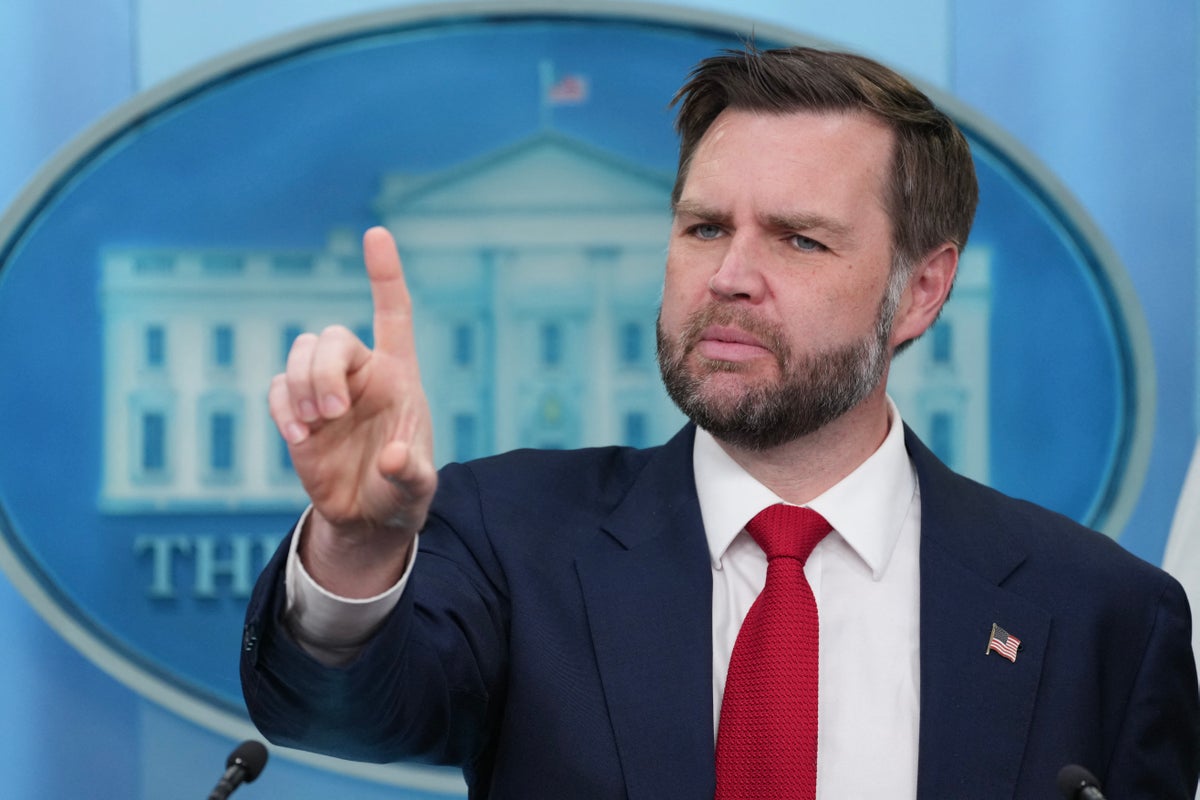
Vance delivers veiled threat to Israel after criticism over Trumps deal with Iran Israeli cabinet ministers have criticized the deal, which has raised tensions between the longtime allies as Trump has sought to end the war he started
independent · 3 months ago
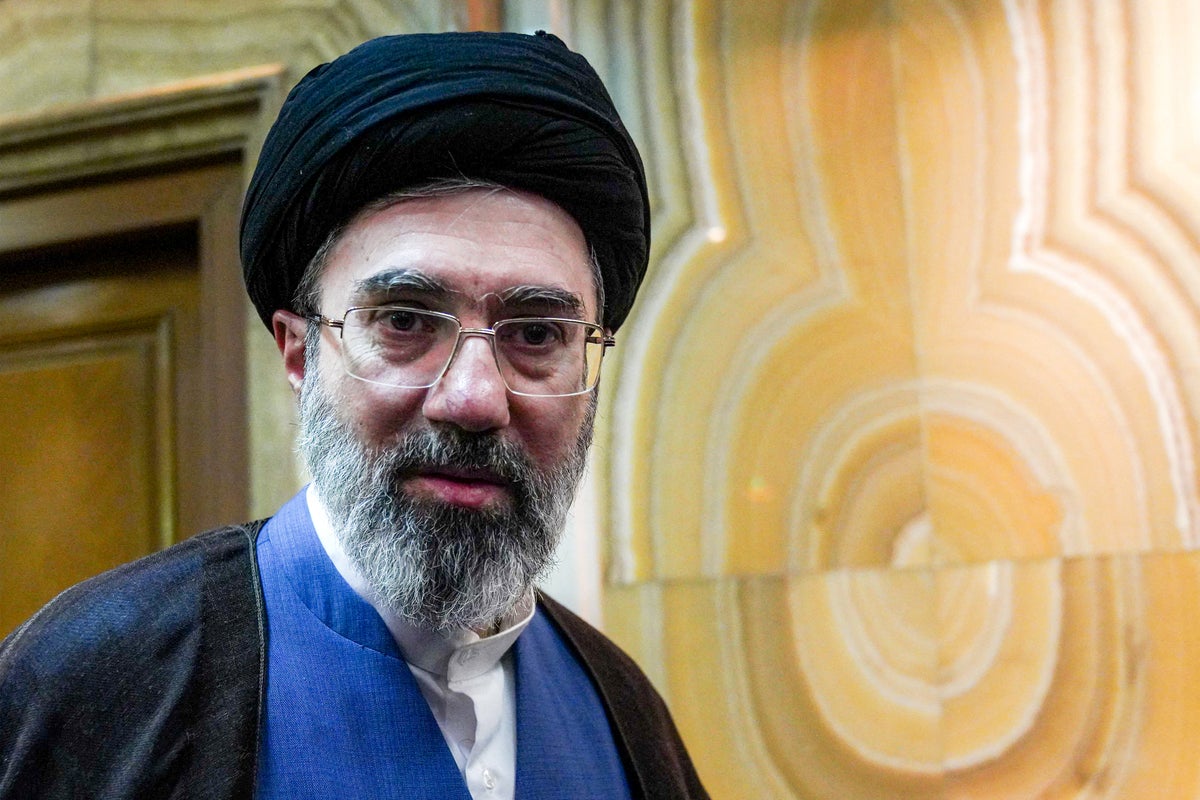
Iran-US war latest: Supreme Leader says Trump made a deal out of desperation after US lifts naval blockade US vice president JD Vance said more than 12 million barrels of oil passed through the Strait of Hormuz last night
independent · 3 months ago
JD Vance lashes out at Israeli government over Iran deal criticism US vice-president says Israelis who find fault in agreement with Tehran need to wake up and smell the reality
financial times · 3 months ago
US vice president slams Israel over criticism of Trumps Iran deal JD Vance slammed members of Israels government for criticising US President Donald Trump over his Iran deal efforts.
aljazeera · 3 months ago
Pakistan signs US-Iran MoU Pakistans Prime Minister Shehbaz Sharif signed a US-Iran memorandum of understanding aimed at ending the war.
aljazeera · 3 months ago

Middle East crisis live: Trump says US expects complete ceasefire on all fronts, including Lebanon, Hezbollah and Israel US president says he encourages Middle East countries to maintain commitment to allowing our negotiations to beautifully unfoldReaction: Donald Trumps Iran deal met with anger, relief and incredulityAnalysis: Trumps Iran deal is result of unrealistic ambitions for an untenable warDonald Trump had urged Israeli prime minister Benjamin Netanyahu to stop blowing up buildings during a phone call about Israels military campaign in Lebanon, according to a report in the Wall Street Journal.The newspaper cited sources who overheard the phone conversation between the two leaders, whose relationship has grown increasingly hostile as the war raged on. Continue reading...
theguardian · 3 months ago
Irans ayatollah says he approved US framework deal despite having different view Meanwhile, US Vice President JD Vance defended the deal, saying he would likely head to Switzerland for talks to turn it into a long-term agreement.
euronews · 3 months ago

Vance warns Israeli critics over Iran deal: Trump is your only ally reut.rs/4evkVpP
bluesky bot · 3 months ago
#Israel #Iran #Lebanon #USA Israel is seeking to maintain its presence in southern Lebanon, as an IDF official stated that Israeli forces will continue to operate in what they refer to as the "security zone" despite the recent memorandum of understanding with Iran. Further negotiations between Israel and Lebanon are expected to address this situation. Subscribe to @OSINTdefender Chat room
telegram bot · 3 months ago